
Lemongrass and Lavender Landscaping: Your Secret Weapon for a Pest-Free, Fragrant Paradise
Are you tired of a garden that demands constant attention yet still falls prey to buzzing mosquitoes and other unwanted pests? Many homeowners dream of a beautiful outdoor space that serves as a tranquil retreat, but the reality is often a constant battle with high-maintenance plants and chemical repellents. The desire for a landscape that is both stunning and functional feels like an impossible goal.
The core of the problem lies in conventional landscaping choices that prioritize appearance over synergy. We often select plants that look good individually but don’t work together to create a resilient, self-sustaining ecosystem. This leads to more work, more pest problems, and a less enjoyable garden experience.
Imagine a garden that not only captivates with its beauty but also actively works for you, creating a fragrant, pest-free oasis. By strategically combining the right plants, you can build a landscape that thrives with minimal intervention. The solution is pairing lemongrass and lavender, a dynamic duo that offers an unparalleled combination of sensory delight and practical benefits.
You'll Learn About
The Power Couple of the Garden: Why Lemongrass and Lavender Belong Together
The magic of lemongrass and lavender landscaping lies in their complementary nature. They are far more than just two pretty plants; they are a strategic partnership that solves some of the most common gardening frustrations. This pairing creates a multi-sensory experience while building a naturally resilient environment.
Their combined strength transforms a simple garden bed into a powerhouse of fragrance and function. Let’s explore the specific reasons why this combination is a game-changer for any home landscape.
A Symphony of Scent and Texture
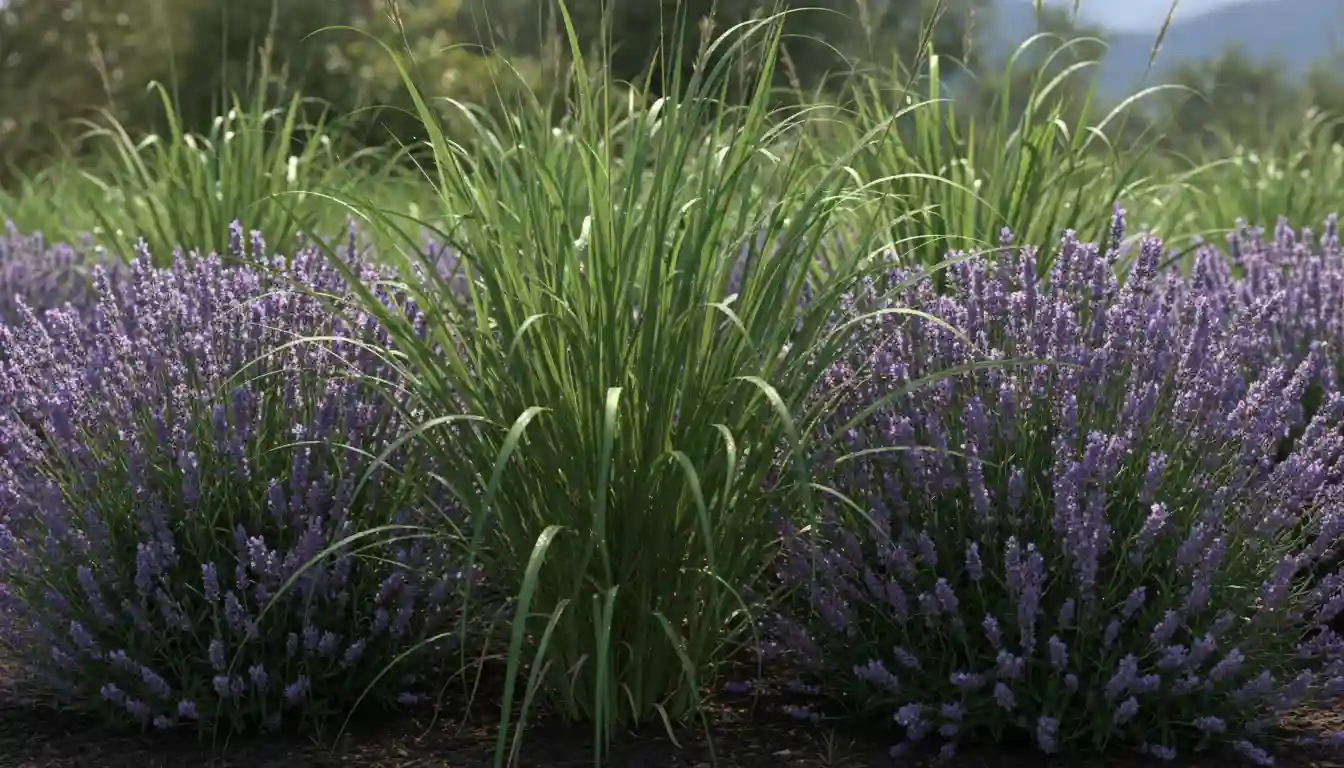
Visually, lemongrass and lavender create a stunning contrast. The tall, arching blades of lemongrass provide a vibrant, grassy texture that sways gracefully in the breeze, adding movement and a vertical element to your garden design. Its bright green color feels fresh and invigorating.
In beautiful opposition, lavender offers a soft, mounding form with delicate purple flowers and silvery-green foliage. This contrast between the vertical grass and the mounded shrub creates a sophisticated and balanced look that fits both formal and cottage-style gardens.
The Ultimate Natural Pest Repellent
One of the most significant challenges in enjoying an outdoor space is the constant annoyance of pests. Lemongrass is a well-known source of citronella oil, a natural and potent mosquito repellent. Planting it around patios, decks, and walkways creates a natural barrier against these biting insects.
Lavender, with its calming scent, is despised by a host of other pests. It effectively deters moths, fleas, flies, and even nibbling creatures like deer and rabbits who are put off by its strong fragrance. Together, they form a protective shield, allowing you to enjoy your garden in peace without resorting to harsh chemicals.
Drought-Tolerant and Low-Maintenance Champions
In today’s busy world, few have time for a garden that requires constant watering and coddling. Both lemongrass and lavender are exceptionally hardy and thrive in conditions that would cause other plants to wither. They are sun-loving and have low water requirements once established.
This drought tolerance makes them a sustainable choice, reducing water consumption and overall garden maintenance. They are the perfect plants for gardeners seeking maximum impact with minimal effort, ensuring your landscape looks beautiful even through hot, dry spells.
Designing Your Dream Lemongrass and Lavender Landscape
Creating a successful lemongrass and lavender landscape begins with thoughtful design and planning. Understanding their needs and how they interact with their surroundings is key to unlocking their full potential. A well-designed space will not only look incredible but will also be healthier and easier to manage.
From choosing the right spot to selecting companion plants, these foundational steps will ensure your garden flourishes for years to come. Follow this guide to build your fragrant, pest-free sanctuary from the ground up.
Finding the Perfect Spot: Sun and Soil
The number one rule for success with both lemongrass and lavender is to provide them with at least six to eight hours of direct sunlight per day. Full sun exposure is non-negotiable for these plants; it intensifies their aromatic oils, promotes vigorous growth, and encourages abundant flowering in lavender.
Excellent drainage is equally crucial. These plants are native to arid or tropical regions and detest “wet feet,” which can lead to root rot. If you have heavy clay soil, amend it with sand or organic compost to improve its texture and allow water to drain away freely. For persistently damp areas, consider creating raised beds.
Layout and Design Strategies for Maximum Impact
How you arrange your plants can dramatically affect both the aesthetics and functionality of your garden. Consider using lemongrass as a tall, dramatic backdrop with a border of shorter, mounding lavender in front. This layering technique creates depth and visual interest.
Plant them along walkways and garden paths where you will brush against them as you walk, releasing their delightful fragrances. A cluster of lemongrass and lavender near a patio or outdoor seating area is a strategic move to create a natural mosquito-repelling zone where you need it most. They also thrive in large containers, making this combination perfect for balconies and decks.
Beyond the Duo: Perfect Companion Plants
While lemongrass and lavender are stars on their own, they play well with others. Selecting the right companion plants can enhance the beauty and health of your garden. Look for other sun-loving, drought-tolerant plants to create a cohesive and low-maintenance design.
Herbs like rosemary and thyme are excellent choices, as their textures and scents complement the main duo while also deterring pests. For a splash of color, consider planting marigolds, which are known to repel nematodes in the soil, or echinacea (coneflower), whose sturdy blooms stand up well to summer heat and attract pollinators like bees and butterflies.
A Practical Guide to Planting and Long-Term Care
With your design in place, it’s time for the exciting part: planting. Proper planting and consistent care practices are essential to establish a thriving landscape. While lemongrass and lavender are low-maintenance, a strong start and seasonal attention will ensure they reach their full, glorious potential.
This guide provides a step-by-step approach to planting, watering, and pruning. It also includes a handy table for a quick comparison of their needs, ensuring you can provide the best care for your new garden power couple.
Step-by-Step Planting Instructions
For lavender, dig a hole that is twice as wide and just as deep as the root ball. Gently loosen the roots and place the plant in the hole, ensuring the crown is slightly above the soil level to prevent rot. Backfill with soil, pressing down gently to remove air pockets.
For lemongrass, which is often purchased as a small stalk or potted plant, dig a hole about the same size as its container. Space plants about 24 to 36 inches apart to allow them to expand into their full, clumping form. After planting both, water them thoroughly to help the roots settle.
The Art of Watering and Fertilizing
During the first few weeks after planting, water your lemongrass and lavender regularly to help them establish a strong root system. Once they are established, their water needs decrease significantly. Water deeply but infrequently, allowing the soil to dry out completely between waterings.
These plants do not require heavy feeding. In fact, too much fertilizer can harm them. For lavender, excessive nutrients can lead to leggy growth and reduced fragrance. For lemongrass, a single application of a balanced, slow-release fertilizer in the spring is usually sufficient to support its vigorous growth.
Pruning for Health and Abundance
Pruning is crucial for keeping these plants healthy and looking their best. For lavender, prune back about one-third of the growth in the early spring or after the first flush of flowers. This encourages a compact, bushy shape and prevents the plant from becoming woody and sparse.
Lemongrass requires less intricate pruning. Simply remove any dead or yellowing leaves throughout the growing season to keep the plant tidy. At the end of the season, before the first frost, you can cut the entire plant back to about 6 inches tall if you plan to overwinter it indoors or want to encourage fresh growth next year in warmer climates.
Lemongrass vs. Lavender: A Quick Care Comparison
To simplify care, here is a table that breaks down the essential requirements for each plant. This at-a-glance guide will help you remember the key differences and similarities, making garden management a breeze.
| Feature | Lemongrass (Cymbopogon citratus) | Lavender (Lavandula) |
|---|---|---|
| Sunlight Needs | Full Sun (6-8+ hours/day) | Full Sun (6-8+ hours/day) |
| Water Needs | Low to moderate; drought-tolerant once established | Low; very drought-tolerant once established |
| Soil Type | Well-draining, loamy soil | Well-draining, slightly alkaline or gravelly soil |
| Mature Height | 3-5 feet tall | 1-3 feet tall |
| Primary Benefit | Repels mosquitoes (citronella), culinary use | Repels moths and flies, aromatic, pollinator-friendly |
| Hardiness Zones | 10-11 (grown as an annual or overwintered elsewhere) | 5-9 (depending on the variety) |
The Hidden Dimension: A Garden for All Four Seasons
Many landscaping guides focus solely on the vibrant life of spring and summer. However, a truly masterful garden offers interest and beauty throughout the entire year. The pairing of lemongrass and lavender excels at this, providing a sensory experience that extends far beyond its peak growing season.
This four-season appeal is what elevates your landscape from merely decorative to a dynamic, living space. It’s about appreciating the subtle beauty of the dormant seasons and creating a garden that has a story to tell every month of the year.
Winter Structure and Dormant Beauty
While many perennials die back to nothing in the winter, this duo continues to provide architectural interest. The dried, tan stalks of lemongrass, if left standing, can catch the winter light and snow, creating a striking silhouette against a bleak landscape. This provides crucial structure when other plants are gone.
English lavender varieties often retain their lovely silvery-green foliage through the winter, offering a welcome hint of color and texture. This year-round presence ensures your garden never looks completely empty or barren, providing a visual anchor during the coldest months.
The Soothing Soundscape of Your Garden
A garden’s sensory experience isn’t limited to sight and smell. The auditory element is a subtle but powerful contributor to a tranquil atmosphere. The long, blade-like leaves of lemongrass create a gentle, rustling sound as the wind moves through them.
This soft, whispering sound adds a layer of calm and serenity to your outdoor space. Position your planting near a window or seating area to fully appreciate this natural soundscape, which can help mask traffic noise and create a more immersive, peaceful environment.
Sophisticated Minimalism: A Modern Approach
While often associated with lush, informal cottage gardens, the lemongrass and lavender pairing is a perfect fit for modern, minimalist landscape designs. The clean lines of the lemongrass and the simple, mounded form of the lavender create a powerful statement without clutter.
The strong textural contrast between the two plants is a key principle of minimalist design. Using them in repeating patterns or as a simple border can define a space with elegance and sophistication, proving that a low-maintenance, functional garden can also be incredibly chic.
Troubleshooting Common Landscaping Issues
Even the hardiest plants can face challenges. Being prepared to identify and address common problems will keep your lemongrass and lavender landscape healthy and vibrant. Most issues are easily preventable with proper site selection and care practices.
From managing water levels to protecting your plants during harsh weather, this section covers the most frequent concerns. A proactive approach is the best way to ensure the long-term success of your beautiful garden.
Preventing Root Rot and Fungal Diseases
The single greatest threat to both lemongrass and lavender is overwatering and poor drainage. Root rot is a common and often fatal issue caused by soil that remains waterlogged. The best cure is prevention: plant them in well-draining soil or raised beds.
If you notice yellowing leaves and mushy stems, reduce watering immediately. For container plants, ensure the pots have ample drainage holes. Good air circulation is also key, so don’t overcrowd your plants. This helps leaves dry quickly and prevents the development of fungal spots.
Overwintering Lemongrass in Colder Climates
For gardeners outside of zones 10-11, lemongrass will not survive the winter outdoors. You have two options: treat it as an annual or overwinter it. To overwinter, cut the stalks down to about 6 inches in the fall, before the first frost.
Carefully dig up the root ball, place it in a pot with drainage, and bring it indoors to a cool, sunny spot. Water it sparingly through the winter—just enough to keep the roots from drying out completely. Keeping it away from drafty spots, like a poorly sealed ac awning window, is crucial for its winter survival.
Harvesting and Enjoying Your Aromatic Bounty
One of the greatest rewards of growing lemongrass and lavender is the ability to harvest and use them. This brings the beauty and function of your garden directly into your home, extending its benefits beyond the landscape. Proper harvesting techniques will ensure a continuous supply and a healthy plant.
From the kitchen to home decor, the uses for these versatile plants are nearly endless. Harvesting is a simple process that connects you more deeply with your garden.
When and How to Harvest Your Plants
For lemongrass, you can begin harvesting as soon as the stalks are about a half-inch thick. Use a sharp knife to cut the stalks at the base, right at soil level. The most tender and flavorful part is the bottom few inches of the stalk.
Harvest lavender just as the flower buds have formed but before they fully open. This is when their essential oil concentration is at its peak. Snip the flower stems in the morning after the dew has dried, cutting them long enough to be bundled together for drying.
Bringing the Fragrance Indoors
Freshly harvested lemongrass is a staple in many Asian cuisines, adding a bright, citrusy flavor to soups, curries, and teas. Its versatility in the kitchen is a delightful bonus, and having the right tools can make preparation a joy. When you invest in a quality appliance, like those in a kitchenaid vs ge profile comparison, you’re better equipped to process fresh ingredients.
Dried lavender bundles can be hung around the house as natural air fresheners, placed in drawers to repel moths, or used in potpourri and sachets. Its calming properties also make it a wonderful addition to baths and homemade beauty products.
Maintaining Your Landscape for the Long Haul
A garden is a living, evolving entity. As your lemongrass and lavender mature, their needs will change. Understanding how to manage their growth over the years will ensure your landscape remains balanced, healthy, and beautiful.
Just as the foundation of a house is critical to its stability, the long-term health of your soil and plants is crucial for your garden. Sometimes, underlying issues in a garden can cause unexpected problems, much like how a subfloor issue can cause a laminate floor wont lay flat. Staying vigilant helps you catch problems early.
Managing Growth and Dividing Plants
Lemongrass grows in an expanding clump. Every few years, you may need to divide it to prevent it from becoming overcrowded and to rejuvenate its growth. Simply dig up the entire clump in the spring, separate it into smaller sections with a sharp spade, and replant the sections.
Lavender will become woody over time. While proper pruning helps manage this, older plants may eventually lose their vigor and need to be replaced. Thankfully, lavender is easy to propagate from cuttings, allowing you to start new plants for free.
Your Dream Garden is Within Reach
You no longer have to choose between a garden that is beautiful and one that is practical. Lemongrass and lavender landscaping offers a holistic solution that stimulates the senses, naturally repels pests, and requires minimal maintenance. It is a smart, sustainable approach to creating the outdoor sanctuary you’ve always wanted.
By embracing this dynamic plant partnership, you are not just designing a garden; you are cultivating an experience. A fragrant, tranquil, and beautiful space is waiting for you. It’s time to stop fighting with your garden and start working with nature to build the effortless paradise you deserve.
