
KitchenAid vs GE Profile: The Ultimate Showdown for Your Dream Kitchen
Embarking on a kitchen remodel or simply upgrading your appliances presents a critical decision: choosing the right brand. Two titans often emerge in this debate, KitchenAid and GE Profile. Making the wrong choice can lead to years of frustration with performance, reliability, and features that don’t fit your lifestyle.
The core problem isn’t just about picking a refrigerator or a dishwasher. It’s about investing in a suite of appliances that will be the backbone of your kitchen, impacting everything from daily meals to holiday gatherings. This choice is complicated by brand reputations, a dizzying array of features, and subtle differences in design and technology.
You'll Learn About
Decoding the Brands: Philosophy and Focus
Understanding the fundamental approach of each brand is the first step toward a confident decision. KitchenAid and GE Profile cater to slightly different homeowner priorities, even though both operate in the premium appliance space. This distinction is crucial for aligning a brand with your personal cooking style and technological comfort level.
GE Profile positions itself as the more tech-forward and innovative option. It heavily emphasizes smart features, Wi-Fi connectivity, and conveniences like an in-oven camera or air fry modes. If you’re excited by the prospect of preheating your oven from your phone or integrating your kitchen into a smart home ecosystem, GE Profile is speaking your language.
KitchenAid, while offering modern technology, leans into a reputation built on professional-style performance and durability. The brand appeals to the passionate home chef who prioritizes precision, power, and robust construction. Think of Even-Heat™ convection technology and powerful burners designed for serious cooking.
Design Aesthetics: Modern Sleek vs. Professional Bold
The visual harmony of your kitchen is paramount. GE Profile appliances typically feature a sleek, modern, and sometimes minimalist design. Their all-stainless steel lineup with clean lines and integrated handles is designed to blend seamlessly into contemporary kitchen decor.
KitchenAid offers a bolder, more professional-grade aesthetic. Inspired by commercial kitchens, their appliances often feature more substantial handles, robust knobs, and a look that makes a statement. While stainless steel is dominant, KitchenAid also provides more finish options, allowing for greater customization.
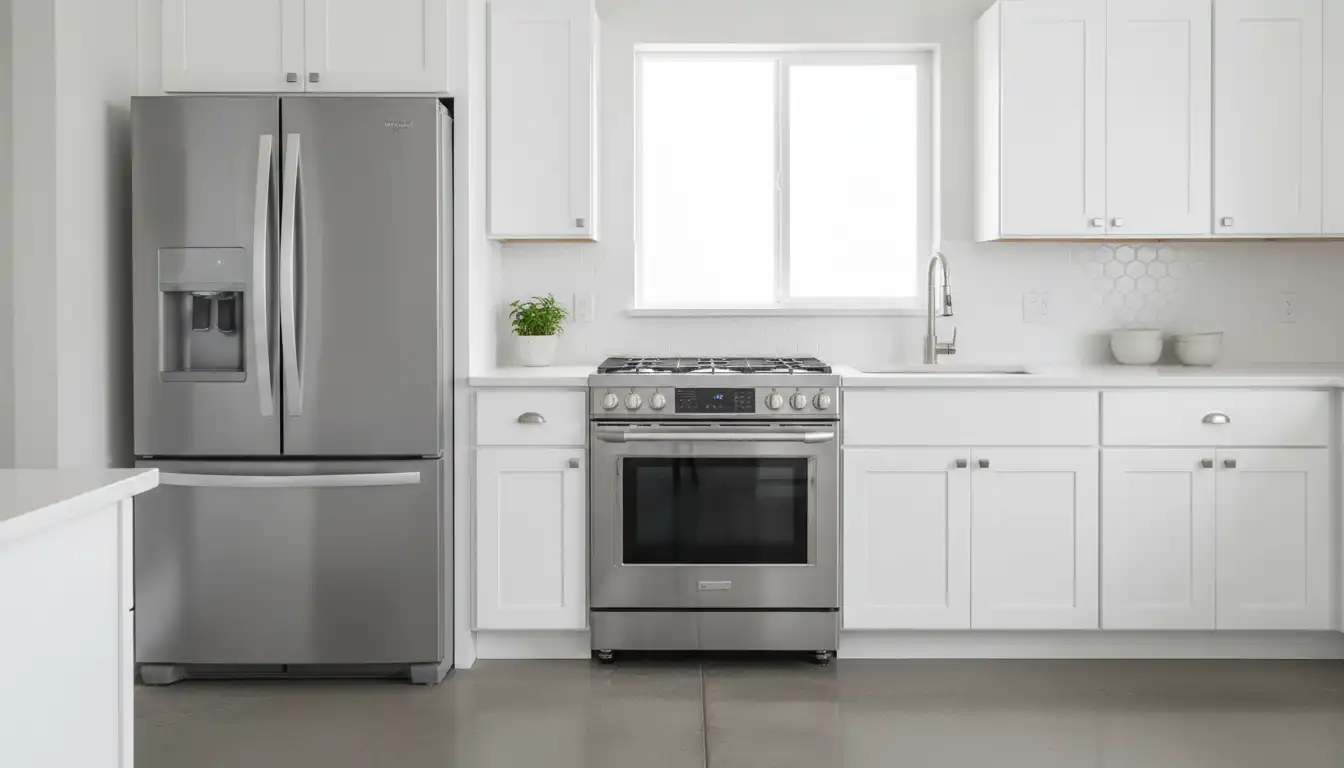
Appliance Head-to-Head: A Detailed Comparison
To make an informed choice, it’s essential to break down the comparison by appliance category. Each brand has its strengths, and your personal usage patterns will determine which features are most valuable to you. This is where the subtle differences can have a major impact on your daily kitchen experience.
Beyond the spec sheets, consider the long-term ownership experience. This includes not just how the appliance performs, but also how easy it is to maintain and what to expect if a repair is needed. Sometimes, insights from current owners and service technicians can be the most revealing.
Refrigerators: Smart Cooling vs. Pro-Style Freshness
GE Profile refrigerators are often lauded for their innovative features and smart technology. You’ll find options with built-in Keurig K-Cup brewers, advanced water filtration systems, and Wi-Fi connectivity for alerts and remote adjustments. They tend to offer slightly more capacity on average, which is a boon for larger families.
KitchenAid refrigerators focus on robust food preservation systems and high-quality construction. Features like the ExtendFresh™ Temperature Management System and Produce Preservers create optimal environments for different types of food. Many users appreciate the premium feel of the interiors, with features like platinum-colored walls and SatinGlide® drawers.
Ranges and Ovens: Tech-Infused Cooking vs. Culinary Precision
When it comes to cooking appliances, the philosophical divide is most apparent. GE Profile ranges and wall ovens are packed with tech, including No Preheat Air Fry modes, in-oven cameras, and precision cooking probes. These features are designed for convenience and appeal to the tech-savvy cook who enjoys experimenting with new functionalities.
KitchenAid, on the other hand, is renowned for its cooking performance, particularly its Even-Heat™ True Convection systems that ensure consistent baking and roasting. Their ranges often feature powerful gas burners and dual-fuel options, catering to serious home chefs who demand precision and control. For those who value baking performance above all else, KitchenAid often has the edge.
Dishwashers: Advanced Cleaning Tech vs. Quiet Power
In the realm of dishwashers, the competition is fierce. GE Profile models often include advanced features like Microban antimicrobial technology and dedicated bottle jets. Their Hard Food Disposer system is a practical feature for households that don’t pre-rinse dishes meticulously.
KitchenAid dishwashers are celebrated for their powerful cleaning capabilities and remarkably quiet operation. The ProWash™ cycle automatically adjusts settings based on soil levels, and the stainless steel interiors contribute to better drying and durability. Many models also feature a third rack, adding significant loading flexibility for utensils and small items.
Feature and Reliability Deep Dive
Choosing between these two brands goes beyond the primary functions of each appliance. It’s about the unique technologies they bring to the table and their long-term reliability. Here, we’ll examine the standout features and what you can expect in terms of durability and service.
| Feature Category | KitchenAid | GE Profile |
|---|---|---|
| Smart Technology | Select models feature smart capabilities, but the focus is more on performance hardware. | Extensive Wi-Fi connectivity across the premium range, smart home integration, and app-based controls. |
| Cooking Performance | Known for Even-Heat™ convection for precise baking and powerful burners. Often preferred by passionate cooks. | Strong on convenience features like No Preheat Air Fry, guided cooking, and in-oven cameras. |
| Design & Finish | Bold, professional-inspired designs with more finish options available beyond stainless steel. | Sleek, modern, and minimalist aesthetic, primarily in fingerprint-resistant stainless steel. |
| Reliability & Service | Generally considered durable with a reputation for long-lasting appliances, though repairs can be more complex. | Reliable with a broad service network, making parts and repairs generally easier to access. |
| Price Point | Tends to be in the premium to luxury price range, reflecting its professional-grade positioning. | Occupies the upper mid-range to premium segment, often offering more tech features for the price. |
The Smart Home Integration Factor
A key differentiator is GE Profile’s deeper integration with smart home technology. If you envision a kitchen where you can control your appliances with voice commands or receive notifications on your smartphone, GE Profile has a more developed ecosystem. This is a significant value-add for the tech-forward homeowner.
While KitchenAid offers some smart appliances, their focus remains on the core performance of the machine. The choice here depends on whether you see smart features as essential conveniences or as potential complications. For some, the tactile satisfaction of turning a well-built knob is preferable to navigating an app.
Long-Term Reliability and Serviceability
Both brands are considered reliable, but there are nuances to consider for long-term ownership. GE’s widespread presence often means that service technicians are readily available and parts are easier to source. This can lead to quicker and potentially less expensive repairs down the line.
KitchenAid, as part of the Whirlpool family, also has a strong service network. However, some users and technicians report that their professional-grade components can sometimes be more complex to service. It’s always wise to research the availability of qualified service professionals in your specific area for any brand you are considering. For more discussions on appliance reliability, forums once popular like the GardenWeb appliance forum offered a wealth of user experiences.
Making the Final Decision: Which Brand Is Right for Your Home?
Ultimately, the choice between KitchenAid and GE Profile hinges on your personal priorities. There is no single “better” brand, only the brand that is a better fit for your kitchen and your life. By carefully considering your cooking habits, design preferences, and relationship with technology, you can make a choice that brings you satisfaction for years to come.
To summarize, consider this final breakdown to guide your decision. It distills the extensive comparison into actionable advice based on distinct user profiles. This will help you identify which brand’s strengths align most closely with your needs.
Choose KitchenAid if:
You are a passionate home cook who values professional-grade performance and precision. You prioritize powerful cooking features, robust build quality, and a timeless, bold aesthetic in your kitchen. You appreciate features that enhance the cooking process itself, like superior convection systems and high-BTU burners, over extensive smart-home connectivity.
Choose GE Profile if:
You are a tech-savvy individual or a busy family looking for convenience and modern innovation. You’re excited by the idea of a connected kitchen with smart features that can streamline your daily routines. You appreciate a sleek, contemporary design and value features like air fry modes and advanced water filtration that add versatility to your appliances.
