
Zero Corner Sliding Glass Doors Price: Your Ultimate Guide
You envision it clearly: a home where the boundary between inside and out simply melts away. You imagine panoramic views, rooms flooded with natural light, and a seamless flow to your patio for effortless entertaining. A zero corner sliding glass door system is the key to this architectural dream, but a daunting question looms: what is the real price of turning that vision into reality?
The sticker price of the door itself is just the beginning of the story. Many homeowners are shocked by the hidden expenses and complex structural work required, turning their dream project into a budgetary nightmare. This guide unravels the complete cost, empowering you to plan with confidence.
You'll Learn About
What Exactly Is a Zero Corner Sliding Glass Door?
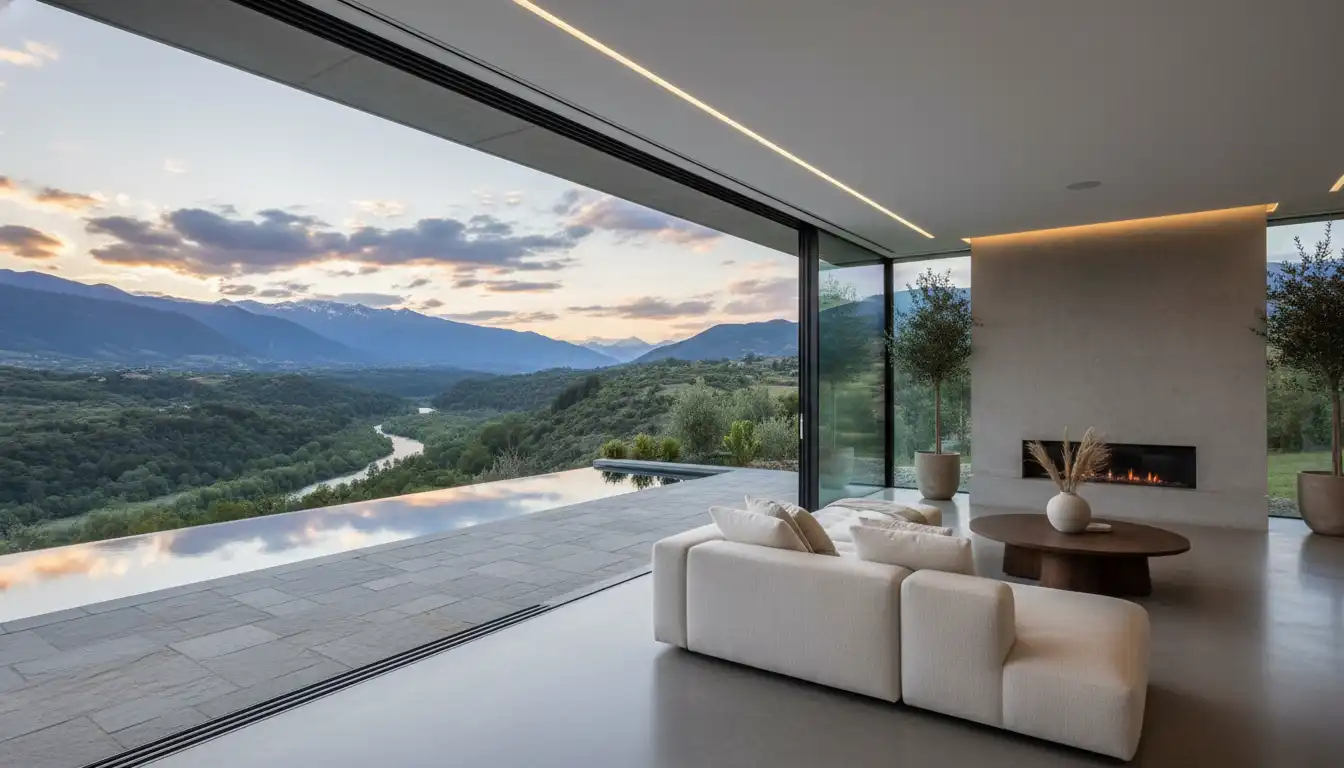
A zero corner—or “cornerless”—sliding glass door system consists of two multi-panel sliding doors that meet at a 90-degree corner. When fully opened, the panels slide away from the corner into pockets in the wall or stack against the fixed panes, leaving a completely open and unobstructed view. There is no structural column or post left behind, creating a dramatic architectural statement. This design is the epitome of modern indoor-outdoor living.
The appeal is undeniable. These systems maximize natural light, make rooms feel significantly larger, and provide an unparalleled connection to your garden or patio. However, achieving this “disappearing corner” requires significant structural planning to support the weight of the roof above.
Deconstructing the Price: More Than Just the Door
Understanding the total cost requires looking far beyond the price of the door unit itself. The final investment is a sum of several critical components, each with a wide price range. Failing to account for all of these elements is the single biggest mistake homeowners make.
The primary cost drivers are the door system’s material and size, the type of glass selected, and, most importantly, the extensive structural modifications and specialized labor required for installation. Let’s break down each element in detail.
Material Matters: The Foundation of Your Door’s Cost
The frame material you choose impacts not only the look and durability of your doors but also the final price tag. Each material has distinct advantages and cost implications.
Aluminum is the most popular choice for its strength and slim profiles, which maximize the glass area for a modern aesthetic. While standard aluminum is less energy-efficient, thermally broken aluminum frames include an insulating barrier to reduce heat transfer. Aluminum is highly durable and weather-resistant.
Wood offers a classic, warm aesthetic that can be stained or painted to match any decor. It’s a natural insulator but comes at a higher price and requires more maintenance to protect it from the elements. Clad-wood doors offer a compromise, featuring a durable aluminum exterior with a beautiful wood interior.
Vinyl is typically the most budget-friendly option and requires very little maintenance. However, vinyl frames are thicker, which can slightly reduce the glass area, and may not offer the high-end feel that complements such a dramatic door system.
Choosing Your Glass: A Pane-fully Important Decision
The glass you select is crucial for energy efficiency, security, and sound insulation. Standard dual-pane glass is the baseline, but several upgrades can significantly impact performance and price.
Low-E (low-emissivity) coatings are a microscopic metallic layer that reflects heat, keeping your home cooler in the summer and warmer in the winter. This is a highly recommended upgrade for energy savings. For colder climates, triple-pane glass offers an additional layer of insulation.
In coastal or storm-prone areas, impact-resistant or hurricane glass is often a building code requirement and adds a significant cost. This laminated glass is designed to withstand high winds and flying debris, offering superior safety and security.
The Hidden Giant: Structural and Installation Costs
This is where the true cost of a zero corner system is revealed. Removing a structural corner of your home is a major undertaking that requires meticulous engineering and highly skilled labor. This is not a standard door installation and must be handled by specialists.
First, you will need a structural engineer to assess the load-bearing requirements. They will design a solution, typically involving a massive cantilevered header or steel beam, to carry the weight of the roof and upper floors without the corner support. This engineering work alone can cost hundreds to thousands of dollars.
The installation of this new support beam is a complex and labor-intensive process. It involves opening up the ceiling, potentially installing new footings in the foundation, and expertly placing the beam. The labor costs for this specialized work are substantially higher than for a standard patio door installation.
Finally, consider the finishing work. After the door and structural elements are in place, you’ll need to budget for drywall repair, stucco or siding work, painting, and new trim to seamlessly integrate the system into your home.
TABLE: Estimated Cost Breakdown for a Zero Corner System
The following table provides a high-level estimate of the potential costs. Prices vary widely based on location, brand, and project complexity. Always get detailed quotes from multiple qualified professionals.
| Cost Component | Low-End Estimate | High-End Estimate | Key Considerations |
|---|---|---|---|
| Door System (Unit Only) | $10,000 | $30,000+ | Depends on material, size (per linear foot), brand, and number of panels. |
| Glazing Package | $1,500 | $8,000+ | Upgrades like Low-E, triple-pane, or impact-resistant glass increase the cost. |
| Structural Engineering | $800 | $2,500+ | Non-negotiable. Required for designing the new support system. |
| Header/Beam & Materials | $2,000 | $7,000+ | Cost of steel or LVL beams and other structural components. |
| Specialized Installation Labor | $5,000 | $15,000+ | Includes demolition, structural work, door installation, and waterproofing. This is not a standard handyman job. |
| Permits & Finishing | $1,000 | $4,000+ | Includes building permits, drywall, stucco, painting, and trim. |
| TOTAL ESTIMATED COST | $20,300 | $66,500+ | Illustrates the importance of budgeting for the entire project scope. |
How to Get an Accurate Quote and Avoid Catastrophic Overspending
Navigating this complex project requires a methodical approach to avoid unexpected costs. Diligent planning is your best defense against budget blowouts.
First, engage an architect or a qualified building designer early in the process. They can integrate the zero corner door into your home’s design and work with a structural engineer from the outset. This ensures the project is feasible before you even start shopping for doors.
Next, seek quotes from companies that specialize in large-format and custom door installations. A general contractor or standard window company may not have the expertise for the structural modifications required. When comparing quotes, ensure they are “apples to apples” and clearly detail the full scope of work, including engineering, demolition, beam installation, waterproofing, and all finishing work.
Questions to Ask Every Potential Installer:
- Is the cost of the structural engineer’s report included in your quote?
- Does your quote include the new support beam and all necessary structural materials?
- Who is responsible for pulling the required building permits?
- What is your warranty on both the door product and the installation/waterproofing?
- Does your quote cover all finishing work, including drywall, exterior stucco/siding, and painting?
Are They Worth It? The Long-Term Value Proposition
While the upfront investment is substantial, a zero corner sliding door system offers significant long-term value. It’s a high-impact architectural feature that can dramatically increase your home’s market value and appeal to discerning buyers.
Beyond financial returns, the enhancement to your lifestyle is immeasurable. The creation of a seamless indoor-outdoor living area, the abundance of natural light, and the breathtaking panoramic views contribute to a greater sense of well-being and enjoyment of your home. A well-designed space that incorporates the outdoors can feel like a permanent vacation retreat, an invaluable benefit for you and your family.
Seamless Design Integration
To maximize the impact of your new doors, consider how they will integrate with your overall design. For a truly cohesive look, the flooring material can run continuously from the inside to the outside patio. This is where durable, large-format tiles come into play, as they can handle the transition beautifully; understanding how to properly install them, for instance, if you can use 12×24 tile on shower walls, gives insight into their versatility for other demanding applications like flooring transitions. Likewise, high-end countertop materials for an outdoor kitchen can echo the interior aesthetic. For those considering luxury surfaces, our comprehensive Neolith reviews offer valuable insights into a material that complements a modern, seamless design.
This connection between kitchen, living area, and patio is central to the zero corner door concept. Imagine preparing meals at a highly functional workstation that looks directly out into your garden. Exploring innovative solutions like those covered in our Galley Sink reviews can help you design a kitchen that is as open and versatile as your new living space.
Final Thoughts: A Dream Within Reach
The price of zero corner sliding glass doors is far more than the cost of the product itself. It is a significant construction project that demands careful planning, expert engineering, and a realistic budget that accounts for all structural and finishing work.
By understanding the complete scope and costs involved, you can transform this stunning architectural feature from a dream into a well-executed reality. With the right team and a comprehensive plan, you can successfully create a breathtaking, open space that will redefine how you experience your home.
