
Replace Old Square Recessed Lights? Your Ultimate Upgrade Guide
Do those dated square recessed lights glaring down from your ceiling feel like a relic from another era? You’re not alone. Many homes are still equipped with these clunky, inefficient fixtures that cast harsh light and drive up energy bills.
Replacing them might seem like a complex job reserved for expensive professionals, but a modern upgrade is more accessible than you think. This guide will walk you through everything you need to know to transform your home’s lighting from outdated to outstanding.
You'll Learn About
The Problem: Why Your Old Square Lights Are a Bigger Issue Than You Think
Those old square fixtures are more than just an eyesore. They often house incandescent or halogen bulbs that generate a surprising amount of heat. This not only wastes energy but can also pose a safety risk, sometimes causing the fixture’s thermal protector to trip and shut the light off unexpectedly.
Beyond safety, these lights are inefficient, consuming far more electricity than modern alternatives. They also tend to have poor color rendering, making your home’s interiors look dull and dated. It’s a combination of bad aesthetics, high costs, and potential hazards hiding in plain sight.
First, Identify Your Existing Square Lights (Crucial Step!)
Before you can upgrade, you need to know what you’re working with. Carefully remove the existing trim and bulb (always turn off the power at the circuit breaker first!) to inspect the housing—the metal “can” inside the ceiling. This will tell you the size of the opening and the type of fixture you have.
Most older homes use incandescent or halogen bulbs. Identifying the housing type is equally important. Is it a “new construction” housing nailed to the joists, or a “remodel” housing held in by clips? This will influence which replacement method is easiest.
Measuring for Success: Getting the Right Dimensions
This is where many DIY projects go wrong. You need two key measurements for a successful replacement. First, measure the inside dimension of the square opening in your ceiling. Second, measure the outer dimension of the existing trim that sits flush against the ceiling.
Having precise measurements ensures your new fixture will fit correctly and completely cover the old opening, leaving no unsightly gaps. Write these numbers down and take them with you when shopping for a replacement.
Your 3 Upgrade Paths: From Simple Swaps to a Full Modern Makeover
Upgrading your old square recessed lights doesn’t have to be a one-size-fits-all project. Depending on your budget, timeline, and DIY comfort level, you have three primary options to choose from. Each path offers a distinct set of benefits, allowing you to tailor the upgrade to your specific needs.
Option 1: The Quick & Easy LED Bulb Replacement
If your existing fixture is in good condition and you’re looking for a fast, budget-friendly improvement, simply swapping the old bulb for a modern LED equivalent is a great start. This requires no wiring and can be done in minutes.
While this is the simplest solution, it doesn’t update the look of the trim and may not provide the seamless, modern aesthetic you’re hoping for. However, it will immediately improve energy efficiency and light quality.
Option 2: The All-in-One LED Retrofit Kit (The Most Popular Choice)
This is the go-to solution for most homeowners. An LED retrofit kit is an integrated unit that includes both the “bulb” and the trim. It’s designed to fit directly into your existing square housing, making installation incredibly straightforward.
These kits usually come with a screw-in adapter that connects to the old bulb socket and retention clips that secure the new trim flush against the ceiling. It’s a complete visual and functional upgrade that requires minimal electrical work and offers a clean, contemporary finish.
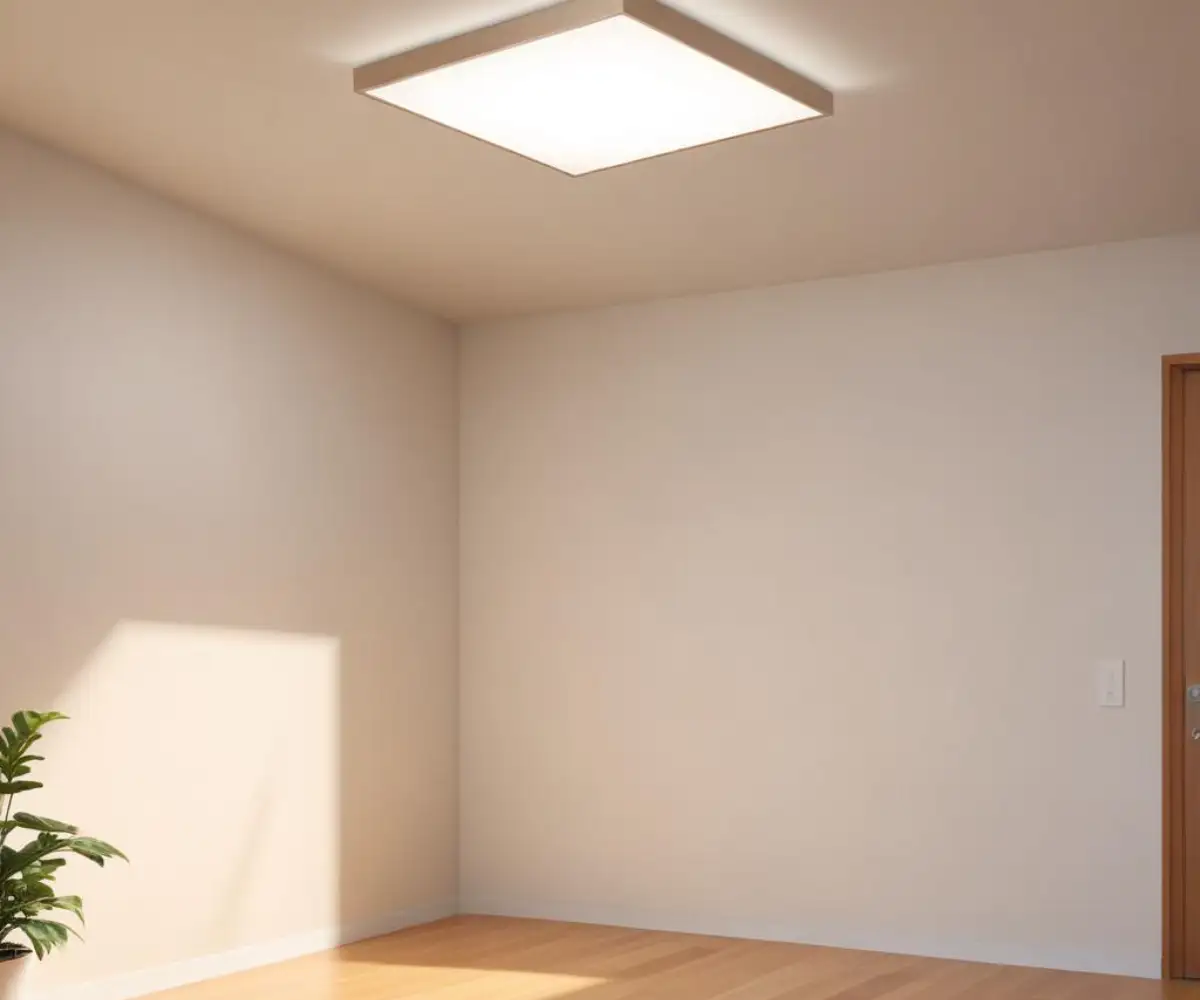
Option 3: Full Fixture Replacement (The Ultimate Upgrade)
If your existing housing is damaged, incompatible with modern kits, or you want to completely change the lighting setup, a full fixture replacement is the best choice. This involves removing the old housing entirely and installing a new one.
This path is more involved and may require some drywall work and more extensive wiring. However, it gives you the ultimate freedom to choose any style of modern square recessed light, including ultra-thin “canless” wafer lights that offer a minimalist look.
Step-by-Step Guide: Installing a Square LED Retrofit Kit
Ready to tackle the most popular upgrade? Installing a square LED retrofit kit is a satisfying project that can transform a room in an afternoon. Follow these steps for a professional-looking result.
- Turn Off the Power: This is the most important step. Go to your home’s breaker box and shut off the power to the circuit you’ll be working on. Use a voltage tester to confirm there is no power at the light fixture.
- Remove the Old Bulb and Trim: Carefully unscrew the old light bulb. Then, gently pull down the old trim. It’s likely held in place by tension springs or clips; squeeze these together to release the trim from the housing.
- Install the Socket Adapter: Your retrofit kit will include an adapter that looks like the base of a lightbulb. Screw this adapter firmly into the existing socket inside the housing.
- Connect the New Fixture: The new LED fixture will have a wire connector that plugs directly into the pigtail from the socket adapter. Click the two ends together securely.
- Secure the New Fixture: Squeeze the retention clips or torsion springs on the sides of the new LED fixture. Carefully guide the fixture up into the housing, inserting the clips into the corresponding brackets inside the can.
- Push Until Flush: Gently push the fixture upwards until the trim is sitting completely flush against the ceiling. The tension from the clips will hold it securely in place.
- Restore Power and Test: Go back to the breaker box and turn the power back on. Flip the light switch to test your new, modern square light and enjoy the brilliant results!
The “Round Peg in a Square Hole” Dilemma: Can You Switch Shapes?
What if you’re tired of the square look altogether and want to switch to more common round lights? This is a frequent question, and the answer is yes, but it requires a bit more planning. The primary challenge is covering the square hole left behind.
A standard round fixture will not cover the corners of the old square opening. This leaves you with two main solutions to bridge the gap between shapes.
Using Goof Rings and Adapter Plates
Specialty adapter plates, often called “goof rings,” are designed to cover oversized or oddly shaped holes. You can find square-to-round conversion trims that have a square base large enough to cover the old opening, with a round aperture for a new light.
This is the simplest way to switch shapes without involving drywall repair. For those considering a standard round fixture, exploring options for a 4.5 inch recessed light retrofit can provide valuable insights into the process for common sizes.
Drywall Patching: When It’s Worth the Effort
For the cleanest and most professional look, patching the drywall is the superior method. This involves removing the old square housing, cutting a piece of drywall to patch the old hole, mudding, and sanding it smooth.
Once the ceiling is patched and painted, you have a blank slate to cut a new, perfectly sized round hole for any modern recessed light you choose. While more labor-intensive, this approach offers the most design flexibility.
| Upgrade Method | Average Cost (Per Light) | Difficulty Level | Time to Complete |
|---|---|---|---|
| LED Bulb Swap | $10 – $20 | Beginner | 5 Minutes |
| LED Retrofit Kit | $25 – $50 | DIY Friendly | 15-20 Minutes |
| Full Fixture Replacement | $50 – $150+ | Intermediate | 1-2 Hours (plus patching time) |
Pro Tips for a Flawless Finish
To truly elevate your lighting project, pay attention to the details. Modern lighting is about more than just brightness; it’s about creating the right atmosphere. The color temperature and dimming capabilities are key components of a professional lighting design.
These final touches will ensure your new lights are not only functional but also perfectly suited to the room’s purpose, whether it’s a bright and focused workspace or a cozy, relaxing living area.
Choosing the Right Color Temperature (CCT)
Modern LED fixtures offer a range of color temperatures, measured in Kelvin (K). For a cozy, warm light similar to traditional bulbs, choose 2700K. For a neutral, bright white that’s great for kitchens and workspaces, 3000K to 4000K is ideal.
Many retrofit kits now come with a selectable CCT switch, allowing you to choose the perfect color temperature during installation. Getting this right is especially important in functional areas; for instance, the right lighting is critical when planning for recessed lights over a vanity to ensure accurate color rendering.
Don’t Forget the Dimmer Switch!
To get the most out of your new LED lights, install a compatible LED dimmer switch. Not all old dimmer switches work correctly with modern LEDs and can cause flickering or buzzing.
Upgrading the switch allows you to control the brightness, save even more energy, and set the perfect mood for any occasion. This simple addition makes a world of difference in the functionality of your new lighting.
Final Thoughts: A Bright Idea for Your Home
Replacing old square recessed lights is one of the most impactful and cost-effective upgrades you can make to your home. It instantly modernizes your space, improves the quality of your light, and significantly reduces your energy consumption.
With options ranging from simple bulb swaps to full retrofits, there is a solution for every skill level and budget. Don’t let outdated fixtures hold your home’s style back—it’s time to step into a brighter, more beautiful future.
