
Range Hood Duct Through Cabinet: A Pro’s Guide to Hiding Your Vent
A high-performance range hood is the unsung hero of a clean, fresh-smelling kitchen. But figuring out how to vent it—especially when pristine cabinets are in the way—can feel like a major roadblock. Running a range hood duct through a cabinet is often the most direct and efficient path, but one wrong cut can ruin expensive cabinetry and cripple your ventilation. It’s a project that demands precision.
Getting this installation right from the start prevents a cascade of future problems, from poor air quality and grease buildup to annoying vibrations and lost cabinet space. This comprehensive guide provides a clear, step-by-step roadmap to flawlessly route your ductwork, protecting your investment and ensuring your kitchen ventilation works perfectly.
You'll Learn About
Why Venting Through a Cabinet is a Smart Choice
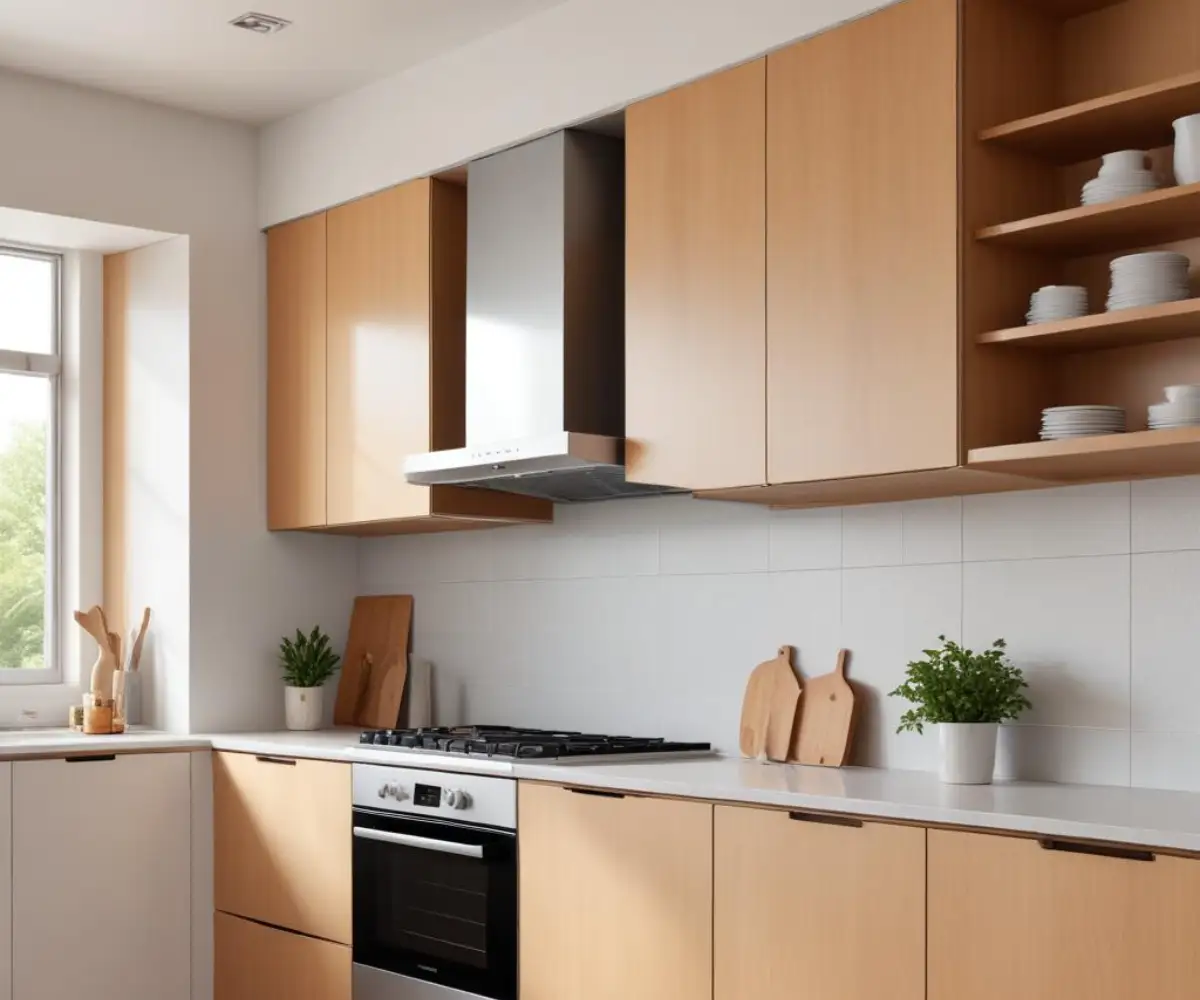
In many kitchen layouts, routing a duct through an upper cabinet is unavoidable. For under-cabinet and some wall-mount range hoods, the most efficient path for the duct is straight up. This vertical route leads into the cabinet above, then continues through the ceiling to vent outside.
While it might seem complex, this method is often superior to creating multiple bends to go around cabinetry. A straight, short duct run maintains the best possible airflow, ensuring your range hood operates at its peak CFM (Cubic Feet per Minute) rating. A direct path means less resistance, better smoke and odor removal, and a quieter fan motor.
Understanding the Core Problem: Airflow vs. Aesthetics
The central challenge is balancing mechanical function with kitchen design. You need a large, straight duct for optimal performance, but you also want to preserve the clean lines and storage space of your cabinetry. Poor planning can result in awkward, visible ductwork, wasted space, and noisy operation.
The key is to conceal the ductwork within the cabinet in a way that is both effective and visually seamless. This involves careful measurement, precise cutting, and smart finishing techniques to hide the mechanics without compromising function.
Planning Your Installation: The Ultimate Pre-Work Checklist
Success lies in the details. Before you pick up a single tool, a thorough plan will save you from costly mistakes and frustration. Taking the time to prepare ensures every cut is perfect and every component fits as it should.
Measure Twice, Cut Once: The Golden Rule
Accuracy is non-negotiable. Start by measuring the exact location of the range hood’s exhaust port. Transfer these measurements to the underside of the cabinet directly above it. You will also need to mark a corresponding hole on the top panel of the cabinet (or the back panel if venting horizontally).
Crucial measurements include:
- The diameter of the duct specified by your range hood manufacturer (typically 6 to 8 inches).
- The interior height, width, and depth of the cabinet.
- The exact center point for the duct path to ensure it is straight.
Choosing the Right Ducting Material
The type of duct you choose directly impacts performance and safety. Always use rigid metal ducting made of galvanized steel or aluminum. It has a smooth interior surface that minimizes air resistance and is far more durable and fire-resistant than other options.
Avoid flexible or accordion-style ducts. Their ridged interior creates turbulence, which significantly reduces airflow, increases noise, and can trap grease—creating a potential fire hazard. For installations requiring bends, use smooth, 90-degree metal elbows instead of flexible ducting. For more guidance on ducting choices, our ultimate guide to semi-rigid ducting provides in-depth comparisons.
Gathering Your Tools and Materials
Having everything on hand before you begin makes the process smooth and efficient. You will need:
- Safety Gear: Safety glasses, gloves, and a dust mask.
- Measuring Tools: Tape measure, level, and a pencil or marker.
- Cutting Tools: A jigsaw with a fine-tooth blade is ideal for making clean cuts in cabinets. A hole saw of the correct diameter can also work for perfectly round cuts.
- Drill: With various bits for pilot holes and mounting screws.
- Ducting and Sealing: Rigid metal duct of the correct diameter, metal elbows (if needed), and aluminum foil tape for sealing all joints. Do not use standard duct tape, as its adhesive will fail under temperature changes.
- Exterior Vent Cap: With a backdraft damper to prevent outside air from entering.
The Step-by-Step Guide to a Flawless Installation
With your plan in place and tools at the ready, you can confidently begin the installation. Work methodically and double-check your alignment at each stage for professional-quality results.
Step 1: Mark Your Cutouts with Precision
Using the measurements from your range hood’s exhaust outlet, carefully mark the center point on the bottom panel of the cabinet. Use a compass or the duct itself to trace the exact circle you need to cut. Repeat this process for the top panel, ensuring the top and bottom center points are perfectly aligned vertically using a plumb bob or level.
Step 2: Cutting the Cabinet Holes
This is the most critical step. Start by drilling a pilot hole just inside the marked circle. This gives you a starting point for your jigsaw blade. Carefully and slowly guide the jigsaw along your marked line, letting the tool do the work without forcing it.
A steady hand is key to a clean cut. For an even cleaner finish, apply painter’s tape over the cutline before you start to reduce splintering. Once the holes are cut, sand any rough edges smooth.
Step 3: Installing and Sealing the Ductwork
With the holes prepared, it’s time to run the duct. Feed the rigid duct section through the top and bottom holes of the cabinet. Connect it securely to the range hood’s exhaust collar below. If your duct run continues into the ceiling, connect that section now.
Every joint and seam must be airtight. Wrap each connection point—where duct sections meet each other, the hood, or an elbow—with aluminum foil tape. This prevents grease-laden air from leaking into your cabinets or wall cavities, which is a major fire and air quality hazard.
Step 4: Making the Final Connections
Connect the top of the duct to the exterior vent cap. Ensure the vent cap’s backdraft damper opens and closes freely. Finally, mount the range hood securely to the underside of the cabinet or the wall, following the manufacturer’s instructions. Once everything is connected, briefly turn on the power to test the fan and ensure there are no audible air leaks or excessive vibrations.
Common Mistakes and Pro Solutions
Even with a good plan, pitfalls exist. Knowing what to watch for can save you from common installation headaches. A poorly executed installation can lead to reduced performance, annoying noises, and even safety risks.
Below is a table outlining the most frequent issues encountered when running a range hood duct through a cabinet and the expert solutions to prevent or fix them. Addressing these points ensures your ventilation system is not only functional but also quiet, efficient, and safe for the long term.
| Common Mistake | The Problem It Creates | How to Avoid or Fix It |
|---|---|---|
| Using Flexible or Undersized Ducting | Reduces airflow (CFM), increases noise, and creates a fire hazard by trapping grease. | Solution: Always use smooth, rigid metal ducting that matches the diameter of the hood’s exhaust outlet. Never reduce the duct size along the run. |
| Not Sealing Duct Joints | Grease-laden air leaks into cabinets and wall cavities, causing odors, potential mold growth, and a hidden fire risk. | Solution: Seal every connection point—duct-to-duct, duct-to-hood, and duct-to-vent-cap—with aluminum foil HVAC tape. Do not use cloth duct tape. |
| Making Too Many Bends (Elbows) | Each 90-degree bend adds significant air resistance, drastically reducing the hood’s effectiveness and making the fan work harder and louder. | Solution: Plan the straightest, shortest route possible. If bends are unavoidable, use no more than two 90-degree elbows and use wide, sweeping elbows instead of sharp ones. |
| Improper Cabinet Support for the Hood | The range hood can vibrate or sag over time if not securely mounted, creating noise and a potential safety hazard. | Solution: Mount the hood directly to wall studs or add solid wood blocking inside the cabinet for secure attachment points. Do not rely on just the cabinet’s bottom panel. |
| Vibrations and Rattling Noises | The duct can vibrate against the inside of the cabinet, creating a constant, annoying rattling sound when the fan is on. | Solution: Ensure the cutouts are slightly larger than the duct to avoid direct contact. You can also wrap the duct with foam insulation or use rubber gaskets where it passes through the wood to dampen vibrations. |
Hiding the Ductwork: Finishing for a Seamless Look
Once the duct is installed, the final step is to conceal it for a clean, professional finish. This ensures you regain usable storage space and maintain your kitchen’s aesthetic appeal.
Building a Soffit or Duct Cover
The most common method is to build a three-sided box or soffit around the duct inside the cabinet. This can be constructed from thin plywood or material that matches your cabinet interior. This neatly hides the ductwork while leaving storage space in front of it.
This approach is especially effective for taller cabinets where the duct runs the full height. For a high-end look, consider a custom cabinet solution that integrates this chase from the start.
Choosing a Hood with a Chimney Cover
Some range hoods are designed with aesthetics in mind. Wall-mount models often come with a decorative chimney or flue cover that extends from the hood to the ceiling. Many top brands, as highlighted in various Elica range hood reviews, offer elegant designs that make the ductwork a feature rather than something to hide. Alternatively, a flush ceiling mount range hood can eliminate the need for visible ducting altogether, offering a minimalist solution for modern kitchens.
Advanced Considerations for the Savvy Homeowner
For those aiming for perfection, a few extra details can elevate your installation from good to great. These considerations address subtle issues like noise, airflow efficiency, and long-term safety.
Mitigating Noise and Vibration
A common complaint with powerful range hoods is operational noise. While some noise is from the fan motor, much of it comes from air turbulence and duct vibration. To minimize this, ensure the duct is securely fastened and doesn’t touch the cabinet walls. Wrapping the duct in insulation can further dampen sound and prevent rattling.
Ensuring Code Compliance and Fire Safety
Proper ventilation is a matter of safety. Always use metal ductwork, as required by most building codes, because plastic ducting is a serious fire hazard. Ensure your exterior vent termination is away from windows, doors, and air intakes. Local codes may also require make-up air systems for high-CFM hoods to prevent back-drafting of combustion appliances.
Conclusion: A Project Worth Doing Right
Running a range hood duct through a cabinet is a project that bridges the gap between rough construction and finish carpentry. It requires careful planning and precise execution, but the rewards are significant: a healthier kitchen environment, a longer-lasting appliance, and a clean, integrated look. By following these steps and paying close attention to detail, you can achieve a professional-grade installation that is both highly effective and beautifully concealed.
