Cost to Convert Electric Water Heater to Gas: The Ultimate Guide
Are you tired of shockingly high electric bills every month? Do you find yourself running out of hot water halfway through a shower? These are common frustrations for homeowners with electric water heaters, and the thought of switching to natural gas can be very appealing.
A gas water heater often promises lower monthly operating costs and faster water heating. But making the switch isn’t a simple swap. It’s a significant home upgrade with a complex price tag that goes far beyond the cost of the new unit itself.
This comprehensive guide breaks down every expense, from the obvious to the hidden, to help you determine the true cost to convert your electric water heater to gas in 2025 and decide if it’s the right financial move for your home.
You'll Learn About
Why Even Consider Switching to a Gas Water Heater?
The primary motivation for most homeowners is the potential for long-term savings. Natural gas is often cheaper than electricity, which can lead to noticeably lower utility bills month after month. This is especially true for larger families with high hot water demands.
Beyond cost, gas water heaters offer superior performance in a few key areas. They have a much faster recovery rate, meaning they can heat a new tank of cold water much quicker than an electric model. Plus, traditional gas tank heaters can operate during a power outage, ensuring you still have hot water when the lights go out.
Weighing the Pros and Cons of Conversion
Before diving into costs, it’s crucial to understand the trade-offs. While gas offers lower operating costs and faster heating, electric water heaters have their own advantages. They are typically cheaper to purchase and install initially, require no venting, and can be placed almost anywhere in the home.
The decision to convert involves balancing the higher upfront investment for a gas system against the potential for long-term savings and performance benefits. It’s a calculation that depends heavily on your local utility rates, household size, and budget.
The Real Cost Breakdown: More Than Just the Heater
The biggest mistake homeowners make is underestimating the total project cost. The price of the new gas water heater is only one piece of the puzzle. The most significant expenses often come from installing the necessary infrastructure that gas appliances require.
A complete conversion involves plumbing, gas fitting, and potentially drilling through your home’s walls or roof. This is not a DIY project. The risks of gas leaks, carbon monoxide poisoning, and improper venting are severe, making it essential to hire licensed and insured professionals.
1. The New Gas Water Heater Unit
Your first choice is between a traditional storage tank heater and a modern tankless model. A standard 40 or 50-gallon tank heater is the most affordable option upfront. Expect to pay between $500 and $1,500 for the unit itself, depending on the brand, size, and warranty.
A tankless water heater, which heats water on demand, is more expensive, typically ranging from $1,000 to $3,000 for the unit. However, they are more energy-efficient and provide an endless supply of hot water, which can be a major lifestyle upgrade.
2. The Gas Line: A Major Cost Factor
This is often the largest and most variable expense. If you don’t have a gas pipe near your water heater’s location, a plumber must run a new line from your gas meter or an existing main line. The cost for this work can range from $12 to $25 per linear foot.
The final price depends on the distance, the complexity of the route, and the type of pipe used. A short, simple run might cost a few hundred dollars, while a long, complicated one that requires drilling through concrete could easily exceed $1,000.
3. Venting: A Critical Safety Requirement
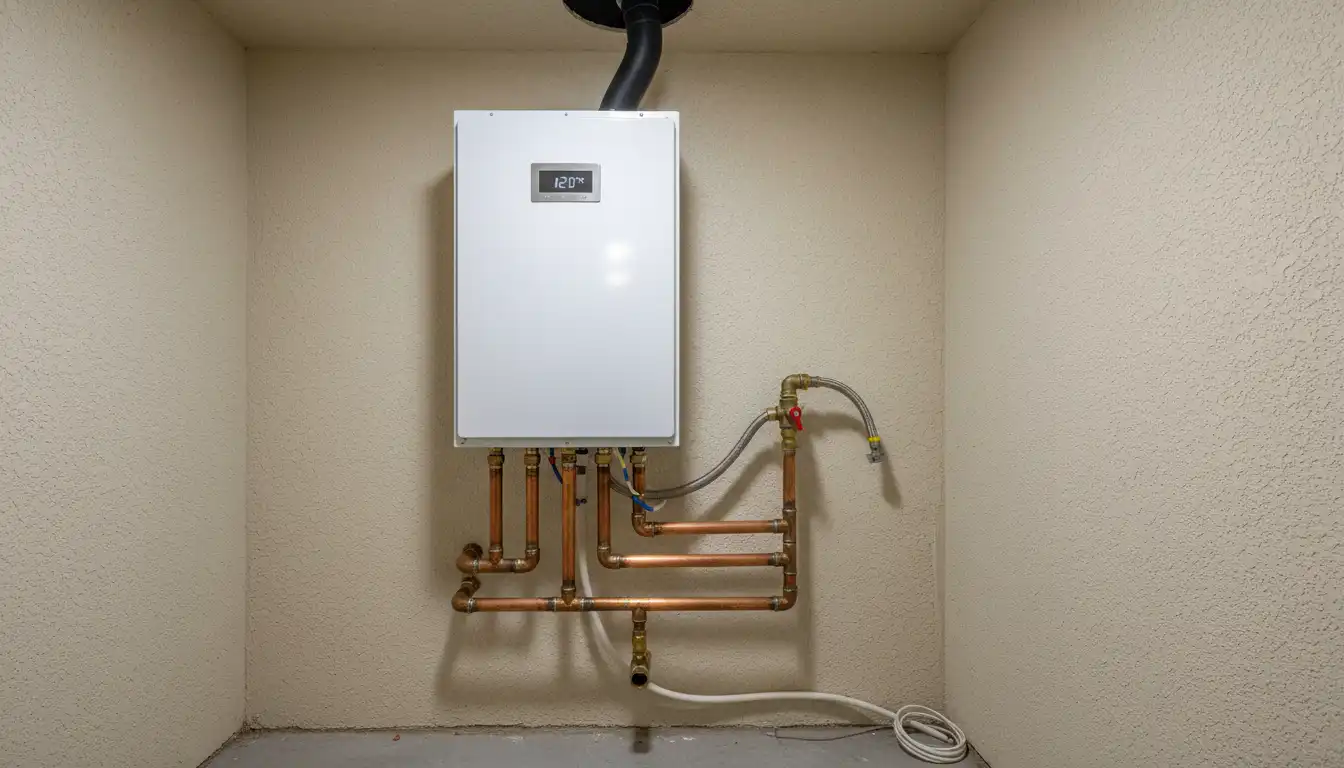
Unlike electric heaters, all gas water heaters produce exhaust fumes that must be safely vented outside. This is a non-negotiable safety requirement to prevent carbon monoxide buildup in your home. The cost and complexity of venting depend on the type of heater you choose.
Standard atmospheric vent heaters are the cheapest but require a vertical chimney. Power-vent and direct-vent models offer more flexibility, allowing for venting through a side wall, but the units and installation are more expensive. Expect to pay between $300 and $1,000 for venting installation, depending on the materials and labor involved.
4. Labor and Professional Installation
Labor costs for a licensed plumber typically range from $45 to $200 per hour. A full conversion project can take anywhere from 4 to 10 hours, depending on the complexity of the gas line and venting work. This puts the total labor cost in the range of $400 to $2,000 or more.
This work includes removing and disposing of your old electric heater, making all the necessary water and gas connections, installing the vent system, and ensuring everything is up to local building codes.
5. Permits, Inspections, and Miscellaneous Fees
Most municipalities require a permit for this type of work, which can cost between $50 and $300. This permit ensures that the installation is inspected by a local authority to verify it meets all safety standards. You may also encounter smaller costs for materials like pipes, fittings, and valves, as well as a disposal fee for your old unit.
Summary of Conversion Costs Table
To provide a clearer picture, the table below summarizes the potential costs associated with converting from an electric to a gas water heater. Keep in mind that these are average ranges, and your actual costs may vary.
| Expense Item | Average Cost Range (2025) | Key Considerations |
|---|---|---|
| New Gas Water Heater (Tank) | $500 – $1,500 | Price varies by brand, capacity (gallons), and warranty length. |
| New Gas Water Heater (Tankless) | $1,000 – $3,000 | Higher upfront cost for on-demand hot water and greater efficiency. |
| Gas Line Installation | $350 – $1,500+ | Highly dependent on the distance from the gas meter and job complexity. |
| Venting System Installation | $300 – $1,000 | Cost depends on vent type (atmospheric, power-vent) and materials. |
| Plumbing & Installation Labor | $400 – $2,000 | Based on hourly rates and the total time required for the conversion. |
| Permits & Inspection Fees | $50 – $300 | Required by most local authorities to ensure safety and code compliance. |
| Old Unit Removal & Disposal | $50 – $200 | Fee charged by the installer to haul away the old electric water heater. |
| Total Estimated Cost | $1,650 – $9,500+ | The total investment can vary widely based on project specifics. |
Is the High Upfront Cost Worth the Long-Term Savings?
With a potential total cost reaching several thousand dollars, you need to calculate your return on investment. The key is to compare your current electricity costs for water heating with the projected cost of using natural gas. Over an eight-year period, a gas heater can be significantly cheaper to operate than an electric one.
To find your payback period, first determine your annual savings by subtracting the projected annual gas cost from your current annual electric cost for water heating. Then, divide the total conversion cost by your annual savings. This will tell you how many years it will take for the project to pay for itself.
The Hidden Value: Future-Proofing Your Home
Beyond the immediate cost savings, installing a new gas line adds significant long-term value to your property. This infrastructure opens the door to other desirable gas appliances, which many homebuyers prefer. Suddenly, a gas stove, furnace, clothes dryer, or even an outdoor fire pit becomes a much easier and cheaper addition.
This flexibility is a major selling point. You could even convert your patio heater to natural gas, eliminating the need for propane tanks. Upgrading your home’s mechanical systems, especially with efficient and modern appliances, signals to buyers that the property is well-maintained and can lead to a higher resale value and faster sale time.
DIY vs. Hiring a Professional: A Crucial Warning
The temptation to save money by doing some of the work yourself can be strong, but this is one project where you must hire a professional. Working with gas lines is inherently dangerous. An improper connection can lead to silent, deadly gas leaks or even an explosion.
This is a major installation, not a simple component swap like fixing a broken thermal release valve. The safety of your family and your home is paramount. Always use a licensed and insured plumber for any project involving natural gas.
Final Verdict: Should You Make the Switch?
Converting from an electric to a gas water heater is a substantial investment, with total costs ranging from under $2,000 to nearly $10,000 in complex cases. The decision hinges on a careful evaluation of your specific situation. If natural gas is significantly cheaper than electricity in your area and you plan to stay in your home for many years, the conversion can be a financially sound decision that pays for itself over time.
The project’s complexity can differ greatly from a more extensive home renovation, such as converting a duplex into a single-family home, yet it requires just as much professional oversight. The added benefits of faster heating, reliability during power outages, and increased home value make a compelling case.
The most important step is to get multiple, detailed quotes from qualified local plumbers. Only then can you understand the true, all-in cost for your home and make an informed choice that will benefit your comfort and your wallet for years to come.