
Aged Marble Countertops: The Secret to Timeless Style
There is a fundamental conflict at the heart of every kitchen design involving marble. On one hand, its elegant veining and luxurious feel are timeless and highly desirable. On the other, the fear of the first wine spill or lemon juice etch on a pristine, polished surface causes endless anxiety.
This constant worry over scratches, stains, and dull spots can turn a dream kitchen into a source of stress. The solution lies not in avoiding marble, but in embracing its potential to evolve. Aged marble countertops offer the beauty of natural stone with a forgiving finish that celebrates character over sterile perfection.
You'll Learn About
What Exactly is an “Aged” Marble Finish?
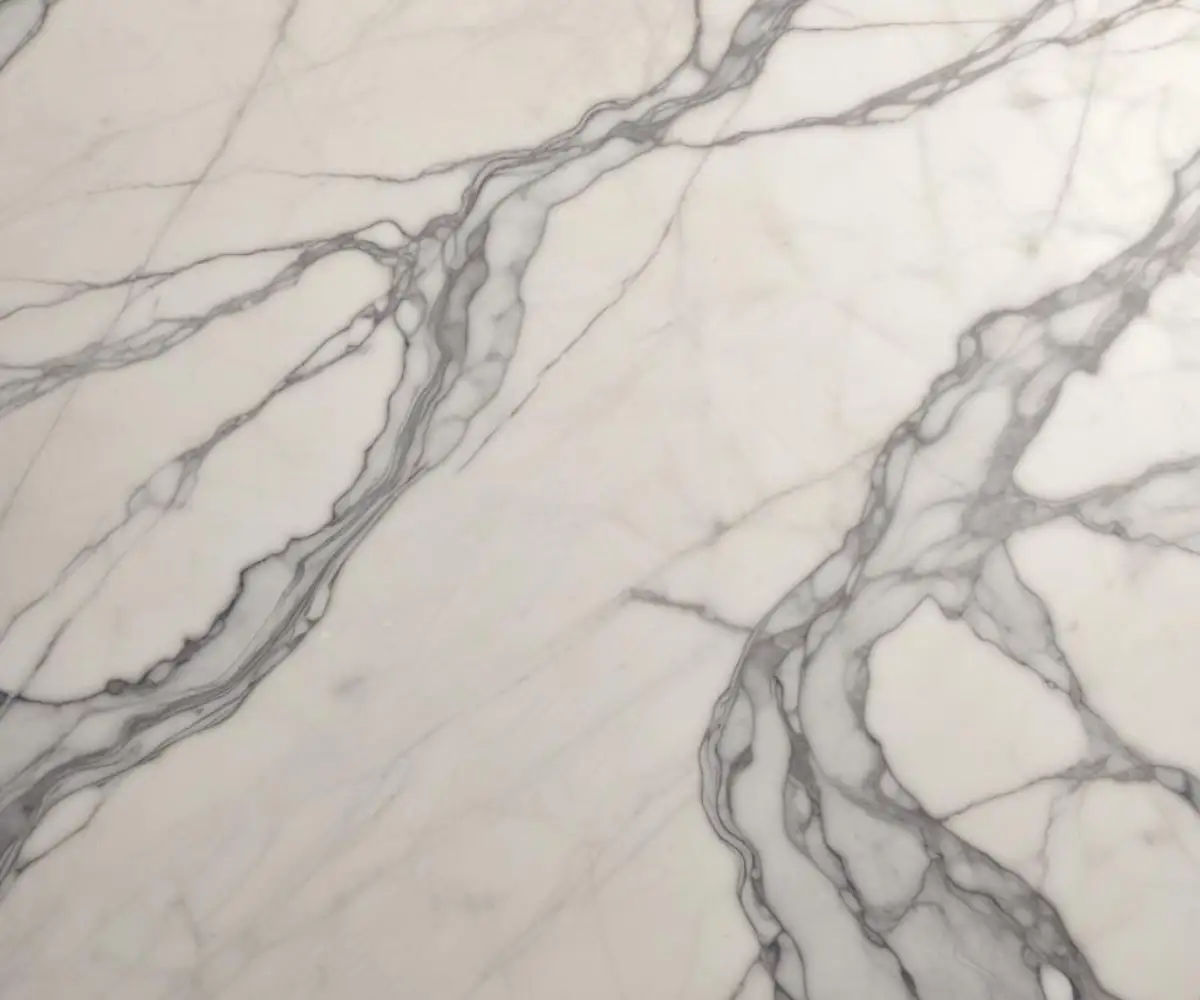
The term “aged” typically refers to marble that has a non-reflective, matte appearance. This is most commonly achieved through a process called honing, where the stone’s surface is sanded to a smooth, velvety finish. Unlike polished marble, which is buffed to a high gloss, honed marble has a soft, satin feel that diffuses light.
Other terms like “tumbled” or “leathered” describe more textured finishes. A tumbled finish is created by tumbling pieces of marble with abrasive materials for a rustic, worn look. A leathered finish has a subtle, pebbly texture that adds a unique tactile quality. For countertops, honing is the most popular method for achieving a practical and beautiful aged look.
The Problem with Polished Marble Perfection
Polished marble is undeniably stunning, reflecting light and making spaces feel brighter. However, that mirror-like surface is its greatest vulnerability. It acts as a perfect canvas to highlight every minor flaw that comes with daily life.
Acidic substances are the primary adversary. A splash of vinegar, a drop of tomato sauce, or a wedge of citrus can cause etching—a chemical reaction that dulls the surface of the marble. On a polished top, these dull spots are glaringly obvious. Scratches from daily use also stand out sharply against the glossy finish, creating a constant need for vigilance.
The Solution: Embracing the “Living Finish”
Aged marble countertops are the perfect antidote to the stress of polished surfaces. The matte finish of honed marble is exceptionally effective at concealing minor scratches and etching. Because the surface doesn’t have a high-gloss shine to disrupt, etches appear as subtle, shadowy marks rather than jarring dull spots.
This is often referred to as a “living finish”—a surface that is meant to change and develop a unique patina over time. It evolves with your home, telling the story of meals prepared and gatherings enjoyed. This approach transforms the countertop from a delicate object to be protected into an integral, evolving part of the home’s character.
How to Achieve the Aged Marble Look
There are two primary paths to getting aged marble countertops. The first and most straightforward is to select a honed or leathered slab directly from a stone supplier. Many popular marble varieties, such as Carrara, Calacatta, and Danby, are readily available in these finishes.
The second option is to have existing polished marble countertops professionally honed in place. A stone restoration expert will use diamond-impregnated pads and water to carefully grind down the polished layer, revealing a fresh, matte surface. This is not a DIY project; improper technique can permanently damage the stone.
Caring for Your Aged Marble Countertop
While an aged finish is more forgiving, it is not maintenance-free. Marble is naturally porous, meaning it can absorb liquids that cause stains. The key difference in care is the focus on preventing stains rather than hiding etches.
Sealing is the most critical step in protecting your investment. A high-quality impregnating sealer penetrates the stone to block liquids from seeping in. For guidance on selecting the right product and application, consulting a professional marble sealer is highly recommended. The sealer should be reapplied periodically, typically every 6-12 months, depending on use.
Daily Cleaning and Spill Management
Daily cleaning is simple. Use a soft cloth with a pH-neutral stone cleaner or a mild dish soap and water solution. Avoid all acidic cleaners, vinegar, and citrus-based products, as they will still etch the marble.
When spills happen, blot them up immediately with a soft cloth. Do not wipe, as this can spread the spill. Prompt cleanup is the best defense against staining, even on a well-sealed countertop.
Polished vs. Aged Marble: A Direct Comparison
Choosing between a polished and an aged finish depends on your lifestyle and aesthetic preferences. This table breaks down the key differences to help you make an informed decision.
| Feature | Polished Marble | Aged (Honed) Marble |
|---|---|---|
| Appearance | High-gloss, reflective, formal | Matte, soft sheen, understated |
| Etch Visibility | Very high; appears as dull spots | Very low; etches blend into the matte finish |
| Scratch Visibility | High; scratches disrupt the shiny surface | Low; less noticeable on a non-reflective surface |
| Stain Resistance | Slightly more resistant due to closed pores | More susceptible if not properly sealed |
| Maintenance Focus | Preventing etching and scratches | Preventing stains through sealing |
| Best For | Low-traffic areas, formal spaces | High-traffic kitchens, busy family homes |
Exploring Alternatives to Aged Marble
If the maintenance requirements of natural marble still seem daunting, there are excellent alternatives that capture a similar aesthetic with enhanced durability. Some materials offer the look without the worry associated with natural stone.
Quartzite is a natural stone that is significantly harder and less porous than marble. Varieties like Winter Storm Quartzite provide beautiful veining reminiscent of marble but with superior resistance to scratching and etching. For those not ready for a permanent installation, exploring different looks with temporary countertops can be a great way to test an aesthetic before committing.
The Financial Reality: Cost of Aged Finishes
The cost of aged marble can vary. Often, a honed finish is a standard option from the supplier and may not add to the material cost compared to polished. Some suppliers may charge a small premium of $10-$20 per square foot for honing.
If you are refinishing existing countertops, the cost for professional honing typically ranges from $10 to $35 per square foot. The final price depends on the size of the area and the complexity of the job.
Is Aged Marble the Right Choice for Your Home?
Ultimately, an aged marble countertop is for the homeowner who loves the inherent beauty of natural stone and appreciates character. It is for those who want a classic, elegant kitchen without the daily anxiety of maintaining a flawless, glossy surface.
If you are prepared for the simple, consistent maintenance of sealing and mindful cleaning, an aged marble countertop will reward you with a timeless surface that only grows more beautiful with age. It is a choice that prioritizes grace and character over unattainable perfection.
Frequently Asked Questions
What are aged marble countertops?
Aged marble countertops are finished to look like they have naturally worn over a long period. This process often involves mechanical or chemical treatments to create a rougher, less reflective, and more rustic texture than polished marble. The aim is to give new stone the character and appearance of a surface that has gracefully withstood the passage of time.
What are the pros and cons of aged marble?
The primary advantage of aged marble is its unique, timeless aesthetic that hides minor scratches and etching well due to its textured surface. However, like all marble, it is porous and susceptible to staining from spills, especially acidic ones like wine or lemon juice. It requires regular sealing and careful maintenance to protect the surface.
How do aged marble and honed marble differ?
While both finishes are matte and non-reflective, an aged finish has a more textured and rustic surface meant to replicate natural wear. A honed finish, on the other hand, is smooth and flat to the touch. Honed marble is less glossy than polished marble, but it does not have the intentionally uneven, weathered texture of aged marble.
How do you clean aged marble countertops?
Aged marble should be cleaned with gentle, pH-neutral soap and warm water using a soft cloth. It is crucial to avoid acidic or abrasive cleaners, such as those containing vinegar or lemon, as they can damage the stone. Spills should be wiped up immediately to prevent staining and etching.
Do aged marble countertops need to be sealed?
Yes, sealing is essential for aged marble countertops. Because marble is a porous natural stone, a sealer provides a protective barrier against stains and etching. It is generally recommended to reseal the countertops every 6 to 12 months, or as needed, to maintain their protection.
