
Worst Smelling Laundry Detergent? Why Your ‘Clean’ Clothes Stink
You pull a fresh load of laundry from the washing machine, expecting the satisfying scent of clean. Instead, you’re hit with a sour, musty, or just plain unpleasant odor. It’s a frustratingly common problem that leads many to blame their laundry detergent, sending them on a quest for a better-smelling alternative.
While some detergents are certainly less effective than others, the truth is often more complex. The “worst smelling laundry detergent” might not be a specific brand, but rather the result of a hidden problem within your washing machine or your laundry routine itself. Before you switch detergents again, it’s crucial to understand the real culprits behind those persistent bad smells.
You'll Learn About
The Real Reasons Your “Clean” Laundry Smells Awful
That lingering odor on your clothes is often a symptom of a deeper issue. Simply changing your soap won’t solve the problem if the root cause isn’t addressed. From invisible buildup in your machine to common laundry mistakes, let’s uncover what’s really making your laundry smell less than fresh.
The Hidden Enemy: Biofilm in Your Washing Machine
One of the most significant and overlooked causes of smelly laundry is biofilm. This slimy, resilient layer is a combination of bacteria, mold, soap scum, and fabric softener residue that builds up in the unseen parts of your washing machine. Areas like the drum, hoses, and rubber door seal are prime breeding grounds for these microorganisms.
Over time, this biofilm thrives in the dark, damp environment of your washer. During a wash cycle, odor-causing bacteria and mold spores are released from the biofilm and transferred directly onto your clothes. This is why garments can come out of the wash smelling musty or sour, even when you’ve used a high-quality detergent.
Detergent Dosing Dilemma: More Is Not Better
A common misconception is that using more detergent will result in cleaner, better-smelling clothes. In reality, the opposite is often true. Overdosing on detergent creates an excess of suds that the rinse cycle cannot completely wash away.
This leftover detergent residue clings to fabric fibers, creating a sticky film that traps dirt, body oils, and bacteria. This buildup not only causes odors but can also make fabrics feel stiff and dull. High-efficiency (HE) washers, which use less water, are particularly susceptible to this issue.
The Fabric Softener Trap
Fabric softeners work by coating fabric fibers with a thin, waxy, water-resistant layer to make them feel softer. While this can provide a pleasant scent initially, it can contribute to bad odors over time. This coating can lock in odor-causing bacteria and prevent water and detergent from fully penetrating the fibers for a deep clean.
This is especially problematic for athletic wear and towels, which are designed to be absorbent. A buildup of fabric softener can make them less effective and more prone to developing a persistent, musty smell. Many modern detergents with powerful enzymes can achieve softness without the need for additional softeners.
Decoding Detergents: What to Look For and What to Avoid
While your machine and habits are major factors, the detergent itself still plays a crucial role. The effectiveness of a detergent comes down to its formulation. Understanding the key ingredients can help you choose a product that cleans deeply and eliminates odors, rather than just masking them.
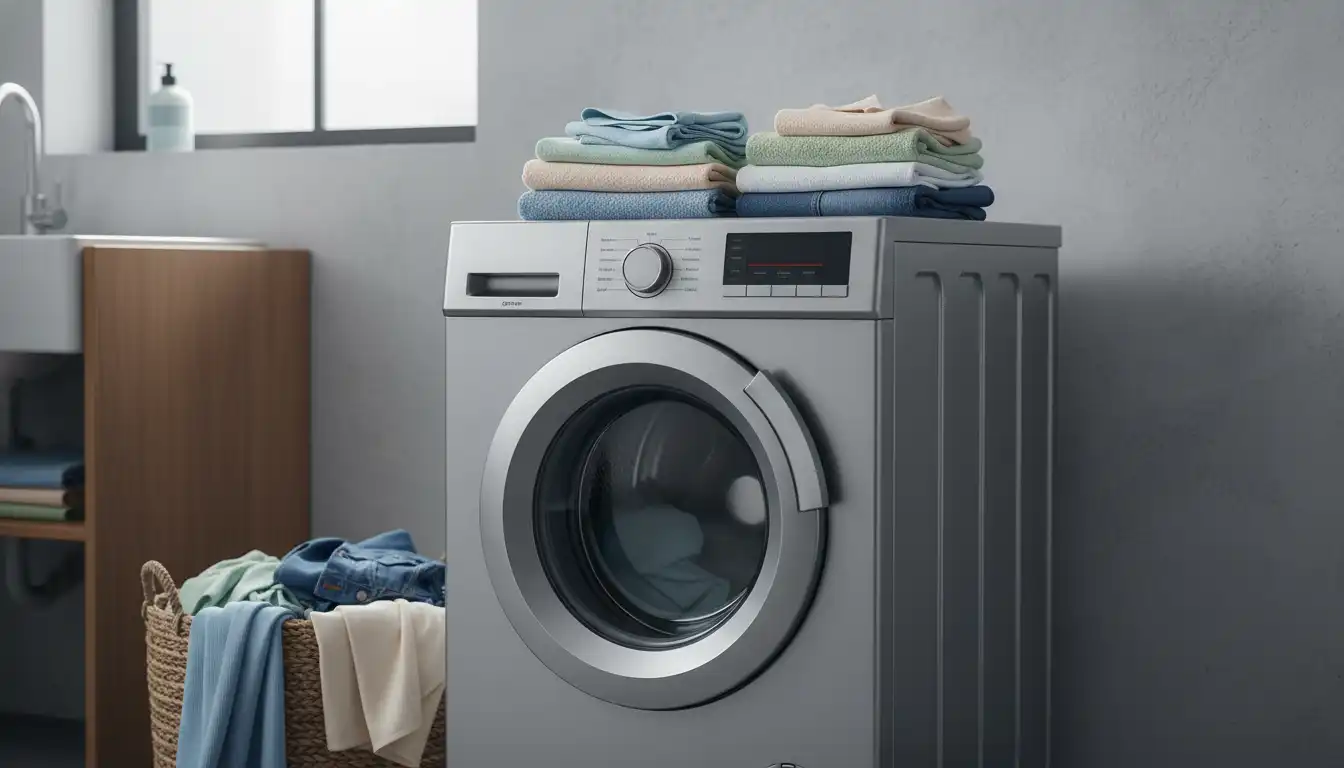
When Fragrance Masks, Not Cleans
Many detergents rely on heavy artificial fragrances to give the impression of cleanliness. However, these strong scents often just cover up underlying malodors without removing the source. For individuals sensitive to smells, these synthetic perfumes can be overwhelming and even trigger headaches or allergic reactions.
True cleanliness is about removing the source of the smell, not hiding it under a layer of perfume. A truly effective detergent will neutralize odors, leaving clothes smelling neutral or with a very light, fresh scent. Focusing on high-quality cleaning agents is more important than a powerful fragrance.
The Power of Enzymes and Surfactants
The real cleaning power in a detergent comes from its surfactants and enzymes. Surfactants work by lifting dirt and oils off fabrics so they can be washed away. Enzymes are proteins designed to break down specific types of stains and soils, such as protease for protein-based stains (like grass and blood) and amylase for starches.
Lower-quality detergents may contain fewer types of enzymes or less effective surfactants. This means they are less capable of breaking down the complex soils and body oils that feed odor-causing bacteria. Investing in a detergent with a robust, multi-enzyme formula is key to tackling tough odors at their source.
A Tale of Two Detergents: Quality vs. Quantity
Not all detergents are created equal. The difference between a premium formula and a budget option often lies in the concentration and quality of their active ingredients. Here is a breakdown of what separates an effective detergent from one that might leave your clothes smelling worse.
| Feature | High-Quality Detergent | Low-Quality Detergent |
|---|---|---|
| Enzymes | Contains multiple, specific enzymes (protease, amylase, lipase) to break down a wide range of soils and body oils. | May contain few or no enzymes, relying primarily on basic surfactants. |
| Surfactants | Uses a blend of effective, often plant-based, surfactants that lift dirt without leaving heavy residue. | Relies on cheaper, harsh surfactants that can build up on fabrics. |
| Fragrance | Uses light, often naturally derived scents or is available in fragrance-free options. Focuses on odor elimination. | Often contains heavy, synthetic perfumes designed to mask odors rather than remove them. |
| Fillers | Contains minimal, purposeful fillers. Concentrated formulas require smaller doses. | May contain a higher percentage of inactive fillers, requiring larger doses for less effective cleaning. |
Your Ultimate Action Plan for Fresh, Odor-Free Laundry
Achieving truly clean and fresh-smelling laundry requires a holistic approach. It’s about creating a system where your washing machine, your detergent, and your habits work together in harmony. Follow these steps to eliminate odors for good and transform your laundry experience.
Step 1: Deep Clean Your Washing Machine
Before you wash another load, you must eliminate the source of the problem: the biofilm in your machine. Run an empty cleaning cycle on the hottest setting. Use a commercial washing machine cleaner or two cups of white vinegar added directly to the drum.
For front-loading machines, pay special attention to the rubber door gasket. Gently pull it back and wipe away any grime or mildew with a cloth dampened with vinegar or a mild bleach solution. Finally, clean the detergent dispenser drawer to remove any caked-on residue.
Step 2: Master Your Detergent Usage
Switch to a high-quality, enzyme-based detergent and commit to using the correct amount. Read the label and measure according to your load size and soil level—never pour directly from the bottle. For high-efficiency machines, it’s crucial to use a detergent specifically labeled “HE.”
For an extra deodorizing boost, especially for towels or workout clothes, add half a cup of baking soda or a scoop of an oxygen-based booster to the drum along with your detergent. These additives help neutralize pH and break down odors.
Step 3: Overhaul Your Laundry Routine
Small changes in your daily habits can make a huge difference. The most important rule is to transfer wet clothes to the dryer immediately after the wash cycle finishes. A damp, warm washing machine is the perfect environment for mildew and bacteria to grow on your clean clothes.
Avoid overloading the machine, as this prevents proper water circulation and rinsing. Lastly, leave the washer door ajar between uses to allow the drum to air out and dry completely, preventing moisture buildup. Maintaining your home appliances is crucial for a smoothly running household; just as you wouldn’t ignore a serious issue like an overflowing aerator tank, you shouldn’t neglect the signs that your washing machine needs attention.
Advanced Techniques for Stubborn Odors
Sometimes, even with a clean machine and a good routine, certain items retain a stubborn smell. This is common with synthetic workout clothes that trap body oils or towels that have developed a persistent musty odor. For these tough cases, you may need to employ more intensive cleaning methods.
The Reset Button: Laundry Stripping
Laundry stripping is a deep-soaking process designed to remove stubborn, built-up residue from fabrics. It is particularly effective for towels that have lost absorbency or workout clothes that still smell after washing. To strip your laundry, fill a bathtub or large basin with hot water.
Add a mixture of approximately ¼ cup of borax, ¼ cup of washing soda, and a full scoop of powdered laundry detergent. Submerge your clean laundry in the solution and let it soak for four to six hours, stirring occasionally. You will likely be surprised by how much residue is released into the water. After soaking, run the items through a final rinse-only cycle in your washing machine.
Choosing Wisely for a Better Home
Making smart, informed choices is at the heart of good home maintenance. This principle applies whether you are selecting a laundry detergent or undertaking a major renovation. For example, when upgrading fixtures, many people carefully compare their options, such as in a detailed Kraus vs. Kohler analysis, to ensure they get the best performance and value.
Applying this same diligence to your laundry products and routines will yield far better results. A well-maintained home environment contributes to overall well-being. Solving persistent issues, whether it’s musty laundry or a laminate floor that won’t lay flat, enhances your living space and reduces daily frustrations.
From Smelly to Sensational: Your Path to Freshness
The quest to eliminate bad laundry odors often begins with blaming the detergent, but the solution is rarely found in just switching brands. The “worst smelling laundry detergent” is often a symptom of a larger system failure involving your washing machine’s cleanliness, your detergent dosage, and your daily habits.
By deep cleaning your machine to remove biofilm, using the correct amount of a high-quality enzyme detergent, and adopting better laundry practices, you can break the cycle of smelly clothes. You can finally achieve the consistent, genuine freshness that signals a truly deep clean.
