
Why That First 5-Hour Oil Change Is The Most Critical Thing You’ll Ever Do For Your Engine
You’ve just brought home a brand-new lawnmower, snow blower, or generator. The excitement of fresh, powerful equipment is undeniable. You’ve read the manual, filled it with gas, and you’re ready to tackle your yard work. But there’s one small, often-overlooked instruction that can mean the difference between an engine that lasts for years and one that fails prematurely: the first oil change after just 5 to 10 hours of use.
It might seem excessive, even wasteful. Why drain perfectly new oil so quickly? This single maintenance step is arguably the most important one in the entire life of your small engine. Skipping it is a gamble that can lead to irreversible damage, costing you far more in the long run than a bottle of oil.
You'll Learn About
The Problem: What’s Really Happening Inside Your New Engine
A common misconception is that a new engine is perfectly clean and ready for years of service. The reality is that the initial hours of operation are a violent but necessary “break-in” period. During this time, the internal components, such as the piston rings and cylinder walls, are seating themselves and creating a tight seal for optimal compression.
This process, while essential, generates a significant amount of microscopic metal particles. These tiny, abrasive shavings are scraped from the cylinder walls and bearings as the parts wear against each other for the first time. This isn’t a sign of a defective engine; it’s a normal part of the manufacturing and break-in process. These metal fragments, along with any residual contaminants from the manufacturing process, are immediately mixed into the fresh oil.
If left to circulate, this contaminated oil acts like liquid sandpaper. It can cause premature wear on bearings, clog oil passages, and permanently damage critical engine surfaces. This initial wear can lead to reduced performance, increased oil consumption, and a significantly shorter lifespan for your equipment. The damage is cumulative and often not immediately noticeable, but it sets the stage for future engine failure.
Metal Shavings: The Unseen Threat
During the break-in period, the oil’s primary job shifts from just lubrication to also being a cleaning agent, capturing and suspending these harmful metal particles. However, the sheer volume of these initial contaminants can quickly overwhelm the oil. Continuing to run the engine with this abrasive slurry circulating within it is a recipe for disaster.
Many owners who skip this crucial first oil change later report issues like smoking engines, loss of power, and eventually, catastrophic failure. They often blame the manufacturer for a “faulty” product, when in reality, the root cause was neglecting this simple, yet vital, initial maintenance step. Don’t let this be you. An early oil change is your first and best line of defense against premature engine wear.
The Solution: A Proactive Approach to Engine Longevity
The solution is straightforward and cost-effective: perform that first oil change after the manufacturer-recommended break-in period, which is typically between 5 and 10 hours of operation. This simple act purges the engine of the harmful metallic debris and manufacturing residue, setting it up for a long and reliable service life.
Think of it as flushing out the system. You are removing the abrasive particles before they have a chance to inflict lasting damage. This ensures that the engine is lubricated with clean, fresh oil for the remainder of its operational life, allowing it to perform at its peak efficiency. Some small engines, like those on an Ariens Snow Blower 7524, are built to last, but proper maintenance is key.
Step-by-Step Guide to the First 5-Hour Oil Change
Changing the oil on a small engine is a relatively simple task that anyone can perform with a few basic tools. Always consult your owner’s manual for the specific procedure for your model, but here are the general steps:
- Gather Your Supplies: You will need the correct type and amount of new engine oil (as specified in your manual), a wrench to fit the drain plug, an oil drain pan, and some rags or paper towels.
- Warm Up the Engine: Run the engine for a few minutes to warm the oil. Warm oil drains more quickly and completely, taking more contaminants with it.
- Position the Equipment: Move your lawnmower, generator, or other equipment to a level surface.
- Drain the Old Oil: Place the drain pan under the oil drain plug. Carefully remove the plug with your wrench and allow all the old oil to drain out. You’ll likely notice a metallic sheen in the old oil, which is the metal particles from the break-in period.
- Replace the Drain Plug: Once the oil has completely drained, wipe the area clean and securely tighten the drain plug. Be careful not to overtighten it.
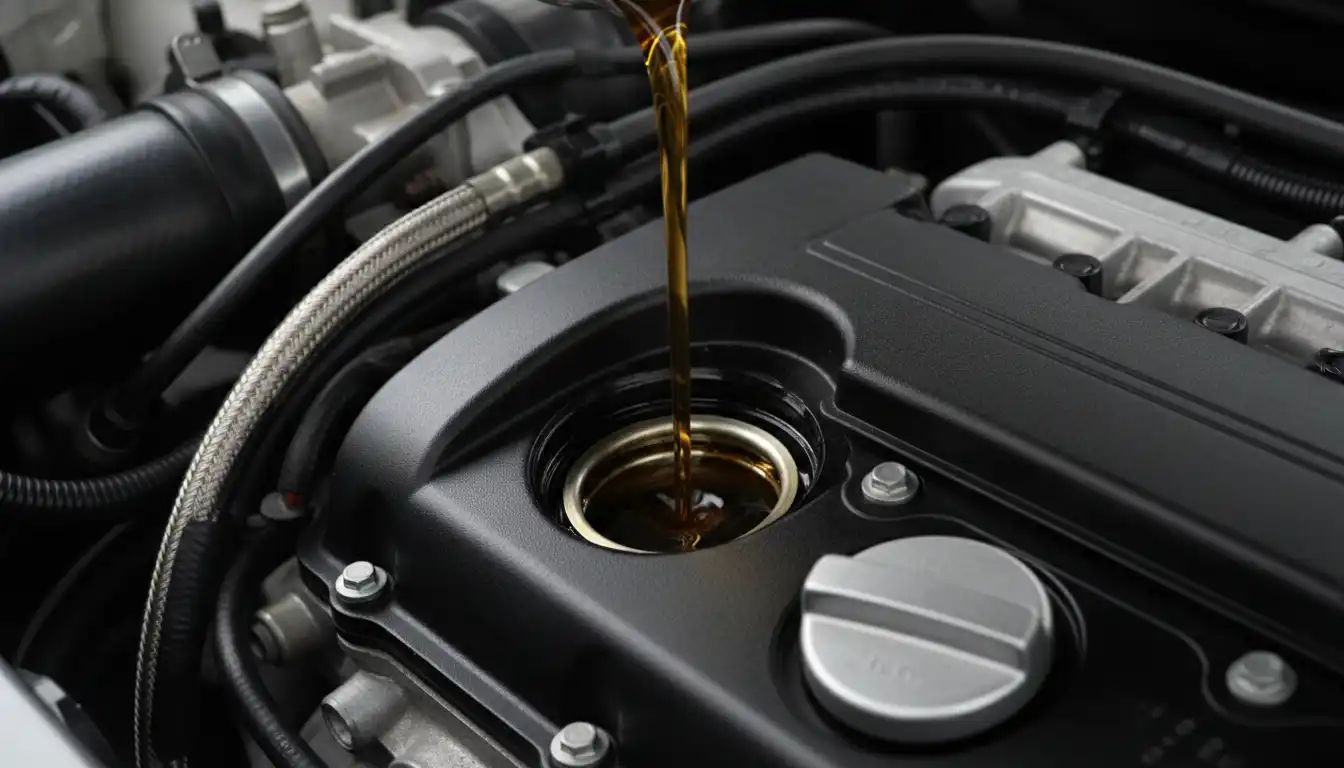
- Refill with New Oil: Remove the oil fill cap/dipstick and add the correct amount of new oil. Use a funnel to avoid spills. It’s important to know the correct oil capacity for your specific model to prevent overfilling or underfilling.
- Check the Oil Level: Insert the dipstick, remove it, and wipe it clean. Re-insert it fully and then remove it again to check the oil level. Add more oil if necessary to reach the “full” mark.
By following these steps, you are making a small investment of time and money that will pay significant dividends in the long-term health and performance of your engine. Knowing the correct specifications, such as the Ariens AX 414 oil capacity, is crucial for proper maintenance.
Beyond the First Change: Establishing a Healthy Maintenance Routine
While the first 5-hour oil change is the most critical, it’s also the first step in a lifetime of proper engine care. Adhering to a regular maintenance schedule will ensure your equipment remains reliable and powerful for years to come. Consistency is key.
Neglecting regular oil changes after the break-in period can lead to a host of problems. Old, broken-down oil loses its ability to lubricate effectively, leading to increased friction and heat. This can cause engine components to wear out prematurely, leading to costly repairs. Furthermore, dirty oil can turn into a thick sludge, clogging vital oil passages and starving parts of the engine of necessary lubrication. The result is often a seized engine, which is one of the most expensive repairs imaginable.
| Maintenance Interval | Task | Importance |
|---|---|---|
| After First 5-10 Hours | Change Engine Oil | Critical for removing break-in metal particles. |
| Every 25-50 Hours or Annually | Change Engine Oil | Maintains proper lubrication and removes contaminants. |
| Every 25 Hours or Annually | Clean/Replace Air Filter | Ensures proper airflow for efficient combustion. |
| Annually | Replace Spark Plug | Promotes reliable starting and efficient fuel burning. |
Long-Term Benefits of Proper Engine Break-In
The rewards for taking the time to perform the initial 5-hour oil change are significant. A properly broken-in and maintained engine will deliver years of reliable service, saving you from the frustration and expense of premature breakdowns and repairs. Here’s what you can expect:
- Increased Engine Lifespan: By removing harmful abrasives early on, you are setting the foundation for a long and trouble-free service life.
- Improved Performance: A clean, well-lubricated engine will run more smoothly and efficiently, delivering the power you need to get the job done.
- Reduced Long-Term Costs: The small cost of an early oil change is insignificant compared to the potential cost of major engine repairs or a full replacement.
- Peace of Mind: Knowing that you’ve taken the proper steps to care for your equipment provides confidence that it will be ready to perform when you need it most.
In conclusion, that first 5-hour oil change is not an optional suggestion; it is a fundamental requirement for ensuring the longevity and reliability of your small engine. It is a simple, proactive measure that protects your investment and prevents the avoidable heartache of a prematurely failed engine. Don’t skip this critical step – your engine will thank you for it.
Final Thoughts on Protecting Your Investment
Your home and garden equipment are valuable tools that make your life easier. Just as you would care for any other significant investment, taking the time for proper maintenance is essential. That first 5-hour oil change is the cornerstone of that care.
It’s a small task with a massive impact. By understanding the “why” behind this crucial step, you can move beyond simply following instructions and truly appreciate the importance of proactive engine maintenance. Make that first oil change a priority, and you’ll be rewarded with equipment that stands the test of time.
