
Troy-Bilt Storm 2410 Oil Capacity: The Mistake That Can Wreck Your Engine
That sinking feeling hits when you pull the dipstick and realize you have no idea how much oil your snow blower needs. Pouring in the wrong amount of oil in your Troy-Bilt Storm 2410 isn’t just a minor slip-up; it’s a critical error that can lead to catastrophic engine failure right when you need it most. Many owners face this exact problem, paralyzed by the fear of causing expensive, irreversible damage to their essential winter tool.
This guide cuts through the confusion. We will provide the precise oil capacity, the correct oil type, and a detailed, step-by-step process for checking and changing your oil. Following these instructions will ensure your Storm 2410 runs reliably all winter, protecting your investment and guaranteeing performance during the harshest storms.
You'll Learn About
Why Getting the Oil Level Right is Non-Negotiable
Engine oil is the lifeblood of your snow blower. It lubricates moving parts, reduces friction, and helps dissipate heat. Operating your Troy-Bilt Storm 2410 with the incorrect amount of oil is a direct path to serious mechanical problems that can sideline your machine permanently.
An engine that is low on oil will overheat rapidly. This lack of lubrication causes metal components to grind against each other, leading to premature wear and eventual engine seizure. Conversely, overfilling the crankcase is just as damaging. Too much oil creates excessive pressure, which can blow out seals and gaskets, cause leaks, and force oil into the combustion chamber, leading to a fouled spark plug and thick white smoke.
The Exact Oil Capacity for the Troy-Bilt Storm 2410
Your Troy-Bilt Storm 2410, typically equipped with a 208cc engine, has an engine oil capacity of approximately 20 ounces (0.625 quarts or 600 ml). This specification is the definitive amount needed for a complete oil change after the old oil has been thoroughly drained.
It is crucial to remember that a small amount of residual oil often remains in the engine after draining. Because of this, you should always add new oil incrementally. Start by pouring in about three-quarters of the total capacity, then use the dipstick to check the level, adding small amounts until it reaches the ‘Full’ mark.
Choosing the Right Oil: A Critical Winter Decision
Using the correct type of oil is just as important as using the right amount. For the cold weather conditions in which you’ll operate your Storm 2410, 5W-30 synthetic motor oil is the highly recommended choice. This viscosity rating ensures the oil remains fluid at low temperatures, providing immediate lubrication upon startup.
While conventional oil can be used, synthetic oil offers superior performance and protection in extreme cold. It resists thickening and provides better lubrication for your engine’s internal components. Neglecting this detail is a common mistake that can lead to hard starts and unnecessary engine strain. Some owners might find their machine maintenance needs are complex, like pinpointing an Ariens snowblower belt tensioner spring location, but choosing the right oil is a straightforward step you can’t afford to get wrong.
Oil Viscosity and Temperature Guide
Understanding oil grades helps you protect your engine in any climate. The “W” in 5W-30 stands for “Winter,” indicating the oil’s performance in cold conditions. The lower the first number, the better the oil flows when cold.
| Oil Type | Temperature Range | Best Use Case |
|---|---|---|
| SAE 5W-30 (Synthetic Recommended) | Below 40°F (4°C) | Ideal for all winter conditions, ensuring easy starts and optimal protection. |
| SAE 10W-30 | 0°F to 100°F (-18°C to 38°C) | Suitable for moderate winter climates but can be too thick for freezing starts. |
| SAE 30 | Above 40°F (4°C) | Not recommended for winter use. For warm-weather equipment only. |
The Definitive Guide to Changing Your Snow Blower’s Oil
Performing a seasonal oil change is the single most effective maintenance task you can do to extend the life of your Troy-Bilt Storm 2410. It’s a simple process that requires only a few tools and about 20-30 minutes of your time.
How to Check the Oil Level Accurately
Before every use, you should check the oil level to prevent unexpected issues. Ensure the snow blower is on a level surface to get an accurate reading.
First, locate the oil fill cap, which also serves as the dipstick. Unscrew and remove it, wiping it clean with a rag. Re-insert the dipstick fully, then remove it again to check the level. The oil should be right at the upper limit of the hash marks or at the “Full” line. If it’s low, add a small amount of 5W-30 oil and recheck.
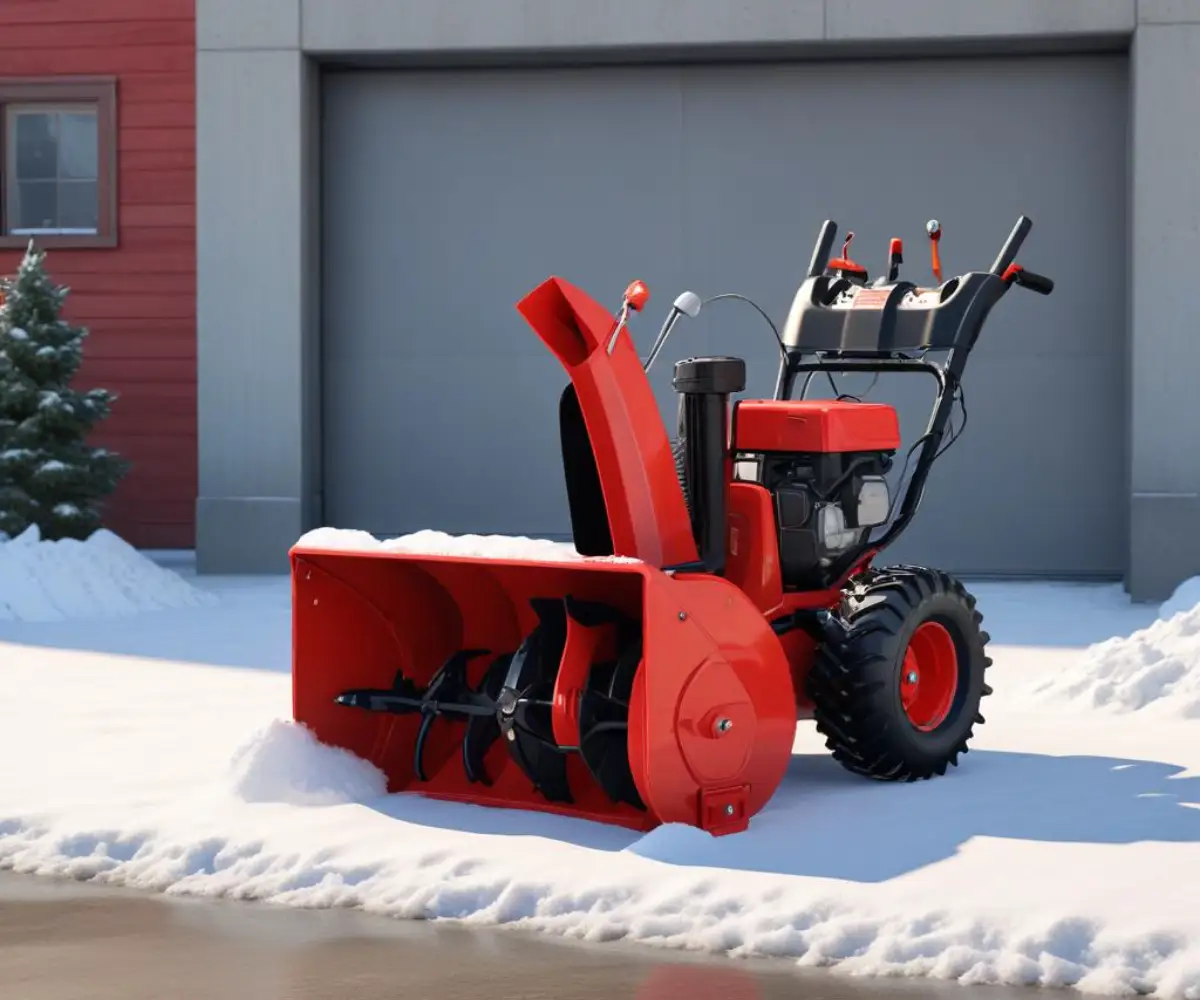
A Step-by-Step Oil Change Process
An annual oil change, preferably before the winter season begins, is essential. For a new machine, the first oil change should be performed after the initial 5 hours of use to remove any metal particles from the engine break-in period.
1. Gather Your Supplies: You will need a 10mm wrench or socket, an oil drain pan, a funnel, approximately 20 oz. of fresh 5W-30 oil, and some shop rags.
2. Warm the Engine: Run the snow blower for 5-10 minutes. This warms the oil, allowing it to drain more quickly and completely, taking suspended contaminants with it.
3. Position and Drain: Place the drain pan under the oil drain plug located at the rear of the engine. You may need to prop the front of the snow blower on blocks to fit the pan underneath. Use the 10mm wrench to loosen and remove the plug, allowing the old oil to drain completely.
4. Replace the Plug: Once the oil has finished draining, wipe the plug and the surrounding area clean. Reinstall the drain plug and tighten it securely, but be careful not to overtighten.
5. Refill with Fresh Oil: Unscrew the oil fill cap/dipstick. Using a funnel to prevent spills, slowly pour in the new 5W-30 oil. Add about 15-16 ounces first, then check the level with the dipstick. Continue adding small amounts until the level is correct.
Advanced Insights for Peak Performance
Going beyond a basic oil change can reveal important information about your engine’s health and prevent future problems. These details are often overlooked but are critical for long-term reliability.
When you drain the old oil, pay close attention to its condition. Oil that appears milky or gray is a sign that water has entered the crankcase, a common issue for snow blowers. This contaminated oil provides poor lubrication and must be changed immediately. Also, look for fine metal shavings in the drained oil, which can indicate excessive internal engine wear that needs professional attention.
The Impact of Operating on Inclines
A critical factor many operators fail to consider is the effect of steep slopes on engine lubrication. When a snow blower operates on a significant incline, the oil in the crankcase can shift away from the oil pump’s pickup or the splash lubrication system’s reach. This can momentarily starve the engine of oil, causing friction and heat damage that accumulates over time.
Always ensure your oil is at the absolute ‘Full’ mark if you frequently operate on hills or uneven terrain. This small buffer can be the difference between a healthy engine and a seized one. While the Storm 2410 is a robust machine, understanding its specific needs sets it apart from other models in the heated Cub Cadet vs Toro snowblower rivalry.
Troubleshooting Common Oil-Related Engine Problems
Even with proper maintenance, issues can arise. Understanding the symptoms of oil-related problems can help you diagnose and fix them before they become severe.
Engine Emitting White Smoke
The most common cause of a snow blower emitting white or blue-tinged smoke is an overfilled oil crankcase. If you notice this, immediately shut off the engine. The excess oil will need to be drained to the correct level before you can safely operate the machine again.
Discovering an Oil Leak
Oil leaks often appear around the drain plug or engine gaskets. If you find a leak, first check that the drain plug is properly tightened. If the leak persists, it may be from a failed gasket, which can be a result of the high crankcase pressure caused by overfilling the oil.
Engine Fails to Start After an Oil Change
If your engine won’t turn over after an oil change, you may have added far too much oil. This can cause a condition known as hydraulic lock, where the oil prevents the piston from completing its stroke. The only solution is to drain the excess oil to the proper level. For more complex starting issues, consulting a resource like the John Deere 826 snowblower manual for a different model can sometimes provide general troubleshooting insights.
Conclusion: Mastery of Maintenance for Winter Reliability
Understanding the precise 20-ounce oil capacity and the necessity of 5W-30 synthetic oil for your Troy-Bilt Storm 2410 is fundamental to its performance and longevity. This knowledge transforms a routine task from a point of anxiety into an act of confident, protective maintenance.
By following the detailed steps for checking and changing your oil, you are not just preventing catastrophic engine failure; you are ensuring that your snow blower will start and run powerfully when you need it most. Proper maintenance is the key to conquering winter, storm after storm.
