
White Zeus Silestone Problems? Your Ultimate Guide to a Flawless Countertop
Silestone White Zeus is the pinnacle of modern kitchen design. Its brilliant, uniform white surface offers a clean, minimalist aesthetic that homeowners and designers adore. But as with any premium material, living with White Zeus Silestone isn’t always without its challenges. While celebrated for its durability, real-world use can reveal a side of this engineered stone that marketing brochures often overlook.
This guide confronts the common problems head-on. We’ll explore the real issues users face, from stubborn stains to the dreaded threat of yellowing, and provide expert, actionable solutions to keep your countertop in pristine condition. Understanding these challenges is the key to ensuring your investment remains as beautiful as the day it was installed.
You'll Learn About
The Unspoken Challenges of White Zeus Silestone
Engineered quartz is exceptionally resilient, but it is not indestructible. The brilliant white surface of White Zeus, while stunning, can be unforgiving when it comes to showing marks and discoloration. Being aware of its specific vulnerabilities is the first step toward effective, long-term care.
From the resin that binds the quartz crystals to its susceptibility to certain household items, understanding the material’s composition helps explain the problems that can arise. Armed with this knowledge, you can move from reacting to issues to proactively preventing them.
The Myth of “Stain-Proof”: Battling Discoloration and Stains
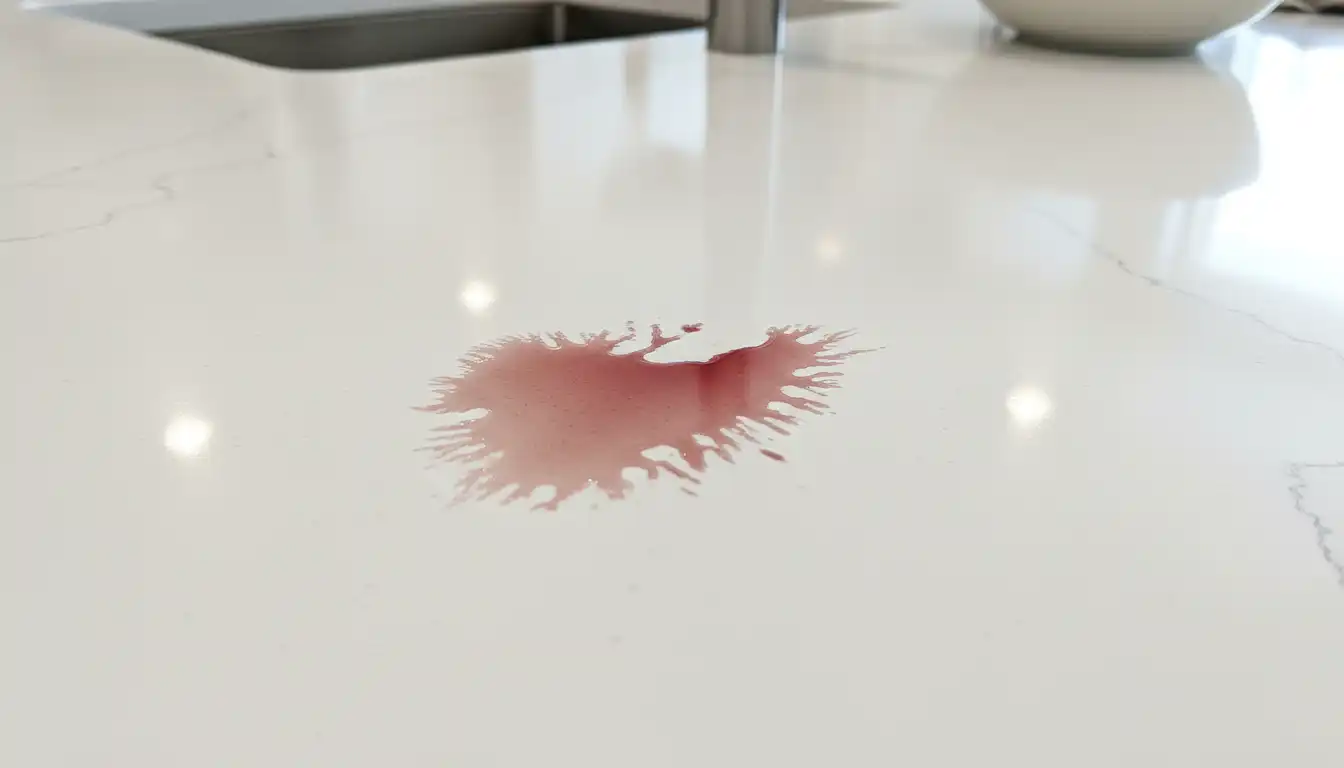
One of the biggest selling points of quartz is its non-porous nature, making it highly stain-resistant. However, “resistant” is not the same as “proof.” Strong pigments found in items like turmeric, red wine, coffee, and even some inks can leave marks if not wiped away promptly. The resin binders in the quartz are what can react to these spills, causing discoloration that can be difficult to remove.
Furthermore, many owners of white quartz report issues with water spots and “ghosting,” faint outlines left by standing water or cleaning products. These are often caused by mineral deposits or soap residue that dulls the surface, making it appear stained. Even metal objects, like cans or belt buckles, can leave gray marks from friction that look like scratches but are actually residue on the surface.
The Threat of Yellowing: Is Your White Countertop Turning Cream?
Perhaps the most concerning problem for owners of White Zeus Silestone is the potential for yellowing over time. This is not due to a defect but is a characteristic of the polymer resins used in manufacturing. Prolonged exposure to direct sunlight is the primary culprit, as UV radiation can degrade the resins and cause them to take on a yellowish hue. This is especially critical in kitchens with large windows that receive hours of direct sun each day.
Another cause of yellowing is heat. While Silestone is heat-resistant, placing hot appliances that generate sustained heat, like a slow cooker or air fryer, directly on the surface can also lead to gradual discoloration in that spot. Using harsh, high-pH chemical cleaners can also break down the resins and contribute to a yellowish appearance over time.
Chips and Scratches: The Achilles’ Heel of a Perfect Edge
Silestone boasts a hardness comparable to natural granite, making it very scratch-resistant against everyday items. However, it is not scratch-proof. Dragging heavy ceramic pots or cast-iron skillets across the surface can cause fine scratches that are particularly visible on a solid white background.
The material’s hardness also makes it somewhat brittle. Sharp impacts from heavy objects can cause chips, especially along the vulnerable edges around sinks and dishwashers. While small, these imperfections can be noticeable and disrupt the seamless look of the countertop. Careful handling of pots, pans, and even heavy glassware is essential to avoid these frustrating blemishes.
The Danger of Heat: Understanding Thermal Shock
A common misconception is that quartz countertops are heat-proof. They are highly heat-resistant, able to withstand moderate temperatures without issue. However, they are not designed to handle extreme or sudden temperature changes, a phenomenon known as thermal shock.
Placing a scorching hot pan or baking dish directly from the oven onto the cooler countertop can cause the resin to burn and expand rapidly, leading to discoloration or even cracking. Always use trivets or hot pads as a barrier between hot cookware and your Silestone surface. This simple habit is the single most effective way to prevent irreversible heat damage.
Your Proactive Guide to a Pristine White Zeus Countertop
Now that you understand the potential problems, you can take control. The key to maintaining the beauty of White Zeus Silestone lies in a consistent and correct maintenance routine. It’s not about intense labor, but about smart habits and using the right tools for the job.
This section provides a clear, actionable plan for cleaning, stain removal, and damage prevention. Following these guidelines will help you solve existing issues and prevent new ones from ever appearing, ensuring your countertop remains a source of pride.
The Ultimate Cleaning and Maintenance Routine
A simple daily wipe-down is your first line of defense. Use a soft cloth with warm water and a small amount of mild, pH-neutral soap. This removes most residues before they have a chance to cause problems. For more stubborn spots, a non-abrasive cleaner specifically designed for quartz is a safe and effective choice.
It is crucial to avoid harsh chemicals and abrasive tools. Products containing bleach, ammonia, or highly acidic ingredients can damage the resin and dull the surface. Likewise, abrasive sponges or steel wool can create micro-scratches that will accumulate dirt and make the countertop harder to clean over time.
| Do’s: Your Go-To Maintenance Habits | Don’ts: Practices to Avoid at All Costs |
|---|---|
| Wipe up spills immediately with a soft, damp cloth. | Never use bleach or ammonia-based cleaners on the surface. |
| Use a pH-neutral cleaner for daily cleaning. | Do not place hot pots or pans directly on the countertop. Always use a trivet. |
| Tackle tough marks with a paste of baking soda and water. | Avoid abrasive scouring pads or steel wool. |
| Always use cutting boards for food preparation. | Do not use sealants or waxes; they will create a dull film. |
| Place coasters under glasses, especially those containing wine or citrus juices. | Avoid prolonged exposure to direct, intense sunlight where possible. |
Winning the War Against Stains: Removal Techniques
When a stain happens, act fast. For most food and drink spills, a simple soap and water solution is sufficient if addressed quickly. For tougher, dried-on stains, create a paste of baking soda and water. Apply it to the stain, let it sit for 10-15 minutes, and then gently wipe it away with a non-abrasive sponge.
For more specific problems like ink or permanent marker, isopropyl rubbing alcohol on a soft cloth can be effective. For gray marks left by metal, a magic eraser or a specialized quartz cleaner can often lift the residue without harming the surface. Remember to always rinse the area thoroughly with water after any targeted cleaning treatment.
Preventing Scratches and Chips: Simple Habits for Longevity
Prevention is far easier than repair. Make it a habit to always use a cutting board, no matter how quick the task. This protects not only your countertop but also your knives. Be mindful when handling heavy items near the counter’s edge, as this is the most common area for chips. Dropping a heavy pan can damage more than just your dinner; you’d be careful not to drop it on your hardwood floors, and the same caution applies here.
Place felt pads under small appliances that sit on the counter, like coffee makers or mixers. This prevents them from leaving faint scratches as they are moved around during cleaning. These small, consistent habits will preserve the flawless finish for years.
Keeping the ‘White’ in White Zeus: Avoiding Yellowing
Protecting your countertop from UV rays is essential. If your kitchen receives intense, direct sunlight, consider installing UV-protective film on the windows or using blinds during the sunniest parts of the day. This simple measure can drastically slow down the yellowing process caused by sun exposure.
Also, be mindful of heat-generating appliances. Place items like slow cookers, toaster ovens, and electric griddles on a protective board or mat, not directly on the Silestone. This prevents the sustained, low-grade heat that can lead to localized discoloration over time.
When Problems Persist: Professional Solutions and Repairs
Even with the best care, accidents can happen. Fortunately, many minor issues with White Zeus Silestone can be professionally repaired. It’s important to know when a problem is beyond a DIY fix and requires the skill of a stone restoration specialist.
From filling small chips to addressing deep-set stains, professional intervention can often restore your countertop to its original beauty. However, it’s also crucial to recognize which types of damage are permanent to set realistic expectations.
Repairing Minor Chips and Scratches
For small chips, especially on the edges, a professional can use a specialized, color-matched epoxy or acrylic adhesive to fill the void. The process involves carefully cleaning the area, applying the filler, and then sanding and polishing it to blend seamlessly with the surrounding surface. Achieving a flawless repair requires precision, much like ensuring an outlet box is flush with the wall for a clean finish.
While DIY kits are available, achieving an invisible repair on a solid white surface is extremely difficult for a novice. A professional has the tools and experience to match both the color and the sheen, making the repair virtually undetectable.
Tackling Stubborn Stains and Discoloration
If you’ve encountered a stain that doesn’t respond to at-home cleaning methods, a stone care professional may have more powerful solutions. They can use specialized poultices to draw out deep-set stains from the resin. In some cases, light surface damage or stubborn residue can be buffed out with professional polishing equipment.
However, it is important to note that yellowing caused by UV exposure or severe heat damage is typically irreversible because the change occurs within the resin itself. This underscores the critical importance of prevention. And while dealing with stains, always be cautious of nearby electrical systems; never attempt to create a makeshift Romex extension cord for your countertop appliances, as this is a significant safety hazard.
Is White Zeus Silestone Still a Good Choice? A Balanced Verdict
After reviewing the potential problems, you might wonder if White Zeus Silestone is still the right choice. The answer is a resounding yes—for the right homeowner. It remains a stunning, high-performance material that brings a unique brightness and elegance to any space.
The “problems” associated with it are not signs of a poor product but rather characteristics that require mindful ownership. With a clear understanding of its properties and a commitment to proper care, you can easily mitigate the risks. For the homeowner who values its aesthetic and is prepared to follow simple maintenance routines, White Zeus Silestone is an excellent long-term investment that will deliver timeless beauty and reliable performance for many years.
