
Uneven Tiles on Shower Wall? Here’s the Pro-Level Fix
You'll Learn About
Why Are My Shower Wall Tiles Uneven? Uncovering the Root Causes
Achieving a perfectly flat tiled surface is a result of meticulous preparation and technique. When tiles are uneven—a condition known as “lippage” where one tile edge is higher than its neighbor—it’s almost always due to an issue in one of four key areas.
Substrate and Wall Preparation Issues
The single most critical factor for a flat tile job is a perfectly flat and stable substrate. If the wall behind the tile isn’t straight, the tile on top of it never will be. Many issues begin long before the first tile is ever set.
Common problems include wall studs that are not perfectly aligned or plumb, creating bows in the wall. Additionally, improper installation of cement backer board, where seams are not correctly taped and flattened with thin-set mortar, creates high and low spots that are transferred directly through to the finished tile surface.
Thinset Mortar Inconsistency
The adhesive that holds the tile to the wall, thin-set mortar, plays a vital role in the final surface evenness. An incorrect mix, either too thick or too thin, can lead to tiles slumping or not adhering properly. A prevalent mistake is “dotting” or “dabbing” mortar on the back of tiles instead of combing it evenly with a notched trowel.
This method creates voids behind the tile and results in uneven pressure when the tile is set, causing lippage. Full mortar coverage is essential, with a minimum of 95% coverage required in wet areas like showers to ensure both a strong bond and a flat surface.
Tile Quality and Inherent Variation
Sometimes, the issue lies with the tiles themselves. Handmade tiles, for example, often have intentional variations in size and thickness that contribute to their rustic charm but make a perfectly flat installation challenging. Even machine-made tiles, especially large format ones, can have a slight bow or warp from the manufacturing process.
This inherent warpage can make achieving a flush surface difficult, which is why industry standards have defined acceptable levels of lippage. According to the Tile Council of North America (TCNA), a small amount of variation is permissible, but it shouldn’t be excessive.
Poor Tiling Technique
Even with a flat wall and quality materials, poor installation technique will lead to an uneven finish. This includes failing to use tile spacers consistently, resulting in irregular grout lines that accentuate height differences. Another common error is not pressing tiles into the mortar with consistent, even pressure.
An experienced installer constantly checks their work with a level and a straightedge, ensuring each row is plumb and flat before moving to the next. Neglecting these checks is a hallmark of a bad shower tile job and a primary cause of unevenness.
Assessing the Severity: Minor Flaw or Major Problem?
Before you can decide on a fix, you need to understand the extent of the problem. Is it a few slightly raised edges, or is the entire wall a wavy mess? Here’s how to conduct a proper diagnosis.
The Straightedge Test
Take a long, perfectly straight level or any straightedge and place it against the wall vertically, horizontally, and diagonally. Shine a flashlight behind it. The gaps of light you see will reveal the high and low spots across the tiled surface, giving you a clear picture of the overall flatness.
Checking for Voids
Gently tap on the face of each tile with your knuckle or a screwdriver handle. A solid, dense sound indicates good mortar coverage. If you hear a hollow sound, it means there is a void behind the tile where the mortar did not make contact. Hollow tiles are not just an aesthetic problem; they are weak points that can lead to cracked tiles and potential water intrusion issues over time.
Inspecting Grout Lines
Look closely at the grout lines. While they can be deceiving, dramatically inconsistent grout line widths often accompany uneven tiles, as the installer may have tried to compensate for height differences by adjusting the spacing. This is often a clear visual sign of an amateur installation.
To help you determine the next steps, consult the diagnostic table below.
| Symptom | Potential Cause | Recommended Action |
|---|---|---|
| Minor lippage (less than 1/16″) on a few tiles. | Tile variation, minor technique flaws. | Monitor; consider a cosmetic fix if visually bothersome. |
| One or two tiles are noticeably crooked or high. | Settling during installation, isolated error. | Replace the individual problem tile(s). |
| Widespread, wavy unevenness across the wall. | Major substrate issue (uneven wall). | Professional assessment; likely requires a tear-out. |
| Multiple tiles sound hollow when tapped. | Poor mortar coverage (“dotting” method). | Urgent action needed. Affected tiles should be replaced to prevent future failure. |
Your Step-by-Step Guide to Fixing Uneven Shower Tiles
Once you’ve assessed the situation, you can choose the appropriate solution. The right approach depends entirely on the severity and cause of the unevenness.
Solution 1: The Cosmetic Fix for Minor Lippage
For very slight lippage where the tiles are securely bonded, a full replacement may be unnecessary. Skillful regrouting can sometimes camouflage minor imperfections. By carefully applying a new layer of grout, you can create a small “ramp” between the high and low tiles, making the transition less abrupt.
This is a delicate process and works best for minimal height differences. Choosing a grout color that closely matches the tile can also help minimize the visual impact of shadows cast by the uneven edges.
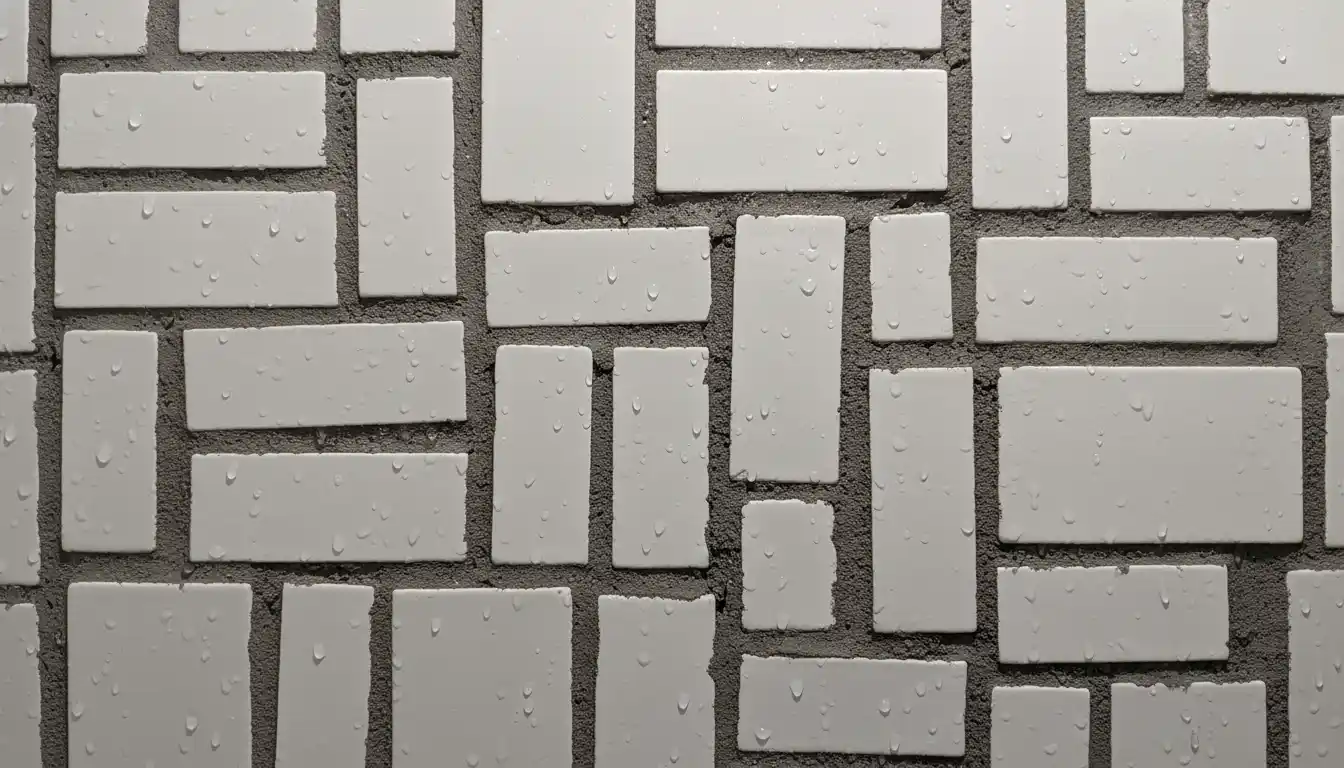
Solution 2: Replacing a Single Problem Tile
If you have just one or two offending tiles that are crooked or hollow, a targeted replacement is the most effective solution. This requires patience and care to avoid damaging the surrounding tiles.
First, protect the adjacent tiles with painter’s tape. Use a grout removal tool, like a carbide scraper or an oscillating multi-tool, to carefully grind out all the grout surrounding the problem tile. Once the grout is gone, use a hammer and a small chisel to carefully break the tile from the center outwards, and pry out the pieces. Scrape away all the old, hardened thin-set from the wall, creating a clean, flat surface for the new tile. Apply a fresh layer of thin-set to the wall, comb it with a small notched trowel, and press the new tile firmly into place, ensuring it is perfectly flush with its neighbors. After the thin-set cures, grout the new joints.
Solution 3: When to Call a Pro for a Full Tear-Out
If the straightedge test reveals significant waviness or if you find widespread hollow spots, a cosmetic fix or single-tile replacement won’t solve the underlying problem. These are signs of a fundamental installation failure, likely starting with the wall preparation itself.
Attempting to patch a systemic issue can be a waste of time and money. Widespread hollow spots can compromise the shower’s waterproofing system, potentially leading to hidden water damage and mold growth. This situation requires removing all the tiles to address the root cause, whether it’s flattening the wall or ensuring proper waterproofing, before re-tiling. While costly, this is the only way to guarantee a lasting, professional result.
Prevention is Key: Guaranteeing a Flat Tile Wall from the Start
For those planning a new shower installation, the best “fix” is preventing the problem in the first place. Success is almost entirely determined by preparation and using the right tools and techniques.
Start with a Perfect Foundation
Wall preparation is non-negotiable. Ensure the wall framing is plumb and straight, using shims on studs if necessary to create a flat plane. Use a high-quality backer board and install it according to the manufacturer’s specifications. All seams must be taped with fiberglass mesh tape and skim-coated with thin-set mortar to create a monolithic, perfectly flat surface. This step cannot be rushed or skipped.
Master Your Materials and Tools
Using a tile leveling system is one of the most significant advancements in DIY tiling. These systems use clips and wedges to lock adjacent tiles together, forcing them into a single plane while the mortar cures. This virtually eliminates lippage, especially when working with large format tiles which are often slightly warped.
It’s also crucial to use a high-quality thin-set mortar and mix it to the correct consistency. Using the right-sized notched trowel ensures you apply the proper amount of mortar for the tile size you are using.
Technique Matters Most
Always follow the 100% coverage rule. Comb the thin-set onto the wall in straight lines, all in one direction. For larger tiles (12×12 and up), also “back-butter” the tile with a thin, flat coat of mortar. This ensures a solid bond with no voids.
Work in small, manageable sections to prevent the mortar from drying and “skinning over” before you can set the tile. A poor bond is a leading cause of loose and hollow tiles. Finally, constantly check your work with a level. Don’t trust your eyes; a level and straightedge are your most important tools for achieving a professional finish, especially where the wall tile meets the base of the shower pan.
Frequently Asked Questions
Is a little bit of tile unevenness (lippage) acceptable?
Yes, industry standards do allow for a minimal amount of lippage, which varies based on the tile type and grout joint width. For pressed tiles with a grout joint under 1/4 inch, the allowable lippage is typically around 1/32 of an inch. However, it should never be sharp or create a trip hazard.
Can uneven tiles cause water damage?
Indirectly, yes. While the tiles themselves are not the primary waterproofing layer, the problems that cause unevenness—specifically voids behind the tiles from poor mortar coverage—can lead to issues. These hollow spots can trap moisture, leading to mold growth or tile bond failure over time. Cracked grout lines resulting from tile movement can also create pathways for water to get behind the tile.
Will a different grout color hide uneven tiles?
Yes, the choice of grout color can significantly impact how noticeable lippage is. A grout color that closely matches the tile color will blend in, minimizing shadows and making height differences less apparent. Conversely, a high-contrast grout color will highlight every single imperfection and make unevenness much more obvious.
Final Words
Uneven tiles on a shower wall can be frustrating, but the good news is that they’re fixable without tearing everything down. With the right tools, patience, and a methodical approach, you can restore a clean, professional look that feels brand new.
By addressing the root cause—whether it’s lippage, uneven substrate, or poor spacing—and applying proven techniques, you not only improve appearance but also prevent future moisture and durability issues.
In the end, a properly aligned shower wall adds lasting value, comfort, and confidence. Taking the time to fix it the right way ensures your bathroom looks polished, performs better, and stands up to daily use for years to come.
