
True Bloom Roses Review: Are These the Disease-Free Blooms of Your Dreams?
For many, the dream of a garden cascading with classic, fragrant roses quickly turns into a high-maintenance nightmare. The endless battle against black spot, the ghostly white film of powdery mildew, and the constant need for chemical sprays can drain the joy from gardening. This frustrating cycle leaves many gardeners wondering if vibrant, healthy roses are simply out of reach without constant vigilance.
This common struggle leads gardeners to seek out alternatives, hoping for a rose that delivers stunning beauty without the demanding upkeep. The desire for a robust, resilient plant that still produces the iconic, high-petal-count flowers of a traditional rose is stronger than ever. It’s a search for a plant that fits the modern lifestyle: beautiful, effective, and low-maintenance.
You'll Learn About
The Unspoken Frustration of Growing Traditional Roses
The allure of a perfect rose is timeless, but the reality can be a grueling test of patience and perseverance. Many heritage and hybrid tea roses, while beautiful, are incredibly susceptible to a host of fungal diseases that thrive in common garden conditions. This vulnerability turns a beloved hobby into a chore-filled obligation.
The Black Spot and Mildew Nightmare
Black spot is a pervasive fungus that manifests as dark, circular blotches on leaves, eventually causing them to yellow and drop. Similarly, powdery mildew coats foliage in a white, dusty layer, stunting growth and ruining the plant’s appearance. Many gardeners share their frustrations on forums, echoing the common complaints about these diseases and seeking secrets to stop killing their blooms.
The conventional solution involves a strict regimen of fungicide applications, which requires time, money, and the handling of chemicals. This approach is not ideal for gardeners who prefer an organic or low-intervention approach. The constant need to spray can feel like a losing battle, especially during wet and humid seasons when these diseases flourish.
Why So Many Gardeners Give Up
The significant time and effort required to keep traditional roses healthy is a major deterrent. When a plant requires constant treatment just to survive, let alone thrive, the sense of accomplishment diminishes. This leads many to abandon roses altogether, believing they simply don’t have the “green thumb” required, when in fact, the plant’s genetics were working against them from the start.
Enter True Bloom Roses: A New Generation of Garden Flowers
Imagine a rose that combines the breathtaking beauty of a classic hybrid tea with the rugged, disease-resistant nature of a hardy shrub. This is the promise of True Bloom roses. They are the result of a revolutionary breeding process designed specifically to address the common frustrations of the everyday gardener.
These aren’t just another line of “easy-care” roses; they represent a significant advancement in horticulture. The goal was to create a rose that doesn’t force a choice between aesthetics and resilience. True Bloom roses are engineered for beauty, vigor, and exceptional disease resistance.
Bred for Resilience: The Ping Lim Difference
The exceptional quality of True Bloom roses can be attributed to the work of world-renowned breeder Ping Lim. His mission was to create stunning roses that could be grown by anyone, anywhere, without the need for chemical intervention. This focus on performance is what sets the True Bloom collection apart.
Through years of meticulous cross-breeding and rigorous trials, Ping Lim developed a lineup of roses that thrive in a “no-spray” environment. These plants are intentionally exposed to common rose diseases to ensure only the strongest, most resilient specimens make it to market. This dedication to durability is the foundation of the True Bloom promise.
A Deep Dive Review: Putting True Bloom Roses to the Test
A rose’s true worth is measured in the garden, not just in a catalog description. Evaluating the performance of True Bloom roses involves looking at their bloom power, disease resistance in real-world conditions, and overall plant health. The consensus from gardeners who have grown them is overwhelmingly positive, highlighting their reliability and stunning floral displays.
Bloom Power and Repeat Flowering
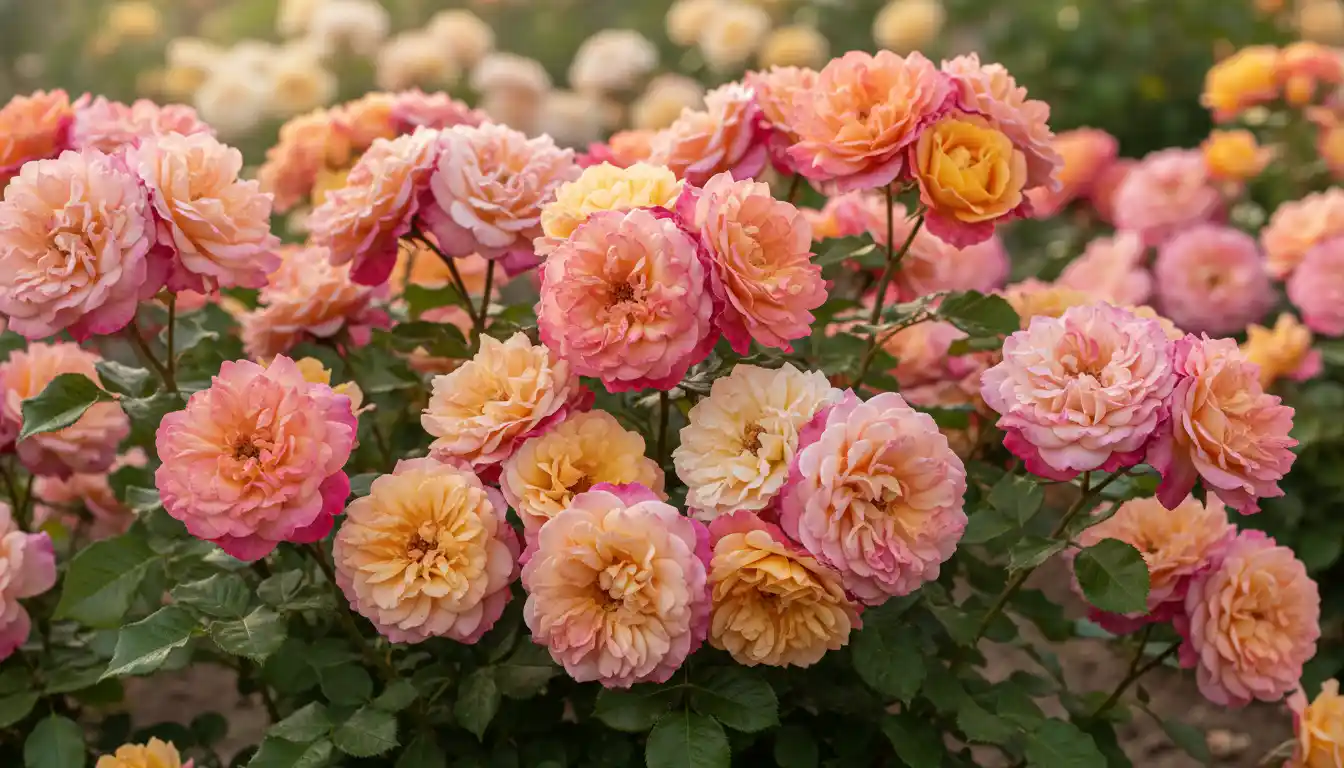
One of the most praised attributes of True Bloom roses is their incredible flower production. They are bred to be continuous bloomers, producing flowers in flushes from late spring until the first hard frost. Unlike some roses that have one spectacular show and then fade, True Bloom varieties keep the color coming all season long.
The flowers themselves are a key feature, boasting the high petal counts and classic form of hybrid tea roses. This is a significant departure from many other easy-care shrub roses, which often have simpler, less structured blooms. Varieties like ‘True Passion’ and ‘True Love’ produce large, full flowers that are perfect for cutting.
Real-World Disease and Pest Resistance
This is where True Bloom roses truly shine. Gardeners in humid climates, where fungal diseases are rampant, report that these roses remain clean and healthy with little to no spraying. They exhibit remarkable resistance to black spot and powdery mildew, the two most common scourges of rose growers.
Furthermore, their vigorous growth habit helps them shrug off minor pest issues. Healthy plants are less attractive to pests and better able to withstand any damage that does occur. This resilience means gardeners can spend more time enjoying their flowers and less time diagnosing problems.
Comparing Top True Bloom Varieties
The True Bloom collection offers a range of colors and growth habits to suit different garden designs. While they all share the core traits of disease resistance and continuous blooming, each variety has its own unique personality. Understanding these differences can help you choose the perfect rose for your space.
| Variety Name | Color | Fragrance | Size | Best For |
|---|---|---|---|---|
| True Passion® | Vibrant orange-red | Light, spicy | 4-5 ft. tall, 3-4 ft. wide | Focal points, cutting gardens |
| True Gratitude® | Clear, bright pink | Moderate, classic rose | 4-5 ft. tall, 4 ft. wide | Mixed borders, hedges |
| True Love® | Rich crimson red | Light fragrance | 2-3 ft. tall, 2-3 ft. wide | Patio containers, small spaces |
| True Sincerity® | Pink and yellow bicolor | Mild, fruity | 3-4 ft. tall, 3 ft. wide | Adding unique color to borders |
The Hidden Factor in Rose Success: It Starts at the Roots
Many discussions about rose performance focus on bloom color and disease resistance, but few delve into the critical foundation of the plant: its root system. A key, often overlooked, element of the True Bloom series’ success is its vigor, which begins below the soil. These roses are bred to grow robustly on their own roots, a significant advantage for the home gardener.
Growing on their own roots eliminates the problem of rootstock suckers, which are weak, unwanted shoots that can emerge from the base of grafted roses and sap energy from the main plant. A strong, self-sufficient root system leads to a healthier, more resilient plant that is better equipped to find water and nutrients, and to bounce back from harsh weather conditions. This inherent vitality contributes directly to the lush foliage and prolific blooming that define the True Bloom collection.
How to Care for True Bloom Roses for Maximum Impact
While True Bloom roses are exceptionally low-maintenance, providing them with proper care will ensure they perform at their absolute best. The good news is that their needs are simple and straightforward, aligning with basic good gardening practices.
Planting and Initial Care
Success starts with proper planting. Choose a location that receives at least six hours of direct sunlight per day. Good air circulation is also important to help keep the foliage dry. Dig a hole that is twice as wide as the pot and just as deep, amending the soil with compost to improve its structure and fertility.
Water the new plant thoroughly after planting and continue to provide consistent moisture as it becomes established. A two to three-inch layer of organic mulch around the base of the plant will help retain soil moisture, suppress weeds, and enrich the soil as it breaks down.
Watering and Feeding for Abundant Blooms
Roses are thirsty plants and perform best with deep, consistent watering. Water at the base of the plant to avoid wetting the leaves, which can discourage fungal diseases. The frequency will depend on your climate and soil type, but a good rule of thumb is to water when the top two inches of soil feel dry.
To fuel their continuous blooming, feed True Bloom roses with a balanced, granular fertilizer formulated for roses in early spring as new growth emerges. A second application in early summer will provide the energy needed for a spectacular show through fall. While these roses provide color for three seasons, consider planning for winter interest with companions like a vibrant Pink Witch Hazel for a stunning year-round garden.
Pruning: Simpler Than You Think
Pruning True Bloom roses is uncomplicated. The main pruning should be done in early spring, just as the buds begin to swell. The goal is to remove any dead, damaged, or crossing canes to create an open, vase-like structure. For most varieties, cutting the plant back by about one-third to one-half is sufficient to encourage vigorous new growth.
Many True Bloom varieties are also “self-cleaning,” meaning the spent petals drop cleanly, and you don’t need to meticulously deadhead them to encourage reblooming. This feature further reduces the maintenance required to keep the plants looking tidy and flowering profusely.
Are There Any Downsides? An Honest Assessment
No plant is perfect for every single garden, and it’s important to have a balanced perspective. While True Bloom roses solve many of the biggest issues in rose gardening, there are a few considerations. For some gardeners, the fragrance level of certain varieties might be lighter than that of older, more perfumed roses. This is a common trade-off in modern breeding, where disease resistance is often prioritized.
Additionally, while many gardeners seek out deep, velvety purples like those found in a Twilight Zone vs Ebb Tide Rose comparison, the current True Bloom color palette focuses more on reds, pinks, yellows, and oranges. However, the collection is continually expanding, with new colors and forms being introduced. Availability can also sometimes be a challenge, though they are becoming more common in garden centers and online.
The Final Verdict: Are True Bloom Roses Worth the Investment?
For the vast majority of home gardeners, the answer is a resounding yes. True Bloom roses deliver on their promise of combining classic beauty with modern resilience. They effectively eliminate the need for a chemical spray routine, making them an excellent choice for organic gardeners, busy families, and anyone who wants a beautiful garden without the fuss.
They are not just a product but a solution to a long-standing problem. By providing outstanding disease resistance, continuous blooms, and vigorous growth, True Bloom roses empower gardeners to succeed. They make the dream of a lush, flower-filled garden an achievable and enjoyable reality.
