
Twilight Zone vs Ebb Tide Rose: Unlock Epic Purple Blooms
The quest for a truly purple rose is a journey many gardeners undertake. While hybridizers have worked for decades to perfect it, two cultivars stand out in the modern garden: Twilight Zone and Ebb Tide. Both offer intoxicating fragrance and deep, moody purple tones that can transform a landscape.
Yet, choosing between them, and ensuring they perform to their full potential, can be a significant challenge. Gardeners often report issues with color fading, smaller-than-expected blooms, and susceptibility to common rose diseases. This guide will solve the dilemma, offering a deep comparison and expert strategies to cultivate the most breathtaking purple roses you have ever grown.
You'll Learn About
The Allure of the Purple Rose: A Gardener’s Dream
Purple has long been associated with royalty, mystery, and artistry. In the garden, a purple rose creates a dramatic focal point, providing a cool-toned contrast to the more common reds, pinks, and yellows. The deep, velvety texture of these blooms adds a layer of sophistication and luxury to any planting scheme.
The credit for both of these modern marvels goes to the renowned rose breeder Tom Carruth. His work has given gardeners two distinct yet equally magnificent options for achieving that coveted purple hue. Understanding their individual personalities is the first step toward unlocking their full beauty.
Twilight Zone Grandiflora Rose: A Deep Dive
The Twilight Zone rose is a Grandiflora, a class known for combining the large, elegant blooms of a Hybrid Tea with the hardiness and bloom clusters of a Floribunda. It makes a bold statement with its size and color.
Unpacking the Color and Fragrance
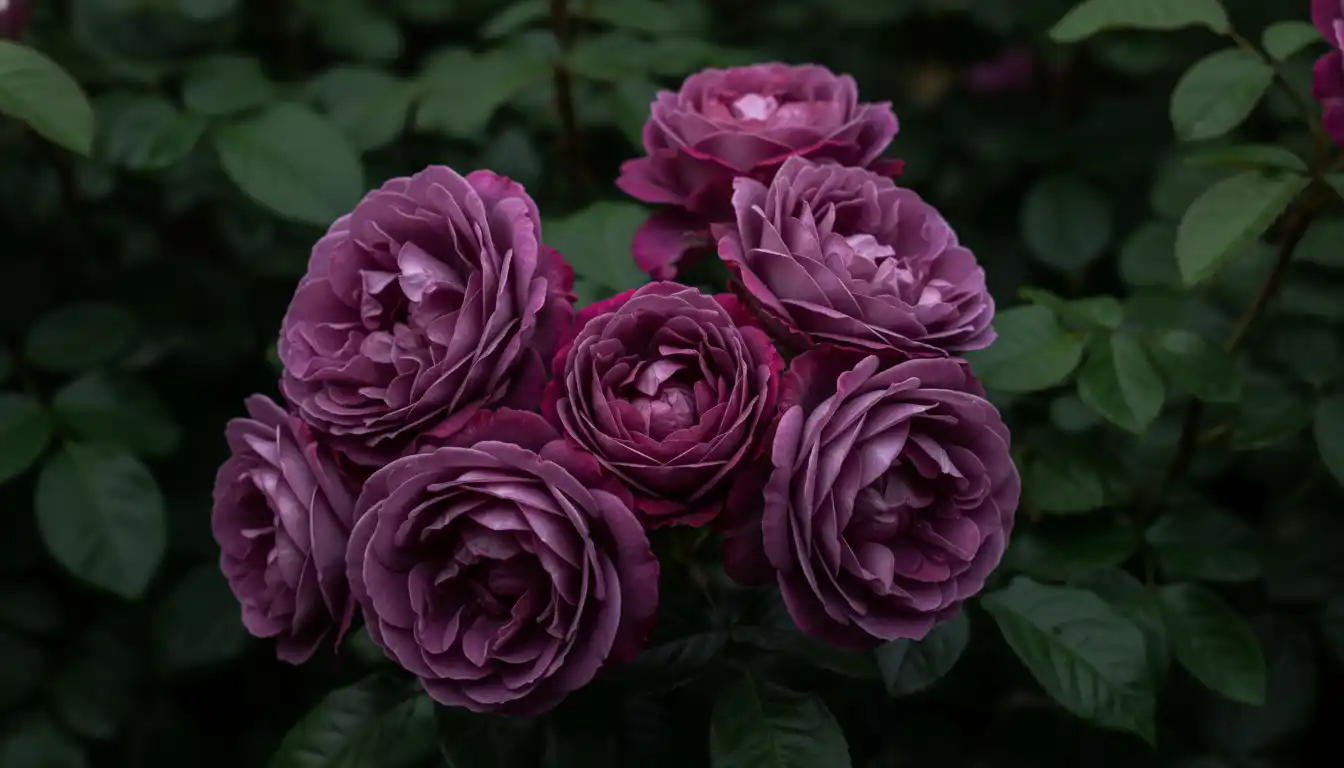
Twilight Zone boasts large, 4-inch blooms of a deep, velvety purple. The color is exceptionally dark and holds up better than many other purple varieties under the stress of summer heat. Its color is often described as a true amethyst or royal purple, setting it apart from more magenta-toned roses.
The fragrance is just as compelling as the color. It emits a powerful and spicy scent with strong notes of clove and a hint of lemon. This intense perfume makes it a perfect candidate for planting near patios, windows, or walkways where the scent can be readily enjoyed.
Growth Habits and Size
As a Grandiflora, Twilight Zone grows in a distinctly upright and bushy habit. It typically reaches a mature size of 4 to 5 feet in height and similar in width. This makes it an excellent choice for the middle or back of a garden border, where its height can provide a beautiful backdrop for shorter perennials.
The foliage is a deep, semi-glossy green, which provides a lush and healthy-looking canvas for the dark, dramatic blooms. The stems are generally strong and sturdy, capable of supporting the large, heavy flowers.
Bloom Form and Cycle
The blooms of Twilight Zone are very double, with 35-40 petals arranged in a classic, old-fashioned formation. They open from pointed buds into large, cupped flowers that are both elegant and substantial. It is known for blooming in flushes throughout the growing season, from late spring until the first frost.
Ebb Tide Floribunda Rose: An In-Depth Look
Ebb Tide is a Floribunda rose, which means “many-flowering.” This class is prized for its ability to produce blooms in large clusters, creating a massive display of color throughout the season. Ebb Tide is celebrated for its unique color and incredible fragrance.
The Smoky Plum and Intense Scent
The color of Ebb Tide is a complex and captivating smoky plum-purple. When the buds first open, they reveal a deep, dark purple that can appear almost black in overcast light. As the blooms age, they soften to a haze of lavender or magenta, creating a multi-toned effect on the bush.
Its fragrance is legendary in the rose world. Ebb Tide is consistently ranked as one of the most fragrant modern roses, with an intoxicatingly strong clove and spice scent that can perfume an entire section of the garden. Many gardeners grow it for its perfume alone.
Plant Form and Stature
Ebb Tide has a much more compact and rounded growth habit compared to Twilight Zone. It generally stays between 2 and 3 feet tall and wide, making it an incredibly versatile plant. This smaller stature makes it ideal for the front of the border, smaller garden spaces, or even for growing in large containers.
The foliage is a clean, medium green that provides a nice contrast to the dark flowers. Its manageable size makes it easy to care for and prune.
Prolific Blooms in Clusters
True to its Floribunda nature, Ebb Tide produces its flowers in generous clusters. A single stem can hold multiple buds that open in succession, ensuring the plant is rarely without color during the growing season. The blooms are smaller than Twilight Zone, typically 2-3 inches across, but what they lack in individual size, they make up for in sheer numbers.
Twilight Zone vs. Ebb Tide: The Ultimate Showdown
While both roses are purple and fragrant, their differences in size, bloom form, and color stability are what truly set them apart. Choosing the right one depends entirely on your specific garden needs and climate. This side-by-side comparison will help clarify which rose is the perfect fit for your home.
| Feature | Twilight Zone (Grandiflora) | Ebb Tide (Floribunda) |
|---|---|---|
| Color | Deep, consistent velvet purple. Fades less in heat. | Smoky plum-purple, ages to lavender. Can fade to magenta in intense heat. |
| Fragrance | Strong clove and spice scent. | Very strong, intense clove and spice scent. Often considered more fragrant. |
| Bloom Size | Large, 4-5 inches, typically one per stem or in small clusters. | Medium, 2-3 inches, borne in large, prolific clusters. |
| Plant Size | Taller and upright, 4-5 feet tall and wide. | Compact and rounded, 2-3 feet tall and wide. |
| Best Use | Back or middle of the border, cutting garden. | Front of the border, containers, small spaces, mass plantings. |
| Heat Tolerance | Good. Color holds better in high temperatures. | Fair. Color is best in cooler climates; can fade significantly in extreme heat. |
Color Stability: Who Holds Their Purple Best?
The most significant deciding factor for many gardeners is color stability, especially in warmer climates. Twilight Zone consistently holds its deep purple color better in the heat. While all purple roses can show some fading under intense sun, Ebb Tide is more prone to shifting to a smoky magenta or lavender, losing that deep plum tone.
For gardeners in hot southern or western climates, Twilight Zone is often the more reliable choice for maintaining a true purple hue throughout the summer. In cooler, more northern climates, Ebb Tide’s deepest, smokiest colors will be more pronounced and stable.
Fragrance Face-Off: The Scent That Wins
Both roses share a similar and highly desirable spicy clove fragrance. While fragrance is subjective, Ebb Tide is often cited as being slightly more powerful and pervasive in the garden. Its profusion of clustered blooms releases a constant wave of perfume.
However, Twilight Zone is no slouch in the scent department. A single large bloom can fill a room with its spicy aroma. You simply cannot go wrong with either choice if a fragrant garden is your primary goal.
Garden Placement: Choosing the Right Rose for Your Space
Their difference in size is a critical factor in garden design. The tall, upright habit of Twilight Zone makes it a perfect “thriller” element, adding height and drama to your garden beds. Think of how a vaulted ceiling can draw the eye upward and create a sense of grandeur indoors; Twilight Zone can do the same for your outdoor space.
Ebb Tide, with its compact, rounded form, works beautifully as a “filler” plant. Use it to line a walkway, create a low hedge, or plant it in decorative containers on a patio or deck. Its smaller size allows it to be placed where its incredible fragrance can be appreciated up close.
The Secret to Deep, Rich Purple Blooms
Beyond choosing the right variety, several cultural practices can dramatically enhance the color and vigor of your purple roses. These techniques go beyond basic care to unlock the deepest, most saturated hues your plant is capable of producing. Many gardeners overlook these simple but crucial steps.
The Soil pH Magic Trick
The availability of key nutrients is directly tied to your soil’s pH. Roses, in general, prefer slightly acidic soil, but this is especially true for achieving deep, rich colors. Aim for a soil pH between 6.0 and 6.5. This range allows the plant to efficiently absorb magnesium and iron, two micronutrients essential for the development of purple pigments.
You can test your soil with a simple home kit. If your soil is too alkaline, you can amend it with elemental sulfur or an acid-loving plant fertilizer. This single adjustment can make a visible difference in the depth and richness of the blooms.
Sun Exposure: The Morning Sun Rule
All roses need at least six hours of direct sunlight to thrive and produce abundant blooms. However, the intense, baking afternoon sun can be detrimental to the delicate pigments in purple roses, causing them to fade or “burn.” The ideal location is one that receives ample morning sun and some filtered shade during the hottest part of the afternoon.
Planting on the east side of your home or near a taller shrub that can cast some dappled afternoon shade is a perfect strategy. This protects the blooms while ensuring the plant gets enough light for energy production.
Strategic Fertilizing for Color Pop
While a balanced, slow-release rose fertilizer is essential for overall health, you can tailor your feeding schedule to boost color. In early spring, use a balanced formula. As the plant begins to form flower buds, supplement with a fertilizer slightly higher in potassium (the ‘K’ in N-P-K).
Potassium plays a vital role in flower production and color intensity. Additionally, a monthly application of Epsom salts (magnesium sulfate) at a rate of one tablespoon per gallon of water can enhance the greenness of the foliage and the depth of the purple blooms by providing readily available magnesium.
Overcoming Common Challenges with Purple Roses
Even with perfect placement and feeding, challenges can arise. Darker-colored roses can sometimes be more susceptible to certain fungal diseases, and proper care is key to keeping them healthy and beautiful.
Conquering Black Spot and Powdery Mildew
Good air circulation is your best defense against fungal diseases like black spot and powdery mildew. Ensure you space your roses properly, avoiding overcrowding. Always water at the base of the plant, not on the leaves, and do so in the morning so any moisture evaporates quickly.
If disease pressure is high in your area, a preventative spray program using organic options like neem oil or a copper-based fungicide can be very effective. A healthy, well-fed plant is also much more capable of fending off disease on its own.
Surviving the Winter Chill
Winter protection is crucial, especially for gardeners pushing the boundaries of their hardiness zone. This is a familiar challenge for anyone who has tried to grow a beautiful but tender plant, like the passion flower in zone 5. After the first hard frost, stop fertilizing to allow the plant to enter dormancy.
Mound a generous layer of compost or mulch around the base of the rose, about 10-12 inches high. This insulates the sensitive bud union from harsh temperature swings. Once winter is in full swing, you need a plan for snow removal to prevent heavy loads from damaging the canes, a task made easier by reliable equipment from brands discussed in articles about who makes Legend Force snow blowers.
Pruning for Maximum Bloom Power
Pruning techniques differ slightly based on the rose type. For Twilight Zone (a Grandiflora), focus on removing any dead, damaged, or crossing canes in late winter or early spring. Then, shorten the remaining healthy canes by about one-third to one-half, making your cuts just above an outward-facing bud.
For Ebb Tide (a Floribunda), the goal is to encourage lots of new growth, as it blooms on new wood. Prune it a bit harder, removing about half of its overall height and creating an open, vase-like shape. This encourages vigorous new shoots and an explosion of clustered blooms.
Which Purple Rose Should You Choose?
The final decision rests on your garden’s specific conditions and your personal aesthetic preferences. Both are world-class roses that will reward you with stunning beauty and fragrance when given the right care.
Choose Twilight Zone if: You have space for a taller, more statuesque plant, you want very large, exhibition-style blooms, and you live in a climate with intense summer heat where color-fastness is a top priority.
Choose Ebb Tide if: You have a smaller garden, need a compact plant for a container, you want the absolute maximum number of blooms and fragrance, and you live in a more moderate or cooler climate where its smoky tones will shine.
Frequently Asked Questions (FAQ)
Exploring the specifics of these roses often leads to more questions. Here are answers to some of the most common inquiries from fellow gardeners.
Is Twilight Zone rose a climbing rose?
No, Twilight Zone is not a climbing rose. It is classified as a Grandiflora, which grows as an upright, self-supporting shrub. It does not produce the long, flexible canes necessary for climbing and will not need a trellis or arbor for support.
How do you keep Ebb Tide rose from fading?
The key to minimizing fading on Ebb Tide is protection from the harsh afternoon sun. Planting it where it receives some dappled shade after 2 PM is the most effective strategy. Additionally, ensuring the soil pH is slightly acidic and providing consistent moisture to avoid stress will help the plant produce and hold its best color.
Are these roses good for cut flowers?
Both are excellent for cutting, but they serve slightly different purposes. Twilight Zone is superior for classic, long-stemmed arrangements due to its large, single blooms on sturdy stems. Ebb Tide is wonderful for smaller, more informal bouquets and bud vases, where its clustered blooms and intense fragrance can be appreciated up close.
What companion plants go well with purple roses?
To make the deep purple tones pop, pair them with contrasting or complementary colors and textures. Plants with silvery foliage, such as Lamb’s Ear (Stachys byzantina) or Artemisia, create a stunning backdrop. Chartreuse-colored foliage from plants like Heuchera ‘Lime Rickey’ or Japanese Forest Grass provides a vibrant contrast. For floral companions, consider blue or lavender perennials like Salvia or Catmint (Nepeta) to create a cool, harmonious color palette.
