
Truck Charge at Home: Is Your Garage a Power Bottleneck?
The thrill of driving a new electric truck is undeniable. They are powerful, quiet, and packed with futuristic technology. But once you park it in your garage, a critical question arises: how do you keep its massive battery full? Many new owners are shocked to discover that charging their new truck isn’t as simple as charging their phone.
The core problem is that a standard wall outlet is simply not powerful enough for the enormous batteries found in electric trucks. Relying on one can lead to frustratingly slow charge times, sometimes taking several days for a full charge. This power bottleneck can turn the convenience of electric vehicle ownership into a daily headache, leaving you without enough range when you need it most.
You'll Learn About
Why Your Standard Outlet Is No Match for an Electric Truck
Most people are familiar with Level 1 charging, which uses a standard 120-volt household outlet. While this works perfectly for smaller electronics, it delivers a mere trickle of power to an electric truck. You can expect to gain only 2-4 miles of range per hour of charging, making it impractical for daily use.
The solution for any serious EV owner is Level 2 charging. This method uses a 240-volt circuit, similar to what an electric stove or clothes dryer uses, dramatically cutting down charging time. A proper Level 2 setup can replenish your truck’s battery overnight, ensuring you start every day with a full charge and maximum range.
The True Power Demands of a Modern Electric Truck
Electric trucks are built for heavy-duty work, and that requires a heavy-duty battery, often ranging from 130 kWh to over 200 kWh. To put that in perspective, that’s more than double the battery capacity of many popular electric cars. Filling that massive energy reservoir requires a significant and sustained flow of electricity.
A Level 2 charger needs to be on a dedicated circuit, typically ranging from 40 to 100 amps. Adding such a high-draw appliance can strain your home’s electrical system, especially in older houses. Understanding your home’s total electrical capacity is the first step to ensuring a safe and efficient truck charge.
Assessing Your Home’s Electrical System: A Step-by-Step Guide
Before you can install a powerful charging station, you must determine if your home’s electrical system can handle the load. This assessment is crucial for preventing tripped breakers, overloaded circuits, and potential fire hazards. A thorough evaluation ensures your home is ready for this major electrical upgrade.
Step 1: Inspect Your Electrical Panel
Your journey begins at your home’s main electrical panel, the nerve center of your electrical system. Locate the panel and open the door to find the main breaker, which is typically the largest switch at the top. This breaker will have a number on it, such as 100, 150, or 200, indicating your home’s total amperage capacity.
Homes with 150-amp or 200-amp service are generally well-equipped for a Level 2 charger. However, if you have a 100-amp service, which is common in older homes, you may face a significant bottleneck that requires a service upgrade before you can safely add a high-power charger.
Step 2: Understand Your Home’s Electrical Load
Your electrical panel’s capacity is shared among all the appliances in your home. A “load calculation” is a professional assessment that determines how much power your home is already using. It accounts for your HVAC system, water heater, oven, and other major appliances to see how much capacity is left for an EV charger.
While a simplified calculation can provide a rough estimate, it is highly recommended to have a licensed electrician perform a formal load calculation. This is the only way to be certain that your system can safely accommodate the continuous load of charging an electric truck without risking an overload.
Step 3: Plan for a Dedicated Circuit
An electric vehicle charger must be on its own dedicated 240-volt circuit. This ensures it receives a consistent supply of power without competing with other appliances, and it is a critical safety requirement. An electrician will need to install a new two-pole breaker in your panel connected directly to your new charging station.
The size of this breaker is determined by the charger’s amperage. For example, a 40-amp charger requires a 50-amp breaker, while an 80-amp charger needs a 100-amp breaker. This is a key reason why understanding your panel’s total available capacity is so important.
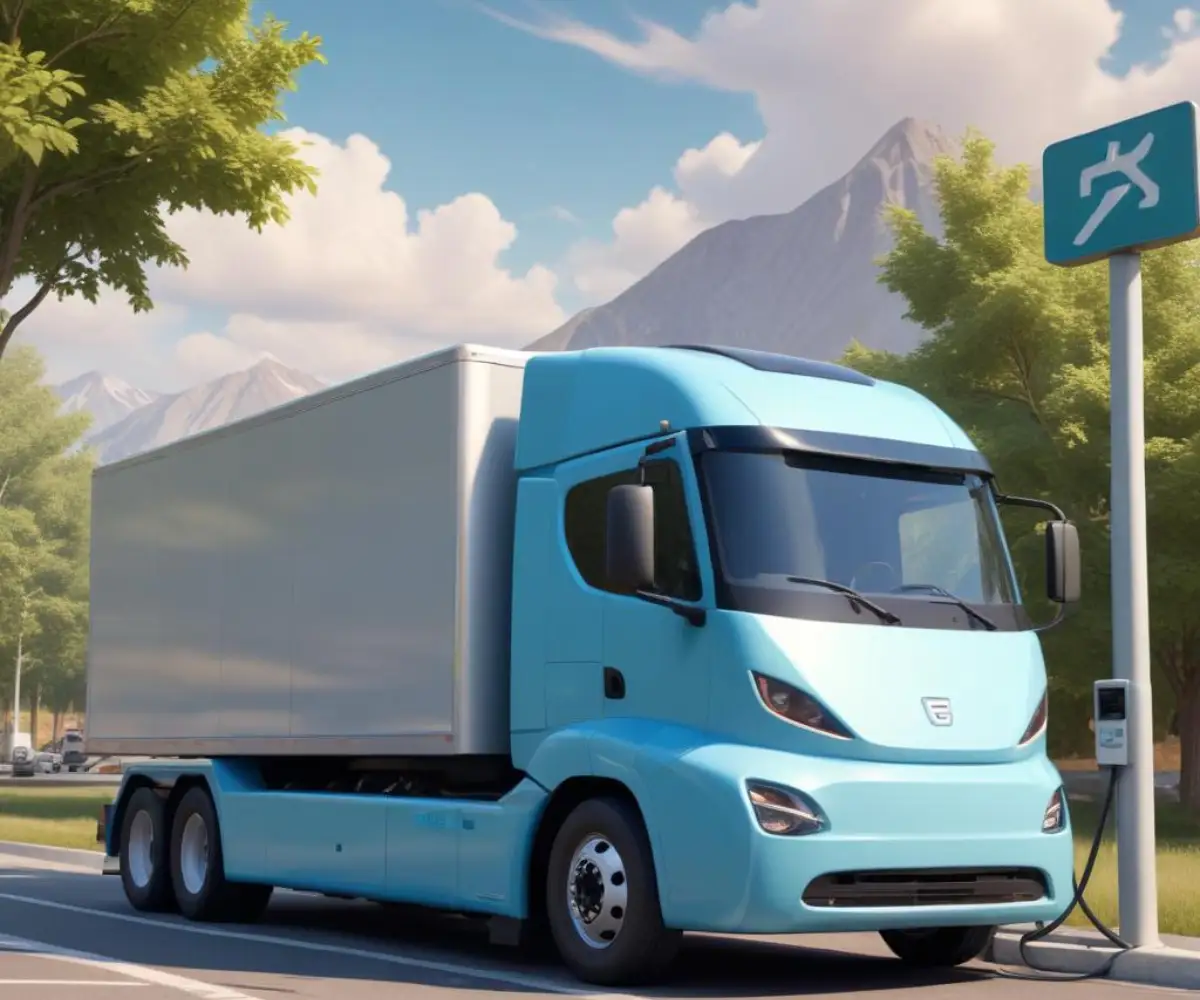
Choosing the Right Home Charging Station for Your Truck
Once you’ve confirmed your home’s electrical system is ready, the next step is selecting the right charging station, also known as Electric Vehicle Supply Equipment (EVSE). The market is filled with options, but a few key features will determine the best fit for your truck and your lifestyle.
Hardwired vs. Plug-In Chargers
Level 2 chargers come in two main types: plug-in and hardwired. A plug-in model connects to a 240-volt outlet (like a NEMA 14-50), offering flexibility if you want to take the charger with you when you move. Hardwired units are permanently connected to the circuit, providing a more robust and weather-resistant installation that can often deliver higher power levels.
For high-power charging, a hardwired installation is typically the superior choice. It eliminates the potential point of failure at the plug and is often required for chargers delivering more than 48 amps of power. This ensures the most reliable and efficient truck charge possible.
Amperage and Your Truck’s Onboard Charger
It’s important to match your charger to your truck’s maximum AC charging speed. Most electric trucks can accept at least 48 amps (11.5 kW), but some can handle 80 amps (19.2 kW) for even faster charging. Installing a charger that’s more powerful than your truck can handle won’t cause any harm, but it won’t charge it any faster, either.
Conversely, choosing a charger that’s less powerful than your truck’s capability will result in slower charging speeds. For homes with sufficient electrical capacity, opting for a higher-amperage charger can be a form of future-proofing. As you evaluate your options, consider how a 100 amp car charger could prepare your home for the next generation of powerful electric vehicles.
Smart Features for a Smarter Home
Modern charging stations are much more than just power outlets. Smart chargers connect to your home’s Wi-Fi, unlocking a host of features through a smartphone app. These features can significantly enhance the ownership experience and save you money.
One of the most valuable features is scheduled charging. This allows you to program your charger to only operate during off-peak hours when electricity rates are lowest. Over the course of a year, this simple feature can save you hundreds of dollars on your energy bills, making your truck charge more economical.
| Feature | Level 1 Charger (120V) | Level 2 Charger (Plug-In) | Level 2 Charger (Hardwired) |
|---|---|---|---|
| Voltage | 120 Volts | 240 Volts | 240 Volts |
| Amperage | 12 Amps | 16 – 40 Amps | 16 – 80+ Amps |
| Typical Charge Time (130kWh Truck) | 80 – 120 Hours | 10 – 14 Hours | 7 – 12 Hours |
| Installation | None (uses standard outlet) | Electrician installs 240V outlet | Electrician wires unit directly |
| Best For | Emergency or occasional use only | Convenience and portability | Maximum power and reliability |
The Secret Weapon: Bidirectional Charging for Home Power
One of the most revolutionary advancements in EV technology is bidirectional charging. This allows power to flow not just into your truck, but also out of it and back into your home. This technology, known as Vehicle-to-Home (V2H), effectively transforms your electric truck into a giant, mobile battery for your house.
In the event of a power outage, a truck equipped with V2H capability can power your entire home for several days. This provides an incredible level of energy security and resilience, eliminating the need for a separate, noisy gas generator. It represents a paradigm shift in how we view vehicles and home energy storage.
Installation: The Critical Final Step
Installing a 240-volt circuit and a Level 2 charger is a complex electrical job that should only be performed by a qualified and licensed electrician. The high voltages and amperages involved present serious safety risks, including electric shock and fire, if not handled correctly. A professional ensures the installation is done to code, is safe, and will perform reliably for years to come.
The cost of installation can vary based on several factors, including the distance from your electrical panel to your garage and whether your panel needs to be upgraded. An electrician will provide a detailed quote after assessing your specific situation, ensuring there are no surprises along the way.
Optimizing Your Space for Your EV Truck
Integrating an electric truck into your home goes beyond just the electrical work. Consider the layout of your garage or driveway to ensure the charging cable can easily reach the truck’s port. Investing in a good cable management system can keep the cord off the floor, preventing a tripping hazard and keeping your space organized.
This is also a great time to evaluate your garage as a whole. Sometimes a charging project is blocked by other pending repairs. Before you can focus on a new charger, you might need to fix that one finicky power tool you rely on, and finding a guide because your DeWalt 20v battery won’t charge can get that project out of the way first. A charging station installation can also be part of a larger garage upgrade, which might include improving security by checking out the best place to buy doors for a more secure and insulated entryway.
Take Charge of Your Home Energy Future
Charging your electric truck at home should be a seamless and convenient experience. By taking the time to understand your home’s electrical capabilities, choosing the right equipment, and relying on professional installation, you can eliminate any power bottlenecks. You will unlock the full potential of your electric truck, ensuring it’s always ready for your next adventure.
Adopting this technology is more than just a new way to fuel your vehicle; it’s a step toward greater energy independence. With a powerful and intelligent home charging setup, you are not just powering your truck—you are future-proofing your home and taking control of your energy needs.
