
Toro No Oil Change Review: The Brutal Truth Behind ‘Never Change Oil’
The promise is undeniably tempting: a lawn mower that never needs an oil change. For homeowners tired of messy, seasonal maintenance, Toro’s “No Oil Change” feature sounds like a dream come true. But does this technology truly deliver a hassle-free mowing experience, or is it a marketing gimmick with hidden long-term consequences?
This review dives deep into the reality of Toro’s innovative engine maintenance system. We will explore the technology behind it, uncover what real users are saying, and reveal the critical maintenance steps you absolutely cannot ignore. The truth is more complex than a simple slogan.
You'll Learn About
What Does “No Oil Change” Really Mean?
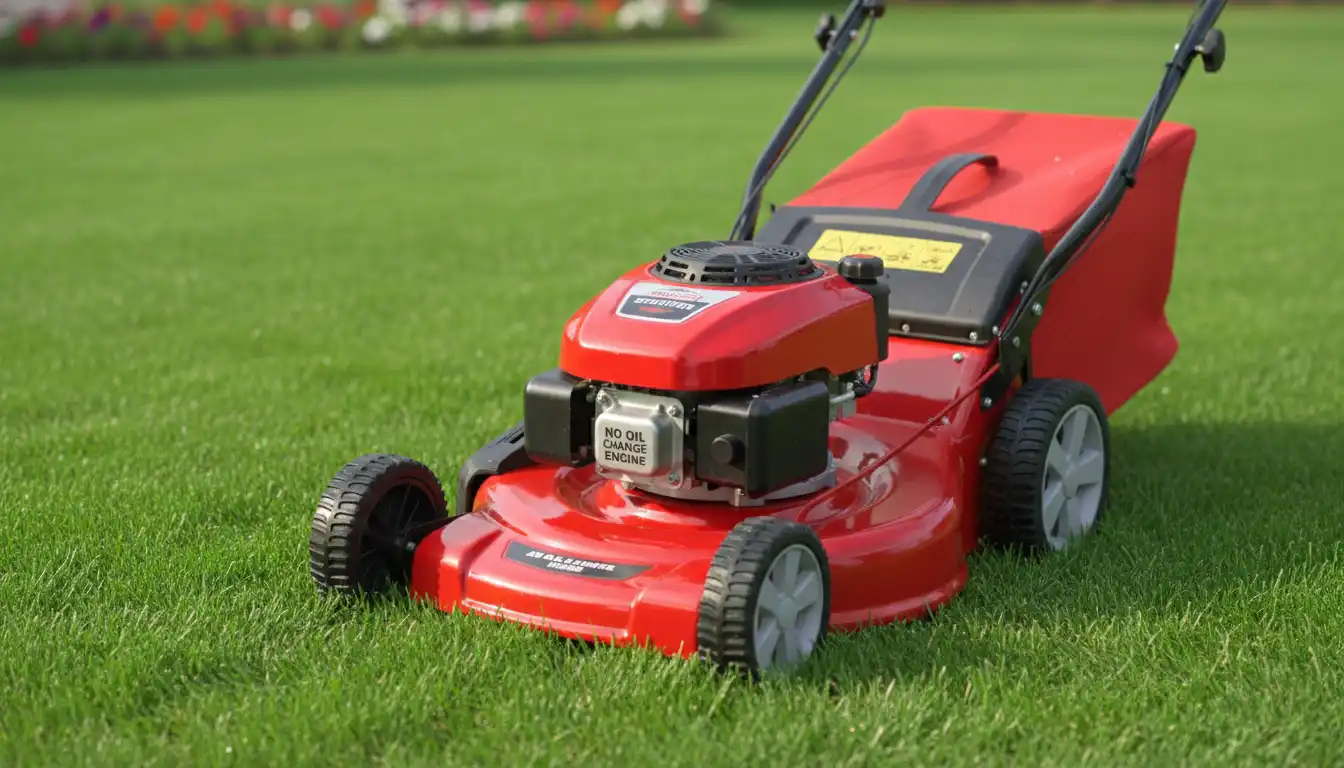
The “No Oil Change” feature, often found on Toro mowers equipped with Briggs & Stratton EXi engines, is officially called the “Just Check & Add” system. The concept is straightforward: instead of draining and replacing the oil each season, you simply check the oil level via the dipstick before each use and top it off if it’s low. This eliminates the most inconvenient part of small engine maintenance.
The technology relies on advanced engine design that includes improved air filtration and cooler operating temperatures. According to Briggs & Stratton, these enhancements significantly reduce the contamination of engine oil from dirt and debris, which is the primary reason oil changes are necessary. The engine is engineered to consume a tiny, controlled amount of oil over time, which is then replenished by the user, effectively “refreshing” the system without a full drain.
The Elephant in the Room: Is This Actually Good for Your Engine?
The central debate among consumers and mechanics is whether forgoing oil changes can lead to premature engine wear. Oil serves two primary functions: lubrication and cleaning. It creates a protective film between moving parts to reduce friction and heat, and it suspends tiny metal particles and combustion byproducts, carrying them away from critical components.
While the “Just Check & Add” system is built on sound engineering principles, skepticism remains about the long-term effects of allowing microscopic debris to accumulate in the oil sump. This concern is valid, especially for mowers used in dusty conditions or for extended periods.
The Case for “Just Check & Add”
The primary benefit is, without a doubt, unmatched convenience. It transforms a tedious, messy chore into a simple, 30-second check. For many homeowners, especially those who aren’t mechanically inclined, this feature is a significant selling point that simplifies lawn care and removes a major barrier to proper maintenance.
Furthermore, the system reduces the environmental impact and hassle of disposing of used motor oil. Modern engine tolerances are much tighter than in older models, meaning there’s less “blow-by” of combustion gases to contaminate the oil. The manufacturer is confident that the engine’s lifespan will not be compromised under typical residential use.
The Brutal Truth: Potential Long-Term Downsides
Despite the advanced design, the laws of physics still apply. Over hundreds of hours of operation, oil’s viscosity—its ability to lubricate effectively—will inevitably break down due to heat cycles. More importantly, without a drain, microscopic metal shavings from normal engine wear have nowhere to go. They remain suspended in the oil, potentially acting like a fine abrasive over time.
This accumulated debris is the system’s biggest potential flaw. While the advanced air filter keeps external dirt out, it does nothing to remove the internal byproducts of engine operation. For users in demanding environments, this could lead to accelerated wear and a reduced engine lifespan compared to an engine with regular oil changes.
User Reviews Uncovered: What Real Owners Are Saying
Online forums and customer reviews paint a mixed but informative picture. A large number of users express satisfaction, praising the convenience and reporting years of trouble-free operation. These owners typically have average-sized suburban lawns and follow the “check and add” instructions diligently.
However, a vocal minority and many small engine mechanics express deep skepticism. They report engines that seem to lose power or start smoking after three to five seasons. Many experienced owners state that they ignore the “no oil change” advice and perform an annual oil change anyway for peace of mind, treating the feature as more of a suggestion than a rule.
The Maintenance You MUST Still Do (The Fine Print)
The “No Oil Change” claim can create a dangerous sense of complacency. Believing the mower is entirely maintenance-free is a fast track to engine failure. The system’s reliability is entirely dependent on performing other routine maintenance tasks flawlessly.
Checking the oil level before every single mow is non-negotiable. The system is designed for gradual oil consumption, and letting the level drop too low can cause catastrophic damage within minutes. The engine’s health is entirely in the user’s hands.
Furthermore, the air filter becomes the single most important component of engine protection. A dirty or improperly seated air filter will allow abrasive dust and debris directly into the engine, contaminating the oil and quickly negating the benefits of the advanced design. The air filter should be inspected frequently and replaced at least once per season, or more often in dusty conditions.
Toro’s No Oil Change vs. Traditional Engines: A Head-to-Head Comparison
To make an informed decision, it helps to see a direct comparison between the two maintenance philosophies. Each has clear advantages and disadvantages depending on the user’s priorities.
| Feature | “No Oil Change” Engine | Traditional Engine |
|---|---|---|
| Routine Maintenance | Must check oil before every use; critical air filter and spark plug maintenance. | Annual oil and filter change; air filter and spark plug maintenance required. |
| Long-Term Cost | Potentially lower due to saving on oil and filters, but risk of earlier engine replacement if neglected. | Slightly higher annual cost for oil and filters, but potentially longer engine lifespan. |
| Potential Lifespan | Adequate for average residential use (5-7 years), but may be shorter under heavy use. | Can often exceed 10+ years with consistent, proper maintenance. |
| Ease of Use | Extremely high. Eliminates messy oil changes, appealing to non-mechanical users. | Requires annual messy oil change, which can be a barrier for some owners. |
| Resale Value | May be lower as educated buyers might be wary of the unknown engine history. | Generally higher, as a history of regular maintenance is a strong selling point. |
Who Should Buy a Toro “No Oil Change” Mower?
This innovative technology is not a one-size-fits-all solution. The ideal customer profile is quite specific, and it’s equally important to know who should steer clear of this feature.
The Ideal User Profile
This mower is perfectly suited for homeowners with small to medium-sized lawns who prioritize convenience. If you are someone who finds annual maintenance intimidating or is likely to forget it, this system provides a simpler path to keeping your mower running. It requires a commitment to checking the oil level, but it removes the biggest hurdle of traditional engine care.
Who Should AVOID It?
If you have a large property (an acre or more), live in a very dusty environment, or use your mower for commercial or semi-commercial purposes, you should avoid this type of engine. The increased runtime and harsh conditions will likely accelerate oil breakdown and contaminant buildup, making traditional oil changes essential for engine longevity. DIY enthusiasts who prefer hands-on maintenance will also find the traditional approach more reassuring.
Extending Your Engine’s Life: The “Secret” Oil Change
Here is a critical piece of advice that many owners eventually discover: you can still change the oil, even if the manufacturer says you don’t have to. While many of these engines lack a traditional drain plug on the bottom, the oil can be easily removed through the fill tube using a simple and inexpensive fluid extractor pump.
Performing an oil change once every season or two provides the ultimate peace of mind. It physically removes any suspended metal particles and broken-down oil, effectively resetting the clock on engine wear. This “secret” maintenance step combines the day-to-day convenience of the “Just Check & Add” system with the long-term protection of traditional engine care.
Beyond the Lawn: How Toro Innovates Across Product Lines
Toro’s commitment to user-friendly features isn’t limited to its lawn mowers. The company applies similar innovative thinking to its winter equipment, recognizing that homeowners appreciate reliability and ease of use in every season. When the grass stops growing and the snow starts falling, many people face the tough decision of choosing a snowblower.
This choice often leads to brand comparisons, sparking the ultimate Toro vs Cub Cadet snowblower debate among homeowners seeking the best performance. Understanding the nuances of different brands is just as crucial with snow equipment as it is with mower engines. For instance, budget-conscious buyers frequently ask, are MTD snow blowers any good when compared to the established industry leaders? Even the most premium machines can present unique challenges, such as the infamous Honda snowblower hydrostatic fluid nightmare, proving that no brand is entirely exempt from specific maintenance needs.
Final Verdict: Is the Toro No Oil Change Mower a Smart Buy?
The Toro mower with the “No Oil Change” feature represents a significant trade-off. You are exchanging the proven, long-term security of annual oil changes for unparalleled convenience. For the right user—one with an average yard and a diligent habit of checking the oil level—it is a perfectly reliable and sensible choice that simplifies lawn care.
However, it is not a magic bullet that eliminates maintenance. The health of the engine shifts from an annual chore to a weekly check-up. Neglecting to check the oil level or clean the air filter is a far greater sin on this engine than on a traditional one. The “No Oil Change” feature is a remarkable piece of engineering, but it doesn’t defy the fundamental principles of mechanics and wear.
