
Sliding Glass Door Threshold Too High? This Is the #1 Fix
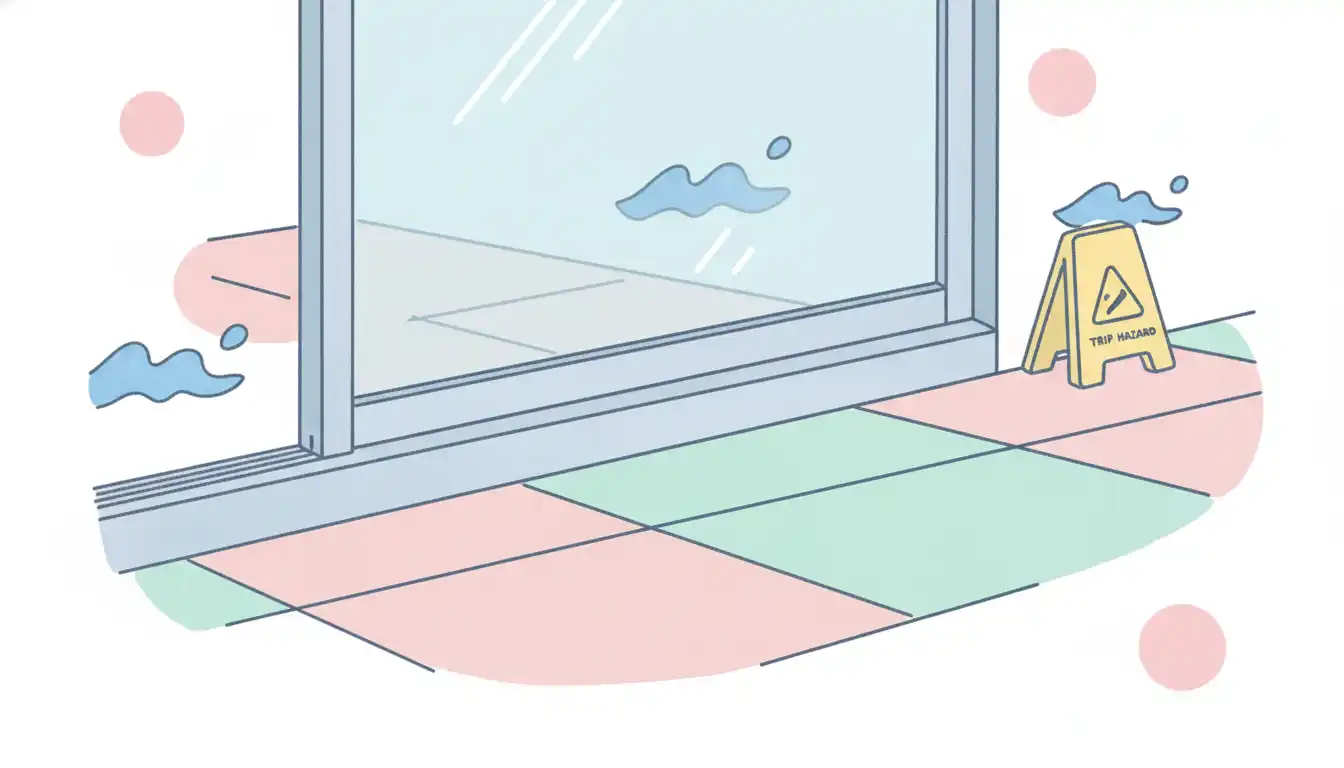
That beautiful sliding glass door connecting your home to the outdoors can quickly become a source of daily frustration. You know the feeling—that awkward, unexpectedly high step up and over the threshold. It’s not just an inconvenience; it’s a constant, low-grade hazard lurking in your home.
Every time you, a family member, or a guest stumbles, it’s a stark reminder that this threshold is more than just a nuisance. It is a genuine safety concern, a tripping hazard for everyone, and a significant barrier for those with mobility challenges.
You'll Learn About
Why Is Your Sliding Glass Door Threshold So High? Uncovering the Root Causes
A high threshold isn’t just a random design flaw; there are specific, often overlapping, reasons behind its existence. Understanding why your threshold is elevated is the first step toward finding the right solution for your home.
Original Construction and Subfloor Variations
The most common cause of a high threshold dates back to the home’s original construction. Builders often set sliding door frames directly onto the subfloor. This is done before the final interior flooring, like hardwood, tile, or thick carpeting, is installed.
This method ensures a secure, weatherproof installation of the door itself. However, it creates a height difference once the finished flooring is laid down, leaving the door’s threshold significantly higher than the walking surface.
Flooring Upgrades and Added Layers
Over the years, homeowners renovate. A common update is installing new flooring over the old, such as laying luxury vinyl plank over existing tile. Each new layer adds height to your interior floor.
While this is a cost-effective way to update your home’s look, it progressively increases the height difference between your floor and the fixed sliding door threshold. What might have been a minor step becomes a pronounced and hazardous ledge.
Designed for Water and Weather Protection
Many thresholds, especially in regions prone to heavy rain or snow, are intentionally designed to be high. This height acts as a dam, a crucial barrier to prevent water from infiltrating your home. Some manufacturers build their doors with exceptionally high sills specifically for weather performance, which can be a surprise after installation.
While this design protects your home from water damage, it creates the very tripping hazard you’re dealing with now. This is a classic case of function over daily convenience and safety.
The Hidden Dangers of a High Threshold
A high sliding door threshold is more than just an aesthetic issue. It poses real, everyday risks that can impact your family’s safety and the accessibility of your home.
A Serious Tripping Hazard for Everyone
The number one issue with a high threshold is the risk of tripping. It’s an unexpected obstacle in a high-traffic area. Children running in from the yard, adults carrying groceries, and elderly family members are all at risk of catching a foot and falling.
This can lead to everything from minor scrapes to serious injuries. The constant need to be mindful of this “step” detracts from the seamless indoor-outdoor living experience a sliding door is meant to provide.
Accessibility Barriers for Wheelchairs and Walkers
For individuals using wheelchairs, walkers, or other mobility aids, a high threshold is not just an inconvenience—it’s a barrier. The Americans with Disabilities Act (ADA) has specific guidelines for thresholds in accessible spaces, recommending they be no higher than 3/4 inch for exterior sliding doors. Many residential thresholds far exceed this.
This lack of accessibility can make it difficult or impossible for some family members or guests to move freely between indoor and outdoor spaces, limiting their independence and enjoyment of the home.
Unsightly Appearance and Flooring Nightmares
A high threshold creates an awkward and jarring visual transition between your indoor flooring and the door. It can make a brand-new floor installation look unfinished and poorly planned.
Trying to find a transition strip or molding that can elegantly bridge a significant height gap is often a frustrating and unsuccessful endeavor. The result is a clumsy, unprofessional finish that detracts from your home’s beauty.
Lowering the Bar: Actionable Solutions for Your High Threshold
Fortunately, you don’t have to live with a hazardous and inconvenient threshold. Several solutions are available, ranging from simple adjustments to more involved modifications. The best approach for you will depend on the height of your threshold, your budget, and your DIY comfort level.
Solution 1: The Simple Fix – Adjusting the Door Rollers
Before considering more drastic measures, check your door’s roller adjustments. Most sliding doors have adjustment screws located on the bottom edges of the door panel, sometimes hidden behind plastic plugs. Turning these screws can raise or lower the door within its frame.
While this adjustment range is typically small (around half an inch), it might be just enough to reduce the severity of the threshold height. This should always be your first step, as it’s the easiest and requires no modification to the door or floor.
Solution 2: Modifying the Surrounding Floor
If roller adjustment isn’t enough, the next logical step is to address the floor itself. The goal is to create a gradual slope or mini-ramp up to the threshold. This can be achieved in a few ways:
- Custom Wood Transition: A skilled carpenter or DIYer can create a custom transition piece from a species of wood that matches your flooring. This piece can be sanded and shaped to create a gentle, attractive ramp.
- Flooring Reducer Strips: For smaller height differences, a standard flooring reducer might work. However, for a significantly high threshold, you may need to stack or modify these, which can sometimes look clumsy.
- Pourable Floor Leveler: In some cases, particularly with concrete subfloors, you can use a self-leveling compound to build up the area immediately in front of the threshold before installing a final flooring piece over it.
Solution 3: Installing a Threshold Ramp
When accessibility is the primary concern, a dedicated threshold ramp is often the best solution. These ramps are specifically designed to provide a smooth transition for wheelchairs and walkers. They come in various materials:
- Rubber Ramps: These are durable, slip-resistant, and can be easily trimmed to fit the exact height and width of your doorway. They are a practical and cost-effective option.
- Aluminum Ramps: Often adjustable and lightweight, aluminum ramps are strong and weather-resistant, making them suitable for both indoor and outdoor use.
- Custom Kits: Some companies offer three-piece kits designed specifically for sliding doors, including an interior ramp, an exterior ramp, and a bridge piece to cover the door track itself.
While a ramp is highly functional, it can also be bulky. Consider the aesthetics and how it will fit into your living space. Sometimes, a well-designed ramp is the perfect fix for a tricky situation, especially when dealing with a significant height difference that could otherwise resemble a sliding screen door being too short for its frame.
| Solution | Best For | Cost | DIY Effort | Effectiveness |
|---|---|---|---|---|
| Roller Adjustment | Minor height issues (< 1/2 inch) | Low (Free) | Low | Moderate |
| Floor Modification | Moderate height issues (1/2 to 1.5 inches) | Moderate | Medium to High | High |
| Threshold Ramp | Major height issues & accessibility needs | Moderate to High | Low | Very High |
| Full Replacement | Severe height issues & desire for modern door | Very High | Professional Install | Complete |
The Ultimate Solution: Replacing the Threshold or Entire Door
In some situations, particularly during a major renovation or when the existing door is old and inefficient, the best long-term solution is a full replacement. This allows you to address the problem at its source.
When Is Replacement Necessary?
Consider replacement if your threshold is excessively high (over 2 inches), if the door is in poor condition, or if you are already planning a remodel of the area. A high threshold can sometimes be a sign of improper initial installation, which a new door can correct. Dealing with constant issues like these might remind you of the frustrations with a specific brand, like some homeowners experience with a Costco screen door.
Choosing a Low-Profile or Flush Sill Option
When shopping for a new door, specifically ask for models with low-profile or flush thresholds. These doors are engineered with accessibility and seamless transitions in mind. They often feature advanced drainage systems built into the track, which effectively manage water without requiring a high dam-like sill.
Installing a door with a flush sill involves recessing the door track into the subfloor. This requires careful planning with your builder or installer to ensure both the interior and exterior finished floor levels meet the threshold perfectly, creating a truly barrier-free entrance.
Pro Tips for a Seamless and Safe Transition
Once you’ve chosen a solution, the details matter. Proper execution ensures your fix is not only effective but also durable and safe.
Selecting the Right Transition Strips
If you are modifying the floor, choose your transition material carefully. For wood or laminate floors, a matching reducer strip provides the cleanest look. For tile, you might consider a Schluter-style metal edge for a sharp, modern finish. The key is to ensure the transition piece is securely fastened to the subfloor to prevent it from becoming a new tripping hazard.
Weatherproofing Your New, Lower Threshold
If you’ve lowered the threshold or installed a new one, weatherproofing is critical. Ensure the area under and around the threshold is properly sealed with high-quality caulk and flashing. Proper drainage on the exterior is also essential. A lower threshold can sometimes make your home more vulnerable to pests, so sealing gaps is as crucial as when you find ants coming through your door.
Frequently Asked Questions (FAQ)
Can I just cut the existing threshold down?
No, this is not recommended. The threshold is an integral structural part of the door frame and contains the track and drainage channels. Cutting it would compromise the door’s integrity, weather resistance, and smooth operation.
How high is too high for a sliding door threshold?
For accessibility, the ADA suggests a maximum height of 3/4 inch for exterior sliding doors. From a safety perspective, any threshold that requires a conscious effort to step over can be considered too high and poses a tripping risk.
Will installing a ramp outside cause water problems?
It can if not done correctly. An exterior ramp should be installed so that it slopes away from the house and does not obstruct the threshold’s drainage weep holes. Using materials like rubber or pressure-treated wood that can withstand the elements is crucial.
You no longer have to put up with a sliding glass door threshold that’s a daily hazard. By understanding the cause and exploring these practical solutions, you can create a safer, more accessible, and more beautiful transition between your indoor and outdoor living spaces.
Final word
The common, elevated threshold of a sliding glass door highlights an often-overlooked failure point in home design: the conflict between weatherproofing and ease of use. What is intended to be a beautiful connection to the outside becomes a daily impediment, serving as a persistent tripping hazard for able-bodied users and a significant barrier to accessibility for others. Ultimately, addressing this high step is essential for transforming a frustrating architectural necessity into a truly seamless and safe transition, ensuring the gateway to the outdoors is welcoming and inclusive for everyone who uses it
