
Sell Hardwood Flooring: Turn Your Planks into Profit Today
Hardwood flooring is more than just a surface to walk on; it’s a significant investment in your home’s beauty and value. Many homeowners, however, overlook the potential to monetize this asset, leaving money on the table.
Whether you have leftover planks from a renovation or are preparing to sell your home, understanding how to market your hardwood is crucial. This guide provides a comprehensive strategy to turn your flooring into a financial gain.
You'll Learn About
Why Your Hardwood Flooring is a Hidden Financial Asset
In the world of home and garden upgrades, few materials hold their value like solid hardwood. Its timeless appeal, durability, and ability to be refinished make it a consistently sought-after feature for homeowners and builders alike.
The demand for high-quality wood remains strong, driven by both aesthetic trends and a growing interest in sustainable, long-lasting materials. Selling your unused or reclaimed flooring not only puts cash in your pocket but also contributes to a circular economy, reducing waste.
The Two Primary Ways to Sell Hardwood Flooring
Homeowners typically face two distinct scenarios: selling leftover or reclaimed wood as a material, or marketing the existing floors as a key feature during a home sale. Each path requires a unique approach to maximize your return.
Understanding the nuances of both methods is the first step. One involves logistics and direct sales, while the other is about presentation and enhancing your property’s overall marketability.
Path 1: Selling Leftover or Reclaimed Hardwood Planks
After a flooring project, it’s common to have extra boxes of planks stored in a garage or basement. These aren’t just scraps; they represent a tangible asset that many buyers, from DIY enthusiasts to contractors, are actively looking for.
Selling this material requires a bit of prep work but can yield a surprising return. The key is to present it professionally and find the right marketplace.
Preparing Your Flooring for a Successful Sale
First impressions matter, even for raw materials. Before you list your flooring, take the time to prepare it properly. Clean the planks thoroughly, removing any dust or debris.
Measure the total square footage you have available accurately. Take clear, well-lit photographs from multiple angles, showcasing the wood grain, color, and condition. Potential buyers will want to see exactly what they are getting.
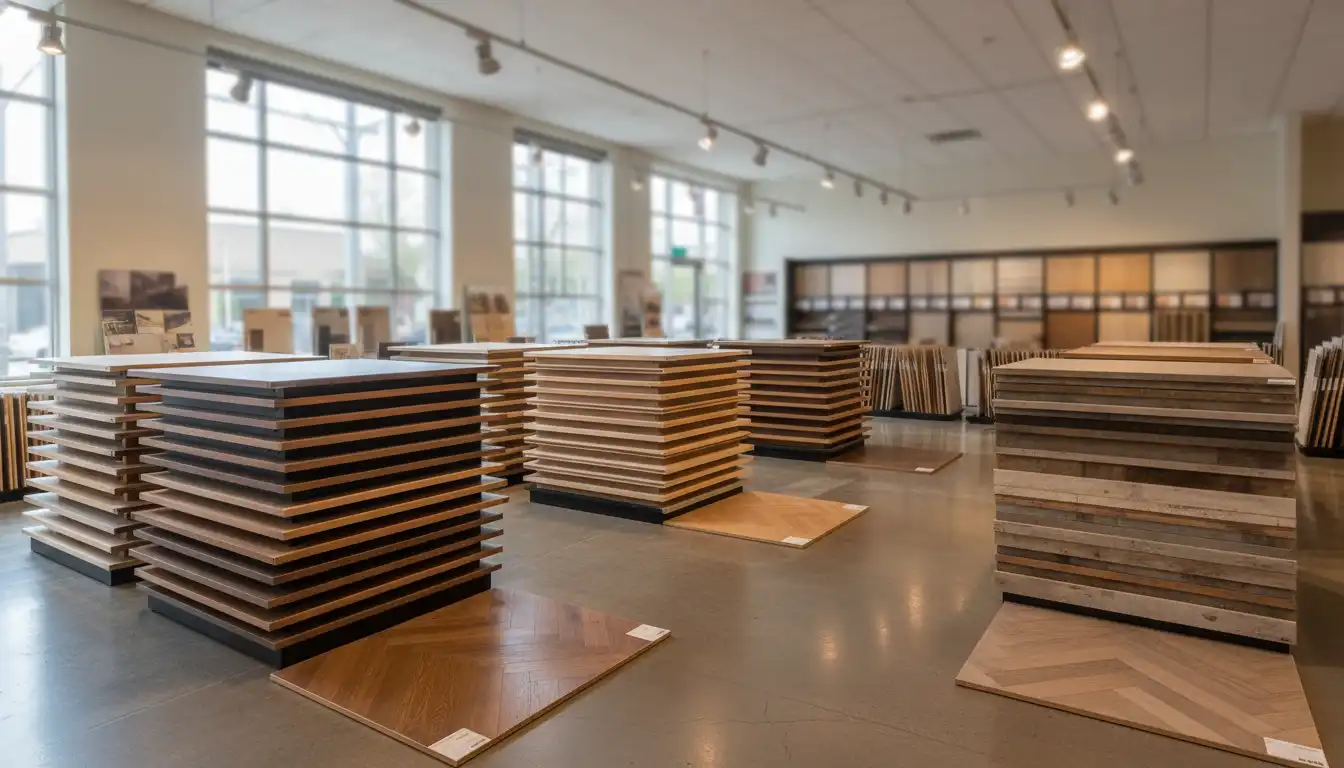
Creating a Compelling and Informative Listing
Your online listing is your sales pitch. The title should be clear and include key details like the wood species, plank width, and total square footage. For example, “For Sale: 150 sq. ft. of Unused 5-inch White Oak Hardwood Flooring.”
In the description, provide as much detail as possible. Include the manufacturer (if known), the type of finish, the length of the planks, and whether they are solid or engineered. Be honest about the condition and mention if the planks are new in the box or carefully removed from a previous installation.
Choosing the Right Platform to Sell Your Planks
Where you list your flooring can significantly impact your success. Different platforms cater to different types of buyers. Consider the pros and cons of each to find the best fit for your specific material.
Local online marketplaces are excellent for avoiding shipping complexities, while specialized forums can connect you with serious buyers seeking specific types of wood. Exploring various options, much like reading Rhino flooring reviews before a purchase, is a critical step.
| Platform | Ideal For | Potential Pros | Potential Cons |
|---|---|---|---|
| Facebook Marketplace | Quick local sales, DIYers | Large local audience, no fees | May attract lowball offers |
| Craigslist | Local contractors and homeowners | Simple to use, wide reach | Risk of scams, less visual |
| Architectural Salvage Stores | Vintage or reclaimed wood | Targets niche buyers, may pay more | May take a commission or buy outright for less |
| Flooring Forums (e.g., Reddit) | Specific or high-end wood species | Connects with knowledgeable buyers | Requires shipping, smaller audience |
Path 2: Making Floors a Star Feature in Your Home Sale
When you sell your house, your hardwood floors are one of its most powerful selling points. Buyers often perceive hardwood as a premium feature, and homes with well-maintained wood floors can command higher prices and sell faster.
The goal is to transition the floor from a simple surface to a memorable highlight of the home tour. This requires a focus on presentation, cleanliness, and minor repairs.
The Psychology of a Flawless First Impression
When a potential buyer walks into your home, their eyes are naturally drawn downward. Gleaming, clean hardwood floors create an immediate impression of quality and care, setting a positive tone for the entire viewing.
This initial reaction is powerful. It suggests that the entire home has been well-maintained, building trust and making the property more desirable. This is a detail many sellers unfortunately overlook.
Deep Cleaning and Minor Repairs: The Non-Negotiables
Before listing your home, go beyond routine sweeping and mopping. A professional-level deep clean can restore much of the floor’s original luster. Use a pH-neutral cleaner designed specifically for hardwood.
Inspect every room for minor scratches, scuffs, or small gaps between planks. Use wood filler sticks or stain markers for cosmetic scratches. Addressing these small imperfections shows attention to detail and prevents buyers from mentally deducting repair costs from their offer.
The Big Question: To Refinish or Not to Refinish?
Deciding whether to completely refinish your floors before selling is a major consideration. A full refinishing can make old floors look brand new but comes with a significant cost and time commitment. This is a different consideration than when you’re exploring options like in these Nexxacore flooring reviews, where installation is the final step.
Assess the condition honestly. If the floors have deep scratches, significant wear patterns, or a dull, hazy finish, refinishing could offer a substantial return on investment. However, if they are in good condition, a deep clean and polish may be all that is needed.
Staging Secrets to Highlight Your Hardwood
Proper staging ensures your floors are the center of attention. Remove unnecessary area rugs to show off as much of the continuous wood grain as possible. The rugs you do use should be small and strategically placed to define a space, not hide the floor.
Arrange furniture to create clear walking paths and allow natural light to reflect off the floor’s surface. Open curtains and blinds fully before every showing. Good lighting is crucial for making the wood look rich and vibrant.
Critical Mistakes That Devalue Your Hardwood Flooring
Whether selling planks or a property, certain mistakes can quickly diminish your potential profit. Being aware of these common pitfalls is essential for a successful outcome.
From poor photography to incorrect pricing, these errors are easily avoidable with a little planning. Don’t let a simple oversight cost you hundreds or even thousands of dollars.
Ignoring the Power of Good Photography
For both material listings and real estate marketing, photos are everything. Grainy, dark, or blurry pictures will fail to attract buyers. Use a high-quality camera and take photos in bright, natural light.
Capture the overall space to show how the floors look in a room, and also take close-up shots to highlight the wood’s texture and condition. This visual evidence builds buyer confidence.
Misidentifying Your Wood Species
Correctly identifying your wood is critical for setting a fair price and attracting the right buyers. Is it a common species like Red Oak, or something more exotic like Brazilian Cherry? Different woods have vastly different values.
If you’re unsure, consult a flooring professional or use online wood identification guides. Providing accurate information establishes you as a credible and trustworthy seller. It’s as important as understanding the technology behind modern options, such as the hardened wood in Välinge flooring reviews.
Frequently Asked Questions
What is the best way to sell leftover hardwood flooring?
You can sell extra hardwood flooring through online marketplaces like Craigslist, Facebook Marketplace, and eBay. For local transactions, consider using apps like NextDoor or holding a yard sale. To attract buyers, be sure to provide clear photos and a detailed description of the flooring.
Does installing or refinishing hardwood floors add value to my home?
Yes, refinishing existing hardwood floors before selling can create a positive first impression on potential buyers. Installing new hardwood floors can also increase your home’s resale value, with studies showing a high return on investment. The actual value added will depend on various factors, including your local market and the overall condition of your home.
What is reclaimed hardwood flooring?
Reclaimed hardwood flooring is wood that has been salvaged from old structures such as barns, warehouses, and factories. It is sought after for its unique character, historical significance, and durability. The price of reclaimed wood can vary widely based on the type of wood, its condition, and availability.
What details should I include when listing my hardwood flooring for sale?
When selling your hardwood flooring, it’s important to include the wood type, the dimensions of the planks, and the total square footage available. You should also provide a clear description of its condition and include several high-quality photos. Don’t forget to mention your location for pickup or shipping arrangements.
Is it better to sell solid or engineered hardwood?
Both types of flooring have their selling points. Solid hardwood is known for its durability and the ability to be sanded and refinished multiple times. Engineered hardwood offers more resistance to moisture, making it suitable for a wider range of locations in a home, including basements.
Final Thoughts: Your Flooring is a Valuable Investment
Treating your hardwood flooring as the valuable asset it is can lead
to significant financial returns. A strategic approach, whether selling
leftover material or showcasing it in a home sale, is the key to
unlocking its full potential.
By investing a small amount of time in preparation, presentation, and
smart marketing, you can ensure your beautiful hardwood floors provide
one final, tangible return. Make your floors work for you.
