
Scotts 16 HP 42 Mower Price: Is This Classic a Steal or a Scrap Heap?
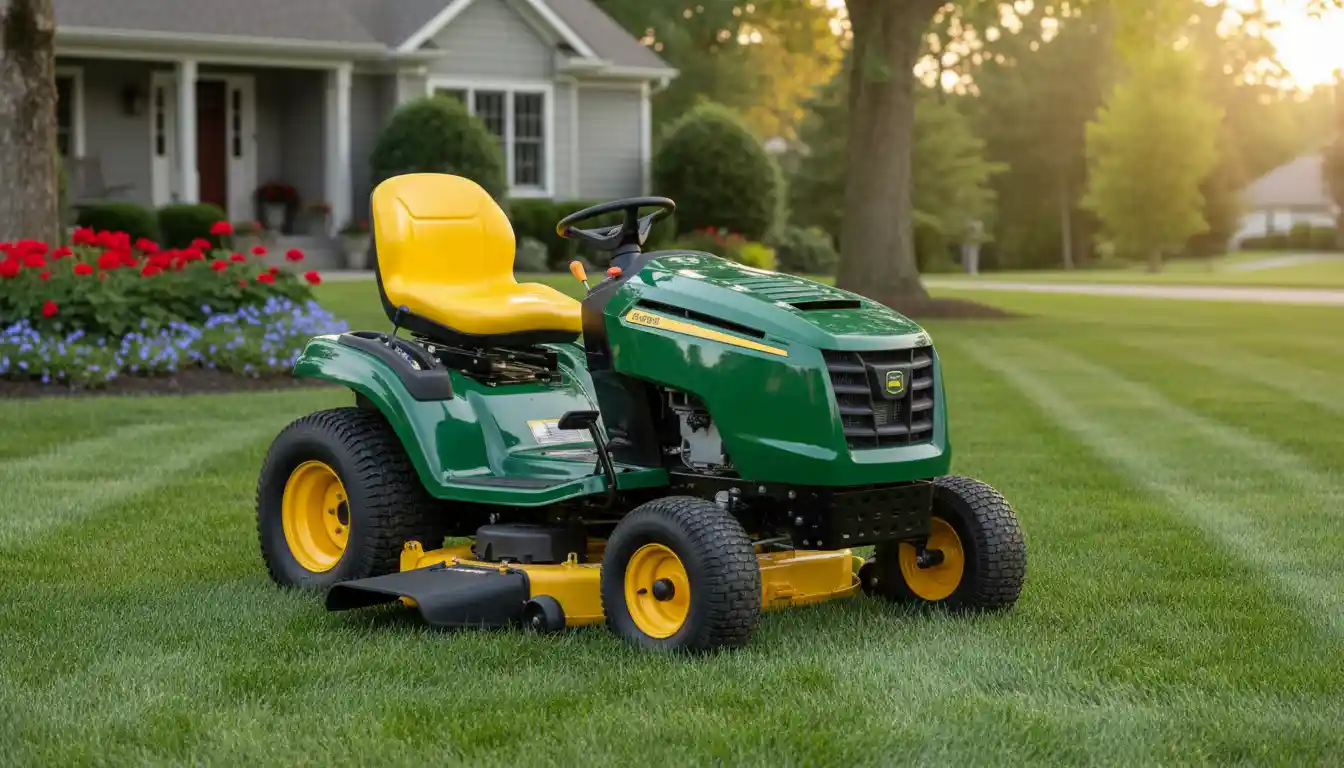
You spot it online or at a neighborhood garage sale: a classic green and yellow Scotts 16 HP 42-inch riding mower. The asking price seems almost too good to be true, sparking an immediate question: what is a fair price for this machine, and are you about to land a bargain or inherit a heap of problems?
Determining the value of this specific mower is the core problem for potential buyers. Without knowing its history, common failure points, and true market value, you’re essentially gambling. This guide provides the solution, breaking down everything you need to know to assess the price and condition of a Scotts 16 HP 42″ mower.
You'll Learn About
Uncovering the John Deere Connection: The Truth Behind the Brand
The first thing to understand is that you’re not just buying a “Scotts” mower; you’re buying a machine built by John Deere. During the late 1990s and early 2000s, John Deere manufactured a line of lawn tractors for Scotts, which were sold in big-box stores. This particular model, often identified as the S1642, shares much of its DNA with John Deere’s own Sabre line and the later L-series tractors.
This heritage is a significant advantage. It means the mower was built in John Deere’s Tennessee factory with a level of quality often exceeding typical store brands. More importantly, it signifies that many mechanical parts are interchangeable with John Deere models, making repairs and maintenance far more manageable than for other defunct brands.
Decoding the Price: What Is a Fair Value in this Year?
The price of a used Scotts S1642 can range from less than a hundred dollars to over $600. This massive variance is due entirely to its condition, location, and any included accessories. A “salvage” or “for parts” machine might be listed for as little as $200, while a well-maintained, fully functional mower can command a much higher price. An asking price of around $500 to $650 is common for units in good, running condition, though some experts consider this to be on the higher end for a private sale.
Ultimately, the “price” is only the starting point. The true cost depends on the machine’s mechanical and structural integrity. A cheap mower that needs a new transmission or has a rusted-through deck is no bargain at all.
Used Scotts 1642 Price Guide by Condition
This table provides a realistic snapshot of what you can expect to pay based on the mower’s overall state. Use it as a starting point for your negotiation.
| Condition | Typical Price Range (USD) | Key Characteristics |
|---|---|---|
| Excellent | $500 – $700+ | Starts immediately, runs smoothly, no smoke. All safety features work. Deck is solid with no rust holes or loud spindles. Good tires. |
| Good / Functional | $300 – $500 | Runs and cuts reliably but may have cosmetic issues like a cracked hood or torn seat. May need minor tune-up parts (belts, filters). |
| Needs Work | $150 – $300 | May have running issues (e.g., needs carburetor cleaning, new battery, or solenoid). Deck might have some rust or worn spindles. Sold “as-is.” |
| For Parts / Salvage | $50 – $150 | Does not run. Major issues like a seized engine, failed transmission, or severely rotted deck. Valuable only for its remaining good parts. |
The Pre-Purchase Inspection: Your Shield Against a Bad Buy
Before you even think about negotiating the price, a thorough inspection is non-negotiable. This mower is over two decades old; hidden problems are not a possibility, but a probability. Arm yourself with this checklist to avoid common pitfalls.
The heart of this mower is its 16-horsepower Kohler Command engine. These are generally robust, single-cylinder engines, but they are prone to specific issues after years of service. A little diligence here can save you from a costly engine rebuild.
The Engine Gauntlet: A Step-by-Step Check
First, ask the seller not to start the mower before you arrive. You need to see how it performs from a cold start. A seller who insists on having it “warmed up for you” may be hiding starting or smoking issues.
When you turn the key, listen carefully. A single click often points to a bad solenoid or faulty safety switch, which are relatively minor fixes. If the engine turns over slowly, the battery may be weak, or the starter could be failing. If it starts, pay close attention to the exhaust for smoke. Blue smoke indicates burning oil (worn piston rings or gaskets), while white smoke can suggest a blown head gasket. Both are serious issues.
The Mower Deck: More Important Than the Engine
A failed engine can be replaced, but a rotted-out mower deck often signals the end of the machine’s life. The 42-inch deck on the S1642 is its primary tool, and it’s also the component most exposed to moisture and wear. Get on the ground and inspect it closely.
Look for soft spots, cracks, or visible holes, especially around the spindle mounts. Tap the steel with a screwdriver handle to listen for solid metal versus the dull thud of thin, rusted steel. While the mower is running, engage the blades and listen for loud rumbling or screeching noises, which indicate failing deck spindles.
Transmission and Test Drive
The S1642 typically uses a hydrostatic transmission, which should provide smooth forward and reverse motion. During a test drive, ensure it moves without jerking or whining loudly. Any hesitation or weakness, especially when going up an incline, is a major red flag that could signal a failing transmission—one of the most expensive components to replace.
The True Cost of Ownership: Beyond the Initial Price Tag
Owning a vintage mower like the Scotts S1642 is a rewarding experience for the right person, but the initial purchase price is just the entry fee. You must budget for the inevitable reality of maintenance and repairs.
The good news is that standard maintenance parts like air filters, fuel filters, spark plugs, blades, and belts are widely available and affordable. Thanks to the John Deere connection, many mechanical parts are also cross-compatible, providing a safety net for repairs. However, model-specific cosmetic parts, like the plastic hood, are notoriously brittle and difficult to find in good condition.
One of the most significant advantages of this machine is its simplicity. For the mechanically inclined owner, most common problems—from carburetor cleaning to replacing a starter—are straightforward DIY projects. This is not a mower for someone who expects turn-key, maintenance-free operation; it is a machine for the homeowner who enjoys tinkering and values durability over modern bells and whistles. Properly caring for attachments, such as a snow blower, is also crucial. A common issue like a stuck snow blower shear pin can often be resolved with basic tools and preventative maintenance.
Addressing Common Owner Frustrations
Researching forums and owner discussions reveals several recurring pain points with the Scotts S1642. Understanding these ahead of time prepares you for what to expect.
Problem: Engine bogs down or backfires when blades are engaged. This is a frequent complaint, often traced back to the fuel system. After years of use, ethanol in gasoline can degrade fuel lines and clog the tiny jets in the carburetor. A thorough carburetor cleaning or rebuild often solves this issue.
Problem: Blades won’t stay engaged. Some users report the PTO (blade engagement) lever vibrating out of position during use. This can be caused by a worn-out tensioner spring or an improperly adjusted deck belt linkage, preventing the mechanism from locking securely in place.
Problem: Electrical gremlins and starting issues. Given its age, electrical connections can become corroded and safety switches (on the seat, brake pedal, and PTO) can fail. These can cause frustrating no-start conditions that are often simple to fix by cleaning connections or bypassing a faulty switch for testing purposes.
A Note on Proper Storage and Longevity
The lifespan of any riding mower is directly tied to how it’s stored. Leaving it exposed to the elements will rapidly degrade the deck, wiring, and seat. Just as knowing how hot an attic can get helps protect stored valuables, understanding that moisture is a mower’s worst enemy is key to its preservation. Store the mower in a dry shed or garage, especially during the winter, to prevent rust and corrosion that can turn a reliable machine into a parts donor.
Final Verdict: Should You Buy a Scotts 16 HP 42″ Mower?
The Scotts 16 HP 42-inch riding mower, a rebadged John Deere, represents a unique value proposition. It hails from an era when lawn tractors were built with heavier steel and simpler, more repairable mechanics. For the right buyer, it is an absolute steal.
You should buy this mower if: You are comfortable performing basic maintenance, have a medium-sized lawn, and appreciate the durability of older machinery. If you see a machine that has been clearly well-maintained and the price is right, it can provide many more years of reliable service. The key is to find one where the engine, transmission, and deck are all in solid shape.
You should avoid this mower if: You want a modern, feature-rich machine with a warranty and dealer support. If you are not mechanically inclined or are unwilling to spend time on upkeep, a new mower—even an entry-level one—will be a more suitable, albeit more expensive, choice. Remember, the true value of this Scotts mower isn’t just its price, but the perfect balance of its durable past and your willingness to maintain its future.
