
Reliant Tools: Unlock Vintage Power for Your Modern Workshop?
You stumble upon it at a garage sale or a dusty corner of an online marketplace: a heavy, cast-iron machine with the name “Reliant” on its faded decal. It feels substantial, a relic from an era when tools were built to last. The problem is, you’ve never heard of the brand, and the price seems too good to be true. Is this a hidden gem that can transform your home and garden projects, or is it a rusty headache waiting to happen?
This uncertainty is a common roadblock for DIY enthusiasts. You need reliable equipment, but your budget isn’t unlimited. The allure of vintage, heavy-duty machinery is strong, but the fear of buying an unsupported, low-quality tool is even stronger. Many potential buyers walk away, missing out on what could be a workshop workhorse.
You'll Learn About
Decoding the Reliant Legacy: From Store Brand to Workshop Staple
Understanding Reliant Tools requires a look back a few decades. Reliant wasn’t a standalone manufacturer but a house brand, primarily sold by Woodworker’s Warehouse, a popular retail chain that ceased operations in the early 2000s. These tools were largely manufactured in Taiwan, often as clones of popular designs from brands like Delta. This business model was common, aiming to provide affordable machinery to the burgeoning home workshop market.
The quality of these tools is a frequent topic of debate among woodworkers and DIYers. While some dismiss them as low-tier imports, many users report decades of reliable service with proper setup and maintenance. The consensus is that while they may lack the refinement of premium brands, their core components—heavy cast-iron tables, sturdy frames, and basic, powerful motors—provide a solid foundation for excellent work.
The Core Appeal: Heavy Metal Where It Counts
The primary advantage of most Reliant stationary tools lies in their construction. Unlike many modern benchtop tools that rely heavily on plastic and aluminum, Reliant machines like bandsaws, drill presses, and jointers often feature robust cast-iron bodies. This mass provides stability, dampens vibration, and contributes to more accurate work. For tasks like resawing lumber for a garden bed or drilling precise holes for a new deck railing, a stable machine is non-negotiable.
This heavy build quality is a feature that is now often reserved for much more expensive, professional-grade equipment. Finding a used Reliant tool can be a cost-effective way to get the benefits of a massive, stable machine without the premium price tag. The key is knowing what to look for and how to assess its condition before you buy.
Your Pre-Purchase Inspection: How to Spot a Winner, Not a Dud
Buying a used Reliant tool doesn’t have to be a gamble. A thorough inspection can reveal whether you’re looking at a future workshop hero or a pile of scrap metal. Focus on the fundamental components that are difficult or expensive to repair. Cosmetic issues like chipped paint or surface rust are often trivial, but a warped table or a damaged motor can be deal-breakers.
Start by checking all cast-iron surfaces, especially the main table of a bandsaw or jointer, with a straightedge. Look for any warping, significant pitting, or cracks. Next, spin the wheels, spindle, or cutterhead by hand. It should move smoothly and quietly. Any grinding noises or excessive play could indicate worn-out bearings—a fixable but necessary repair.
The Motor and Moving Parts Checklist
The motor is the heart of any power tool. If possible, plug the tool in and turn it on. Listen for any unusual noises and check for excessive vibration. A motor that starts slowly or seems underpowered might have a failing capacitor, which is a relatively easy and inexpensive fix. However, a motor that smokes or makes loud electrical humming noises could be nearing the end of its life.
Examine the adjustment mechanisms, such as the blade tensioning system on a bandsaw or the depth adjustment on a drill press. These parts are often made of cheaper “pot metal” and can be a weak point. Ensure they move freely and lock securely. While you’re inspecting, check your workshop’s readiness for such a machine; for instance, ensuring you have a proper safety plan, which might include deciding whether to replace a wired smoke detector with a wireless model for better coverage.
The Big Challenge: Sourcing Parts and Manuals for a Ghost Brand
The single biggest drawback of owning a tool from a defunct brand is the challenge of finding parts. Since Woodworker’s Warehouse is long gone, you can’t simply order a replacement part from the manufacturer. This is where the fact that many Reliant tools are clones of other popular models becomes a massive advantage.
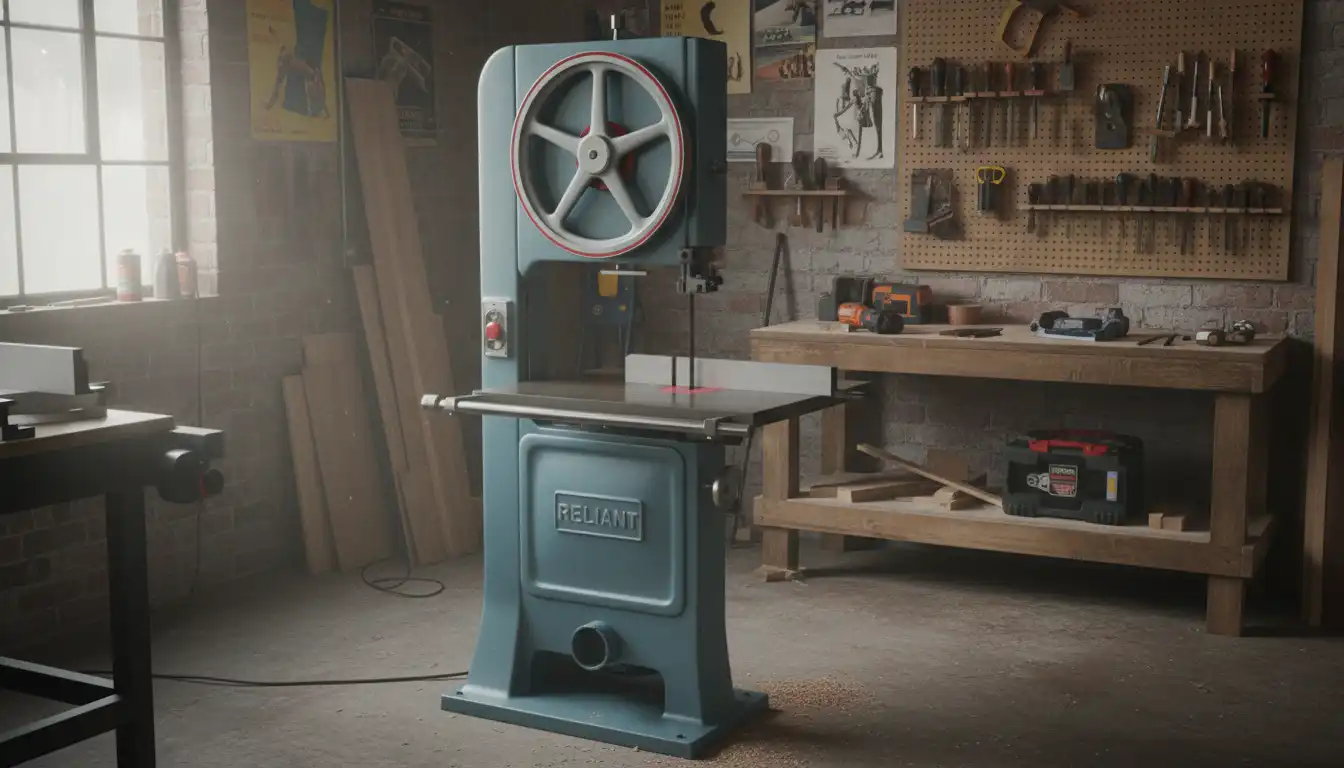
Many Reliant 14-inch bandsaws, for example, are nearly identical copies of the classic Delta 14-inch model. This means that a wide range of parts—from blade guides and tires to trunnions and knobs—are often interchangeable. Aftermarket suppliers and even Delta’s own replacement parts can frequently be used to repair or upgrade a Reliant machine. This cross-compatibility is the secret to keeping these vintage tools running for years.
Upgrade Paths for Vintage Power
Beyond simple repairs, the clone nature of Reliant tools opens up a world of upgrades. You can often outfit an old Reliant bandsaw with modern Carter-style bearing guides, a high-quality fence system, or new urethane tires. These upgrades can transform a decent-performing old tool into a machine that rivals modern, mid-tier equipment in accuracy and ease of use. This blend of old-school heavy iron and new-school precision components offers the best of both worlds.
For home and garden projects, this can be a game-changer. Imagine building custom cedar planters or a beautiful garden arch. A well-tuned vintage bandsaw with modern upgrades will allow for the precise, clean cuts needed for professional-looking results. Just as you might consider a Titan Deck Foot Anchor for a solid foundation on a new deck, think of these upgrades as creating a solid foundation for your tool’s performance.
Common Reliant Tools for the Home and Garden DIYer
While Reliant offered a range of machinery, a few models are particularly well-suited for common home and garden tasks. The 14-inch bandsaw is arguably the most versatile. It’s perfect for cutting curves for decorative garden stakes, resawing thicker boards into thinner slats for a trellis, or making precise joinery cuts for outdoor furniture.
The Reliant drill press is another invaluable tool. Its heavy cast-iron table and powerful induction motor make drilling through thick deck posts or steel for gate hardware a simple task. Likewise, a Reliant jointer can be used to flatten and square rough lumber, allowing you to create perfectly smooth and straight boards for building anything from a simple birdhouse to a complex custom potting bench.
Below is a table outlining the pros and cons to consider when looking at a used Reliant tool for your workshop.
| Aspect | Pros | Cons |
|---|---|---|
| Build Quality | Often features heavy cast-iron construction, providing excellent stability and vibration damping. | Smaller components like knobs and handles may be made from lower-quality plastic or pot metal. |
| Price | Typically available on the used market for a fraction of the cost of a new, comparable machine. | The final cost may increase if immediate repairs or upgrades (like new bearings or a motor capacitor) are needed. |
| Performance | With proper tuning and a good blade or bit, performance can be excellent and suitable for serious hobbyist use. | Stock fences and guides are often mediocre and may require upgrading for precision work. |
| Parts & Support | Many models are clones of popular Delta or Jet tools, making some parts easy to find from aftermarket sources. | There is no official manufacturer support; finding model-specific parts can be very difficult or impossible. |
| Maintenance | Simple, robust mechanical designs make them relatively easy for users to maintain and repair themselves. | Requires a willingness to tinker and troubleshoot issues, as professional repair services may be unfamiliar with the brand. |
The Verdict: Is a Reliant Tool Right for Your Workshop?
Ultimately, a Reliant tool is not for everyone. If you want a machine that works perfectly out of the box with a full warranty and customer support, you should buy new. However, if you are a DIYer who enjoys the process of tuning and upgrading equipment and you want to get heavy-duty machine performance on a light-duty budget, a used Reliant tool can be an incredible value.
These machines represent an opportunity to own a piece of solid, old-school iron that, with a little bit of effort, can become a cornerstone of your home and garden workshop. The satisfaction of taking a forgotten, dusty machine and turning it into a precision tool for building beautiful, functional projects is a reward in itself. Keep an eye out—that next great tool for your workshop might just be hiding in plain sight, waiting for a second chance to shine.
