
Play Music in Your Kitchen: The Ultimate Sound System Guide
The kitchen is the heart of the home, a place of creation, conversation, and connection. Yet, it’s often the most acoustically neglected room in the house. You try to play music from your phone, only to have the tinny sound swallowed by the sizzle of a pan or the hum of the refrigerator. This transforms a potentially joyful cooking experience into a frustrating one, leaving you with disjointed noise instead of an inspiring soundtrack.
The core problem isn’t just about volume; it’s about the kitchen’s uniquely hostile environment for audio. Hard surfaces like granite countertops, tile floors, and stainless steel appliances cause sound to bounce and echo uncontrollably. Add the constant threats of steam, grease, and spills, and it becomes clear why a standard speaker just won’t cut it.
You'll Learn About
Why Your Kitchen Deserves Great Sound
Integrating a proper sound system into your kitchen is about more than just background noise. It’s about transforming a functional space into an experiential one. The right music can make monotonous chopping feel like a rhythmic dance, turn a simple dinner preparation into a creative session, and elevate a casual get-together into a memorable event.
A dedicated audio setup provides clarity and depth that a phone speaker can never match. It allows you to hear every note of a song or every word of a podcast, even over the clamor of kitchen activities. This creates a more immersive and enjoyable atmosphere, making the time you spend there more pleasant and productive.
The Kitchen Sound Challenge: Acoustics and Environment
Kitchens are acoustic nightmares by design. The abundance of hard, reflective surfaces—stone, glass, metal, and hardwood—creates significant reverberation, or echo. This makes music sound harsh, muddled, and distant. Furthermore, ambient noise from appliances like dishwashers, exhaust fans, and even a quietest convection oven can compete with your audio, forcing you to turn up the volume to unhealthy levels.
Beyond acoustics, the physical environment poses a risk to electronics. Moisture from boiling pots, grease splattering from pans, and the ever-present danger of spills can damage or destroy speakers not built to withstand such conditions. Choosing a solution that is both acoustically appropriate and environmentally resilient is critical.
Choosing Your Perfect Kitchen Audio Solution
Finding the right way to play music in your kitchen depends on your budget, installation comfort level, and desired aesthetic. From simple portable options to fully integrated systems, there is a solution for every home. The key is to match the technology to your lifestyle and the physical realities of your space.
Consider how you use your kitchen. Is it a solo sanctuary for culinary experiments, a bustling family hub, or a chic space for entertaining guests? Your answer will guide you toward the ideal audio setup that enhances, rather than complicates, your daily routine.
The Simple Start: Portable Bluetooth Speakers
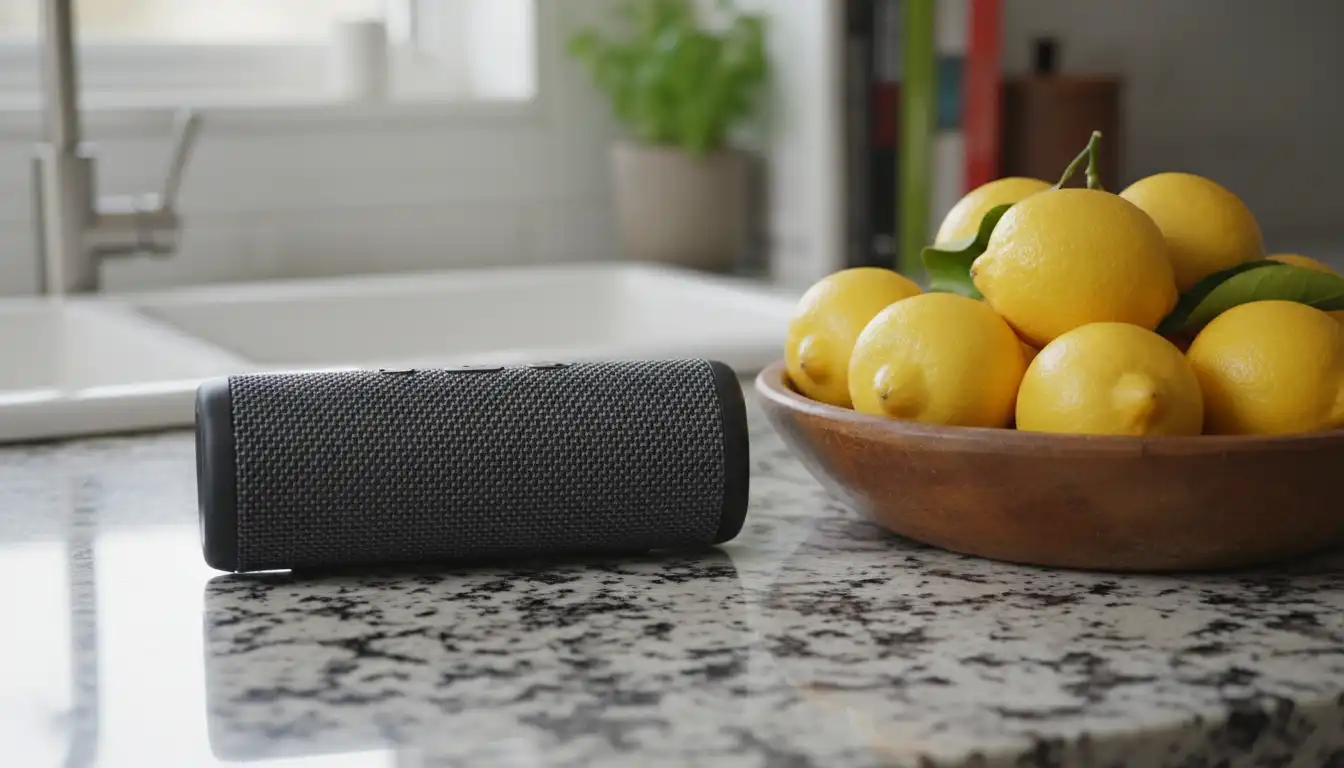
For a straightforward and flexible solution, a portable Bluetooth speaker is an excellent entry point. These devices offer the ultimate convenience: no wires, no complex installation, and the ability to move the speaker wherever you need it. Modern Bluetooth speakers have come a long way, offering impressive sound quality in a compact package.
When selecting a portable speaker for the kitchen, prioritize models with a high IP (Ingress Protection) rating, such as IPX7, which ensures they are waterproof and can withstand splashes or even brief submersion. Good battery life is also essential, allowing you to enjoy hours of music without interruption. Many of these speakers are small enough to sit on a shelf or counter without consuming valuable workspace.
The Smart Hub: Voice-Activated Smart Speakers
Smart speakers, like the Google Nest or Amazon Echo, are arguably the most practical solution for a kitchen environment. Their primary advantage is hands-free voice control. When your hands are covered in flour or handling raw ingredients, the ability to change the song, adjust the volume, or ask for a measurement conversion with just your voice is a game-changer.
These devices are more than just speakers; they are kitchen assistants. You can set multiple cooking timers, add items to your shopping list, and even have recipes read aloud to you step-by-step. While a single smart speaker may not offer audiophile-grade stereo sound, its sheer utility makes it a top contender for the modern kitchen.
The Integrated Approach: In-Ceiling & In-Wall Speakers
For those seeking a seamless, high-performance audio experience, in-ceiling or in-wall speakers are the ultimate solution. These systems are permanently installed, keeping your countertops completely free of clutter. By placing speakers directly overhead, you can achieve even, room-filling sound that seems to come from nowhere.
This approach is ideal for new builds or major renovations but can be retrofitted into existing kitchens. It is crucial to choose moisture-resistant models specifically designed for environments like kitchens and bathrooms. While the installation is more involved and may require professional help, the aesthetic and acoustic results are unparalleled, offering a truly premium listening experience.
The Under-Cabinet Option: Space-Saving Sound
In smaller kitchens where every inch of counter space is precious, under-cabinet audio systems are an ingenious solution. These units mount directly beneath your upper cabinets, staying out of the way of your cooking and prep areas. They often include features like a radio, Bluetooth connectivity, and even a small screen.
This type of speaker is a perfect fit for compact living spaces, such as in a 440 square feet apartment, where maximizing utility is key. While they may not produce the deep bass of larger speakers, they provide clear, accessible sound right where you need it most. Installation is typically straightforward, requiring just a few screws and access to a power outlet.
| Speaker Type | Average Cost | Sound Quality | Installation | Space-Saving |
|---|---|---|---|---|
| Portable Bluetooth | $50 – $250 | Good to Very Good | None (Plug & Play) | Excellent (Moveable) |
| Smart Speaker | $40 – $200 | Good | Minimal (Plug & Play) | Very Good (Small Footprint) |
| Under-Cabinet | $60 – $150 | Fair to Good | Moderate (DIY Friendly) | Excellent (Off-Counter) |
| In-Ceiling/In-Wall | $300 – $1000+ | Very Good to Excellent | Complex (Professional Advised) | Perfect (Invisible) |
Placement is Everything: Optimizing Your Kitchen Acoustics
Simply buying a great speaker isn’t enough; where you place it has a massive impact on sound quality. The unique acoustic challenges of the kitchen require thoughtful speaker placement to avoid harsh reflections and muddy bass. A few strategic adjustments can dramatically improve your listening experience without costing anything.
The goal is to work with the room, not against it. By understanding how sound behaves among hard surfaces, you can find the sweet spot that delivers clear, balanced audio throughout the space. This attention to detail separates a mediocre setup from a truly great one.
Countertops, Corners, and Cabinets
Avoid placing speakers directly in corners. While this might seem like a space-saving move, corners can amplify bass frequencies in an unnatural way, leading to a boomy, unbalanced sound. Similarly, placing a speaker deep inside a cabinet enclosure will muffle the audio, stripping it of its clarity and detail.
The ideal location is typically on an open shelf or a section of countertop away from walls and major appliances. Keep speakers at least a few feet away from your microwave and refrigerator to prevent electronic interference. Elevating the speaker slightly, perhaps on a small stand, can also help minimize sound wave reflections off the countertop surface.
Taming Reflections: Softening Your Kitchen’s Sound
The primary acoustic problem in kitchens is excessive reverberation from hard surfaces. You can mitigate this by introducing soft materials to absorb sound. While you may not want to lay down wall-to-wall carpeting, small changes can make a big difference.
Consider adding a fabric runner on the floor, placing a valance or Roman shade over the window, or using upholstered bar stools at your island. Even something as simple as a fruit bowl lined with a cloth napkin or a collection of cork trivets on the counter can help break up sound waves and reduce harsh echoes, leading to a warmer, more pleasant sound.
Power and Safety: Wiring Your Kitchen for Sound
Properly managing power and cables is crucial for both aesthetics and safety in a kitchen environment. Trailing wires are not only unsightly but also present a significant trip hazard and are vulnerable to damage from spills and heat. A clean, well-planned setup is safer and more reliable.
For any solution that isn’t battery-powered, take the time to plan your power source and cable routes. Hiding wires effectively maintains the clean lines of your kitchen design and protects your investment from the daily chaos of cooking.
Hiding Wires for a Clean Look
For wired speakers, cable management is key. Use adhesive clips or channels to run speaker wire neatly along the underside of cabinets or the top of your backsplash. If you are comfortable with more advanced DIY, you can run wires through the walls for a completely invisible installation, but always ensure any in-wall rated cable is used.
For countertop devices like smart speakers, try to position them near an existing outlet to minimize visible cord length. You can use cable ties or a cable management box to bundle any excess cord and keep it tidy and out of sight.
Safety First: Powering Speakers in a Wet Environment
Never place speakers or power cords directly next to the sink. Water and electricity are a dangerous combination. Use outlets that are located away from primary wet areas. For added safety, ensure that any kitchen outlets you use are protected by a Ground Fault Circuit Interrupter (GFCI), which will automatically shut off the power if it detects a short circuit.
When installing permanent systems like in-ceiling speakers, it is highly recommended to hire a certified electrician. They can ensure that all wiring is up to code and safely integrated with your home’s electrical system, providing peace of mind along with great sound.
Conclusion: Create Your Kitchen’s Perfect Soundtrack
Bringing high-quality music into your kitchen can fundamentally change how you feel about the space. It can turn the chore of meal prep into a moment of relaxation and creativity. By choosing the right speaker system and positioning it thoughtfully, you can overcome the room’s acoustic challenges and create an inviting audio environment.
Whether you opt for a simple portable speaker or a fully integrated system, the goal is the same: to make the heart of your home a more enjoyable place to be. A great kitchen sound system helps you craft the perfect atmosphere for cooking, entertaining, or simply starting your day, making it easier to manage daily tasks. After all, when you are no longer tired of picking up after your family, you can finally reclaim your home and sanity.
