
Quietest Convection Oven: End Kitchen Noise Pollution Now!
The modern kitchen is a hub of activity, a place for creation and conversation. Yet, this central space is often plagued by a persistent, disruptive hum from our most used appliances. The dream of a peaceful home environment is frequently shattered by the roar of a powerful convection oven fan.
This isn’t just a minor annoyance; it’s a genuine disruption to daily life. The constant whirring can make it difficult to hold a conversation, listen to music, or simply enjoy a moment of quiet. For those with open-concept living spaces, the problem is magnified, as oven noise bleeds into dining and relaxation areas.
This article tackles the issue of kitchen noise pollution head-on. We will explore the mechanical reasons behind loud convection ovens and provide a detailed guide to finding a model that cooks brilliantly without the disruptive noise. Reclaim the peace in your home by making an informed, sound-conscious choice.
You'll Learn About
The Hidden Noise Polluter in Your Kitchen
That constant, underlying hum in your home might not be the refrigerator or the dishwasher. A convection oven, essential for its fast and even cooking, is often a primary source of kitchen noise. The technology that makes it so effective is also the source of its sound.
Many homeowners accept this noise as a necessary evil for better cooking results. However, the persistent drone can contribute to a stressful atmosphere, turning the heart of the home into a source of irritation. Understanding the origin of this noise is the first step toward finding a quieter solution.
Why Do Convection Ovens Make So Much Noise?
The distinctive sound of a convection oven comes from several sources working in tandem. It’s more than just a single fan; it’s a combination of mechanical operations, vibrations, and the quality of the appliance’s construction. Identifying these elements is key to selecting a quieter model.
The primary noisemaker is the fan, but the motor that drives it, the materials of the oven cavity, and the overall build quality all play significant roles. A poorly designed or cheaply made oven will amplify these sounds, whereas a well-engineered appliance will actively work to dampen them.
The Convection Fan: The Heart of the Noise
The core of convection technology is a fan, typically located at the back of the oven, that circulates hot air. This circulation eliminates hot spots and cooks food more evenly and quickly. However, the design of this fan system is critical to its noise output.
The shape of the fan blades, the speed at which they rotate, and the type of motor used all contribute to the sound level. Older or less advanced models often use basic motors that create a noticeable whir or hum. As these components age and wear, they can develop squeaks, rattles, or grinding sounds, indicating a need for maintenance or replacement.
Vibration and Build Quality
A powerful fan motor inevitably creates vibrations. In a well-built oven, these vibrations are absorbed by a sturdy frame and high-quality, dense materials. The gauge of the steel used in the oven’s construction and the precision of its assembly make a substantial difference.
Conversely, ovens constructed with thinner metal panels or looser fittings will rattle and buzz as the fan operates. These vibrations can transfer to surrounding cabinetry, amplifying the noise throughout the kitchen. A heavy, solid oven is often a quieter oven.
The Overlooked Role of Insulation
Insulation in an oven serves two purposes: retaining heat for energy efficiency and dampening sound. High-quality insulation, typically made of dense fiberglass or mineral wool, creates a barrier that traps both heat and sound waves within the oven cavity.
Manufacturers focused on user experience invest in superior insulation. This not only improves cooking performance and reduces energy consumption but also significantly cuts down on operational noise. An oven that is cool to the touch on the outside during operation is likely well-insulated and, therefore, quieter.
How to Measure and Understand Oven Noise Levels
Sound is measured in decibels (dBA). Understanding this scale is crucial when comparing appliances. A quiet library is around 30 dBA, a normal conversation is about 60 dBA, and a garbage disposal can easily exceed 80 dBA.
Unfortunately, many oven manufacturers do not list dBA ratings in their specifications, unlike dishwasher brands. This makes direct comparison difficult and forces consumers to rely on user reviews and professional testing. As a general rule, a convection oven operating below 50 dBA is considered quiet.
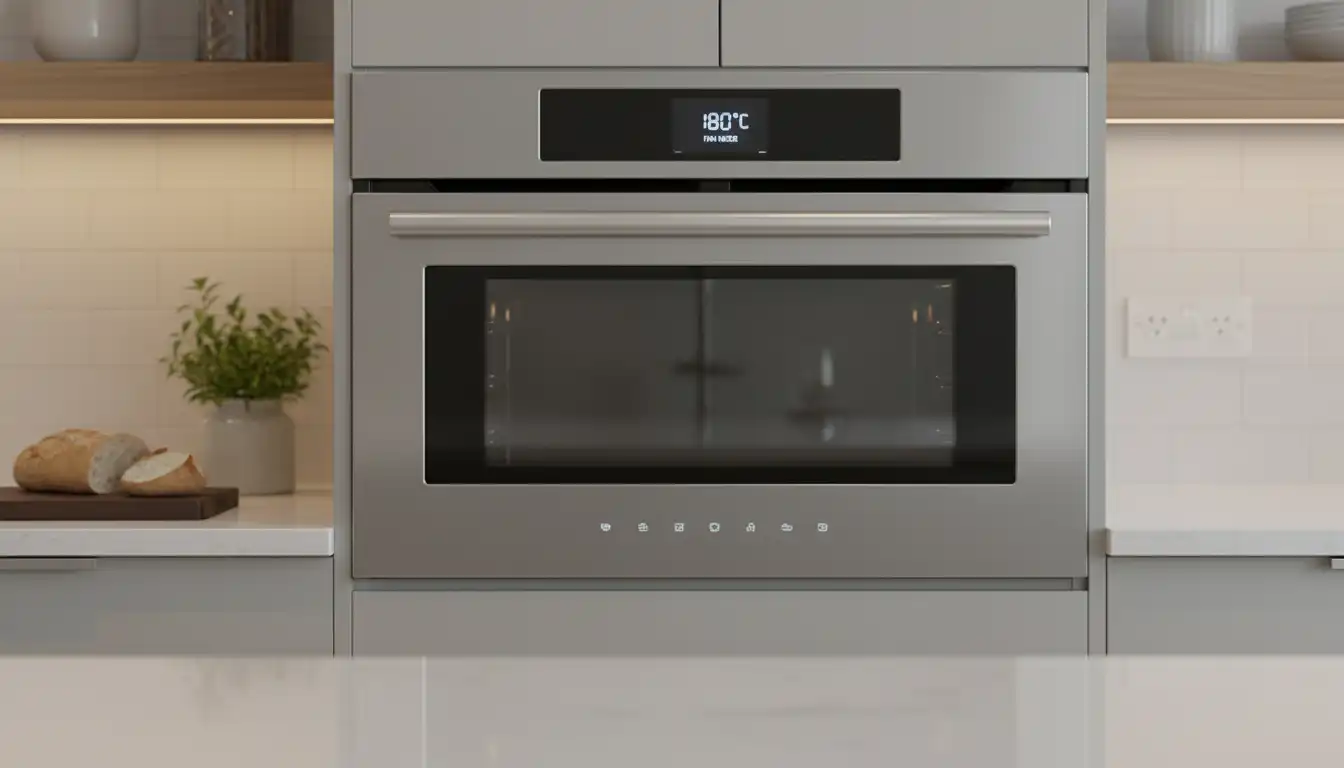
An oven that operates in the 50-60 dBA range will be noticeable but may not be overly intrusive. Anything above 60 dBA will actively compete with conversations and other household sounds. When noise is a top priority, seeking out any available decibel information can be a deciding factor.
| Appliance | Average Decibel Level (dBA) | Perceived Loudness |
|---|---|---|
| Whisper | 30 dBA | Very Faint |
| Modern Refrigerator | 35-45 dBA | Quiet Hum |
| Quiet Convection Oven | 45-50 dBA | Noticeable but Soft |
| Normal Conversation | 60 dBA | Moderate |
| Standard Convection Oven | 60-65 dBA | Intrusive |
| Garbage Disposal | 80+ dBA | Very Loud |
Key Features of the Quietest Convection Ovens
When searching for a quiet convection oven, certain design and technology features serve as reliable indicators of lower noise output. These are the elements that premium brands focus on to deliver a superior and more peaceful user experience. Paying attention to these details can guide you to a quieter appliance.
From the motor that powers the fan to the materials that encase the oven, every component plays a role in sound management. A truly quiet oven is a result of intentional engineering choices aimed at minimizing noise at its source and containing what little sound remains.
Advanced Fan Technology
The quietest ovens often utilize brushless DC motors for their convection fans. These motors are more energy-efficient and operate with significantly less noise and vibration than traditional AC motors. They offer smoother, more controlled fan speed adjustments, eliminating abrupt and loud changes in sound.
The design of the fan blades also matters. Some manufacturers have developed proprietary blade shapes that move air more efficiently and quietly. Look for terms like “whisper-quiet fan” or “silent convection” in product descriptions, as these indicate a focus on noise reduction technology.
Superior Construction and Materials
Heavier gauge stainless steel is a hallmark of a high-quality, quiet oven. Thicker metal panels are less prone to vibrating and rattling when the convection fan is running. This robust construction provides a solid, stable housing that dampens internal mechanical noises.
Some premium models also incorporate specific sound-dampening materials within the oven’s structure. These materials, similar to those used in the automotive industry, are strategically placed to absorb vibrations from the fan motor and other moving parts before they can become audible.
Multi-layered Glass and Door Seals
A significant amount of noise can escape through the oven door. The quietest models feature doors with three or even four panes of glass. These multiple layers, with air or gas sealed between them, create an excellent thermal and acoustic barrier.
Additionally, high-quality, robust door gaskets are essential. A tight-fitting, seamless seal not only prevents heat from escaping but also traps sound inside the oven cavity. When you close the door on a premium oven, it should feel solid and seal completely, contributing to both its efficiency and quiet operation.
Top Considerations When Shopping for a Quiet Oven
Armed with knowledge about what makes an oven quiet, you can now shop more strategically. Beyond the feature list, there are practical steps you can take to assess the potential noise level of an oven before you buy it. This due diligence is crucial for ensuring your new appliance meets your expectations for a peaceful kitchen.
Combining technical specifications with real-world user feedback will give you the most accurate picture. Don’t rely on marketing claims alone; dig deeper to find the truth about an oven’s performance in a real home environment.
Decibel Ratings: The Unspoken Specification
While not always available, it is always worth searching for a dBA rating for any model you are considering. Check the manufacturer’s website, product manuals, and online retail Q&A sections. Sometimes another customer has already asked the question and received an answer from the brand.
If you cannot find a specific rating, look for descriptive terms. Brands that have invested in quiet technology will often advertise it, using phrases like “sound-absorbing insulation,” “low-noise operation,” or “ultra-quiet performance.” The presence of such language is a positive sign.
Reading User Reviews for Noise Complaints
User reviews are an invaluable resource for information on noise levels. Use the search function on retail and review sites to look for keywords like “noise,” “loud,” “fan,” “hum,” and “quiet.” Pay close attention to reviews that specifically mention the sound of the convection fan.
Be aware that some noise is expected from the cooling fan, which runs after the oven is turned off to protect the electronics. However, numerous complaints about a loud fan during the actual cooking process are a significant red flag.
Countertop vs. Wall Oven: Does it Matter?
Both countertop and built-in wall ovens can be engineered for quiet operation. However, wall ovens often have an advantage due to their integrated nature. Being enclosed by cabinetry provides an extra layer of sound insulation.
High-quality countertop models from reputable brands can also be very quiet. Look for models with a heavy, solid build and features designed to reduce vibration. For either type, proper installation is key to minimizing operational noise.
Beyond the Oven: Silencing Your Kitchen Environment
Choosing a quiet appliance is the most important step, but the surrounding environment can also influence how noise is perceived. You can take additional measures to create an acoustically pleasant kitchen. These small adjustments can enhance the peaceful atmosphere you’re aiming for.
From the installation of the oven itself to the finishes you choose for your kitchen, several factors can help absorb and reduce ambient noise. A holistic approach to kitchen design can result in a truly serene space.
Proper Installation and Leveling
Ensure your oven is perfectly level. An unbalanced oven can cause the fan and other internal components to vibrate excessively, creating unnecessary noise. Whether it’s a freestanding range or a wall oven, use a level to check its position and adjust the feet or supports as needed.
For wall ovens, make sure the appliance fits snugly within its cabinet cutout. Any gaps can create opportunities for vibration and rattling. Use the manufacturer-provided screws and brackets to secure the unit firmly in place.
Sound-Dampening Mats and Cabinetry
For countertop models, placing a dense rubber or silicone mat underneath the appliance can help absorb vibrations. This simple addition prevents the motor’s hum from transferring to and being amplified by the countertop surface.
When renovating, consider the materials of your cabinetry. Solid wood doors tend to absorb more sound than materials like thermofoil or laminate. Even the style of your window treatments can help; soft fabric shades, like elegant roller shades without a cassette, can help dampen sound reflections more effectively than hard blinds.
Is a Premium Model Worth the Peace and Quiet?
There is often a strong correlation between an oven’s price and its noise level. Premium manufacturers invest more in research, development, and high-quality materials, all of which contribute to quieter operation. This focus on the overall user experience is a key differentiator for high-end brands.
When you explore detailed product comparisons, noise is frequently a factor that separates good from great. For example, a deep dive into a Bosch Benchmark vs. 800 Series comparison often reveals subtle but significant improvements in build quality and insulation in the higher-end line, resulting in a quieter appliance.
Ultimately, the decision to invest in a premium model depends on your sensitivity to noise and your budget. For those who value a tranquil home environment, the extra cost for a whisper-quiet oven is often a worthwhile long-term investment in daily comfort.
Maintaining Your Oven for Lasting Quiet Operation
Even the quietest oven can become noisy over time if not properly maintained. Regular cleaning and simple checks can prevent the development of rattles, squeaks, and grinding noises. A little upkeep ensures your oven continues to operate as quietly as the day you bought it.
Just as with any home maintenance task, a proactive approach is best. Tackling these small jobs is straightforward, much like the satisfaction that comes from a perfectly finished project like spraying oil-based stain on a deck; the right preparation and care yield the best results.
Regular Cleaning of the Fan
Grease and food debris can accumulate on the convection fan blades over time. This buildup can unbalance the fan, leading to wobbling and increased noise. It can also put extra strain on the fan motor.
Consult your owner’s manual for instructions on how to access and clean the fan. Typically, this involves removing a protective cover at the back of the oven cavity. A gentle cleaning with a degreasing agent can restore the fan’s balance and quiet operation.
Addressing Rattles and Loose Parts
Periodically check for any loose components inside and outside the oven. Tighten any screws on the back panel or around the fan cover that may have loosened from vibration over time. Ensure oven racks are seated properly, as they can be a common source of rattling.
If you hear a new, distinct rattling or grinding sound, it could indicate a failing fan motor or a foreign object obstructing the blades. In such cases, it is best to stop using the oven in convection mode and consult a professional technician to diagnose and resolve the issue.
Final Thoughts: Reclaim Your Peaceful Kitchen
A quiet kitchen is not an unattainable luxury. By understanding the sources of convection oven noise and prioritizing features designed for sound dampening, you can make a choice that enhances your cooking and preserves the tranquility of your home. A kitchen filled with the delicious aromas of a meal, not the drone of an appliance, is the ultimate goal.
Investing in a quiet convection oven is an investment in your home’s atmosphere. It transforms the kitchen from a noisy workspace into a welcoming hub for family and friends. Enjoy the power and precision of convection cooking, without the disruptive soundtrack.
