Plant Tone vs Miracle-Gro: The #1 Fertilizer Myth Exposed
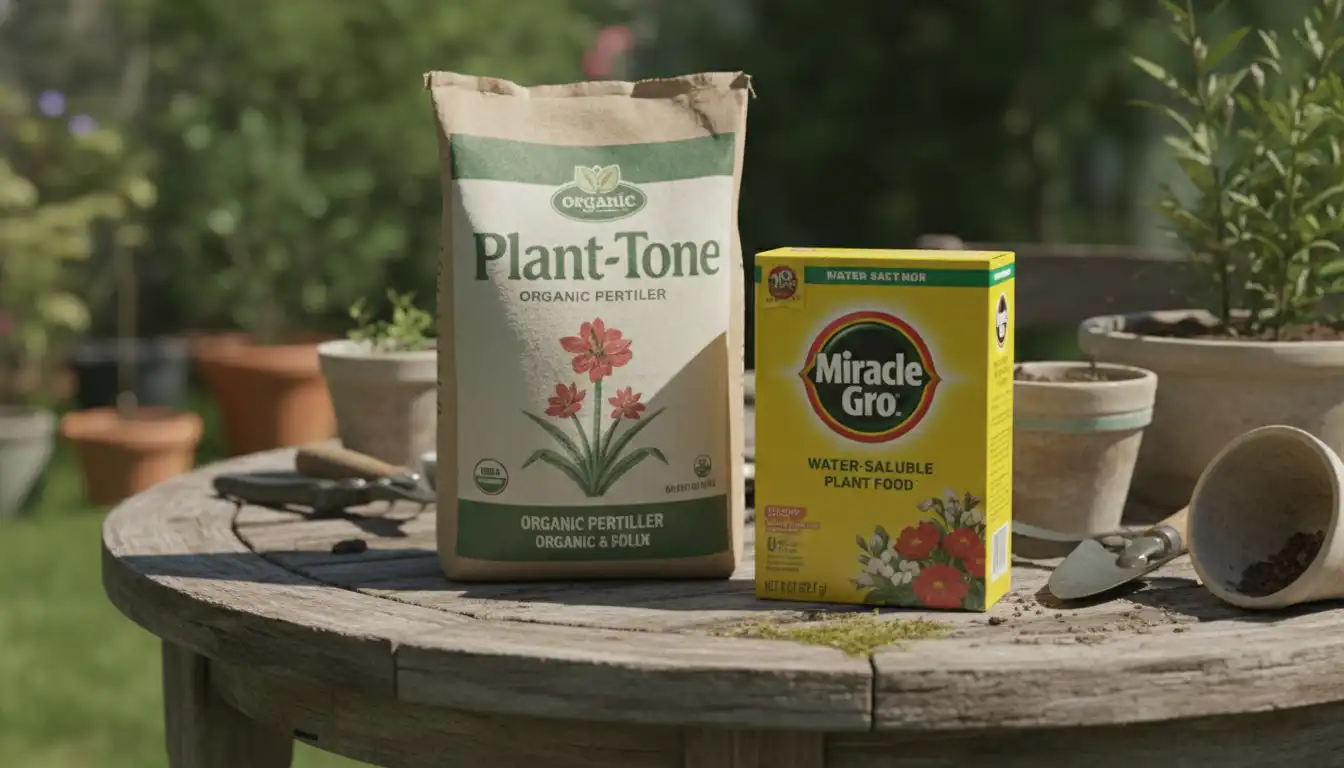
You stand in the garden center aisle, a decision before you that feels surprisingly monumental. In one hand, the familiar, bright blue box of Miracle-Gro promises vibrant, fast results. In the other, the earthy, unassuming bag of Espoma Plant-tone speaks of natural, soil-first gardening.
This single choice represents a fundamental question every gardener faces. Are you feeding your plants for a quick burst of glory, or are you building a thriving garden ecosystem for the long haul? The answer isn’t as simple as one being “good” and the other “bad.”
The real issue lies in understanding what these products fundamentally do and how they impact your garden beyond just making leaves green. Choosing the wrong one for your goals can lead to weak plants, depleted soil, and a constant cycle of intervention. This guide will expose the core differences and empower you to make the right choice for a healthier, more resilient garden.
You'll Learn About
Synthetic vs. Organic: Decoding the Great Divide
The primary difference between Miracle-Gro and Plant-tone lies in their philosophy: one feeds the plant directly, while the other feeds the soil that nurtures the plant. This is the classic synthetic versus organic debate.
Synthetic fertilizers like Miracle-Gro are manufactured from chemical compounds. They provide nutrients like nitrogen, phosphorus, and potassium (N-P-K) in a water-soluble form that plant roots can absorb almost instantly. Think of it as giving your plants an IV drip of nutrients for immediate, often dramatic, results.
Organic fertilizers like Plant-tone are derived from natural sources, such as bone meal, feather meal, poultry manure, and alfalfa meal. These materials must be broken down by microorganisms in the soil before their nutrients become available to plants. This process creates a slow, steady release of food and builds a rich, living soil ecosystem.
Head-to-Head Showdown: A Feature-by-Feature Comparison
Understanding the practical differences in how these products work is crucial. One is a sprinter, delivering a powerful but short-lived burst of energy. The other is a marathon runner, providing sustained nourishment that builds strength and endurance over the long term.
This table breaks down the key attributes of each fertilizer, moving beyond the marketing to give you a clear, unbiased view of what you’re actually putting into your garden soil.
| Feature | Espoma Plant-tone (Organic) | Miracle-Gro All-Purpose (Synthetic) |
|---|---|---|
| Nutrient Source | Natural materials (feather meal, bone meal, etc.) | Synthesized chemical salts (e.g., urea, ammonium phosphate) |
| Release Speed | Slow and steady, over weeks or months | Immediate and fast-acting |
| Application | Granular; worked into the soil before or after planting | Water-soluble; mixed with water and applied as a drench |
| Impact on Soil | Improves soil structure and feeds beneficial microbes | Can lead to salt buildup and harm microbial life over time |
| Risk of Burning | Very low; nutrients are released slowly | High if over-mixed or over-applied |
| Long-Term Effect | Builds fertile, healthy soil for sustainable growth | Feeds only the plant, can deplete soil health long-term |
When to Choose Miracle-Gro: The Case for a Quick Boost
Despite the long-term benefits of organic options, there are specific scenarios where a fast-acting synthetic fertilizer is the more practical choice. Its ability to deliver nutrients on demand can be a powerful tool when used correctly.
Miracle-Gro is particularly effective for container gardens and hanging baskets. Plants in pots have a limited amount of soil, and frequent watering leaches nutrients out quickly. A regular, diluted dose of Miracle-Gro replenishes these lost nutrients efficiently, keeping potted annuals and vegetables thriving.
It’s also useful for giving a quick, visible boost to newly planted annuals or rescuing a pale, struggling plant that needs immediate intervention. Understanding the different formulations is key; a common mistake is using the wrong type for your goal. Knowing the difference between a bloom booster vs all purpose fertilizer can dramatically change your results with flowering plants.
When to Choose Plant-tone: An Investment in Your Garden’s Future
Opting for Plant-tone is a decision to invest in the foundational health of your garden. This approach focuses on creating a self-sustaining ecosystem where the soil itself provides for the plants. This is the ideal strategy for in-ground garden beds and raised vegetable gardens.
By providing a complex diet of organic matter, Plant-tone nourishes the vast web of bacteria, fungi, and earthworms in the soil. These microorganisms, in turn, improve soil aeration, water retention, and nutrient availability. The result is stronger, more resilient plants that are better equipped to withstand drought, pests, and diseases.
This method doesn’t offer the instant “pop” of color you get from a synthetic drench. Instead, it builds deep, lasting plant health that becomes more evident with each passing season. Your soil becomes richer and darker, and you’ll find your plants need less intervention over time.
Beyond N-P-K: The Hidden Power of Soil Biology
The numbers on a fertilizer bag only tell part of the story. While N-P-K values are important, the true advantage of a premium organic fertilizer like Plant-tone lies in what isn’t listed: the support for a complex soil microbiome. Synthetic fertilizers provide the basic macronutrients but do little to support this underground ecosystem.
Organic inputs contain a wide array of micronutrients and trace elements essential for plant health. More importantly, products like Plant-tone often include beneficial microbes directly in the formula. These bacteria and fungi form symbiotic relationships with plant roots, helping them absorb nutrients and water more efficiently and even protecting them from pathogens.
The Real Cost: A Deeper Look at Price and Value
At first glance, a box of Miracle-Gro often appears to be the more economical choice. A single purchase can last for many applications since it’s a concentrate. However, this only considers the upfront cost, not the long-term value.
Because Plant-tone is a slow-release granular fertilizer, a single application can feed your plants for several weeks or even months. Furthermore, its soil-building properties create lasting fertility. Over time, you may find you need fewer soil amendments and interventions, saving money in the long run.
Conversely, a reliance on synthetic fertilizers can create a cycle of dependency. As soil health degrades, plants may require more frequent feeding to maintain their appearance. This can lead to higher cumulative costs and more work for the gardener.
The Environmental Footprint You Don’t See
The impact of your fertilizer choice extends beyond your garden fence. The production of synthetic nitrogen fertilizers is an energy-intensive process that relies heavily on natural gas, contributing to greenhouse gas emissions. Their water-soluble nature also creates a higher risk of nutrient runoff, where excess fertilizer washes into waterways and can harm aquatic ecosystems.
Organic fertilizers are typically produced from byproducts of the agriculture industry, such as feather meal from poultry processing. This approach recycles waste streams into a valuable resource. Because the nutrients are bound in organic matter and released slowly, they are far less likely to leach out of the soil and cause environmental contamination.
The Hybrid Approach: Getting the Best of Both Worlds
The most pragmatic solution for many gardeners is not an “either/or” choice but a strategic combination of both products. This allows you to build long-term soil health while still having the option for a quick, targeted boost when needed.
Start the season by amending your garden beds with Plant-tone. Work it into the soil before planting to provide a foundational layer of slow-release nutrients and organic matter. This sets the stage for healthy, sustained growth throughout the season.
Then, reserve Miracle-Gro for specific, high-demand situations. Use it for your container plants, which require a different feeding strategy than in-ground plants. You might also use a diluted dose on heavy-feeding vegetables like tomatoes or zucchini mid-season if they show signs of needing an extra push.
The Final Verdict: Which Fertilizer Is Right for You?
The “Plant-tone vs. Miracle-Gro” debate ultimately comes down to your personal gardening philosophy and goals. There is no single right answer, only the right answer for your specific situation.
Choose Miracle-Gro if: You primarily grow in containers, need a quick fix for struggling plants, or prioritize immediate, visible results for annual flowers. It’s a tool for direct and rapid plant feeding.
Choose Plant-tone if: You are gardening in-ground or in raised beds, want to build long-term soil health, and prefer a sustainable, low-intervention approach. It’s a tool for cultivating a thriving garden ecosystem. Building a beautiful and functional outdoor space is a holistic process. Just as you would carefully choose the right outdoor furniture to create a lasting patio environment, selecting the right fertilizer is fundamental to creating a lasting garden.