
Loba 2K Invisible on White Oak: The Ultimate Guide
White oak flooring is the cornerstone of modern home design. Its light, airy tones and beautiful grain structure create a sense of space and tranquility. But this beauty presents a major challenge for homeowners.
The core problem is this: how do you protect your gorgeous white oak floors without destroying their natural, raw appearance? You want robust protection against scratches, spills, and daily wear, but you don’t want the yellowing tint or plastic-like sheen of traditional finishes.
You'll Learn About
The Great Disappointment of Traditional Floor Finishes
For decades, polyurethane has been the go-to for floor protection. While effective, these finishes come with significant aesthetic compromises, especially for light-colored woods like white oak. They often fail to deliver the desired natural look.
Many traditional oil-based finishes impart a deep, honey-colored or amber tone to the wood. This completely changes the character of white oak, turning its chic, pale hue into a dated, yellowed look. Water-based finishes, while clearer, can still build a visible film on the surface, making the floor look and feel like it’s encased in plastic.
The “Wet Look” vs. The “Raw Look”
Most finishes give wood a “wet look,” darkening the grain and deepening the color as if water were permanently sitting on it. This is precisely what many homeowners today want to avoid. The goal is the “raw look”—to make the wood seem as if it has no finish at all, while still having superior protection.
This desire for an untouched, organic aesthetic has left many searching for a better solution. The ideal finish would be durable enough for a busy home, yet so clear and matte that it’s virtually undetectable to the eye and touch.
The Solution: Loba 2K Invisible Protect for White Oak
Enter Loba 2K Invisible Protect A.T., a revolutionary two-component water-based polyurethane finish. It is specifically engineered to solve the problem of protecting wood floors while maintaining their completely natural appearance. This isn’t just another matte finish; it’s a feat of chemical engineering designed to be unseen.
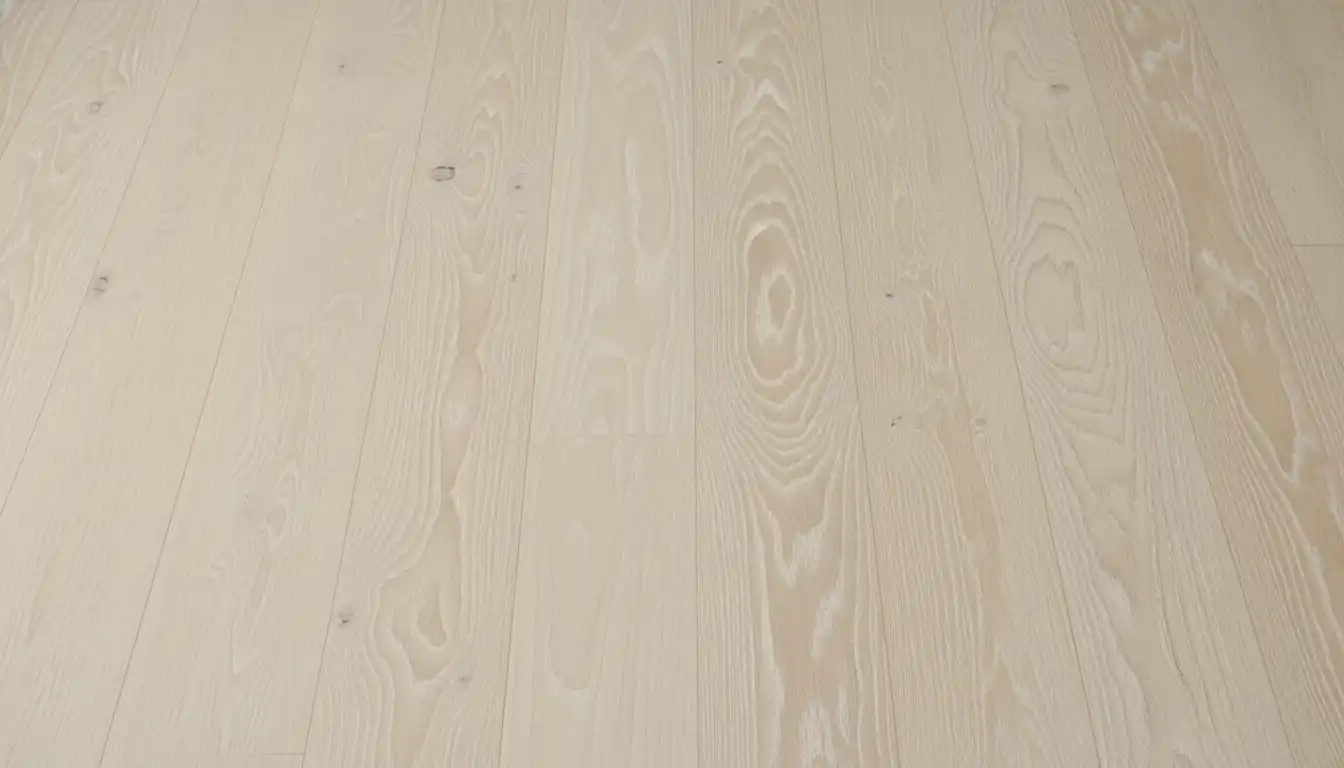
This German-engineered product creates a durable, scratch-resistant, and chemical-resistant layer of protection without the plastic sheen or yellowing of other finishes. When applied to white oak, it preserves the wood’s light color and raw texture, making it look and feel like beautifully sanded, untreated wood. Its two-component (2K) nature means a hardener is added, creating a cross-linked bond for far greater durability than standard one-part finishes.
The Science Behind the “Invisible” Finish
What makes this finish truly invisible is its carefully calibrated formulation. The system is designed to have a refractive index that is nearly identical to that of natural wood. This means light passes through the finish and reflects off the wood in the same way it would without any coating, tricking the eye into seeing nothing at all.
Furthermore, it contains advanced ceramic particles that enhance its durability without adding any gloss. This technology provides extreme scratch resistance, a critical feature for households with pets, children, or high foot traffic. It delivers robust protection that remains completely hidden from view.
Step-by-Step Application Guide for a Flawless Finish
Achieving a perfect, invisible finish on your white oak floors requires precision and adherence to a specific process. While hiring a professional is always recommended, understanding the steps is crucial for any homeowner. A flawless application prevents common issues like lap marks, streaks, and uneven sheen.
Proper preparation and application are non-negotiable for achieving the desired outcome. Rushing any of these stages will compromise the final result and the longevity of the protection.
Step 1: Meticulous Surface Preparation
The foundation of a perfect finish is a perfectly prepared floor. The white oak must be professionally sanded to a smooth, uniform surface, typically finishing with a 120-grit screen. Any imperfections from the sanding process will be locked in and potentially highlighted by the finish.
After sanding, the floor must be thoroughly vacuumed to remove all dust and debris. This includes cleaning the baseboards, windowsills, and any other surfaces where dust could settle. Finally, tack the floor with a lint-free cloth lightly dampened with water to pick up any remaining microscopic dust particles.
Step 2: The Critical Sealer Coat
White oak is rich in natural compounds called tannins. When a water-based finish is applied directly, it can pull these tannins to the surface, causing unsightly discoloration or dark spots. To prevent this, applying a specific sealer is essential.
For the Loba 2K Invisible system, the recommended sealer is LOBADUR WS EasyPrime. This sealer is formulated to block tannin migration and create an ideal bonding surface for the topcoats. Apply one even coat of the sealer using a high-quality roller and allow it to dry completely according to the manufacturer’s instructions.
Step 3: Mixing and Applying Loba 2K Invisible Protect
This is a two-component product, meaning you must mix the finish (Part A) with the hardener (Part B) just before application. Shake the finish container well, then add the hardener at the specified ratio (typically 10:1). Mix thoroughly by shaking vigorously for at least 60 seconds.
Once mixed, the product has a limited pot life, usually around 2 hours. You must work efficiently within this window. Pour the mixed finish into a tray and apply it using a 10mm or 12mm microfiber roller. Work in manageable sections, applying the finish evenly and systematically across the room, always maintaining a wet edge to avoid lap marks.
Step 4: The Second Coat and Curing Time
After the first coat of Loba 2K Invisible is dry (typically 4-6 hours), the floor needs to be lightly abraded. This is done with a maroon pad or a process called “screening” with a very fine grit (around 220). This step smooths out any grain raise and creates a better mechanical bond for the next coat.
Vacuum and tack the floor again to remove all dust from the abrasion process. Then, apply the second and final coat of Loba 2K Invisible Protect. Once the final coat is applied, the floor needs to cure. While it may be ready for light foot traffic in 24 hours, the finish takes approximately 5-7 days to fully cure and achieve maximum hardness. Avoid placing furniture or rugs on the floor during this critical curing period.
Common Mistakes to Avoid for a Perfect Result
Even with the best products, application errors can lead to disappointing results. Understanding these common pitfalls is key to ensuring your white oak floors look exactly as you envisioned. Many of these issues arise from rushing the process or using improper tools.
Attention to detail makes all the difference between a professional-grade finish and one that looks amateurish. The goal is a uniform, flawless surface that feels as good as it looks.
Mistake 1: Not Using the Right Roller
Using a cheap roller or one with the wrong nap length is a frequent cause of problems. A low-quality roller can shed fibers into the finish, while an incorrect nap can apply too much or too little product, leading to an uneven sheen or bubbles. Always use a high-quality, 10-12mm microfiber roller as recommended by Loba for their water-based finishes.
Mistake 2: Overworking the Finish
A common temptation is to go back over an area that is beginning to dry to fix a small imperfection. This is a major error. Overworking the finish as it starts to set will create visible streaks and roller marks that are difficult to fix. The best technique is to apply the finish evenly and move on, trusting that it will self-level.
Mistake 3: Ignoring Tannin Pull
Skipping the sealer coat to save time or money is the most significant mistake one can make with white oak. The resulting tannin bleed can permanently stain the wood, creating a blotchy, uneven appearance. Always use the recommended sealer to ensure a clean, uniform color.
Loba 2K Invisible Protect vs. Other Popular Finishes
Choosing a floor finish involves balancing aesthetics, durability, and maintenance. To make an informed decision, it’s helpful to compare Loba 2K Invisible Protect with other leading options on the market. Each has its own set of advantages and disadvantages depending on the homeowner’s priorities.
This commitment to finding durable yet beautiful materials is seen across modern home construction. Whether you’re choosing a floor finish or considering countertop options like Kovastone, the goal is a seamless blend of performance and design.
| Feature | Loba 2K Invisible Protect A.T. | Bona Traffic HD | Traditional Oil-Based Polyurethane | Hardwax Oil (e.g., Rubio Monocoat) |
|---|---|---|---|---|
| Look & Sheen | Completely invisible, ultra-matte. Preserves raw wood look. | Very clear, available in matte/satin. Can build a slight film. | Noticeable plastic-like film. Strong ambering/yellowing effect. | Matte, deepens wood tone. Enhances grain but darkens wood. |
| Feel | Feels like natural, unfinished wood grain. | Smooth, slight film feel. | Feels like a thick layer of plastic on the surface. | Feels natural, like oiled wood. Can feel slightly waxy. |
| Durability | Excellent scratch and chemical resistance (ceramic-fortified). | Excellent scratch and wear resistance. Industry benchmark. | Good scratch resistance but less flexible; can chip. | Good wear resistance but susceptible to scratches. Easy to spot-repair. |
| Yellowing Over Time | Virtually non-yellowing. Stays clear for its lifetime. | Highly non-yellowing. Very stable clarity. | Significantly yellows/ambers with age and UV exposure. | Does not yellow, but the oil itself darkens the wood initially. |
| Maintenance | Easy to clean with a pH-neutral cleaner. Cannot be spot-repaired. | Easy to clean. Requires full screen and recoat for major damage. | Easy to clean. Requires full screen and recoat for damage. | Requires specific soaps. Scratches can be easily spot-repaired with more oil. |
Long-Term Maintenance and Care
Maintaining the beauty of your Loba-finished white oak floors is straightforward. The key is to use the right cleaning methods and products to avoid damaging the invisible protective layer. Harsh chemicals or abrasive tools can dull the finish and reduce its lifespan.
The entire structure of your home, from the flooring to the walls, deserves proper care. Even unseen elements like the choice of metal studs in an apartment contribute to the building’s longevity. Similarly, your floor’s finish protects the significant investment underneath.
Daily and Weekly Cleaning
For daily cleaning, use a microfiber dust mop or a vacuum with a soft brush attachment to remove dust, dirt, and pet hair. This prevents small abrasive particles from scratching the surface over time. For weekly cleaning, use a damp mop with a pH-neutral floor cleaner specifically designed for water-based polyurethane finishes. Loba offers its own line of cleaning products that are optimized for their finishes.
Never use vinegar, ammonia, oil soaps, or steam mops on your floors. These can chemically damage the finish, create a hazy film, or force moisture into the wood seams, causing long-term damage.
Protecting Your Investment
Simple preventive measures can dramatically extend the life of your floor’s finish. Place high-quality welcome mats at all exterior doors to trap dirt and grit. Use felt pads on the bottoms of all furniture legs to prevent scratches when chairs and tables are moved.
Once your beautiful floors are fully cured and your furniture is in place, you can turn your attention to the smaller details that complete a room’s renovation. This might include finishing touches like finding the right outlet covers to blend seamlessly with your new aesthetic. These final steps are what transform a construction project into a polished, personalized home.
Final Thoughts: The Clear Choice for White Oak
For homeowners who love the intrinsic beauty of raw white oak, Loba 2K Invisible Protect A.T. offers the perfect solution. It eliminates the long-standing compromise between protection and aesthetics. You no longer have to accept a yellowed, plastic-coated floor to get the durability your home needs.
By providing a tough, reliable, and truly invisible shield, this finish allows the authentic character of the wood to be the star. It’s an investment in preserving the light, modern, and natural elegance of your white oak floors for many years to come.
