
The Largest Kitchen Sink: Your Guide to Avoiding Costly Remodel Mistakes
You dream of a kitchen sink so vast it can hold your largest roasting pan, all the dinner dishes, and the dog—almost. The allure of the largest kitchen sink is undeniable. It promises an end to countertop puddles and the awkward balancing act of washing oversized pots.
But this dream can quickly become a renovation nightmare. A sink that’s too large for its environment can lead to cracked countertops, damaged cabinets, and plumbing disasters. Before you commit to this super-sized upgrade, you must understand the hidden complexities.
You'll Learn About
Beyond the Hype: What Does “Largest Kitchen Sink” Even Mean?
The term “largest” is subjective. For some, it’s a 36-inch sink that feels palatial compared to a small apartment basin. For others, it’s a 60-inch custom workstation that becomes the kitchen’s command center. Understanding the different categories is the first step.
Standard vs. Oversized: A Matter of Inches and Impact
Standard kitchen sinks typically range from 22 to 33 inches in width. These sizes are designed to fit comfortably within common cabinet dimensions. Anything beyond 36 inches is generally considered oversized.
These larger models, including sprawling 48-inch or even 60-inch “workstation” sinks, transform the basin into a multifunctional prep area. They come with integrated accessories like cutting boards, colanders, and drying racks that slide along a built-in ledge.
Single Basin vs. Double Basin: The Great Divide in Large Sinks
When you go big, the basin configuration is a critical choice. A large single basin offers an uninterrupted expanse, perfect for washing baking sheets and large stockpots without obstruction. It is the truest form of a “large” sink.
A large double basin, such as a 40/60 or 50/50 split, provides two distinct areas for multitasking. You can soak dishes on one side while prepping vegetables on the other. However, be aware that even in a large 48-inch double-basin sink, neither side may be wide enough for your absolute biggest items.
The #1 Mistake: Ignoring Your Kitchen’s Infrastructure
The most significant error in choosing a large sink is focusing only on the sink itself. The success of your installation depends entirely on the supporting cast: your cabinets, countertops, and plumbing. Failure here is not an option.
Your Cabinet Base: The Unsung Hero (or Villain)
There is an unbreakable rule in kitchen design: the sink base cabinet must be larger than the sink. A minimum of 3 inches of clearance is standard. To install a 42-inch sink, you need at least a 45-inch sink base cabinet. Attempting to force a large sink into an undersized cabinet is a recipe for disaster.
Furthermore, the material of the sink dictates the support required. A stainless steel sink might weigh 30-50 pounds, but a fireclay or cast iron sink of the same size can weigh 150-200 pounds or more. Your standard cabinet may need additional reinforcement from inside to bear this load without warping or failing over time.
Countertop Material and Cutout Integrity
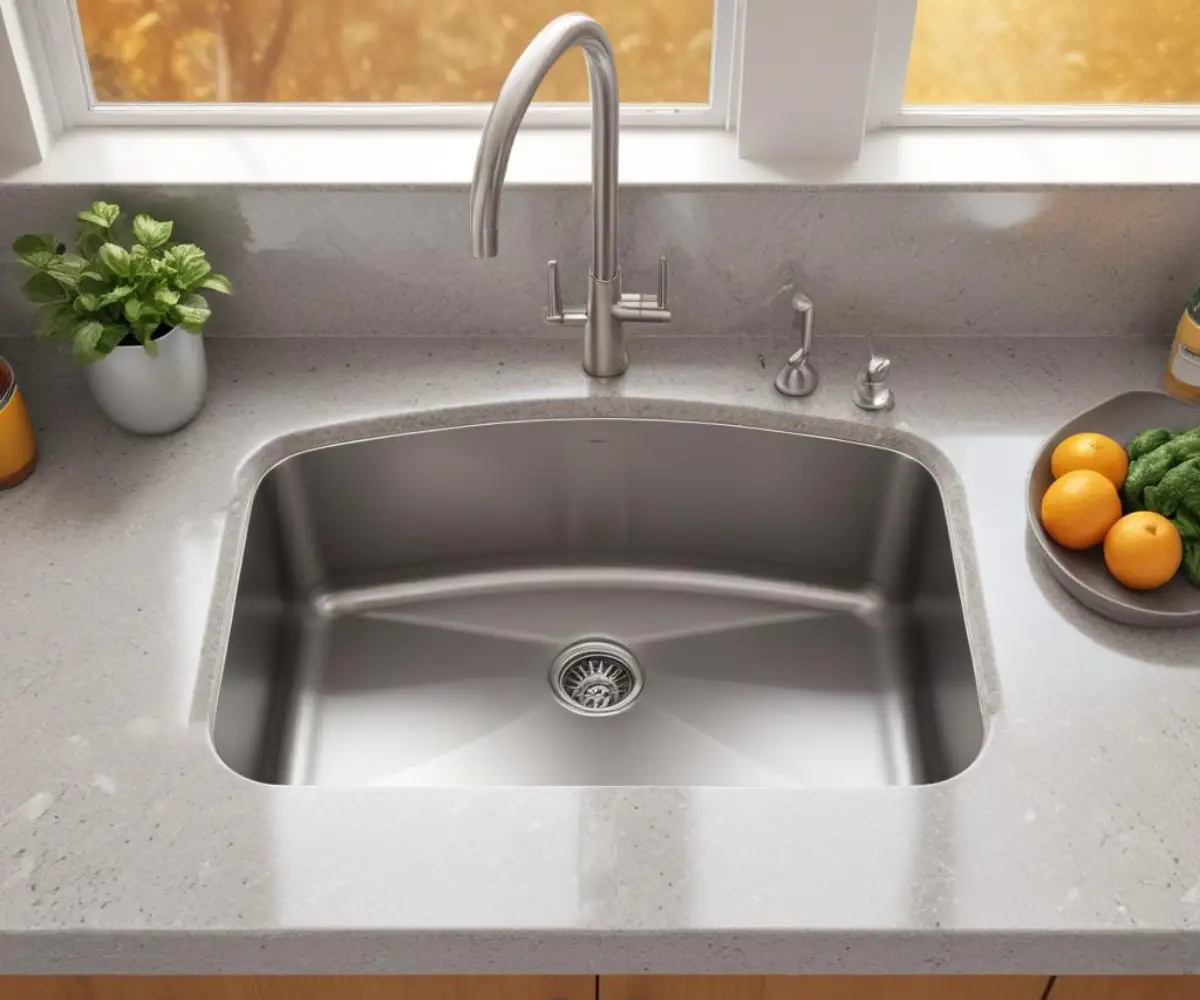
An oversized sink means a massive cutout in your expensive countertop. This can compromise the structural integrity of the stone, especially the thin strips of material at the front and back of the sink. These areas become weak points, prone to cracking under the sink’s weight or from an accidental impact.
Proper installation is non-negotiable. The sink must be supported not just by the countertop flange but also by clips and potentially a sub-frame built into the cabinet. This ensures the weight is distributed to the cabinet structure, not just hanging off your quartz or granite slab.
The Hidden World of Plumbing and Drains
A larger sink basin can create plumbing challenges. The drain’s location is critical. If it’s a center-drain model, you have some flexibility. However, many large workstation sinks feature an offset, rear-corner drain to maximize usable space underneath.
This requires careful planning to ensure your plumbing lines up and that there is still adequate room for other under-sink essentials. This planning is especially important if you want to install certain accessories, as a poorly placed drain can complicate adding a deep sink with garbage disposal, creating compatibility issues that are costly to fix later.
Sizing Your Dream: A Practical Guide to Choosing the Largest Sink
Choosing the right large sink is a process of balancing your desires with the physical realities of your kitchen. Follow these steps to make an informed decision and avoid a costly mismatch.
Step 1: Measure Your Reality (Your Kitchen Space)
Before you even browse for sinks, measure your existing sink base cabinet from the inside. Note its width, depth, and height. Look for any obstructions like plumbing pipes or electrical outlets that could interfere with a deeper or wider basin.
Do not estimate. A quarter-inch can be the difference between a perfect fit and a project-halting problem. This measurement defines the absolute maximum sink size you can consider without replacing your cabinetry.
Step 2: Match the Material to Your Lifestyle
The material of your sink affects its durability, appearance, and, critically, its weight. This weight has major implications for the type of support structure you will need to build. A heavy sink requires a robust cabinet and potentially extra countertop support.
| Material | Typical Weight (42″ Sink) | Pros | Cons | Support Needed |
|---|---|---|---|---|
| Stainless Steel (16-Gauge) | 40-60 lbs | Lightweight, durable, affordable | Can scratch or dent, can be noisy | Standard clips and silicone |
| Granite Composite | 70-100 lbs | Highly resistant to scratches and heat | Can crack from thermal shock | Robust clips, ensure level cabinet |
| Fireclay | 130-180 lbs | Extremely durable, stain resistant | Very heavy, risk of chipping | Reinforced cabinet support frame required |
| Cast Iron | 150-200+ lbs | Classic look, superior heat retention | Heaviest option, enamel can chip | Custom cabinet framing and support |
Step 3: Consider the Faucet and Accessories
A cavernous sink demands a faucet with significant reach and flexibility. A standard-size faucet will struggle to reach all corners of a 45-inch basin. You will likely need a high-arc, pull-down, or pull-out faucet to ensure full coverage.
The placement of all your water sources needs to be considered as a complete system. Thinking about your faucet and sink together helps avoid design problems, like discovering you have a pot filler too high to be practical with your new, deeper sink. It’s all connected.
The Financial Reality of Going Big: Is It Worth It?
Embracing an oversized sink is often a significant investment that goes far beyond the price of the sink itself. Understanding the total cost is essential for a successful project that doesn’t spiral out of control.
The Sink Itself: A Wide Spectrum of Costs
The price of the sink can vary dramatically. A 42-inch stainless steel sink might cost between $400 and $1,200. A fireclay or cast iron model of the same size could easily range from $1,500 to $3,000 or more, especially for premium brands.
Workstation sinks with included accessories will also command a higher price. While convenient, assess whether you will truly use all the included gadgets before paying a premium for them.
The Hidden Costs: Installation, Cabinetry, and Countertops
The sink is just the beginning. The real budget impact comes from the necessary modifications. If you need a larger sink base, that means new custom cabinetry, which can cost thousands. The countertop fabrication for a large, non-standard cutout will also be more expensive.
Installation labor will be higher due to the weight and complexity of leveling and supporting a massive sink. These interconnected costs can turn a sink upgrade into a major expense, often becoming a cornerstone of a larger project like a 40k kitchen remodel where every decision impacts the bottom line.
Our Final Verdict: Is the Largest Kitchen Sink Right for You?
A large kitchen sink can be a transformative feature, elevating your kitchen’s functionality and aesthetic. For avid home cooks or large families, the convenience of a spacious basin is often worth the investment. It simplifies cleanup and enhances the entire cooking workflow.
However, this upgrade is not for every kitchen or every budget. It demands careful planning, a realistic understanding of your space, and a commitment to professional installation. Ignoring the foundational requirements of your cabinetry and countertops will only lead to regret. A well-planned, properly installed large sink is a joy; a poorly planned one is a permanent, costly problem.
