Is Superthrive Worth It? The Gardener’s Honest Review
Every plant enthusiast knows the feeling. You bring home a new green friend, repot a beloved ficus, or simply watch a once-vibrant plant stall in its growth, and you feel a pang of worry. You’re doing everything right—watering, sunlight, good soil—but the plant just seems… stuck. It’s this universal frustration that sends gardeners searching for a miracle.
In the world of gardening, few products have achieved the legendary, almost mythical status of Superthrive. For decades, this little brown bottle with its distinctively busy label has been a staple on the shelves of garden centers and in the hands of growers who swear by its restorative powers. But with a cult-like following comes a healthy dose of skepticism: is Superthrive truly a holy grail for plants, or is it just well-marketed hype?
This article provides an in-depth, honest look at what Superthrive is, what it promises, and whether it’s a worthwhile addition to your plant care routine. We will separate the anecdotal praise from the scientific facts to help you decide if it deserves a place in your gardening toolkit.
You'll Learn About
What Exactly Is in That Famous Brown Bottle?
The first and most crucial point to understand about Superthrive is what it is not: it is not a fertilizer. This is a common and critical misunderstanding. Fertilizers are formulated to provide essential macronutrients that plants need in large amounts—namely Nitrogen (N), Phosphorus (P), and Potassium (K)—along with other secondary and micronutrients.
Superthrive, on the other hand, is a vitamin and hormone solution. While the exact, full formula is a proprietary secret that has been guarded for over 70 years, the primary active ingredients have always been Vitamin B1 (thiamine) and 1-Naphthylacetic acid (NAA). The modern formula has also been enhanced with kelp. Let’s break down what these components do.
The Key Ingredients and Their Roles
Vitamin B1 (Thiamine): This is the ingredient that has generated the most debate. For decades, it was believed that Vitamin B1 helped reduce transplant shock in plants. However, numerous university-led studies have found that plants are perfectly capable of synthesizing their own thiamine. Decades of scientific research have largely debunked the myth that applying extra Vitamin B1 to plant roots stimulates growth or aids recovery in whole plants. While essential for plant life, external application doesn’t provide a noticeable benefit according to scientific literature. Some newer research does suggest thiamine may play a role in activating systemic acquired resistance (SAR), helping plants fight off diseases, but its role as a root stimulant remains unsupported.
1-Naphthylacetic acid (NAA): This is arguably the most effective ingredient in the bottle. NAA is a synthetic auxin, which is a type of plant growth hormone. Auxins play a vital role in regulating plant growth, and their most significant function in this context is stimulating root development. This is why NAA is the active ingredient in many rooting powders and solutions used for propagating cuttings. The presence of NAA is the scientific reason Superthrive can be effective in helping plants establish new roots after being transplanted or repotted.
Kelp: Modern formulations of Superthrive include kelp extract. Kelp is a well-regarded organic supplement in gardening. It’s rich in micronutrients and also contains natural plant growth hormones, including cytokinins (which promote cell division) and auxins. The addition of kelp adds a broader spectrum of natural growth stimulants to the mix.
The Bold Claims vs. Gardener Reality
The manufacturer makes several compelling promises about what Superthrive can do for your plants. It claims to revive stressed plants, reduce transplant shock, secure earlier blooms, and produce more vigorous growth. These claims are supported by countless testimonials from gardeners who have used the product for years and attribute their success to it.
Many long-time gardeners and even nursery professionals swear by it, particularly for reviving struggling plants or acclimating sensitive imports. The anecdotal evidence is powerful, with users reporting that it “brings plants back from the dead” and makes foliage greener and hardier. However, it’s also important to consider the placebo effect. A gardener who invests in a special tonic is likely providing more attentive care overall—checking water levels more frequently, ensuring proper light, and inspecting for pests. This increased attention alone can often be the real reason for a plant’s recovery.
When Superthrive Is Potentially Worth Your Money
Despite the debate, there are specific scenarios where the formulation of Superthrive, particularly its rooting hormone (NAA), can be genuinely beneficial. In these situations, it can be a valuable tool rather than a cure-all.
1. Transplanting and Repotting: This is the number one reason to have a bottle of Superthrive on hand. When you move a plant, its delicate root hairs are inevitably damaged, which causes stress and “transplant shock.” Applying a solution with NAA encourages the plant to quickly grow new roots, helping it establish itself in its new environment faster and reducing the risk of failure.
2. Propagating Cuttings: The same principle applies here. When you take a cutting from a plant to propagate it, you need it to develop a new root system. Soaking the end of a cutting in a diluted Superthrive solution can provide the hormonal signal needed to initiate root growth, increasing your chances of successful propagation.
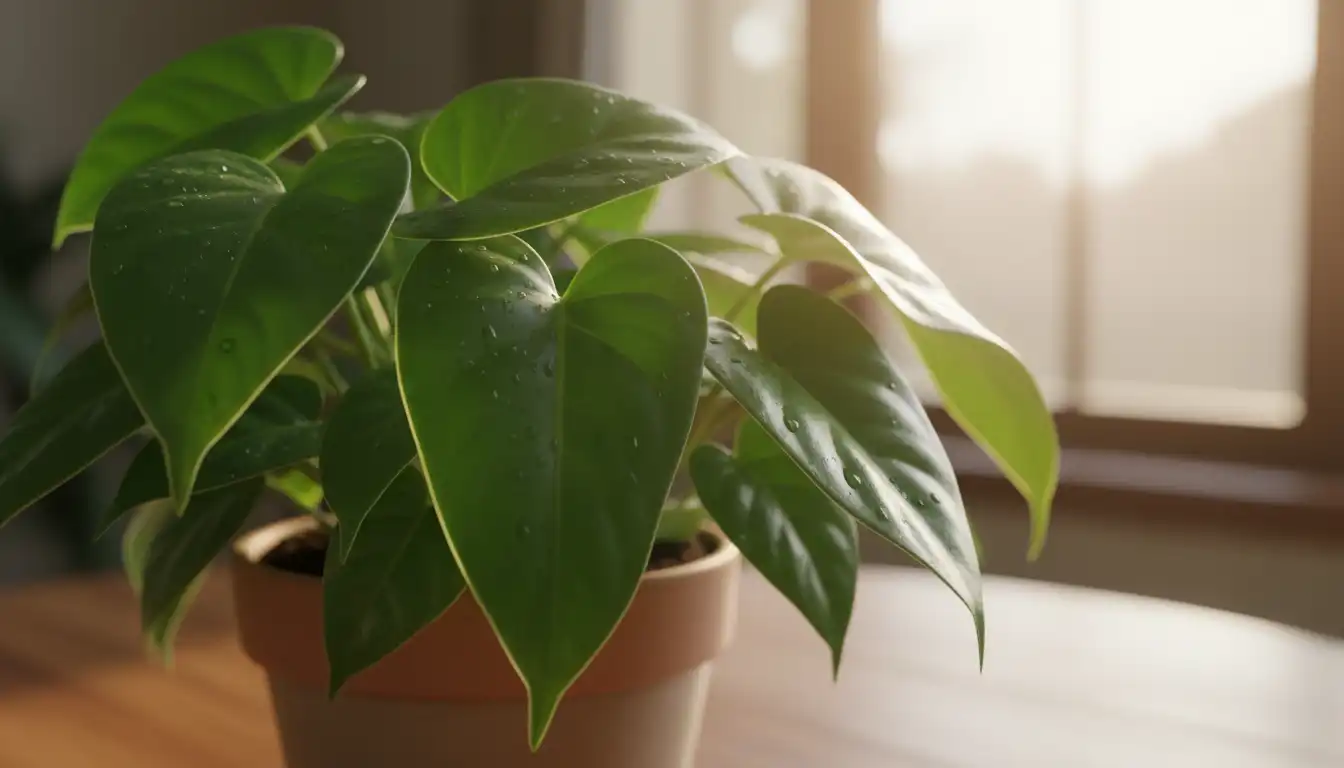
3. Rescuing Stressed or Bare-Root Plants: For a plant that has been severely neglected, suffered from root rot (after the rot has been treated), or arrived as a bare-root specimen, a soak in a Superthrive solution can be a helpful first-aid measure. The rooting hormone can provide the necessary stimulus for a compromised root system to begin recovery.
4. Use in Hydroponics: In hydroponic or semi-hydroponic systems, where roots are more exposed and manipulated, Superthrive can be a useful additive during water changes to promote and maintain a healthy root system. It helps plants adapt to these soilless environments.
When You Should Definitely Save Your Money
Superthrive is not a magic potion, and using it in the wrong context is simply a waste of money. There are several situations where it offers little to no benefit and may even distract from solving the real problem.
As a Regular Fertilizer: To reiterate, Superthrive is not plant food. It contains virtually no N-P-K. Relying on it for nutrition will lead to a starving plant. It is a supplement meant to be used alongside a balanced fertilizer regimen, not in place of it.
For Healthy, Established Plants: If you have a plant that is already healthy and growing well, adding Superthrive to its water is unlikely to produce any dramatic results. Consistent, proper care—good light, appropriate watering, and regular feeding with a real fertilizer—is what keeps a healthy plant thriving.
As a Fix for Poor Care: Superthrive cannot cure a plant suffering from fundamental care issues. It will not save a chronically overwatered plant from root rot, it won’t revive a sun-starved fern in a dark corner, and it can’t fight off a spider mite infestation. It’s crucial to diagnose and fix the underlying problem first.
How to Use Superthrive Correctly (If You Decide to Try It)
If your situation falls into one of the “worth it” scenarios, proper application is key. The product is highly concentrated, and a little goes a very long way. Overusing it won’t provide better results and is wasteful.
Always follow the package directions for dilution. For general use, the rate is often just a few drops per gallon of water. It should be mixed into the water you plan to use for your plants, and the mixed solution should be used the same day. Do not water again for at least 24 hours to allow the roots to absorb the solution without it being washed away.
To help clarify its best uses, the table below outlines the most effective application strategies.
Superthrive Application Guide
| Scenario | Recommended Dosage | Frequency | Pro Tip |
|---|---|---|---|
| Transplanting/Repotting | 1 teaspoon per gallon of water | Once, during the initial watering | Thoroughly soak the root ball and surrounding soil to reduce stress and kickstart new root growth. |
| Propagating Cuttings | 1/4 teaspoon per gallon of water | Use in the propagation water or for initial soil watering | Can be used to soak cuttings before planting or added to the water reservoir for water propagations. |
| Reviving a Stressed Plant | 1/2 teaspoon per gallon of water | Apply once, then wait a few weeks to assess | Ensure the underlying issue (e.g., watering, pests) is resolved first. This is a recovery aid, not a cure. |
| Bare-Root Soaking | 1 1/2 teaspoons per 5 gallons of water | Soak roots for 15-30 minutes before planting | This is ideal for bare-root roses, trees, or shrubs to help them transition into soil. |
| General Maintenance (Optional) | 1/4 teaspoon per gallon of water | Once a month at most | Best reserved for sensitive or high-value plants; unnecessary for most healthy, established plants. |
Powerful Alternatives That May Be Even Better
While Superthrive has its uses, it’s far from the only plant supplement on the market. In fact, many experienced gardeners now favor alternatives that are more natural, provide a wider range of benefits, and are backed by more consistent science.
Liquid Seaweed/Kelp Extract: This is perhaps the best all-around alternative. Liquid kelp contains a treasure trove of micronutrients, amino acids, and, most importantly, natural plant growth hormones like cytokinins and auxins. It helps stimulate root growth while also improving the plant’s overall health and resilience. It does much of what Superthrive does, but in a more complete and natural package.
Mycorrhizal Fungi: Instead of just adding hormones, you can add a beneficial partner to your plant’s ecosystem. Mycorrhizal fungi form a symbiotic relationship with plant roots, effectively extending the root system. This dramatically improves the plant’s ability to absorb water and nutrients, making it more robust and drought-resistant. This is a scientifically-backed method to build a truly strong foundation for your plants. It’s an excellent investment, especially when dealing with the outdoor aesthetics of your property, ensuring the plants that complement your home’s exterior are as healthy as possible. The durability of your garden’s surrounding structures, like choosing between durable siding options for a potting shed, goes hand-in-hand with creating a resilient plant ecosystem.
Willow Water: For the DIY gardener, willow water is a free and effective rooting stimulant. The branches of willow trees are rich in salicylic acid and indolebutyric acid, compounds that protect against bacteria and promote root formation. Soaking fresh willow cuttings in water for a few days creates a natural rooting tonic perfect for propagating new plants.
Thinking about plant placement and aesthetics is also part of holistic plant care. When arranging pots and decor, an understanding of materials can be beneficial. For example, knowing the principles behind mixing different metals in your decor can help you create a beautiful and cohesive garden space.
The Final Verdict: Miracle Cure or Situational Tool?
So, is Superthrive worth it? The most accurate answer is: sometimes. It is not the all-purpose miracle tonic its legendary status might suggest. Its greatest strength lies in its ability to stimulate root growth, thanks to the synthetic auxin NAA. This makes it a genuinely useful tool for the specific tasks of transplanting, repotting, and propagating.
For the average gardener with a collection of healthy, established houseplants, the money is likely better spent on high-quality potting mix, a well-balanced fertilizer, or a more comprehensive supplement like liquid kelp. It’s crucial to remember that no supplement can ever replace the fundamentals of good plant care.
Ultimately, think of Superthrive not as a daily vitamin, but as a specialized tool in your gardening first-aid kit. It’s there for the stressful moments in a plant’s life—when its roots are disturbed and it needs a helping hand to get re-established. Used correctly and in the right situations, it can absolutely be worth the investment. But for everyday thriving, nothing beats the simple, consistent application of light, water, and proper nutrition.