
I Love My House Again: The Secret to Rekindling Your Home Romance
That initial spark you felt for your home can fade over time. The daily grind, accumulating clutter, and a growing list of imperfections can slowly erode the joy, leaving you feeling disconnected from the very space meant to be your sanctuary. You find yourself looking at other homes with envy, wondering where the love went.
This experience is incredibly common. What once felt like a perfect haven now feels like a source of stress. The problem isn’t necessarily the house itself, but the relationship you have with it. Rekindling that “I love my house” feeling is not about expensive renovations; it’s about intentional actions and a powerful mindset shift.
You'll Learn About
Why We Fall Out of Love with Our Homes
Understanding the root cause of this dissatisfaction is the first step toward a solution. Several factors can contribute to this emotional distance from your living space, turning a dream home into just a house.
The Slow Creep of Clutter
Clutter is more than just physical mess; it’s a constant, low-grade stressor. It clogs not only your hallways but also your mind, making it impossible to relax. Over time, surfaces disappear under mail, gadgets, and items that have no designated “home,” creating visual chaos that drains energy and joy.
This accumulation is often so gradual you don’t notice it until it becomes overwhelming. The home’s original clean lines and open spaces are lost, and with them, the feeling of peace and order you once cherished.
Decor That’s Stuck in the Past
Trends come and go, and what felt stylish and fresh five or ten years ago can now feel dated and uninspired. Living in a space that no longer reflects your current taste can make you feel disconnected from your own environment. It’s like wearing clothes that are no longer your style—it just doesn’t feel right.
When your surroundings don’t evolve with you, your home can start to feel like someone else’s space. This disconnect is a major barrier to feeling a deep, personal love for your home.
The Weight of Unfinished Projects
That half-painted bedroom, the broken tile in the bathroom, or the garden bed overrun with weeds are more than just items on a to-do list. They are constant visual reminders of failure and procrastination. Each glance at an unfinished project can trigger feelings of guilt and inadequacy.
This “project paralysis” creates a negative feedback loop. The more you avoid the tasks, the more they weigh on you, and the less you want to be in the space that reminds you of them.
The Solution: A Strategic Plan to Reclaim Your Home
Falling back in love with your house is an active process. It requires a strategic approach that addresses the underlying issues head-on. By focusing on intentional changes, you can transform your relationship with your living space and restore it to its rightful place as your personal sanctuary.
Step 1: The Great Reset Through Decluttering
Before you can add anything new, you must first subtract. A thorough declutter is the most powerful reset button for your home and your mindset. This isn’t about achieving stark minimalism; it’s about making conscious choices about what earns a place in your life.
Start with one small area, like a single drawer or a bookshelf. Use the four-box method: Keep, Donate, Trash, and Relocate. Be ruthless with items that don’t serve a purpose or bring you joy. The goal is to create breathing room, both literally and figuratively, so you can see your home’s potential again.
Once you’ve cleared the clutter, implement a “one in, one out” rule to maintain order. Every time a new item comes into the house, a similar item must leave. This simple habit prevents the slow creep of clutter from returning.
Step 2: Transform with the Magic of Paint
Never underestimate the transformative power of a fresh coat of paint. It is the single most cost-effective way to make a dramatic impact on the look and feel of your home. A new color can change the entire mood of a room, making it feel brighter, larger, cozier, or more sophisticated.
Choosing the right color is paramount. Colors have a profound psychological impact, so consider how you want to feel in the space. For example, soft blues and greens can create a serene and calming atmosphere, while warm yellows can feel energetic and welcoming. Debating between two popular shades can be tough, as the subtle differences in undertones can make a huge impact, a common issue seen in the Filmy Green vs Sea Salt dilemma where one choice can perfect a room while the other can clash.
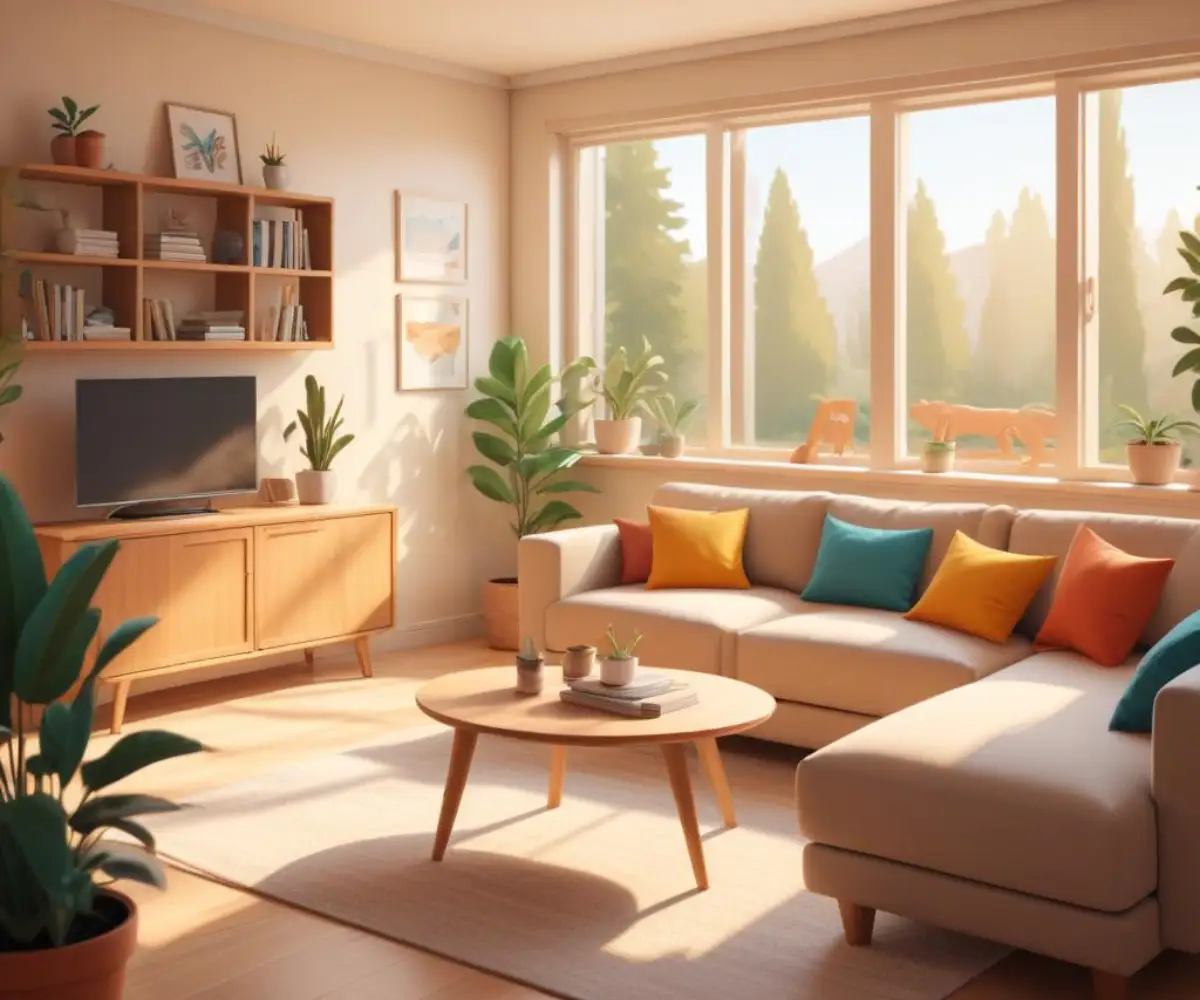
Don’t be afraid to experiment with accent walls or bold colors in smaller spaces like powder rooms. The act of painting itself can be a therapeutic process, allowing you to physically reclaim and refresh your space.
Step 3: Master the Art of Lighting
Lighting is one of the most overlooked but critical elements of home design. A poorly lit space will always feel drab and uninviting, regardless of how well it’s decorated. The solution is to create layered lighting, combining different types of light for function and ambiance.
Start by maximizing natural light. Clean your windows inside and out, trim any overgrown shrubs blocking the view, and consider replacing heavy drapes with sheer curtains. For artificial lighting, ensure each room has three layers:
Ambient lighting (the main overhead source), task lighting (focused light for activities like reading or cooking), and accent lighting (to highlight artwork or architectural features).
Using dimmer switches is a game-changer, allowing you to adjust the intensity of the light to suit any mood or occasion. Warm-toned LED bulbs (around 2700K) create a cozy, inviting glow that mimics the warmth of candlelight.
Step 4: Designate a Personal Sanctuary Zone
Every home needs a space that is dedicated purely to joy and relaxation. This doesn’t have to be an entire room; a small corner can be just as effective. The purpose of this “destination zone” is to give you a place to retreat and recharge within your own four walls.
This could be a comfortable armchair with a good reading lamp, a small meditation space with cushions on the floor, or a dedicated coffee bar with your favorite mugs. The key is to make this area sacred. Keep it clean, beautiful, and free from the clutter of daily life. Having a personal sanctuary provides a powerful psychological anchor, a spot that truly feels like your own.
Step 5: Infuse Life with Indoor Plants
Bringing nature indoors is a proven way to boost your mood and improve your home’s atmosphere. The practice of biophilic design connects us to the natural world, reducing stress and increasing feelings of well-being. Houseplants are living sculptures that add color, texture, and life to any room.
Start with easy-care plants like snake plants, ZZ plants, or pothos if you’re a beginner. The act of caring for a living thing can be incredibly rewarding. Witnessing new growth or a successful bloom can foster a deeper connection to your home environment. For those who enjoy a challenge, the journey to get a trickier plant to bloom, like solving the Hoya Compacta peduncle mystery, can create an immense sense of pride and accomplishment.
Step 6: Create Your “Home Love” Action Plan
To make this process feel manageable, break it down into small, actionable steps. A structured plan prevents overwhelm and builds momentum. The following table provides a 4-week framework to guide you on your journey back to loving your home.
| Week | Theme | Daily Actionable Tasks (Examples) |
|---|---|---|
| Week 1 | The Great Reset | Day 1: Clear one kitchen counter. Day 2: Sort through the mail pile. Day 3: Declutter one bookshelf. Day 4: Tidy the entryway. Day 5: Clean out the medicine cabinet. Day 6: Choose one closet to organize. Day 7: Drop off donations. |
| Week 2 | Sensory Engagement | Day 8: Deep clean windows. Day 9: Buy a new scented candle or diffuser. Day 10: Create a “home” playlist. Day 11: Fix a squeaky door. Day 12: Buy a new, soft throw blanket. Day 13: Bake something to fill the house with a warm scent. Day 14: Buy one new houseplant. |
| Week 3 | Aesthetic Refresh | Day 15: Rearrange the furniture in one room. Day 16: Swap out old throw pillows. Day 17: Buy new lightbulbs with a warmer tone. Day 18: Frame a favorite photo. Day 19: Clear all surfaces in the bedroom. Day 20: Research paint colors for a future project. Day 21: Hang a mirror to reflect more light. |
| Week 4 | Gratitude & Future | Day 22: Write down three things you love about your home. Day 23: Fix one small, annoying thing (e.g., a loose knob). Day 24: Sit in your “sanctuary zone” for 10 minutes. Day 25: Plan one small, future improvement project. Day 26: Look through old photos of happy memories in the house. Day 27: Host a friend for coffee. Day 28: Write a “love letter” to your home. |
Step 7: Shift Your Mindset to Gratitude
Perhaps the most powerful tool in learning to love your house again has nothing to do with physical changes. It’s about shifting your perspective from one of criticism to one of gratitude. It’s easy to get caught up in the comparison trap, especially with perfectly curated homes all over social media.
Instead, focus on what your home provides: shelter, safety, comfort, and a backdrop for your life’s memories. Acknowledge that a home is a journey, not a destination. It doesn’t have to be perfect to be wonderful. Remember that the process of creating a home can be stressful, so much so that some find that building a house ruined my marriage, which puts the imperfections of an existing structure into perspective.
Start a “home gratitude” journal. Each day, write down one thing you appreciate about your house. It could be the way the morning light hits the kitchen, the comfort of your favorite chair, or the safety you feel during a storm. This simple practice can fundamentally change your emotional connection to your space.
Conclusion: Your Home is a Relationship
Your relationship with your home, like any relationship, requires attention and effort. It’s a dynamic partnership that evolves over time. By decluttering your space, making thoughtful aesthetic updates, and, most importantly, shifting your mindset to one of appreciation, you can absolutely rediscover that “I love my house” feeling.
Stop waiting for a major renovation or a different house to feel happy. The power to transform your living space into a cherished sanctuary is already in your hands. Start today with one small, intentional act, and watch as the love for your home begins to blossom once again.
