Hydro Air System Cost Exposed: Don’t Invest Until You Read This
Choosing a new heating and cooling system is one of the biggest investments you’ll make in your home. Faced with a sea of options, from traditional furnaces to ductless units, many homeowners feel overwhelmed. The primary question always boils down to cost versus benefit, and that’s where the hydro-air system enters the conversation, promising superior comfort and efficiency.
But what is the real hydro air system cost? The sticker shock can be significant, leading many to wonder if the long-term benefits truly justify the high upfront price. This guide breaks down every cost factor, exposing the hidden expenses and surprising savings to help you make a truly informed decision.
You'll Learn About
What Exactly Is a Hydro-Air System, Anyway?
Before diving into the costs, it’s crucial to understand what a hydro-air system is. Think of it as a hybrid that combines the best of two worlds: the gentle, consistent heat of hot water (hydronic) systems and the versatile air distribution of forced-air systems. It’s a clever combination of proven technologies.
At its core, the system uses a boiler, typically powered by gas or oil, to heat water. This hot water is then pumped through a pipe to a special coil located inside an air handler. A fan in the air handler blows your home’s air over the hot coil, warming it up before distributing it through your ductwork, just like a standard furnace.
The All-in-One Climate Solution
One of the biggest advantages of this setup is its versatility. The same system that heats your home can also provide central air conditioning. By adding a cooling coil to the air handler and connecting it to an outdoor condenser unit, you get a seamless, year-round climate control solution powered by a single indoor unit.
Furthermore, many high-efficiency boilers used in these systems can also handle your home’s domestic hot water needs. This means one appliance can potentially replace both your furnace and your standalone water heater, saving space and energy.
The #1 Question: What Is the True Hydro Air System Cost?
Let’s get straight to the point: installing a complete hydro-air system is not a small expense. For a typical home, you can expect the total cost to range from $12,000 to $18,000 or more. This price can fluctuate dramatically based on several key variables, including the size of your home, the equipment you choose, and whether you are installing it in a new build or retrofitting an existing house.
If you have an existing, compatible boiler that’s in good shape, the cost could be lower, potentially between $8,000 and $10,000, as you would only need the air handler, coils, and installation. However, for a full replacement or new installation, it’s important to understand where that money goes. The initial investment is significant, but it buys you a system known for efficiency, comfort, and longevity.
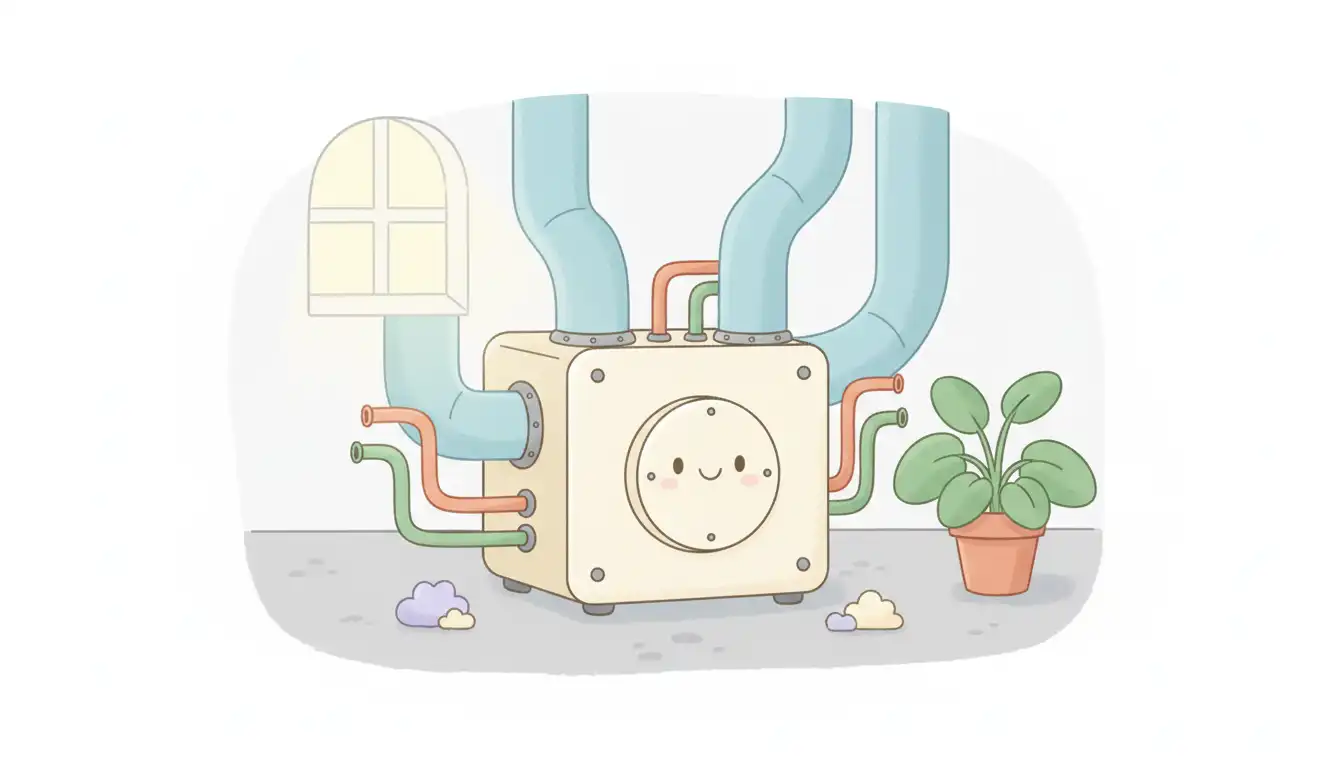
To provide a clearer picture, the costs can be broken down into several main components. The boiler itself is often the most expensive piece of equipment, followed by the air handler and any necessary ductwork modifications. Labor costs will also make up a substantial portion of the final bill.
| Component or Task | Average Cost Range (Installed) | Key Considerations |
|---|---|---|
| High-Efficiency Boiler | $7,000 – $12,000 | Gas or oil-fired; condensing models cost more but offer higher efficiency (95%+). |
| Air Handler with Coils | $3,000 – $5,000 | Includes hot water coil for heat and may include an evaporator coil for AC. |
| Central AC Condenser | $2,500 – $4,500 | Required for cooling; cost depends on size (tonnage) and SEER2 rating. |
| Ductwork Installation/Modification | $2,000 – $5,000+ | Major cost factor in retrofits. Re-using existing ductwork saves thousands. |
| Labor and Installation | $3,000 – $6,000 | Varies by region and project complexity. Hydronic expertise is essential. |
| Thermostats & Zoning | $500 – $2,000 | Smart thermostats and multi-zone setups add to the cost but improve efficiency. |
Factors That Skyrocket (or Reduce) Your Final Bill
The wide price range for hydro-air systems is due to a handful of critical factors. Understanding these will empower you when getting quotes from contractors. No two homes are identical, and these differences play a huge role in the final cost.
The most significant variable is often the state of your existing infrastructure. A home with properly sized and sealed ductwork is a much simpler project than an older home that requires a complete duct system installation from scratch.
The Great Ductwork Debate: Retrofit vs. New Construction
For new homes, installing a hydro-air system is relatively straightforward. The ductwork can be designed and installed optimally from the beginning. In a retrofit situation, particularly in a home that previously used radiators or baseboard heat, the cost and complexity can increase dramatically. Installing new ductwork is a major undertaking that involves opening walls and ceilings.
Even if your home has ducts from an old furnace, they may need to be resized or sealed to work efficiently with the new system. A thorough inspection of your existing ductwork is a non-negotiable first step.
Equipment Choices and Home Size
The size of your home dictates the required capacity (measured in BTUs for heat and tons for cooling) of the system. A larger home requires a more powerful—and more expensive—boiler and air handler. Proper sizing is critical; a system that is too large will cycle on and off frequently, wasting energy and causing premature wear, while an undersized system will struggle to keep your home comfortable.
Your choice of equipment brands and efficiency ratings also plays a role. A top-of-the-line, 97% efficient condensing boiler will cost significantly more upfront than a standard 85% efficiency model, but it will reduce your fuel bills for years to come.
Hydro-Air vs. Traditional HVAC: A Cost-Benefit Analysis
The upfront cost is high, but how does it stack up against more common HVAC systems? A traditional gas furnace with central AC is often cheaper to install. However, the comparison isn’t just about the initial price tag.
Hydro-air systems shine in their operating efficiency and the quality of comfort they provide. Because water is much more effective at transferring heat than air, hydronic systems can be incredibly efficient. This is especially true when paired with a modern, high-efficiency boiler.
The Unspoken Benefit: Superior Comfort Quality
This is a point few people talk about but every owner notices. Unlike the blast of dry, super-hot air from a traditional furnace, a hydro-air system delivers a more gentle and consistent warmth. The air temperature is lower, which helps maintain a more comfortable level of humidity in your home during dry winter months. This results in a less stuffy environment and can be a major benefit for those with respiratory sensitivities.
The operation is also remarkably quiet. The main combustion process happens in the boiler, which is often located in a basement or utility closet, away from the main living areas. The air handler is the only component with a fan, making the system’s operation less intrusive than a furnace that’s constantly igniting and shutting down.
The Hidden Savings: Long-Term Operating Costs & ROI
While the initial hydro air system cost is daunting, the story changes when you look at the long-term picture. The return on investment comes from multiple sources, starting with your monthly utility bills. High-efficiency models can dramatically cut your fuel consumption.
The dual-purpose nature of the boiler offers another path to savings. By using the same boiler for both space heating and domestic hot water, you eliminate the energy consumption and maintenance costs of a separate water heater. This integrated approach is a hallmark of an efficient, modern home.
Finally, these systems are built to last. Boilers and air handlers are known for their robust construction and long lifespans, often outlasting traditional furnaces. Fewer replacements over the decades mean a lower total cost of ownership.
How to Get an Accurate Quote & Avoid Installation Nightmares
A successful hydro-air installation hinges on one thing: hiring the right contractor. This is not a job for a general HVAC technician; you need a professional with specific, verifiable experience in hydronic heating systems. An improper installation will erase any potential efficiency gains and lead to years of problems.
Your first step is to get at least three detailed, itemized quotes. A vague, one-page estimate is a red flag. A proper quote will break down the costs for equipment, labor, ductwork, and any other necessary materials.
Demand the Right Calculations
Insist that any contractor perform a Manual J load calculation. This is the industry-standard method for determining the precise heating and cooling needs of your home based on its size, insulation, window types, and local climate. A contractor who wants to size your system based on square footage alone is cutting corners, and you’ll pay the price with an inefficient system.
When discussing the air conditioning side of the system, be aware that the AC unit will produce condensation. This requires a drain line that is properly installed to prevent water damage and other issues, such as that annoying gurgling noise an air conditioner drain can make in a sink if not configured correctly.
Check Credentials and Ask for References
Before signing a contract, verify the contractor’s license and insurance. Ask for references from past hydro-air installation jobs and take the time to call them. A reputable contractor will be proud to share their work and connect you with satisfied customers.
In the end, a hydro-air system is a premium investment in your home’s comfort and long-term efficiency. While the upfront cost is higher than a standard furnace, the benefits of superior heat quality, quiet operation, and lower energy bills can provide significant value for years to come. The key is to do your homework, understand the factors that drive the cost, and find a truly qualified installer to do the job right.