Window Grids Cost: The Shocking Price You’ll Pay in This Year
You envision a home with character and classic charm, and the fastest way to achieve that timeless look is with window grids. But a nagging question stops you in your tracks: how much do window grids cost? It’s a frustrating mystery for many homeowners, who fear hidden fees, choosing the wrong style, or simply overpaying for a seemingly simple upgrade.
This uncertainty can lead to project paralysis, leaving your home’s curb appeal in limbo. Without a clear understanding of the costs involved, you risk either blowing your budget or settling for a look that doesn’t truly enhance your home. This guide removes the guesswork, providing a transparent breakdown of what you can expect to pay for window grids and empowering you to make a confident, budget-savvy decision.
You'll Learn About
What Are Window Grids and Why Do They Matter?
Window grids, also known as grilles or muntins, are the decorative strips of material that divide a window pane into smaller sections, often called “lites.” Historically, they were a structural necessity, as early window-making technology couldn’t produce large, single panes of glass. Today, their role is almost entirely aesthetic, adding architectural integrity and a polished feel to a home’s exterior.
Choosing to add grids is a powerful way to define your home’s style, whether it’s a traditional Colonial, a rustic Craftsman, or a modern farmhouse. They signal a well-maintained and thoughtfully designed home, which can significantly boost curb appeal and even make your property more attractive to potential buyers.
Deconstructed: The 4 Types of Window Grids Driving Your Final Cost
The single most significant factor determining the cost of your project is the type of window grid you choose. Each style comes with a vastly different price point, manufacturing process, and aesthetic result. Understanding these differences is the first step to creating an accurate budget.
True Divided Lites (TDL): The Authentic, Premium Choice
True Divided Lites are the most traditional and authentic option. In a TDL window, each small square of glass is a separate, individual pane held in place by a structural grid. This is how windows were originally made for centuries.
Because of the intricate labor and materials required to assemble dozens of individual glass panes, TDL windows are by far the most expensive option. They are often required for historical restoration projects but can be less energy-efficient than modern alternatives due to the multiple points where air can potentially leak.
Simulated Divided Lites (SDL): The Best of Both Worlds?
Simulated Divided Lites offer the authentic look of TDLs without the extreme cost or energy efficiency drawbacks. With SDLs, a single, large, insulated glass unit is used, and grids are permanently applied to the exterior and interior surfaces of the glass. Often, a spacer bar is placed between the glass panes to complete the illusion of individual lites.
This method creates convincing shadow lines and depth, making it a popular high-end choice. While more expensive than basic options, SDLs provide a fantastic balance of aesthetic authenticity and modern performance.
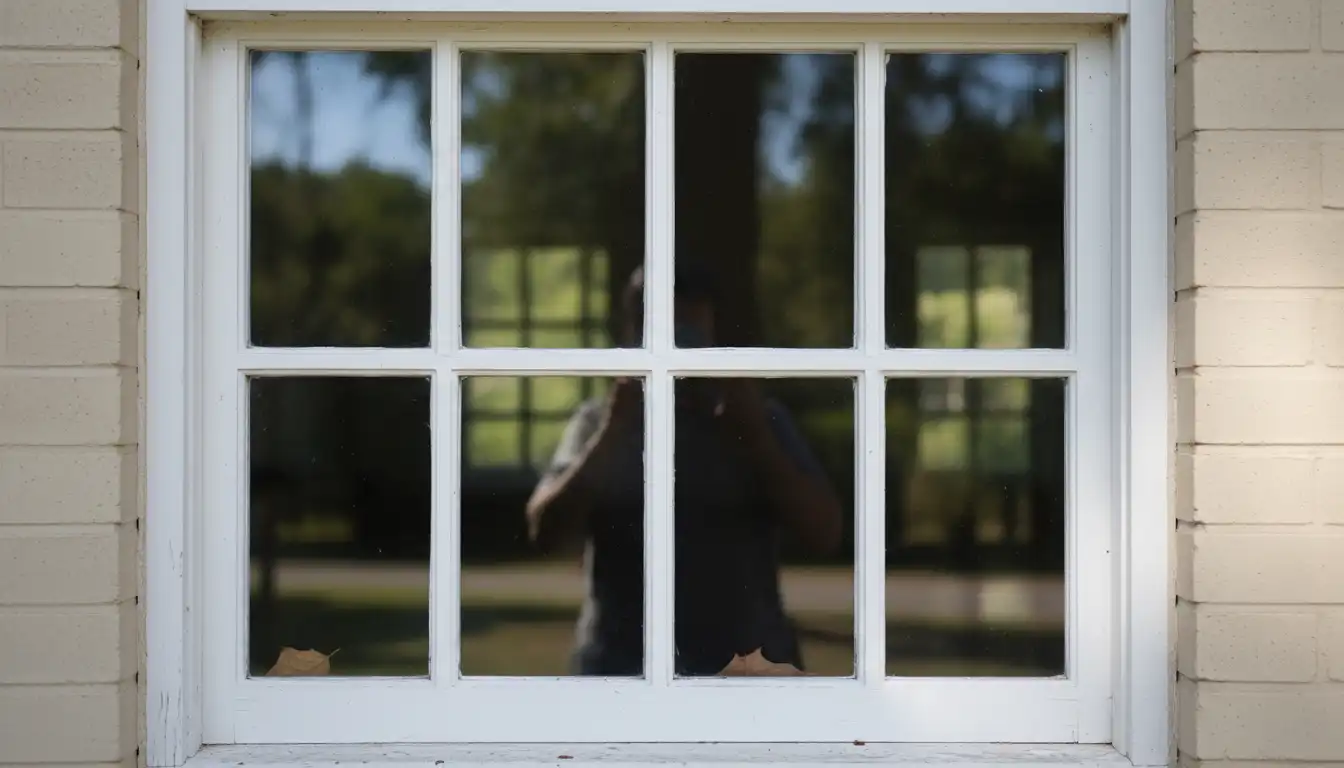
Grids/Grilles Between the Glass (GBG): The Low-Maintenance Option
For the ultimate in convenience, Grids Between the Glass are a go-to choice. As the name implies, the grid is permanently sealed between the two panes of an insulated glass unit. This means the interior and exterior glass surfaces remain perfectly smooth.
The primary advantage of GBGs is that they are zero-maintenance and incredibly easy to clean. While they don’t offer the same dimensional look as SDLs, they provide a clean, tidy appearance at a moderate price point. If you want to explore this option further, see our detailed guide on windows with grills between the glass for a complete overview.
Removable Interior Grids: The Budget-Friendly Makeover
Removable grids are the most affordable and flexible way to get the divided-lite look. These grids, typically made of vinyl or wood, snap onto the interior side of the window sash via clips or pins. They can be easily removed for cleaning the windows and just as easily snapped back into place.
While they are the most cost-effective solution, they can sometimes look less authentic up close and may be prone to breaking over time. However, for a quick and impactful aesthetic upgrade on a tight budget, they are an excellent choice.
Unveiling the Price Tag: A Detailed Cost Breakdown
The price for window grids can range from a simple, affordable DIY project to a significant professional investment. The cost is typically calculated per window and varies widely based on the grid type, material, and complexity. The following table provides an estimated cost comparison to help you budget accordingly.
| Grid Type | Average Cost per Window (Add-On) | Best For |
|---|---|---|
| True Divided Lites (TDL) | $500 – $1,500+ (part of new window cost) | Historic restorations and absolute authenticity |
| Simulated Divided Lites (SDL) | $100 – $300+ | Achieving an authentic look with modern efficiency |
| Grids Between Glass (GBG) | $50 – $150 | Low maintenance and easy cleaning |
| Removable Interior Grids | $30 – $100 | Budget-friendly updates and DIY projects |
Beyond the Basics: Hidden Factors That Inflate Window Grid Costs
While the grid type sets the baseline, several other variables can significantly impact your final invoice. Overlooking these factors can lead to unexpected expenses and budget overruns. Being aware of them ahead of time is key to a smooth project.
Material Matters: Wood vs. Vinyl vs. Fiberglass
The material of your window frames and grids plays a crucial role in both cost and long-term maintenance. Wood grids are the most expensive, offering a classic, premium look but requiring regular painting or staining to prevent rot and decay. Vinyl grids are a popular, cost-effective alternative that is durable and requires virtually no maintenance.
For homeowners prioritizing durability and low upkeep, certain high-performance options like Marquee Vinyl Windows can offer superior value. Fiberglass and composite materials fall in the mid-to-high price range, offering exceptional strength and longevity.
The Impact of Window Size and Shape
It’s a simple rule: the larger the window, the more material is needed for the grid, and the higher the cost. Standard window sizes will always be more affordable than custom orders. If you have arched, circular, or other uniquely shaped windows, expect to pay a premium for custom-fabricated grids.
Understanding standard dimensions can help manage costs. For instance, a common 30 50 window size will have readily available grid options at a more competitive price than an unusual, custom-ordered dimension.
Grid Pattern Complexity
A simple Colonial pattern with six or nine lites will cost less than a more intricate design. Complex patterns like Prairie style, diamond, or custom geometric shapes require more cuts, more material, and more labor, all of which drive up the final price. Always get a specific quote based on the exact pattern you want.
Labor and Installation: DIY vs. Professional
If you’re opting for removable interior grids or certain SDL kits, a DIY installation is a great way to save money. However, for TDL, GBG, and most SDL options that are part of a new window unit, professional installation is required. Labor costs can add $50 to $200 or more per window depending on your location, the complexity of the job, and whether you are replacing the entire window or just adding grids.
Is the Investment Worth It? A Cost-Benefit Analysis
Before committing to the cost, it’s wise to consider the return on your investment. Window grids offer more than just a pretty facade; they can impact your home’s value, energy bills, and long-term maintenance load.
The ROI of Curb Appeal
Enhanced curb appeal is one of the most immediate benefits of installing window grids. A home with well-chosen architectural details stands out and often commands a higher perceived value. Realtors agree that a polished, move-in-ready appearance can make a property more desirable, potentially leading to a faster sale and a higher selling price.
Energy Efficiency Considerations
There’s a common misconception that all window grids hurt energy efficiency. While True Divided Lites can be less insulating, modern windows with Simulated Divided Lites or Grids Between the Glass are engineered for high performance. These options use a single insulated glass unit, preserving the energy-saving features like low-E coatings and argon gas fill, ensuring your home stays comfortable without driving up utility bills.
The Hidden Cost of Maintenance
One of the most overlooked aspects of window grids is the long-term cost of maintenance. Exterior wood or composite grids (SDLs) will need to be repainted and recaulked periodically to protect them from the elements. Grids Between the Glass, however, are completely protected and require zero maintenance, which can translate into significant savings of time and money over the life of the windows.
The Smart Buyer’s Guide to Saving on Window Grids
Adding character to your home shouldn’t have to break the bank. With a strategic approach, you can achieve the look you want while keeping costs firmly under control.
Tip 1: Choose the Right Grid Type for Your Budget
The easiest way to control costs is to select a grid type that aligns with your budget. If you want a quick, affordable change, removable interior grids are a fantastic DIY option. For a balance of quality and value in new windows, Grids Between the Glass often provide the most sensible and maintenance-free solution.
Tip 2: Consider Phasing Your Project
If a whole-house upgrade isn’t financially feasible right now, consider phasing the project. Start with the windows on the front of your house to make the biggest impact on curb appeal. You can then update the windows on the sides and back of the house at a later date as your budget allows.
Tip 3: Get Multiple Quotes
Never accept the first price you’re given. Always get at least three quotes from different window suppliers and installers. This will not only ensure you’re getting a competitive price but will also give you a better sense of the options and companies available in your area.
Ultimately, the cost of window grids is a highly variable expense that you have a surprising amount of control over. By understanding the different types, materials, and hidden cost factors, you can move from a state of uncertainty to one of confidence. You are now equipped to choose the perfect window grids that enhance your home’s beauty, fit your budget, and provide lasting value for years to come.