
Hardie Panel Flashing: The Unsung Hero a Leak-Proof Home
You’ve invested in premium James Hardie siding, known for its durability and beauty. But lurking behind those pristine panels is a hidden threat that can turn your dream exterior into a nightmare of rot, mold, and catastrophic failure. The problem? Improperly installed or altogether missing flashing, a seemingly minor detail with major consequences.
Many homeowners assume their siding is a monolithic shield against the elements. The reality is that no siding system is completely waterproof. Wind-driven rain and moisture will inevitably find their way behind the panels. Without a correctly installed flashing system, that water becomes trapped, silently destroying your home’s structure from the inside out.
You'll Learn About
What is Hardie Panel Flashing and Why is it Non-Negotiable?
Hardie Panel siding is a high-performance fiber cement product that offers excellent resistance to weather, pests, and fire. However, its performance is entirely dependent on a complete system approach to installation. At the heart of this system is flashing, thin pieces of waterproof material—typically metal or PVC—that direct water away from vulnerable areas of your home.
Think of flashing as the sophisticated drainage network for your walls. It is installed at every joint, penetration, and transition point to collect and channel water safely back to the exterior. It is not a backup; it is the primary defense mechanism in a modern wall assembly, ensuring that the structure beneath your siding remains dry and sound.
The Hidden Enemy: Unmasking the Dangers of Improper Flashing
When flashing is overlooked or installed incorrectly, the results can be devastating. The initial signs might be subtle—a bit of peeling paint or a small water stain. But beneath the surface, a much more serious problem is unfolding, leading to costly and complex repairs.
Water Intrusion and Structural Rot
The most immediate danger of failed flashing is severe water intrusion. Water trapped behind Hardie panels saturates the wall sheathing and wooden studs. This constant moisture creates the perfect environment for mold, mildew, and, most destructively, rot. Structural timbers can lose their integrity, compromising the safety of your home and requiring extensive remediation that can cost tens of thousands of dollars.
Siding Delamination and Failure
While Hardie panels are moisture-resistant, they are not impervious to constant saturation. Trapped water can cause the fiber cement material to swell, delaminate, and crumble over time. This leads to visible damage on the exterior, including cracking and discoloration, ultimately requiring a full replacement of the affected sections.
Voided Warranties and Financial Loss
James Hardie provides a robust warranty for its products, but it is strictly contingent upon adherence to their installation guidelines. Failure to install the correct flashing voids the warranty. This means that if your siding fails due to a flashing-related issue, the manufacturer will not cover the cost of replacement, leaving you to bear the full financial burden of a premature siding failure.
Mastering the Essentials: Types of Hardie Panel Flashing
A successful Hardie Panel installation requires several specific types of flashing, each designed for a unique purpose. Understanding their roles is crucial for ensuring a watertight building envelope. It’s a system where every component must work in concert to protect your home.
Head Flashing (Drip Cap): The First Line of Defense
Head flashing, often called a drip cap, is installed over all windows, doors, and other wall penetrations. This L-shaped flashing has an outward-projecting leg that directs water running down the wall away from the top of the opening. It must be carefully integrated with the home’s water-resistive barrier (WRB) to ensure a continuous drainage plane.
Z-Flashing: The Unsung Hero of Horizontal Joints
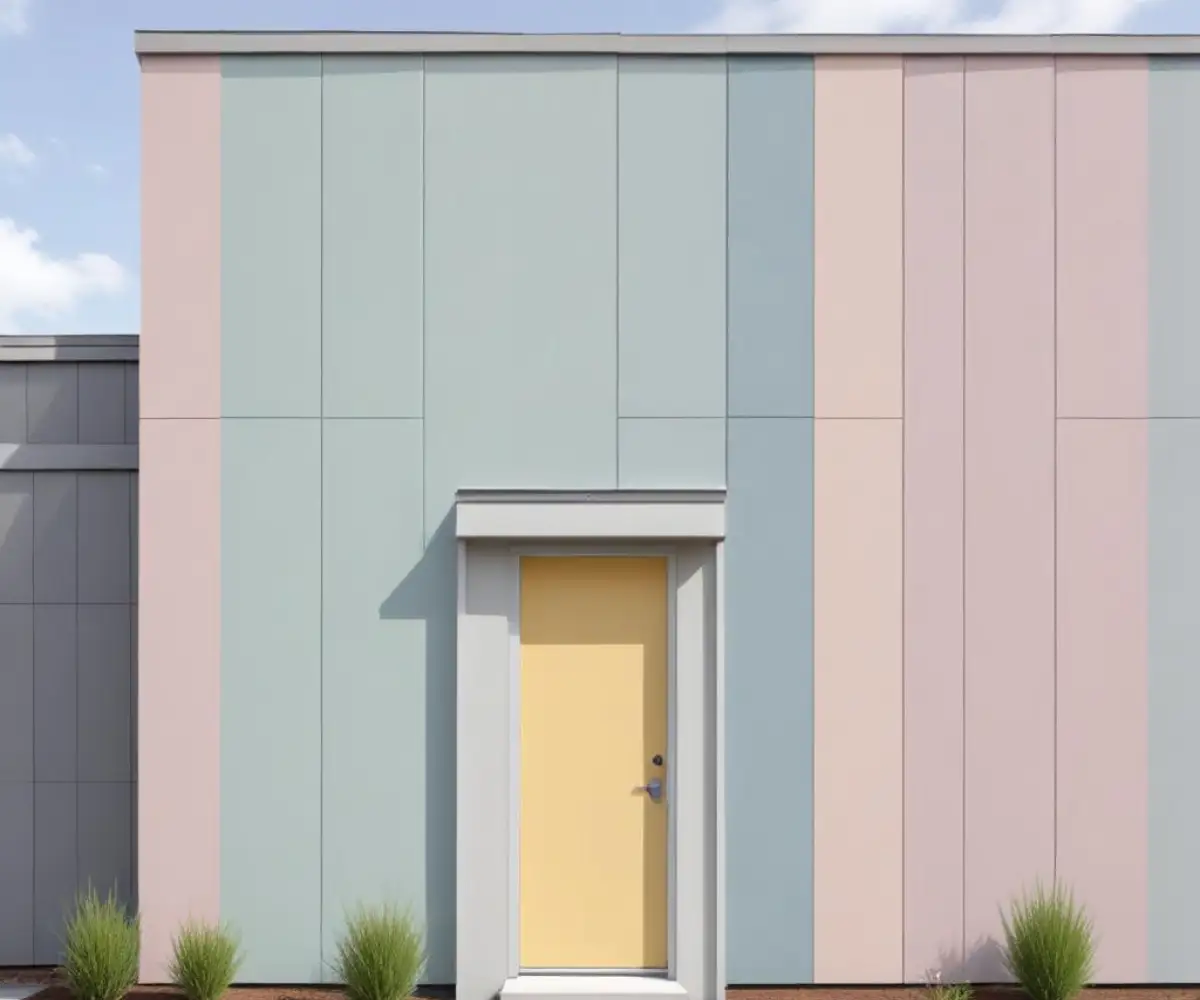
When Hardie Panels are stacked vertically in a multi-story design, a horizontal joint is created between them. This joint is a primary point for water entry. Z-flashing is the non-negotiable solution. This metal flashing is shaped like a “Z”; the top leg tucks behind the upper panel, the middle section sits on the top edge of the lower panel, and the bottom leg directs water out and away from the wall. Proper installation requires leaving a crucial 1/4-inch gap between the bottom of the upper panel and the Z-flashing to allow water to escape freely. This gap must never be caulked. If you’re considering a project like this, it’s worth understanding how even smaller modifications, such as the cost to remove dog door in wall, can impact your wall’s weather barrier.
Vertical and Trim Flashing
Vertical joints between panels, as well as inside and outside corners, are also critical areas. Flashing here is often integrated with the trim boards (like HardieTrim). Strips of flashing material are installed behind the vertical butt joints to drain any water that penetrates the seam. At corners, the flashing works with the trim to create a sealed, multi-layered defense.
Kickout Flashing: Preventing Rot at Roof-Wall Intersections
One of the most catastrophic and frequently missed flashing details is kickout flashing. This piece of flashing is required where a roofline terminates against a wall. Its job is to “kick” the high volume of water running down the roof away from the wall and direct it into the gutter. Without kickout flashing, water pours directly down the wall and behind the siding, leading to rapid and severe rot in the wall sheathing and framing below.
The Step-by-Step Solution: A Flawless Flashing Installation Guide
Achieving a waterproof Hardie Panel installation hinges on meticulous attention to detail during the flashing process. The core principle is to layer all materials in a “shingle-lap” fashion, where the upper layer always overlaps the lower layer, ensuring gravity pulls water down and out.
Step 1: Pre-Installation Prep and WRB Integration
Before any siding is installed, ensure a high-quality, code-compliant water-resistive barrier (WRB) is properly installed over the wall sheathing. All flashing must be integrated with the WRB. This means the top flange of any flashing piece must slide under the WRB, while the WRB itself overlaps the bottom flashing edge, creating a seamless path for water to flow down the wall.
Step 2: Installing Head Flashing Over Windows and Doors
Cut the head flashing to the correct length, extending slightly beyond the trim on each side of the window or door. The back, vertical leg of the flashing should be tucked under the WRB and secured to the sheathing. The top piece of trim is then installed underneath the flashing, protecting the top of the opening.
Step 3: Installing Horizontal Z-Flashing Between Panels
After the lower course of Hardie Panels is installed, place the Z-flashing firmly on its top edge. Secure the flashing’s long vertical flange to the wall framing through the sheathing. When installing the next course of panels above, maintain a minimum 1/4-inch clearance between the bottom edge of the panel and the horizontal flashing. This small gap is a critical drainage channel and must not be sealed with caulk.
Step 4: Sealing and Fastening with Precision
Use only sealants that are compatible with fiber cement and rated for exterior use, such as an elastomeric sealant that meets ASTM C920 standards. Importantly, caulk should be seen as a secondary seal, not a primary water barrier. Flashing does the heavy lifting. Fasteners should never penetrate the horizontal leg of the flashing, as this creates a direct path for water entry.
Beyond the Basics: Advanced Flashing Techniques and Materials
For superior performance, especially in wet climates, consider advanced systems. A rainscreen system, which creates an air gap behind the siding using furring strips, provides an unparalleled drainage and drying capacity. This assembly allows any moisture that penetrates the siding to drain away harmlessly and promotes airflow to dry the wall cavity completely, greatly enhancing the building’s durability. While not always required by code, it is considered a best practice for vertical siding like HardiePanel.
Choosing the Right Flashing Material
The material used for flashing is just as important as the installation technique. Different materials offer varying levels of durability, cost, and compatibility. It is crucial to choose a material that will not react with the fiber cement siding.
| Material | Cost | Durability | Compatibility Notes |
|---|---|---|---|
| Galvanized Steel | Low to Moderate | Good | Must have a G90 coating or higher. Prone to rust if scratched or cut. |
| Painted Aluminum | Moderate | Very Good | Recommended by James Hardie. Raw, unpainted aluminum is not recommended as it can react with the cement. |
| Vinyl / PVC | Low | Good | Easy to work with but can become brittle in extreme cold or with UV exposure over time. |
| Copper | Very High | Excellent | Offers lifetime durability and a distinctive look, but is a premium-cost option. |
Common Mistakes to Avoid: A Contractor’s Confession
Even professional installers can make critical errors. Being aware of these common pitfalls can help you ensure your project is done right the first time, preventing future headaches and expenses.
Mistake #1: Ignoring the Gap
The most frequent error is caulking the 1/4-inch drainage gap above horizontal Z-flashing. This action completely negates the purpose of the flashing, trapping water and creating a miniature dam behind your siding. This gap must remain open.
Mistake #2: Improper Lapping (Reverse Lapping)
Installing the WRB *under* the top flange of the flashing is a recipe for disaster. This “reverse lapping” directs water flowing down the WRB directly behind the flashing and into the wall cavity. The rule is simple: top over bottom, always.
Mistake #3: Relying on Caulk as a Primary Seal
Caulk has a limited lifespan and will eventually shrink, crack, and fail. It should never be used as a substitute for mechanical flashing. Flashing provides a permanent physical barrier, while caulk is only a secondary, temporary seal at joints and trim.
Making the Right Choice: DIY vs. Hiring a Professional
While installing Hardie panels might seem approachable for a skilled DIYer, the flashing details are unforgiving. The margin for error is incredibly small, and the consequences of a mistake are severe and expensive. Correctly integrating flashing with the WRB, windows, and roof lines requires significant expertise. Even those comfortable with heavy equipment, who might wonder how hard is it to operate a mini excavator, will find that siding installation is a skill of precision, not just power.
For a project of this importance, hiring a James Hardie Preferred Contractor is strongly recommended. These professionals are trained and certified in the manufacturer’s specific installation requirements, including the critical flashing details. When vetting a contractor, ask them directly about their flashing procedures for horizontal joints, windows, and roof-to-wall intersections. Their answers will reveal their level of expertise and commitment to a durable installation. When siding is installed over a surface like stucco, there are additional considerations. For example, some might wonder about installing stucco without sheathing, which highlights how different exterior systems have very specific structural needs.
Conclusion: Your Home’s Armor Against the Elements
Hardie Panel flashing is more than just a building code requirement; it is the essential, unsung hero that ensures the longevity of your siding and the structural health of your home. It works silently behind the scenes, managing moisture and protecting your investment from the relentless forces of nature.
By understanding its critical role and insisting on flawless installation, you transform your siding from a mere decorative skin into a comprehensive, high-performance armor system. This attention to detail provides not just curb appeal, but the lasting peace of mind that comes from knowing your home is truly protected, from the inside out.
