
Fear of Falling Through the Floor? 6 Signs It’s a Real Danger
That sudden, unnerving feeling that the floor beneath you isn’t quite solid can be deeply unsettling. For many, a momentary bounce or creak is dismissed, but for others, it sparks a genuine fear of falling through the floor. This anxiety isn’t always irrational; sometimes, it’s your intuition flagging a real, structural problem that demands immediate attention.
Ignoring these feelings can lead to disastrous consequences. While a total collapse is rare, the underlying issues that cause bouncy, sagging, or spongy floors can result in escalating repair costs and compromised home safety. Understanding whether your fear is based on tangible warning signs or anxiety is the first step toward securing your peace of mind and your home’s structural integrity.
You'll Learn About
Is Your Fear Justified? Differentiating Anxiety from Reality
The fear of falling is a natural human instinct. However, when this fear is directed at the floors in your own home, it can become a persistent source of stress. It’s crucial to distinguish between a psychological phobia and a legitimate response to physical warning signs.
A generalized anxiety about falling is known as basophobia. This condition can trigger distress even when there is no real danger. However, if your fear is specifically linked to noticeable changes in your floor’s stability—such as a new bounce, a visible sag, or strange noises—it’s more likely a rational concern about a potential structural issue.
The 6 Red Flags: Signs Your Floor’s Structure Is Compromised
Your senses are your first line of defense in detecting a failing floor. Bouncy, spongy, or sagging floors are not minor quirks of an old house; they are often direct symptoms of a compromised support system. Here are the critical warning signs that indicate your fear may be justified.
1. Spongy or Bouncy Floors
When you walk across a room, does the floor have a noticeable give or springiness underfoot? While some minor flex can be normal, a distinct “bouncy” or “spongy” feeling is a major red flag. This sensation often indicates that the floor joists—the horizontal beams that support the floor—are weakened, spaced too far apart, or are detaching from the subfloor.
This excess movement isn’t just an annoyance that rattles furniture; it places continuous stress on the entire floor system. Over time, this can lead to more severe damage and is a clear signal that the underlying structure is not providing adequate support. Ignoring this could turn a repairable issue into a much larger problem.
2. Visible Sagging or Sloping
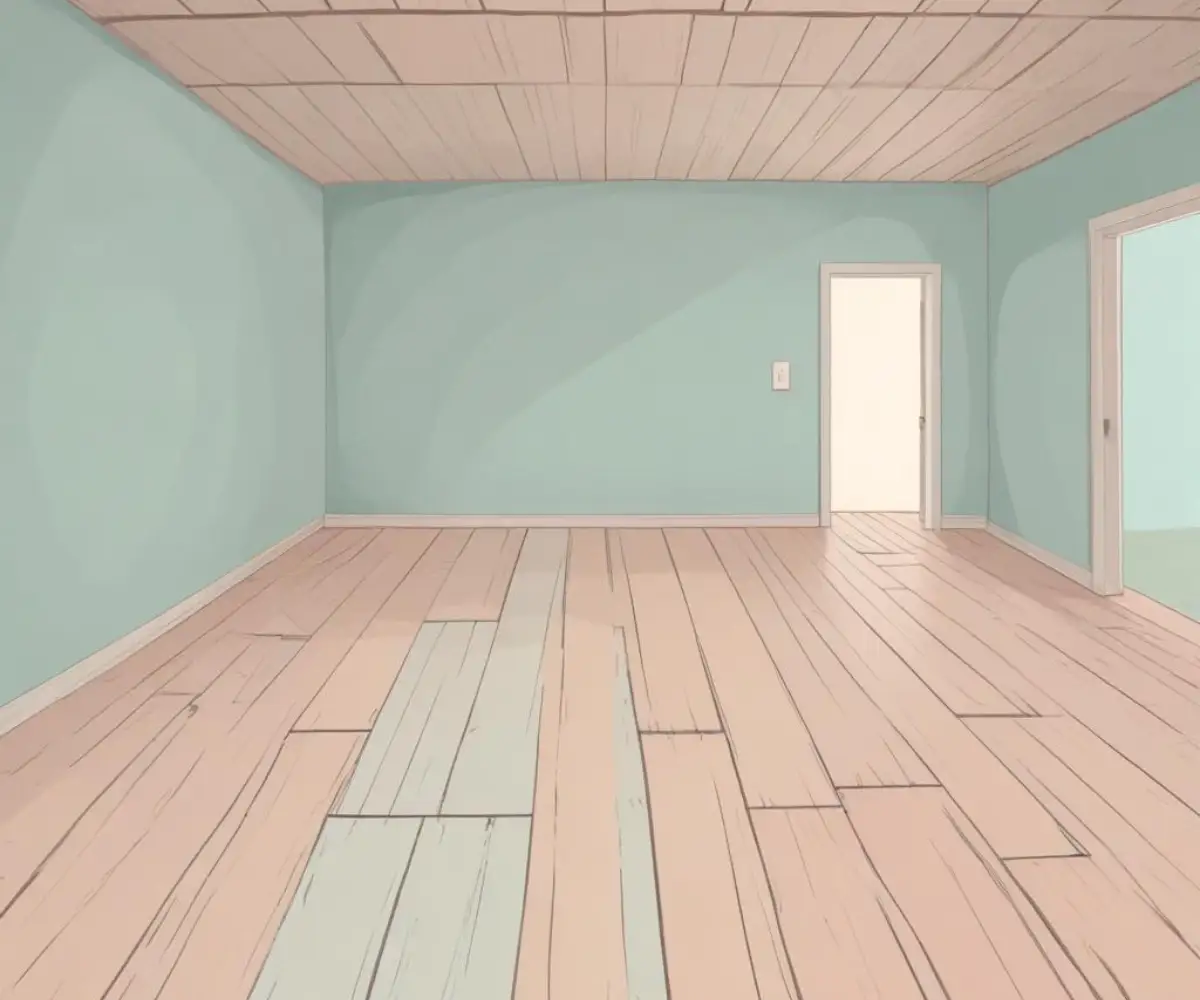
One of the most undeniable signs of a structural problem is a floor that is visibly out of level. You might notice a dip in the center of a room or a general slope towards one wall. A simple way to check is to place a marble or small ball on the floor; if it consistently rolls to the same spot, you have a significant slope.
Sagging is a direct result of gravity acting on a weakened support structure. This could be due to undersized joists, rot, termite damage, or foundation settlement. A sagging floor is a system under immense stress, and it is a clear indication that a professional assessment is needed.
3. Persistent Creaks and Groaning Noises
All floors make some noise, but you should pay close attention to new, loud, or persistent sounds. Sharp cracks, deep groans, or constant squeaking can signal that structural components are in distress. These noises are often caused by wood components rubbing against each other or against fasteners like nails and screws under a shifting load.
While a simple squeak might be a loose floorboard, widespread or loud groaning noises from below suggest that the main support beams or joists are moving or straining. This is your home’s way of audibly warning you of a deeper issue.
4. Cracks in Interior Walls and Ceilings
Structural problems in your floor don’t happen in isolation. Because your home is an interconnected system, a failing floor will often transfer stress to the surrounding walls and ceilings. Look for new cracks appearing in the drywall, especially around door frames and where walls meet the ceiling.
Doors that suddenly begin to stick or won’t latch properly are another tell-tale sign. When a floor sags, it distorts the frames of the doors and windows above it, causing them to jam. These are secondary symptoms of a primary floor support problem.
5. Gaps Between the Floor and Baseboards
As a floor sags or settles, it can pull away from the walls. This may create a visible gap between the bottom of your baseboards and the flooring surface. This is a very serious warning sign, as it indicates significant vertical movement in the floor structure.
Walk the perimeter of the room and inspect this area closely. A new or widening gap is a clear sign that the problem is active and likely worsening over time. This requires immediate investigation.
6. Musty Odors and Visible Mold
Often, the root cause of a failing floor is moisture. Persistent dampness in a crawl space or basement can lead to wood rot and mold, which physically eats away at the structural components of your floor. A musty, earthy smell is a strong indicator of mold or mildew, even if you can’t see it.
If you notice this smell, especially accompanied by a soft or spongy feeling in the floor above, it’s highly probable that your floor joists are compromised by moisture damage. Investigating issues like water coming through floorboards is critical to preventing long-term structural decay.
Understanding the Unseen: What Supports Your Floor?
To understand why floors fail, it’s important to know what holds them up. Your floor is a system of interconnected parts. The visible flooring you walk on is just the top layer. Beneath it lies the subfloor, a flat layer of plywood or OSB (oriented strand board) that provides a surface for the flooring.
The subfloor rests on a series of parallel beams called floor joists. These joists are the primary support structure. They span from the foundation walls to central support beams, creating the “bones” of your floor. If these joists become damaged, the entire system is at risk.
The integrity of this system is paramount. Any compromise to the joists—from water damage, pests, or improper modifications—can lead to the warning signs discussed above. Understanding this structure helps you appreciate why a bouncy floor is more than just a minor annoyance.
The Hidden Culprits: What Causes Floors to Fail?
Structural floor failure is rarely spontaneous. It is almost always the result of a long-term issue that has progressively weakened the support system. Identifying the root cause is the key to a permanent solution.
Moisture and Wood Rot
Water is the number one enemy of a wooden floor structure. Persistent leaks, high humidity in a crawl space, or flooding can saturate the joists and subfloor. This creates the perfect environment for wood rot, a fungal decay that destroys the wood fibers and robs them of their strength. Soft, spongy, or discolored wood is a clear sign of rot.
Termite and Pest Damage
Wood-boring insects like termites and carpenter ants can silently hollow out floor joists from the inside. An infestation can go unnoticed for years, leaving behind a structurally worthless shell of wood. What appears to be a solid beam may actually be honeycombed with tunnels, severely compromising its ability to support weight.
Improper Modifications and Joist Cutting
Previous renovations can be a hidden source of danger. Homeowners or unqualified contractors sometimes make critical errors, such as cutting through floor joists to install plumbing, wiring, or HVAC ducts. Never underestimate the damage that can be done by cutting floor joists for ductwork without proper reinforcement. A single improper cut can compromise the load-bearing capacity of the entire floor.
Foundation and Support Column Issues
Sometimes, the problem isn’t with the floor joists themselves but with what is (or isn’t) holding them up. Settling foundations, failing support columns (lally columns) in the basement, or degraded support beams can cause the entire floor system above to sag and fail. These issues often manifest as sloping floors and cracks in the foundation walls.
| Warning Sign | Potential Underlying Cause | Severity Level |
|---|---|---|
| Bouncy or Spongy Feeling | Over-spanned or weakened joists, subfloor detachment | Medium to High |
| Visible Sagging or Sloping | Rotten joists, foundation settlement, failed support beam | High |
| Loud Creaks or Groans | Joists moving under load, structural shifting | Medium |
| Cracks in Walls / Sticking Doors | Floor sagging is distorting the frame of the house | Medium to High |
| Gaps at Baseboards | Significant vertical floor movement or settlement | High |
| Musty Smells | Active moisture problem, mold, and wood rot | High |
Taking Action: Your Step-by-Step Solution Guide
If you’ve identified one or more of these warning signs, it’s time to act. Do not ignore the problem hoping it will go away—it will only get worse and more expensive to fix. Follow these steps to address the issue safely and effectively.
Step 1: Perform a Safe Visual Inspection
If you can safely access the area beneath the floor (a basement or crawl space), you can perform a preliminary inspection. Take a bright flashlight and look at the floor joists and subfloor directly under the problem area. Look for:
- Visible Cracks or Splits: Examine the wooden joists for any cracks, especially vertical ones.
- Wood Discoloration or Rot: Look for dark, damp-looking wood or areas that appear soft and crumbly.
- Pest Damage: Check for termite mud tubes or small holes and tunnels in the wood.
- Improper Notches or Holes: Note any large cuts or holes in the joists, particularly near the center of their span.
Do not poke or prod at damaged wood, as you could cause further damage or injury. The purpose of this inspection is to gather information, not to start a repair.
Step 2: Do Not Attempt a DIY Structural Repair
While some home repairs are suitable for a DIY approach, structural work is not one of them. The forces at play are immense, and an improper repair can lead to catastrophic failure. Solutions like sistering joists (adding a new joist alongside a damaged one) or installing support columns require a deep understanding of load paths and structural engineering principles.
Trying to save money with a DIY fix can endanger your family and devalue your home. This is a job that must be left to qualified professionals.
Step 3: Call a Structural Engineer
Your most critical step is to hire a licensed structural engineer for an assessment. Unlike a general contractor, a structural engineer’s job is solely to analyze the structural integrity of your home and design a safe, effective repair plan. They are impartial and will provide you with a definitive answer about the cause of the problem and the correct solution.
A structural engineer inspection typically costs between $500 and $2,000 but provides invaluable peace of mind and a professional, legally defensible report. This report will detail the exact nature of the problem and specify the necessary repairs, which you can then take to qualified contractors for quotes.
Step 4: Implement the Professional Solution
Once you have the engineer’s report, you can hire a reputable foundation repair or structural framing contractor to perform the work. The solution might involve:
- Reinforcing or Replacing Joists: Sistering new joists to damaged ones or replacing them entirely.
- Adding Support Beams or Columns: Installing additional supports to reduce joist span and increase stability.
- Foundation Repair: Underpinning a settling foundation to stabilize the home.
- Moisture Mitigation: Encapsulating a crawl space or improving drainage to address the root cause of water damage.
While cosmetic flooring choices, like an h pattern flooring layout, are a matter of taste, the structural support beneath is a matter of safety. By investing in a professional repair, you are not just fixing a bouncy floor—you are preserving the core stability of your entire home.
