
Cathedral Cabinets Out of Style? The Truth for Your Home
You stand in your kitchen, coffee in hand, and look at your cabinets. That distinctive arch, the hallmark of the cathedral cabinet door, once felt classic and elegant. Now, you can’t help but wonder if it’s broadcasting to every visitor that your kitchen is stuck in a bygone era.
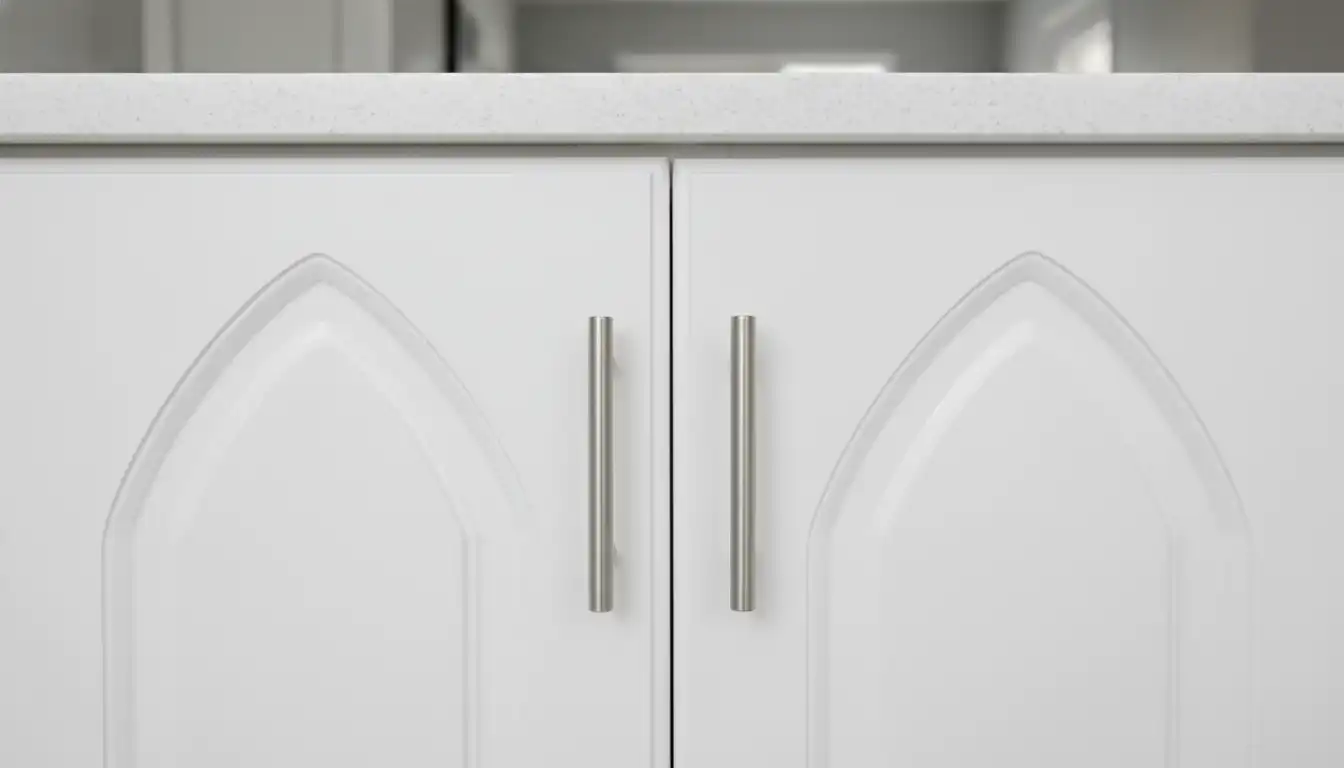
This is a common concern for countless homeowners. Cathedral cabinets, with their traditional curved arch on the upper rail of the door, were a dominant style for decades, particularly through the 1980s, 90s, and early 2000s. If you have them, you’re not alone, but you’re right to question their place in modern design.
The core problem is that interior design trends have shifted dramatically. The current zeitgeist champions clean lines, minimalism, and a less-is-more approach. The ornate curve of a cathedral arch directly conflicts with this sleek, contemporary aesthetic, often making a kitchen feel dated, heavy, and overly traditional.
You'll Learn About
The Verdict: Are Cathedral Cabinets Truly Outdated?
Let’s address the central question directly. In the context of mainstream, contemporary kitchen design, cathedral cabinets are considered out of style. Their intricate detail feels fussy and old-fashioned compared to the simple, geometric profiles that dominate today’s market.
Modern design sensibilities, whether minimalist, mid-century modern, or even the popular modern farmhouse style, all lean on the simplicity of Shaker-style doors or the ultimate sleekness of flat-panel (slab) doors. The arch of a cathedral cabinet introduces a decorative element that feels out of sync with these aesthetics.
However, “out of style” doesn’t mean “forbidden.” In certain specific, niche design schemes like French Country, Tuscan, or a very traditional formal style, a cathedral arch might still find a home. The key is that the entire kitchen and surrounding decor must fully commit to that specific, ornate style for it to feel intentional rather than simply dated.
Why Cathedral Cabinets Fell Out of Favor
Understanding the “why” behind a trend’s decline is crucial for making informed design choices. The cathedral cabinet’s fall from grace wasn’t a sudden event but a gradual shift driven by broader changes in our aesthetic preferences.
The Overwhelming Rise of Minimalism
The most significant factor is the cultural shift towards minimalism. Modern life is often cluttered and chaotic, and homeowners increasingly seek to create a sanctuary of calm and order at home. This translates to design choices that emphasize simplicity, functionality, and clean, uninterrupted lines.
Cathedral cabinets are, by definition, not minimalist. Their arched design is a purely decorative flourish that breaks up the clean horizontal and vertical lines of a kitchen layout. This makes them feel visually “busy” to the modern eye, which has been trained to appreciate uncluttered surfaces and simple forms.
The Unfortunate Association with the “Oak Era”
For many, the image of a cathedral cabinet is inseparable from the honey-toned oak that dominated homes for decades. These “golden oak” kitchens, often paired with laminate countertops and dated hardware, became a visual shorthand for the 1990s. Even when made from other woods like cherry or maple, the cathedral shape itself can trigger this association.
Because that specific combination was so ubiquitous, the door style itself has struggled to shake the connection. When homeowners look to modernize, one of the first things they want to eliminate is any element that screams “90s kitchen,” and the cathedral cabinet is often at the top of that list.
A Lack of Stylistic Versatility
While a Shaker cabinet can be dressed up or down to fit in a traditional, transitional, farmhouse, or even a soft contemporary space, the cathedral cabinet is far more stylistically rigid. Its prominent arch firmly plants it in the “traditional” category.
This makes it difficult to blend with other design elements as your style evolves. You can’t easily pair cathedral cabinets with industrial-style lighting or minimalist Scandinavian furniture. This lack of flexibility is a major drawback for homeowners who want their kitchen to be a timeless hub that can adapt to changing tastes.
Don’t Despair! How to Modernize Your Cathedral Cabinets
If you’re staring at a kitchen full of cathedral cabinets, you do not have to resort to a full, gut-wrenching renovation. There are incredibly effective strategies to bring your kitchen into the present day without tearing everything out. The key is a multi-faceted approach that addresses color, hardware, and the surrounding environment.
The Power of Paint: A Transformative First Step
Never underestimate the transformative power of paint. A professional paint job is the single most effective and budget-friendly way to update cathedral cabinets. The arch becomes far less prominent and “fussy” when it’s coated in a fresh, modern color.
The crucial first step is meticulous prep work. The doors must be thoroughly cleaned with a degreaser, lightly sanded to remove the old finish, and primed with a high-quality bonding primer. Skipping these steps will result in a finish that peels, chips, and looks amateurish.
When it comes to color, move away from the yellows and beiges of the past. Crisp whites or soft, creamy off-whites are timeless choices that will instantly brighten and modernize the space. For a more dramatic and sophisticated look, consider deep navy blues, moody forest greens, or elegant charcoal grays.
Hardware is the Kitchen’s Jewelry
Think of cabinet hardware as the jewelry of your kitchen. Outdated, tarnished brass knobs or chunky wooden pulls on a cathedral cabinet will anchor it firmly in the past. Swapping out hardware is a fast, inexpensive update with a massive visual impact.
Remove the old hardware and look for modern replacements. Sleek, elongated bar pulls in a matte black or brushed nickel finish can help to visually counteract the curve of the arch. Simple, elegant knobs in a brushed gold can add a touch of warmth and luxury. The goal is to choose a style that is clean, simple, and geometric.
Strategic Updates to the Surrounding Kitchen
Your cabinets don’t exist in a vacuum. Updating the elements around them can trick the eye and make the entire space feel more cohesive and modern. A holistic approach is essential for a truly successful refresh.
Start with the countertops. If you have dated laminate, upgrading to a modern alternative will make a world of difference. Quartz remains a top choice for its durability and clean look. A butcher block can add warmth, while new-generation laminates offer stunning and realistic stone looks on a budget. Ensuring you have the right countertop for a slide-in range is crucial for creating that seamless, high-end, built-in appearance that defines modern kitchens.
Next, address the backsplash. The old 4-inch backsplash that matches the countertop is a dead giveaway of a dated kitchen. Replace it with a full-height tile backsplash. Classic subway tile is always a safe and stylish bet, while zellige tiles can add texture and a handcrafted feel.
Beyond the Quick Fix: When to Replace Your Cabinet Doors
Sometimes, paint and hardware aren’t enough to achieve the look you desire. If the arch is simply too dominant for your taste or the doors themselves are in poor condition, you have options that are still less disruptive and costly than a full remodel.
Cabinet refacing is an excellent middle ground. This process involves keeping your existing cabinet boxes but replacing all the doors and drawer fronts with a new style. You get the look of a brand-new kitchen for a fraction of the cost and time. This allows you to switch to a perennially stylish Shaker or a sleek slab door without touching the layout of your kitchen.
To help you decide, consider the key differences between these approaches. Each has its own implications for your budget, timeline, and the level of disruption to your daily life.
| Update Method | Typical Cost | Project Timeline | Level of Disruption |
|---|---|---|---|
| DIY Painting & Hardware | $200 – $800 | 1-2 weekends | Low to Medium |
| Professional Painting | $2,000 – $6,000 | 3-5 days | Medium |
| Cabinet Refacing (New Doors) | $5,000 – $12,000 | 3-7 days | Medium |
| Full Cabinet Replacement | $10,000 – $25,000+ | 2-6 weeks | High |
The Bigger Picture: Cabinet Styles and Your Home’s Architecture
A truly thoughtful design considers how individual elements work within the home’s broader architectural context. The perceived “style” of your cabinets can be influenced by factors you might not expect, like the height of your ceilings.
For instance, a kitchen with lower ceilings will feel more open and airy with simple, clean-lined cabinets that don’t draw the eye to fussy details. In contrast, a home with soaring ceilings can sometimes handle more visual weight and detail. The choice between 8 ft vs 9 ft ceilings can subtly influence whether an ornate cabinet style feels grand or simply crowded.
By painting cathedral cabinets a light color, you reduce their visual weight, making them a better fit for standard-height ceilings. This creates a more harmonious flow between the kitchen and the rest of your living space, preventing the cabinets from becoming a heavy, dominant focal point.
Protecting Your Investment: Maintenance and Care
Whether you’ve painted your existing cabinets or installed brand new ones, proper care is essential to keep them looking their best. A beautiful finish can be quickly ruined by improper cleaning or unnoticed household issues.
For painted cabinets, avoid harsh chemical cleaners. A simple solution of mild dish soap and warm water on a soft cloth is usually all that’s needed for routine cleaning. It’s also vital to address moisture issues promptly. A small leak under the sink can lead to water damage and mold, compromising the integrity of your cabinets. In cases of pervasive dampness, it may be wise to consult professional services; insights from sources like `orkin-dryzone-reviews_gem1` can highlight the importance of tackling moisture problems throughout the home to protect its structure and finishes.
Regularly check hinges and pulls to ensure they are secure. A little proactive maintenance goes a long way in preserving the beauty and function of your kitchen for years to come.
The Future of Cabinet Design: What’s Next?
While Shaker and slab doors reign supreme, the world of design is always evolving. Looking ahead, we see a growing interest in adding texture and subtle detail back into the kitchen. This isn’t a return to the ornate curves of the cathedral arch, but rather an exploration of new forms.
Styles like fluted or reeded cabinet fronts are gaining popularity, offering a linear, geometric texture that feels both modern and warm. We are also seeing a major resurgence of natural wood tones, but in lighter, more natural finishes like white oak and walnut, a world away from the glossy, orange-tinted oak of the past. Handle-less, push-to-open mechanisms continue to be the go-to for ultra-minimalist designs.
A Final Word on Your Cathedral Cabinets
So, are cathedral cabinets out of style? Yes, in the grand scheme of modern design, their time in the spotlight has passed. They speak a design language that feels dated to the contemporary ear, which prefers simplicity and clean lines.
However, this absolutely does not mean you are stuck with a kitchen you hate or that a massive remodel is your only option. Your cathedral cabinets are not a lost cause; they are an opportunity for a creative transformation. With a smart application of paint, new hardware, and strategic updates to the surrounding countertops and backsplash, you can neutralize the dated arch and create a kitchen that feels fresh, modern, and beautiful.
Ultimately, the decision to paint, reface, or replace rests on your personal aesthetic, your budget, and your long-term goals for your home. You have the power to redefine your kitchen, one thoughtful update at a time.
