
Tree and Shrub Soil for Flowers: The Surprising Truth Revealed
Every gardener faces this familiar dilemma. You have a half-used bag of tree and shrub soil left over from a landscaping project, and a collection of beautiful new flowers ready for planting. The temptation is strong to just use what you have, saving a trip to the store and a little money.
But is this a shortcut to a thriving garden or a costly mistake? The answer isn’t a simple yes or no. Using soil formulated for woody plants on delicate flowers requires understanding the fundamental differences in their needs and the composition of the soil itself.
You'll Learn About
What Exactly Is In Tree and Shrub Soil?
Tree and shrub soil is specifically engineered for a very different purpose than potting mixes for flowers. Its primary goal is to provide a stable, long-term foundation for large, woody plants. This means its composition is built around structure and slow, steady support rather than rapid, vibrant growth.
Typically, this type of soil is dense and heavy, often containing a high percentage of wood fines, ground bark, and other coarse organic materials. These components decompose slowly, providing a stable structure for anchoring large root systems over many years. This slow breakdown is perfect for a maple tree but can be problematic for a petunia.
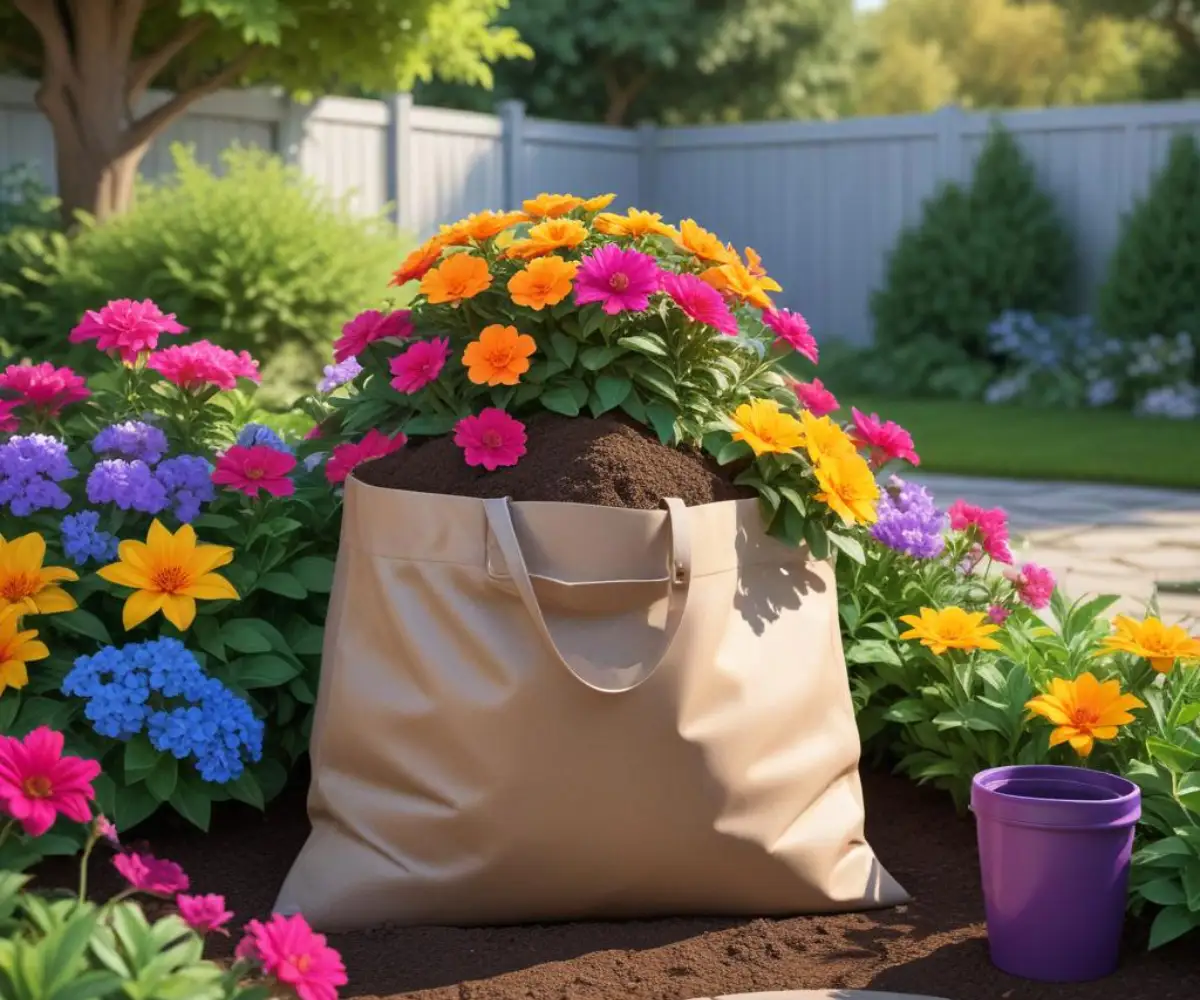
Flower Soil vs. Tree Soil: Unpacking the Key Differences
To understand if you can substitute one for the other, you must first appreciate that not all soil is created equal. Flowers, especially annuals that complete their life cycle in one season, have vastly different requirements than a shrub that will grow for a decade. The core differences come down to three critical areas: drainage, nutrients, and the invisible world of microbial life.
The Drainage Dilemma
The number one killer of many container-grown flowers is root rot, caused by soil that stays too wet. Tree and shrub soil is formulated to retain moisture, which is excellent for helping a newly planted shrub establish itself. However, this same density can be a death sentence for flowers.
Flower and all-purpose potting mixes are significantly lighter and more porous. They almost always contain ingredients like perlite, pumice, or vermiculite. These volcanic glass and mineral components create air pockets in the soil, allowing excess water to drain away freely and letting oxygen reach the roots.
Nutrient Profiles: A Tale of Two Feasts
A woody shrub and a blooming annual have different dietary needs. Tree soil often contains slow-release fertilizers geared towards supporting structural growth—strong branches and deep roots. It’s a marathon, not a sprint.
Flowers, on the other hand, are sprinters. They need readily available nutrients, particularly phosphorus and potassium, to fuel the intense energy production required for blooming. Potting mixes for flowers are designed to deliver these nutrients quickly to support a season of vibrant color.
The Unseen World: Soil pH and Microbial Life
Beyond the visible components, a complex ecosystem exists within the soil. Tree and shrub soils, heavy in wood products, often lean towards being slightly acidic. This is ideal for many woody plants, including acid-lovers like azaleas and rhododendrons.
A crucial, often-overlooked difference is the microbial community. Soils rich in woody material tend to foster a fungal-dominant microbial environment, which is highly effective at breaking down tough materials like bark for trees. In contrast, annual flowers and vegetables thrive in a more bacterial-dominant soil, where nutrients are cycled more rapidly. Using a fungal-dominant soil for flowers can slow down their ability to access essential nutrients.
The Verdict: When Can You Use Tree and Shrub Soil for Flowers?
So, can you use it? The answer is a qualified “yes, but only in specific situations and with significant amendments.” It should almost never be used straight from the bag for flowers, especially in containers.
It can be acceptable for hearty, established perennials planted directly in the ground. If you are amending a larger garden bed and the tree and shrub soil will be mixed thoroughly with existing topsoil and compost, it can add valuable organic matter. Think of robust plants in a mixed border, where you might have a combination of flowering shrubs and perennials.
Conversely, it is a poor choice for any type of container gardening, for starting seeds, or for delicate annuals. The risks of compaction and waterlogging are simply too high in the confined space of a pot. The heavy, dense nature of the soil will suffocate the roots.
| Feature | Tree & Shrub Soil | All-Purpose Potting Mix (for Flowers) |
|---|---|---|
| Texture | Dense, Heavy, Bark-Heavy | Light, Fluffy, Aerated |
| Drainage | Slower, Moisture-Retentive | Excellent, Fast-Draining |
| Nutrients | Slow-Release, Wood-Focused | Quick-Release, Bloom-Focused |
| Ideal Use | In-ground woody plants, amending beds | Containers, Annuals, Houseplants |
| pH Level | Often Slightly Acidic | Generally Neutral to Slightly Acidic |
How to Safely Amend Tree and Shrub Soil for Flowers
If you are determined to use that leftover bag for in-ground planting, you must amend it properly. This is not just a suggestion; it is essential for the health of your flowers. Think of the tree and shrub soil as a base ingredient, not the final product.
Step 1: Lighten the Load
The primary goal is to combat compaction and improve drainage. A good rule of thumb is to ensure the tree and shrub soil makes up no more than one-third of the final mix. The rest should be composed of materials that create air space.
To achieve this, thoroughly combine it with generous amounts of perlite, compost, and your native garden soil. The perlite will add permanent aeration, while the compost introduces vital organic matter and beneficial microbes, helping to shift the soil ecosystem to be more flower-friendly.
Step 2: Boost the Nutrients
Next, you need to adjust the nutrient profile to support blooming. The slow-release fertilizer in the tree soil won’t be enough for hungry annuals. This is where high-quality compost or well-rotted manure becomes critical.
These additions provide a balanced array of nutrients and support a healthy microbial population. You may also want to mix in a granular, all-purpose flower fertilizer that is rich in phosphorus to give your plants the immediate boost they need to produce buds and blossoms.
Step 3: Test and Adjust
For gardeners who want to be precise, a simple soil test kit can reveal the pH of your final mixture. If the mix is too acidic from the woody material, a small amount of garden lime can help raise the pH to a more neutral level that most flowers prefer.
This attention to detail ensures your plants can actually absorb the nutrients you’ve provided. An incorrect pH can lead to nutrient lockout, where nutrients are present in the soil but unavailable to the plant.
The Hidden Risks of Getting It Wrong
Using the wrong soil isn’t just about subpar growth; it can lead to plant failure. In a pot, heavy tree and shrub soil will quickly become a dense, waterlogged brick. This environment is the perfect breeding ground for fungal diseases that cause root rot, from which most plants cannot recover.
Over the course of a season, the soil will compact further with each watering, squeezing out precious air pockets and strangling roots. This creates a stressful environment that weakens the plant, making it more susceptible to pests and diseases. Maintaining a balanced garden ecosystem is crucial; just as you would monitor for destructive vines hanging from trees that can harm established giants, you must provide the right foundation for your smallest flowers.
Beyond the Bag: Building Your Own Perfect Flower Mix
Understanding these principles empowers you to move beyond pre-made bags entirely. Creating your own custom potting mix is a rewarding process that gives you complete control. A classic recipe involves equal parts of a base material (peat moss or coco coir), a nutrient source (compost), and an aeration element (perlite or vermiculite).
This approach allows you to tailor the mix to specific plant needs, whether it’s a specialized blend for an exotic Boston tropical tree in Norton, MA or a simple, effective mix for your summer annuals. It ensures you are always providing the ideal environment for whatever you choose to grow.
The Smart Gardener’s Soil Strategy
In the end, while you *can* use tree and shrub soil for some in-ground flowers with heavy amendments, it’s rarely the ideal choice. It is fundamentally the wrong tool for the job when it comes to container gardening and delicate annuals.
The wisest strategy is to use products as they are intended. Reserve tree and shrub soil for its namesake plants. By investing in a quality potting mix formulated for flowers, you provide the correct drainage, aeration, and nutrients from the start, setting your plants up for a season of spectacular, trouble-free blooms.
