Your Ultimate Guide to a Boston Tropical Tree in Norton, MA
Dreaming of a lush, tropical paradise in your New England backyard? The idea of growing a vibrant, exotic tree near Boston, specifically in Norton, MA, seems like a gardener’s fantasy. The harsh winters and temperate climate of Massachusetts present a significant challenge for plants native to warmer regions.
Many homeowners invest in beautiful tropical plants, only to see them perish with the first frost. This common problem leads to frustration and the belief that a tropical aesthetic is impossible in USDA Zone 6b. However, achieving that breezy, vacation-like atmosphere in your garden is more attainable than you think.
This guide provides the solution. We will explore the secrets to successfully cultivating a tropical-looking landscape in the Boston area. From selecting cold-hardy varieties that mimic the tropics to mastering overwintering techniques, you will learn how to create a resilient and stunning garden that defies the New England climate.
You'll Learn About
The Zone 6b Challenge: Understanding Norton’s Climate
The primary obstacle for any aspiring tropical gardener in Norton, MA, is the climate. Designated as USDA Hardiness Zone 6b, the area experiences average annual minimum winter temperatures between -5°F and 0°F. These freezing conditions are lethal for true tropical trees.
Beyond the cold, the region’s soil composition and weather patterns add another layer of complexity. Understanding these local factors is the first step toward building a successful tropical-inspired garden. With the right knowledge, you can turn these challenges into advantages.
Decoding Norton’s Soil and Weather
The soil in the Norton area is predominantly a mix of sandy loams and stratified drift, a result of glacial deposits. While often well-draining, it can be acidic and may lack the rich organic matter that many tropical plants crave. It’s essential to amend the soil to create a hospitable environment for your chosen plants.
Furthermore, New England weather is known for its unpredictability. Sudden temperature drops in late spring or early fall can catch tender plants off guard. Strategic planting and protection are crucial for survival. By focusing on creating favorable microclimates and choosing the right species, these challenges can be effectively managed.
The Secret Weapon: Cold-Hardy Tropical Alternatives
The key to a tropical look in a cold climate isn’t about growing actual palm trees from the Caribbean. It’s about selecting plants that create the illusion of the tropics through their bold foliage, vibrant flowers, and dramatic shapes. Many hardy perennials and shrubs offer this aesthetic while being perfectly suited for Zone 6b.
These plants are the backbone of a New England tropical garden. They provide the structure and feel of a faraway paradise without the constant worry of winter survival. By focusing on these resilient alternatives, you can build a lush, exotic landscape that returns year after year.
Top “Tropical” Trees and Shrubs for the Boston Area
Several species provide that big-leaf, exotic feel necessary for a tropical-themed garden. These plants are proven performers in Zone 6 and will form the foundation of your Norton oasis. Consider incorporating a few of these stunning options.
The Hardy Banana (Musa basjoo) is a must-have for its enormous, paddle-shaped leaves that instantly evoke a jungle atmosphere. While it dies back to the ground in winter, with heavy mulching, its roots survive and send up vigorous new growth each spring, reaching heights of 10-15 feet in a single season.
Another excellent choice is the Hardy Hibiscus (Hibiscus moscheutos), also known as Rose Mallow. This perennial shrub produces dinner-plate-sized flowers in vibrant shades of pink, red, and white. Its large, lush leaves contribute to the tropical feel, and it is reliably hardy in Massachusetts.
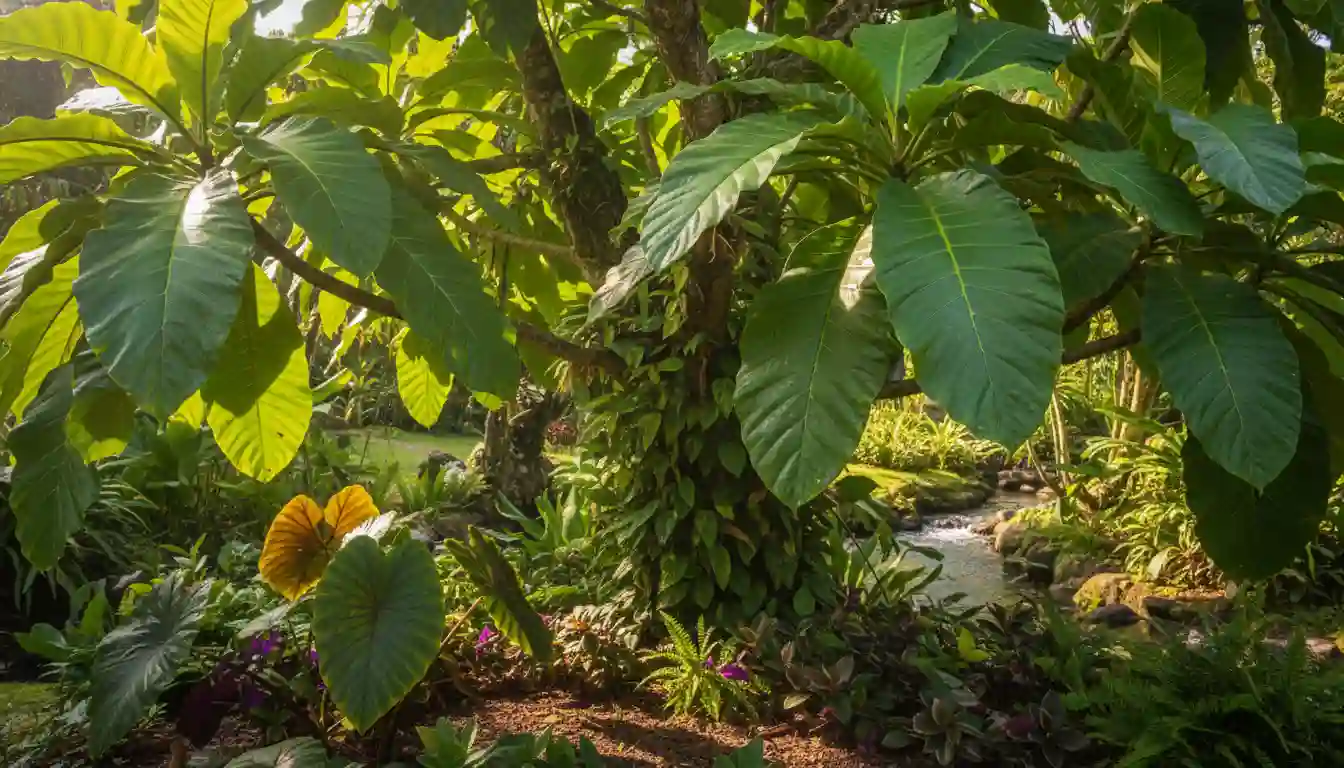
For a more tree-like structure, the Pawpaw (Asimina triloba) is a fantastic native option. It features large, drooping leaves that give it a distinctly tropical appearance. As a bonus, it produces a unique, custard-like fruit with a flavor reminiscent of banana and mango.
Creating a Resilient Oasis: Mastering Microclimates and Soil
Success goes beyond plant selection. You must actively modify your garden’s environment to give these exotic-looking plants the best possible chance to thrive. This involves creating warmer microclimates and perfecting your soil composition.
A microclimate is a small area within your garden where the climate is slightly different from the surrounding area. Harnessing microclimates is one of the most effective strategies for pushing the boundaries of what you can grow. By thoughtfully placing plants and using structures, you can create pockets of warmth and shelter.
Strategic Planting for Warmth and Protection
Plant your most tender specimens in locations that receive full sun and are shielded from harsh winter winds. A spot against a south-facing wall is ideal, as the structure will absorb solar heat during the day and radiate it back at night, keeping the immediate area warmer.
Fences, boulders, and even dense evergreen shrubs can act as windbreaks, protecting plants from damaging and desiccating winds. Grouping several large container plants together can also create a shared microclimate, where they collectively raise humidity and buffer each other from temperature swings, a useful technique if you are trying to liven up a small space like a screened-in apartment patio.
Building the Perfect Soil Foundation
As mentioned, Norton’s soil can be acidic and may not be inherently rich. Before planting, it’s crucial to prepare the soil. Start by getting a soil test to understand its pH and nutrient levels. Most garden centers can provide simple test kits.
Incorporate generous amounts of organic matter, such as compost, aged manure, and leaf mold. This will improve soil structure, enhance drainage, and provide a slow-release source of nutrients. For plants that prefer less acidic conditions, you may need to add garden lime to raise the pH.
The Supporting Cast: Essential Perennials and Annuals
To complete your tropical tapestry, you need more than just the large “trees.” A mix of perennials and annuals with bold textures and vibrant colors will fill in the gaps and create a layered, jungle-like effect. These plants are the final touch that brings the entire vision to life.
Choosing the right companion plants enhances the overall theme and adds season-long interest. Many of these plants are readily available at local nurseries and are easy to care for, making them perfect for both novice and experienced gardeners.
Foliage Powerhouses: Elephant Ears and Canna Lilies
Elephant Ears (Colocasia and Alocasia) are essential for any tropical-style garden. Their massive, heart-shaped leaves provide unparalleled drama and texture. While their bulbs must be dug up and stored indoors for the winter, the effort is well worth the incredible impact they make.
Canna Lilies are another indispensable addition. They offer a double benefit: large, often striped or colorful leaves and brilliant flowers that attract hummingbirds. Like Elephant Ears, their rhizomes need to be lifted in the fall and stored in a cool, dry place.
The following table provides a quick comparison of these essential tropical-look plants.
| Plant Name | Key Feature | Hardiness Zone | Winter Care (Zone 6b) |
|---|---|---|---|
| Hardy Banana (Musa basjoo) | Giant paddle-like leaves | 6-10 | Cut back and mulch heavily after first frost |
| Hardy Hibiscus (Hibiscus moscheutos) | Huge, colorful flowers | 5-9 | Cut back stems in late fall; perennial |
| Pawpaw (Asimina triloba) | Large, drooping leaves; edible fruit | 5-9 | Fully hardy; no special care needed |
| Elephant Ear (Colocasia) | Massive, heart-shaped leaves | 8-11 | Dig up and store tubers indoors |
| Canna Lily (Canna) | Colorful leaves and flowers | 8-11 | Dig up and store rhizomes indoors |
| Coleus (Plectranthus scutellarioides) | Vibrantly colored foliage | 10-11 | Treat as an annual or overwinter indoors |
Container Gardening: Your Mobile Tropical Paradise
For those with limited space or who want to grow true tropicals, container gardening is the perfect solution. Growing plants like Mandevilla, Bougainvillea, or even a small citrus tree in pots allows you to enjoy them outdoors during the summer and bring them inside for protection during the winter.
This method gives you the flexibility to experiment with a wider variety of exotic plants that would never survive a Massachusetts winter in the ground. It’s a manageable way to add authentic tropical flair to your patio, deck, or garden.
The Art of Overwintering Container Plants
Successfully overwintering potted tropicals requires a specific strategy. Before the first frost, typically when nighttime temperatures consistently dip below 55°F, it’s time to bring your plants indoors. This transition should be gradual to avoid shocking the plant.
Start by thoroughly inspecting and cleaning your plants. Hose them down to remove any pests that might be hiding on the leaves or in the soil. Once inside, place them in the brightest location you have, such as a south-facing window. If you’re undertaking a larger indoor project, like a full room renovation, you might be thinking about tasks like ceiling resurfacing to maximize light reflection.
Reduce watering significantly during the winter months, as the plants will be in a dormant or semi-dormant state. Allow the top inch or two of soil to dry out completely before watering again. Withhold fertilizer until early spring when you see signs of new growth.
Preparing Pots for a New Season
Spring preparation is key to a healthy start for your container garden. When you’re ready to bring plants back outside, it’s a good time to assess their pots and soil. If a plant has become root-bound, repot it into a slightly larger container with fresh potting mix.
This is also the perfect time to clean and prepare your planters. A fresh coat of paint or sealer can rejuvenate tired-looking pots. Using a quality primer is essential for a long-lasting finish, and it’s always wise to look for a deal like a perfect primer coupon code to save on supplies.
Sourcing Your Plants: Finding a “Boston Tropical Tree” in Norton, MA
While the name “Boston Tropical Tree” might have referred to a specific, now-closed nursery, the spirit of finding unique and exotic plants lives on. The key is to know where to look. Many local nurseries in the greater Boston and Norton area carry a surprising selection of cold-hardy tropical alternatives and tender tropicals for container gardening.
When visiting a local garden center, don’t be afraid to ask for advice. The staff at places like Blueview Nurseries in Norton are knowledgeable about local conditions and can guide you toward plants that will succeed in your specific garden environment. Building a relationship with a local nursery is an invaluable resource.
Exploring nurseries in nearby towns can also yield fantastic results. Briggs Nursery in North Attleboro and New England Nurseries in Bedford are other excellent options. These establishments often carry the hardy hibiscus, cannas, and other plants mentioned in this guide, giving you plenty of choices to begin building your backyard paradise.