
Buyer Wants to Measure Before Closing? Your Next Move Is Critical
The call from your real estate agent comes in. The buyers are excited, but they have a request: they want to access the property to take measurements before the closing date. For a seller, this simple request can feel like a sudden complication in the final stretch of a long journey.
Is this a standard part of the process, or is it a red flag? Granting access feels like a courtesy, but it also opens a Pandora’s box of potential risks, from liability issues to last-minute negotiating tactics. Understanding the motivations behind the request and navigating it with a clear, strategic approach is essential to keep your sale on track and protect your interests.
This guide provides a comprehensive framework for sellers. It details why buyers make this request, the legitimate risks involved for you, and how to manage the situation professionally. Following these steps ensures a smooth, secure path to the closing table.
You'll Learn About
Why Buyers Are So Eager to Measure: Understanding Their Motivation
Before assuming the worst, it’s helpful to understand the buyer’s perspective. The period between signing the purchase agreement and closing is a whirlwind of planning. The request to measure is almost always born out of excitement and practical necessity, not a desire to cause problems.
Planning for Furniture and Layouts
The most common reason is simple: they want to know if their furniture will fit. Buyers are already mentally moving in, picturing where their sectional sofa will go or if their king-size bed will overwhelm the primary bedroom. They need precise measurements to make decisions about what to keep, what to sell, and what to buy.
This phase is a crucial part of their emotional transition into the home. Providing them with the ability to plan helps solidify their commitment and keeps their excitement for the property high, which is ultimately a positive for the seller.
Getting a Head Start with Contractors
Modern homebuyers often have renovation plans ready to go on day one. They want to maximize their time and start projects immediately after closing to minimize the period of disruption. Waiting until after they have the keys to get bids can add weeks or even months to a project timeline.
By taking measurements beforehand, they can get accurate quotes from contractors for everything from painting and flooring to more significant renovations. This could even involve planning for significant changes, like finding the right custom doors. Researching options is key, and many turn to detailed product reviews to make informed decisions early.
Ordering Appliances and Window Treatments
Supply chain issues have made lead times for appliances and custom goods longer than ever. A buyer might want to order a new refrigerator, washer, dryer, or custom blinds so they arrive shortly after move-in day. This requires exact measurements of appliance nooks, laundry rooms, and window frames.
Without pre-closing access, they risk living in a home without essential appliances or privacy for weeks. Their desire to measure is a practical step to ensure their new home is comfortable and functional from the moment they move in.
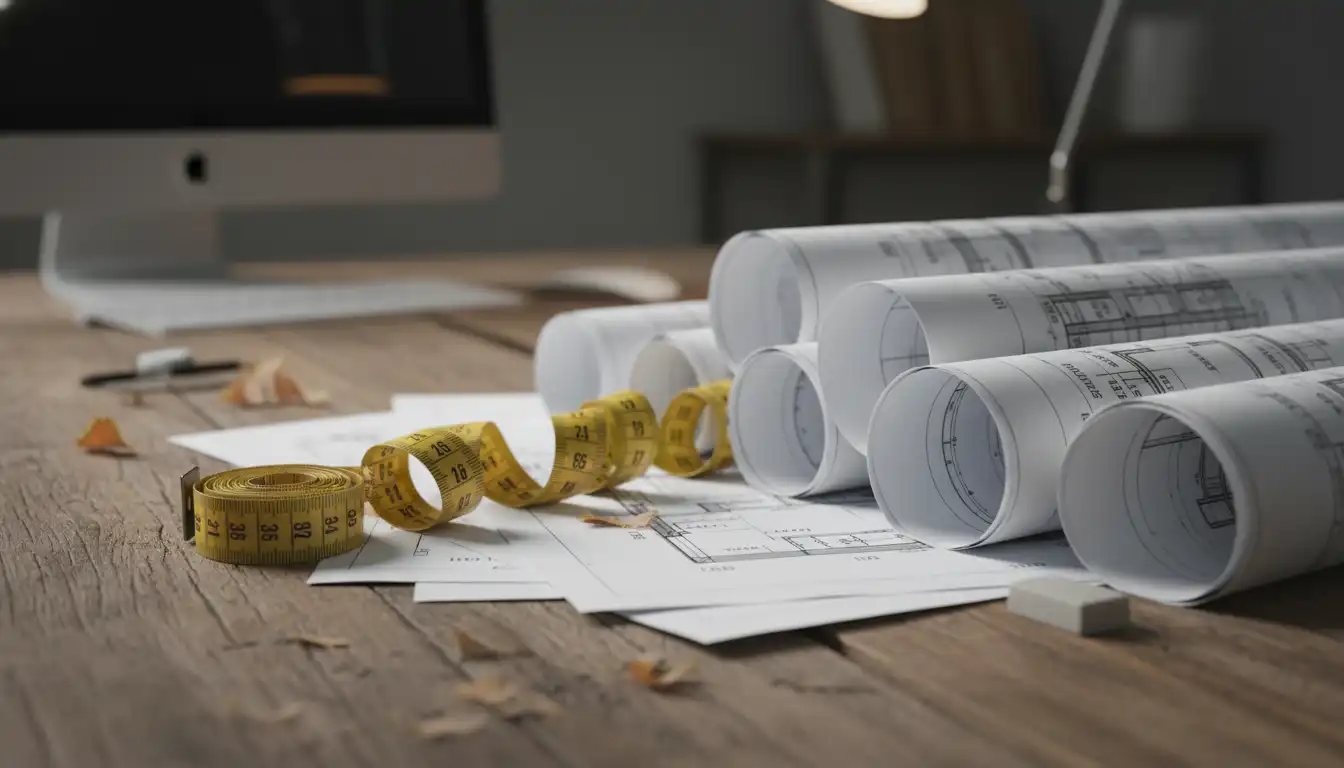
The Seller’s Risk: Legitimate Concerns You Shouldn’t Ignore
While a buyer’s request is usually well-intentioned, a seller’s hesitation is equally valid. Granting access to a property you still legally own and are responsible for is not without significant risks. It is crucial to be aware of these potential pitfalls before saying yes.
The Critical Issue of Liability
This is the single most significant risk for sellers. Until the deed is transferred, the property is your responsibility. If a buyer, their family member, or their contractor slips, falls, or is injured on your property during a measurement visit, you could be held liable.
Your homeowner’s insurance may not cover injuries to a buyer who was given permissive access for a non-essential visit. This potential for a lawsuit, medical claims, and legal fees is a serious threat that every seller must consider. The risk is not just theoretical; accidents can and do happen.
The “Discovery” of New Problems
A measurement visit is not a home inspection. However, a buyer walking through the home with a critical eye may notice cosmetic flaws or minor issues they missed during the initial tours. A scuff on the wall, a dripping faucet, or a loose tile can suddenly become a major point of contention.
This can lead to the buyer attempting to renegotiate the price or demand repairs for issues not covered in the original inspection report. This behavior, often a symptom of “buyer’s remorse,” can destabilize the deal right before the finish line. A simple measurement trip can turn into an unofficial and unauthorized second inspection.
Disruption and Inconvenience
As a seller, you are likely in the process of packing and preparing to move. Your home is filled with boxes, and your routine is already disrupted. Accommodating one or more visits from the buyer and their associates can be a major inconvenience.
It requires you to clean and organize the space, vacate the property for a set period, and manage the logistics of scheduling. This adds another layer of stress to an already taxing process, especially if the buyer wants to make multiple trips or bring several people with them.
The Solution: How to Grant Access Safely and Securely
Saying a flat “no” can create bad will and make the buyer anxious, while a simple “yes” exposes you to risk. The best approach is a structured “yes, but…” that protects both parties. This requires clear communication and formal documentation.
Step 1: Consult Your Team Immediately
Do not give an immediate answer to the buyer or their agent. Your first step should be to consult your real estate agent and, if necessary, your real estate attorney. They understand the local customs and the legal nuances of your purchase agreement.
Your agent can act as a professional intermediary, managing communication and setting expectations. Your attorney can advise on the specific legal language needed to mitigate your liability and ensure any agreement is ironclad.
Step 2: Require a Formal Written Agreement
Never grant access based on a verbal agreement. The only safe way to proceed is with a formal, written “Access Agreement” or an addendum to the purchase contract. This document is non-negotiable and should be signed by both the buyer and the seller before the visit.
This agreement officially lays out the terms of the visit and ensures there are no misunderstandings. It transforms a casual request into a structured, professional event, which is essential for protecting your interests.
Step 3: Key Components of the Access Agreement
Your agent or attorney will draft the document, but it should contain several critical clauses:
- Purpose of Visit: The document must state that the sole purpose of the visit is for measurements and that it is not a formal inspection.
- Hold Harmless and Indemnification Clause: This is the most important part. It should clearly state that the buyer assumes all risk of injury or damage to their person or property during the visit and agrees to hold the seller harmless from any claims.
- No Renegotiation Clause: The agreement should specify that the visit’s findings cannot be used as a basis for altering the terms of the purchase agreement, renegotiating the price, or requesting repairs.
- Specific Time and Attendees: The addendum must define a precise date and time for the visit (e.g., Tuesday at 2 PM for 60 minutes). It should also list exactly who is allowed to be present—typically the buyers and their agent only.
- Supervision Required: It should mandate that your real estate agent (the listing agent) must be present for the entire duration of the visit to supervise and ensure the rules are followed.
A Proactive Strategy: Offer Alternatives First
In some cases, you can satisfy the buyer’s needs without a physical visit. This can be a great first step to show goodwill while maintaining your security. Consider offering to take specific, crucial measurements for them yourself.
Alternatively, if you have original floor plans or blueprints, offering a copy can often provide all the information they need. This proactive approach can solve their problem, save everyone time, and avoid the risks of an in-person visit altogether.
Best Practices for a Smooth Measurement Visit
If you’ve agreed to a visit with a formal agreement in place, a few extra steps will ensure everything goes off without a hitch. Preparation and clear rules are your best defense against misunderstandings.
Prepare the Property for Safety
Your home is a moving zone, which can create hazards. Before the visit, do a quick walkthrough to ensure the space is safe. Make sure all pathways are clear of boxes and clutter to prevent trips and falls.
Secure any loose rugs and ensure all areas are well-lit. You are not staging the home for a showing, but you are taking reasonable precautions to prevent an accident on your property.
The Role of Your Real Estate Agent
Your agent is not just a chaperone; they are your representative on-site. They must be present for the entire visit to ensure the buyers adhere to the terms of the agreement. Their job is to politely keep the visit on track.
They should remind the buyers that the purpose is for measuring only. If the buyers start testing appliances, opening up electrical panels, or commenting on cosmetic issues, your agent should gently redirect them back to the task at hand. This professional supervision is non-negotiable.
A buyer’s mind can race with possibilities during these visits. They might be thinking about minor changes, such as how to handle a french door plastic insert replacement, or more ambitious projects like closing off a loft with glass. Your agent’s presence keeps their focus on measurements, not on creating a new repair list.
Set a Firm Time Limit
The access agreement should have a clearly defined time limit, and it’s your agent’s job to enforce it. A 60-minute window is typically more than sufficient for a buyer to get all the measurements they need.
A firm end time prevents the visit from turning into a leisurely tour or an impromptu inspection. It respects everyone’s time, especially yours, and reinforces the professional nature of the arrangement.
| Consideration | Seller’s Perspective | Buyer’s Perspective |
|---|---|---|
| Primary Goal | A secure, on-time closing with no last-minute issues. | To plan for moving, furniture, and renovations effectively. |
| Potential Benefit of Access | Keeps buyer excitement and commitment high, reducing the chance of cold feet. | Saves significant time and reduces stress by allowing for pre-closing planning. |
| Primary Risk of Access | Liability for injuries and the possibility of the buyer trying to renegotiate. | Discovering a minor issue that causes unnecessary anxiety or doubt. |
| Best Case Scenario | The buyer gets measurements, feels more connected to the home, and the closing is smooth. | All measurements are taken, and all plans for furniture and contractors are confirmed. |
| Worst Case Scenario | An injury occurs, leading to a lawsuit, or the buyer backs out over a trivial discovery. | The seller denies access, creating friction and preventing essential planning. |
| Ideal Solution | Granting access under a formal, written agreement with a liability waiver. | Gaining access through a mutually agreed-upon, supervised, and scheduled visit. |
When to Consider Saying No
While a structured “yes” is often the best path, there are certain situations where denying the request is the most prudent course of action. You are not obligated to grant access, and your protection should always be the priority.
If the buyer has already been difficult, made numerous unreasonable demands, or seems hesitant about the deal, a measurement visit could be a tactic to find a reason to back out or renegotiate. In these cases, the risk may outweigh the benefit. Trust your instincts and the advice of your agent.
Furthermore, if your property has known hazards or is in a state of disarray due to packing, it may be unsafe to allow visitors. In this scenario, politely declining on the grounds of safety is a completely reasonable and defensible position. You can soften the refusal by offering the alternatives mentioned earlier, such as providing the measurements yourself.
