Bathroom Fan Starts Then Stops? Don’t Ignore This Warning
You flip the switch, the familiar whir of the bathroom fan kicks in, and just as you start to relax, it abruptly powers down. That frustrating cycle—fan on, fan off—is more than just an annoyance. It’s a clear signal that something is wrong with one of your home’s most important ventilation components.
A properly functioning bathroom fan is essential for pulling moisture out of the air, preventing mold growth, and protecting your walls and ceiling from water damage. When your fan starts and stops intermittently, it’s failing at its primary job. This guide will walk you through the common causes of this problem and provide actionable steps to get it running smoothly again.
You'll Learn About
Why Your Bathroom Fan Keeps Shutting Off
An exhaust fan that works sporadically is often a symptom of a few core issues, most of which relate to overheating, electrical faults, or airflow restrictions. Understanding the root cause is the first step toward a reliable fix.
The Overheating Motor: A Built-In Safety Hazard
The most frequent reason a bathroom fan starts and then stops is its thermal overload protector. This is a safety feature built into the motor that automatically shuts it off when it gets too hot to prevent a fire. Once the motor cools down, it might start up again, repeating the cycle.
Several things can cause the motor to overheat. The most common is a thick buildup of dust, lint, and debris on the fan blades and within the motor housing, which insulates the motor and prevents it from cooling effectively. Lack of lubrication on the motor’s bearings can also cause friction and excess heat.
Faulty Wiring and Loose Electrical Connections
Vibrations from the fan’s normal operation can cause electrical connections to become loose over time. An intermittent connection can lead to the fan cutting in and out. This can happen at the switch, within the fan’s housing, or at the plug if your model isn’t hardwired.
A faulty wall switch or timer can also be the culprit. These components can wear out, leading to inconsistent power delivery. In complex renovations, knowing who draws electrical plans is crucial, as improper initial wiring can lead to long-term issues like this.
Blocked Ductwork and Restricted Airflow
Your fan is designed to pull air through a duct to the outside of your home. If that duct is blocked, the fan motor has to work much harder to move air. This strain can lead to overheating and trigger the thermal overload protector.
Blockages can come from lint buildup, birds’ nests in the exterior vent, or a stuck damper flap. A damper is a small flap that prevents outside air from coming in, and if it’s stuck closed, your fan is essentially trying to push air against a wall.
An Undersized or Improperly Rated Fan
Not all fans are created equal. If a fan is installed with a duct run that is too long or has too many sharp bends, it may not have enough power to push the air effectively. This constant struggle for the motor leads to overheating and shutdowns.
Every fan has a CFM (Cubic Feet per Minute) rating that indicates how much air it can move. An undersized fan for a large bathroom or a complex duct system will consistently fail, highlighting the importance of selecting the right equipment from the start.
A Step-by-Step Guide to Fixing Your Intermittent Fan
Before you begin any diagnostic work, it is crucial to prioritize safety. Working with electrical appliances requires caution and a clear understanding of the risks involved.
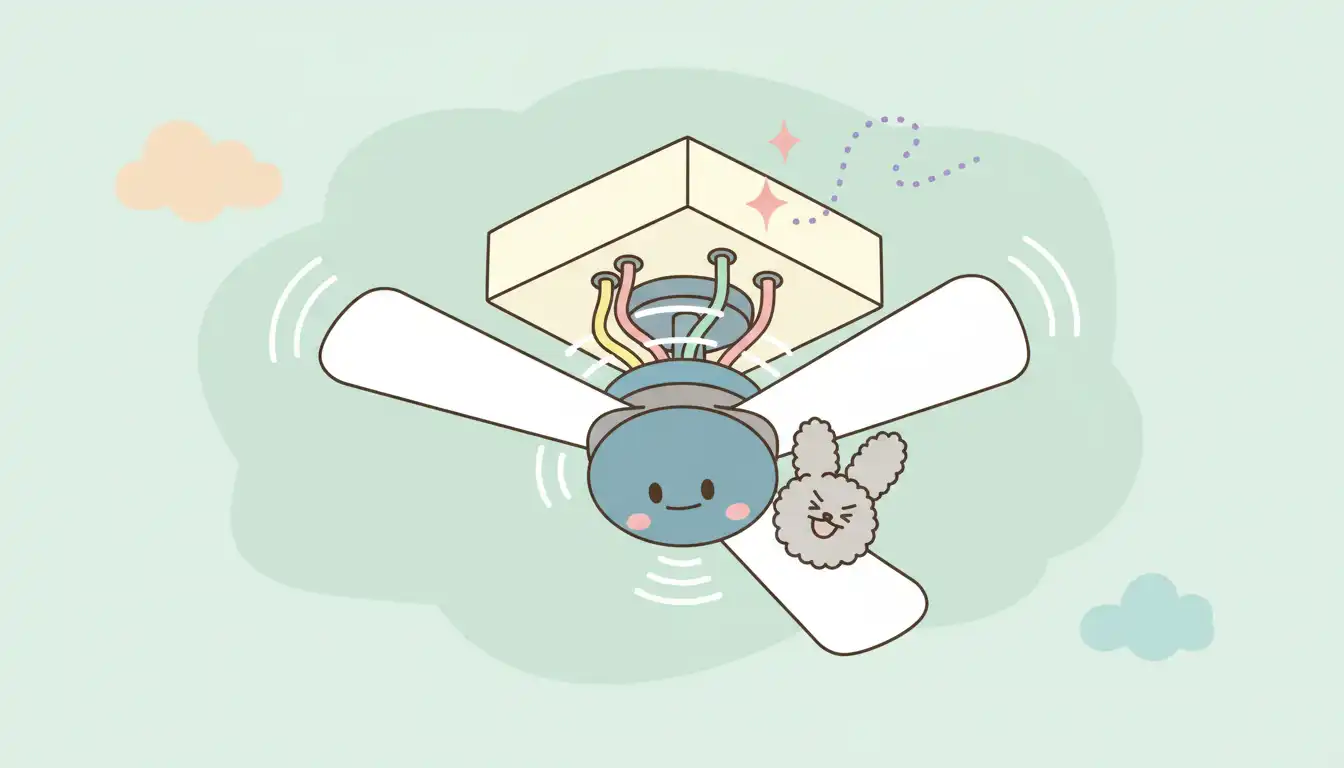
Step 1: Safety First! Cut the Power
Go to your home’s circuit breaker panel and turn off the power to the bathroom where the fan is located. You can confirm the power is off by flipping the fan and light switches. Nothing should turn on.
Step 2: Clean the Entire Fan Assembly
Remove the fan’s grille or cover. Most can be pulled down gently and have metal clips you can squeeze to release them. Use a vacuum with a brush attachment to thoroughly clean the grille, the fan blades, the motor housing, and all visible interior parts.
Accumulated dust is a leading cause of overheating. A deep cleaning is often all that’s needed to solve the problem and restore proper function.
Step 3: Inspect the Ductwork and Exterior Vent
With the cover off, you should be able to see the damper inside the fan housing. Gently push on it to ensure it moves freely. If it’s stuck, clean any debris that may be obstructing it.
Next, check the exterior vent cap on your roof or the side of your house. Make sure it’s clear of obstructions like leaves, debris, or nests. A clear path for air is essential for the fan motor to operate without strain.
Step 4: Check for Loose Wires
Carefully examine the electrical connections inside the fan housing. Look for any wires that appear loose, disconnected, or show signs of scorching or melting. Gently tug on the wire nuts to ensure they are secure.
If you see any loose connections, tighten them. If you notice any signs of burnt wires, this indicates a more serious electrical issue. This is a good time to consider professional help, as a persistent problem might be related to other sounds in your home, like a clicking noise in ceiling at night, which could suggest wider electrical faults.
Troubleshooting Summary Table
Use this table to quickly diagnose potential issues and determine the right course of action for your fan problem.
| Symptom | Likely Cause | Solution | Difficulty |
|---|---|---|---|
| Fan runs for a few minutes, then stops. Restarts later. | Overheating Motor (due to dust/debris) | Thoroughly clean fan blades and motor housing. | Easy |
| Fan sputters or cuts in and out randomly. | Loose Electrical Connection | Turn off power, then check and tighten wire nuts at the fan and switch. | Medium |
| Fan runs loudly but moves little air before stopping. | Blocked Ductwork or Stuck Damper | Inspect and clear duct and exterior vent. Ensure damper flap moves freely. | Medium |
| Fan motor feels very hot to the touch (after turning power off). | Failing Motor | Replace the fan motor or the entire fan unit. | Difficult |
| Problem persists in a new or recently renovated bathroom. | Improperly Sized Fan or incorrect installation. | Consult the fan’s specifications and potentially replace with a stronger model. | Difficult |
When to Repair and When to Replace Your Fan
Deciding whether to fix a faulty fan or invest in a new one depends on the age of the unit, the nature of the problem, and your comfort level with DIY repairs.
Simple Fixes You Can Handle
If your fan is relatively new and the issue is simply dust buildup or a loose wire nut, a repair is the most cost-effective option. Regular cleaning is a maintenance task every homeowner should perform to extend the life of their fan and prevent overheating issues.
Calling a Professional vs. Full Replacement
If you discover burnt wires, if the motor has seized completely (the blades won’t spin freely by hand), or if you’re uncomfortable working with electrical wiring, it’s time to call a licensed electrician. They can safely diagnose the problem and replace the faulty component.
However, if your fan is over ten years old, noisy even when working, or if a replacement motor costs nearly as much as a new unit, replacing the entire fan is often the smarter choice. Modern fans are significantly quieter, more energy-efficient, and offer better performance.
Preventing Future Bathroom Fan Failures
Once your fan is working correctly, a little preventative maintenance can keep it that way for years to come. A well-maintained ventilation system contributes to a healthier home environment.
The Importance of a Regular Cleaning Schedule
At least twice a year, take the time to clean your bathroom fan. Remove the cover and vacuum away any dust and lint. This simple task prevents the primary cause of motor overheating and ensures efficient airflow.
While maintaining your home’s interior, don’t forget the exterior. Improving the landscaping around your home, such as finding free hostas near me to plant, can be a rewarding project, but always ensure that growing plants do not obstruct your exterior vents.
Understanding Your Home’s Complete Ventilation Needs
Your bathroom fan is part of a larger system that keeps your home’s air fresh and healthy. Ensure your home has adequate intake air for the fan to function properly. In very airtight homes, this might mean cracking a door open while the fan is running.
By addressing the issue of a fan that starts and stops, you are not just fixing an appliance; you are protecting your home from moisture damage and ensuring better air quality. A few simple checks and a commitment to regular maintenance can keep this vital component working efficiently for years to come.
Final Word
Addressing an intermittent bathroom fan is a critical maintenance task that protects both your home’s air quality and its structural integrity. Whether the culprit is a thermal overload sensor protecting a clogged motor, a loose wiring connection, or a failing capacitor, ignoring these warning signs can lead to costly mold remediation and hardware failure. By systematically troubleshooting the unit, you can restore the consistent ventilation necessary to keep your bathroom dry and odor-free. Rectifying this cycle not only eliminates a daily frustration but also ensures that your home’s moisture management system remains robust. Taking action now prevents a minor electrical hiccup from escalating into a major renovation project, keeping your sanctuary comfortable and well-ventilated for years to come.