
Basement Bathtub: Your Dream Spa or a Plumbing Nightmare?
Transforming a cold, underutilized basement into a warm, inviting living space is a homeowner’s dream. Adding a full bathroom with a bathtub can elevate that dream into a true luxury retreat, perfect for guests or a private escape.
However, installing a bathtub below ground level presents unique challenges that don’t exist in the rest of the house. The primary obstacle is one of simple physics: gravity is working against you, making drainage a complex puzzle. This guide will walk you through the critical steps to ensure your basement bathtub becomes a dream spa, not a costly plumbing nightmare.
You'll Learn About
Why a Basement Bathtub Installation is a Different Beast
Unlike bathrooms on the main or upper floors, a basement bathroom sits below the home’s main sewer line. This means you can’t rely on a standard, gravity-fed drain to whisk away water and waste. Ignoring this fundamental difference is the first step toward a disastrous project.
Furthermore, basements are naturally prone to moisture and dampness. Introducing a significant water source like a bathtub without proper planning can lead to mold, mildew, and structural issues. Proper waterproofing and ventilation are not optional extras; they are essential components of a successful installation.
Solving the Great Plumbing Puzzle: Draining Your Basement Bathtub
Because your basement drain will be lower than your home’s main drain pipe, you will need a pump to move the water and waste up and out. This is the single most critical decision you’ll make in the project. There are three primary systems to consider, each with its own set of pros and cons.
Option 1: The Sewage Ejector Pump System
A sewage ejector pump is the most robust and traditional solution for a full basement bathroom. The system involves creating a pit in the concrete floor to house a sealed basin, or “sump.” All the fixtures—toilet, sink, and bathtub—drain into this basin.
When the waste and water reach a certain level, a float switch activates the pump. The pump then grinds any solid waste and forcefully ejects the slurry up a discharge pipe and into the main sewer line. This is a heavy-duty solution designed to handle a complete bathroom without issue.
Option 2: The Macerating (Up-Flush) System
If the thought of breaking up your concrete floor is daunting, a macerating system might be the answer. These systems typically feature a toilet with a built-in pump and grinder unit located in a tank behind the bowl. The key advantage is that it sits directly on your existing floor.
Many macerating units come with auxiliary inlets, allowing you to connect the drain from a bathtub and a sink. When you flush the toilet or drain the tub, the unit automatically activates, grinds the waste, and pumps it out through a small-diameter pipe that can be easily hidden in a wall. While convenient, they can sometimes be noisier than ejector pumps.
Option 3: The Dedicated Gray Water Pump
If your plans do not include a toilet, a simpler gray water pump (also known as an effluent pump) is a cost-effective choice. This pump is designed to handle only “gray water” from showers, sinks, and bathtubs. It does not have the grinding mechanism required for solid waste.
This is an excellent option for creating a simple bathroom with just a sink and tub. However, it completely removes the possibility of adding a toilet later without a much more significant plumbing overhaul. Carefully consider your long-term plans before choosing this route.
Creating a Moisture-Proof Sanctuary
With the plumbing solved, the next battle is against moisture. A basement bathtub introduces a massive amount of humidity into an already damp-prone environment. Failing to control this moisture can lead to serious problems, including the kind of water damage that results in a squishy bathtub floor.
Waterproofing and Ventilation are Non-Negotiable
Before any finishing materials are installed, the foundation walls and concrete floor must be thoroughly waterproofed. Use a high-quality liquid membrane or a dimple mat system to create an impenetrable barrier against ground moisture. This protects your investment from the outside in.
Next, you must install a powerful exhaust fan. A standard fan won’t do; you need one rated for the square footage of your new bathroom to effectively remove steam and humidity. Consider a model with a humidistat, which automatically turns the fan on when it detects high moisture levels and off when the air is clear.
Design and Functionality: From Concrete Box to Spa Retreat
Now for the fun part: choosing the fixtures and finishes that will transform your basement into a relaxing oasis. The right choices will not only look great but will also stand up to the unique basement environment.
Choosing the Right Basement Bathtub
Getting a large, heavy bathtub down a narrow basement staircase can be a challenge in itself. Always measure your access points before you buy. Acrylic and fiberglass tubs are significantly lighter than their cast iron or steel counterparts, making them a popular choice for basements.
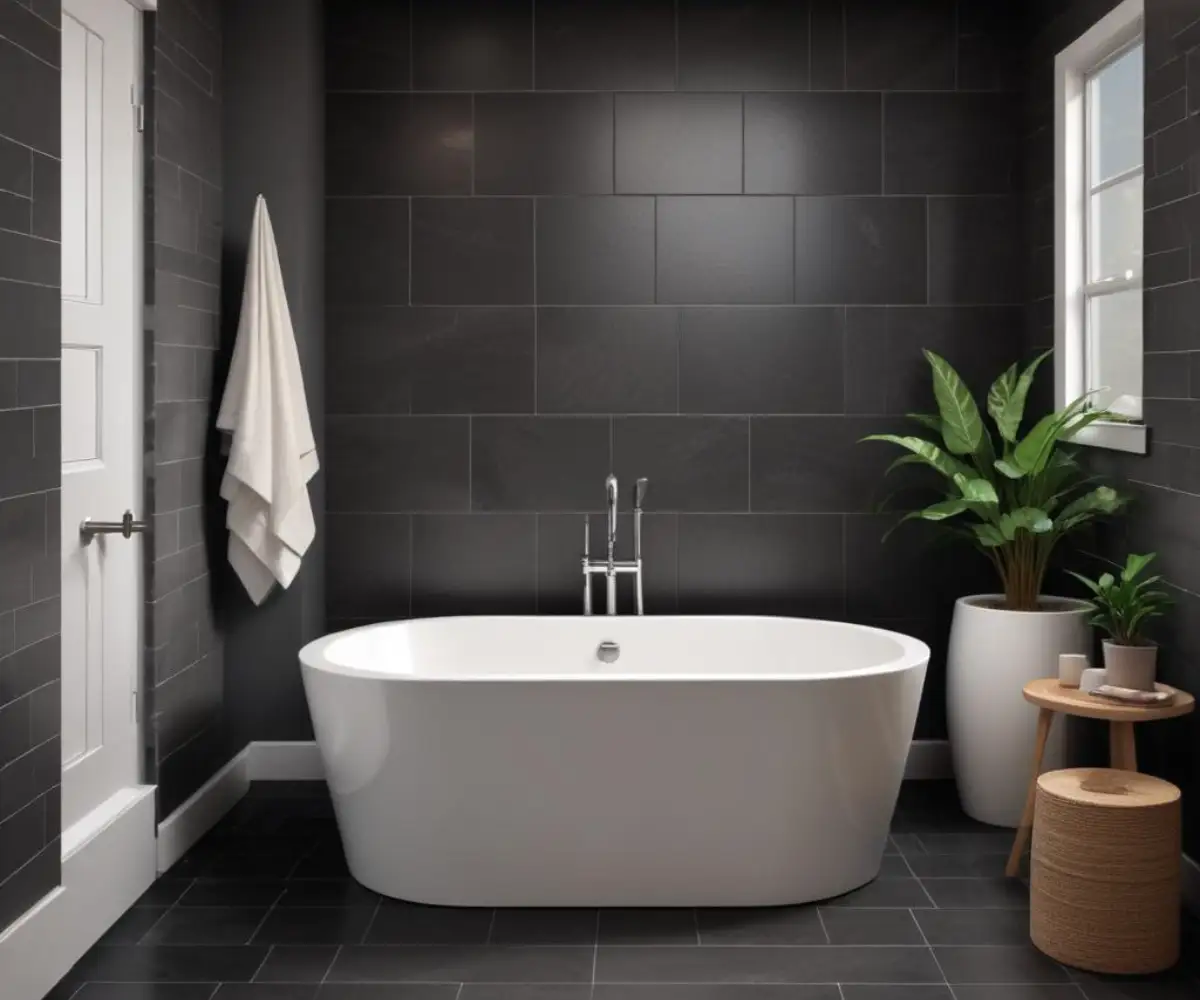
Consider the style that fits your vision. A standard alcove tub is practical and space-efficient. However, if you have the room, a freestanding tub can act as a stunning centerpiece. A vintage clawfoot tub can bring a unique sense of character and elegance to the space, creating a truly special retreat.
| Bathtub Material | Pros | Cons | Best For |
|---|---|---|---|
| Acrylic | Lightweight, wide variety of shapes, retains heat well, non-porous surface. | Can scratch more easily than other materials, can feel less substantial. | Basements with difficult access and homeowners wanting a specific modern shape. |
| Fiberglass | Most affordable option, very lightweight and easy to install. | Porous and less durable, prone to scratching and color fading over time. | Budget-conscious projects where ease of installation is a top priority. |
| Cast Iron | Extremely durable, excellent heat retention, classic high-end look. | Extremely heavy, requires a reinforced floor, very difficult to move. | Ground-floor installations or basements with walk-out access and a reinforced slab. |
| Enameled Steel | More durable than acrylic, lighter than cast iron, budget-friendly. | Surface can chip, can lose heat faster than other materials, can rust if chipped. | A good middle-ground option for durability and affordability. |
The Lighting Illusion: Making the Space Feel Bright
Basements often suffer from a lack of natural light. Overcome this with a layered lighting strategy. Use recessed ceiling lights for general ambient lighting, bright vanity lights for tasks like shaving or makeup, and a dimmable fixture over the tub to create a relaxing spa-like mood.
Using light-colored tiles and paint will also help reflect light, making the space feel larger and more open. If your tub ever develops surface imperfections, it’s reassuring to know you can often how to fix a dip in a bathtub yourself to maintain that pristine look.
Critical Mistakes to Avoid with Your Basement Bathtub
A successful project is as much about avoiding errors as it is about making the right choices. Keep these common pitfalls in mind before you start.
Mistake #1: Ignoring Local Building Codes
Plumbing, electrical, and construction work in a basement bathroom is subject to strict building codes. These codes cover everything from the type of pump required to the ventilation standards. Always pull the necessary permits and have your work inspected to ensure it’s safe and compliant.
Mistake #2: Underestimating the True Cost
The cost of a basement bathtub goes far beyond the tub itself. You must budget for potentially breaking and repairing concrete, extensive plumbing work, waterproofing, electrical wiring, ventilation, and all the finishing materials. Get multiple quotes from qualified contractors before you begin.
Mistake #3: Choosing the Wrong Pump Size
A common error is selecting a pump based only on price. The pump must be sized correctly for the “Drainage Fixture Unit” (DFU) load of the entire bathroom. An undersized pump will struggle and fail prematurely, leading to messy and expensive repairs. Consult with a plumber to ensure you choose a pump that can handle the job.
Your Basement Oasis Awaits
Adding a bathtub to your basement is a complex but incredibly rewarding project. By tackling the core challenges of drainage and moisture control head-on, you can avoid the common pitfalls and create a space that is both functional and beautiful.
With careful planning and the right professional help, you can successfully transform a dark corner of your basement into the peaceful, spa-like retreat you’ve always wanted, adding significant value and comfort to your home.
