
Workstation Sink Pros and Cons: The Unfiltered Truth
The modern kitchen is a battleground for efficiency. Every square inch counts, and the promise of a single fixture that can revolutionize your workflow is hard to ignore. Enter the workstation sink, a sleek, feature-rich upgrade that floods social media feeds and dominates design magazines.
It promises to transform a simple basin into a multifunctional prep station, saving you counter space and time. But is this trendy centerpiece a true kitchen game-changer, or is it a high-maintenance headache hiding behind a pretty facade? Before you commit to this significant investment, you need to understand the full story—the good, the bad, and the frequently overlooked.
This guide cuts through the hype to deliver the unfiltered truth about the workstation sink pros and cons. We will explore the hidden realities of ownership, from daily cleaning routines to long-term durability, so you can make a decision that truly fits your lifestyle, not just your design aspirations.
You'll Learn About
What Exactly Defines a Workstation Sink?
A workstation sink is not just a basin for washing dishes; it’s an integrated system designed for culinary efficiency. Its defining feature is a built-in ledge or track, typically running along the front and back of the sink. This ledge allows a suite of custom-fit accessories to slide across the top of the sink, creating a versatile and layered workspace.
This design allows you to perform a variety of tasks directly over the sink, which keeps your countertops cleaner and more organized. Common accessories that come with or can be purchased for a workstation sink are what truly unlock its potential.
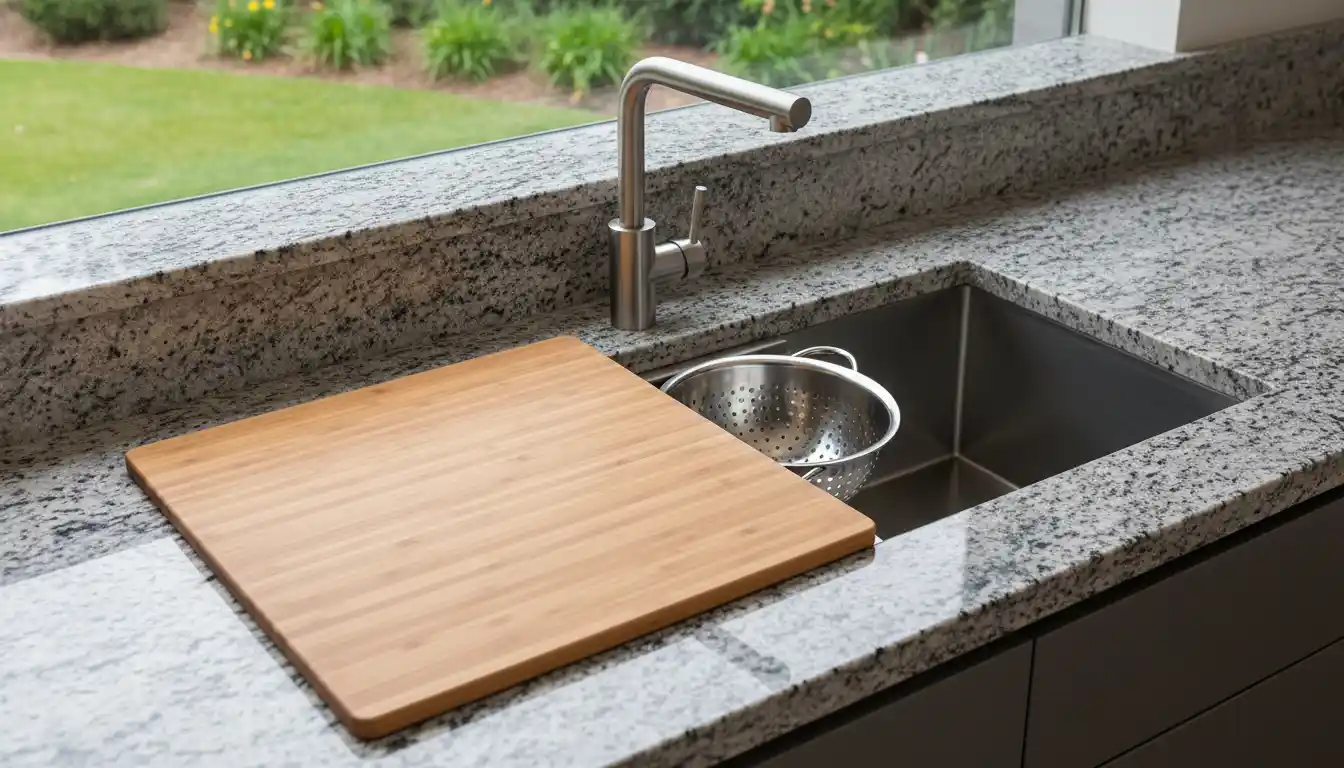
These often include a durable cutting board, a stainless steel colander for rinsing produce, a roll-up or stationary dish-drying rack, and a protective bottom grid to prevent scratches. The goal is a seamless flow from prepping and washing to cleaning and drying, all within one compact zone.
The Alluring Pros: Why Everyone Wants a Workstation Sink
The popularity of workstation sinks is no accident. They offer compelling advantages that address some of the most common frustrations in kitchen design. For many homeowners, these benefits are significant enough to justify the investment.
Unmatched Space-Saving Efficiency
The most significant advantage is the creation of new, usable workspace. In smaller kitchens where counter space is at a premium, a workstation sink is a game-changer. It effectively adds a few feet of prep area by allowing you to chop vegetables, rinse pasta, and dry dishes directly over the sink basin.
This means you no longer need to clutter your limited countertops with cutting boards, colanders, and dish racks. This consolidation of tasks is the primary reason many choose to upgrade.
A Streamlined and Cleaner Workflow
Imagine being able to wash, chop, and transfer ingredients to a pot without ever leaving the sink area. The integrated accessories create a highly ergonomic and linear workflow. You can rinse produce in the colander, slide the cutting board over, chop the items, and sweep the scraps directly into the garbage disposal below.
This self-contained process dramatically reduces mess. Water drips, vegetable peels, and other debris are captured within the sink, keeping your main countertops pristine and making cleanup significantly faster and easier.
Modern Aesthetics and High-End Appeal
There is no denying the visual impact of a workstation sink. With clean lines, often in professional-grade stainless steel or sleek composite materials, they lend a sophisticated, high-end look to any kitchen. The integrated accessories fit perfectly, creating a flush and organized appearance.
This fixture can serve as a stunning focal point, elevating the overall design of your kitchen. It signals a space that is built for serious cooking and thoughtful design, which can be a major factor in home value and personal satisfaction.
Incredible Versatility
A workstation sink is a true kitchen multitasker. Beyond daily food prep, it can be used as a drink station when entertaining—just fill the basin with ice and beverages. The drying rack is perfect for everything from wine glasses to heavy cast-iron skillets.
Some even use the various levels to stage ingredients while cooking, keeping everything organized and within arm’s reach. This adaptability makes it a powerful tool for home cooks who value efficiency and smart design.
The Hidden Cons: The Reality of Living with a Workstation Sink
While the benefits are impressive, the day-to-day reality of owning a workstation sink comes with challenges that are rarely highlighted in showrooms. These drawbacks are critical to consider, as they can turn a dream sink into a source of daily frustration if they don’t align with your habits.
The Cleaning Conundrum: More Than Meets the Eye
This is the single most significant, yet often understated, con. A workstation sink has more surfaces, corners, and components than a traditional sink, and they all require regular cleaning. The integrated ledges are a notorious trap for food particles, soap scum, and grime.
If not wiped down daily, this buildup can lead to bacteria and unpleasant odors. You are not just cleaning a basin; you are also cleaning the tracks, each individual accessory, and the areas underneath them. This additional maintenance is a commitment many buyers are not prepared for.
The High Cost of Entry (And Accessories)
Workstation sinks represent a premium product category, and their price reflects that. They are significantly more expensive than standard undermount or drop-in sinks of a similar size and material. The cost is not just for the sink itself but for the ecosystem of accessories that make it functional.
Furthermore, if an accessory breaks or you want to add a new one, these custom-fit components can be costly and sometimes difficult to source from the original manufacturer. This makes the total cost of ownership higher over time.
Accessory Overload and Storage Issues
While the accessories are the main selling point, they also create a practical problem: where do you store them when you need to use the entire sink basin? If you need to wash a large pot or a roasting pan, you must first remove the cutting board, colander, and drying rack.
These items can be bulky and require dedicated cabinet or pantry space. For those with already limited storage, finding a home for these components can be a challenge, ironically negating some of the space-saving benefits the sink is meant to provide.
Potential for a Deeper, Uncomfortable Basin
Many workstation sinks are designed with a single, deep basin to accommodate the layered accessories and to minimize splashing. While a deep sink is great for hiding dirty dishes, it can be ergonomically challenging. Constant leaning over a deep basin can lead to back and shoulder strain, especially for taller individuals.
It is crucial to test the ergonomics before purchasing. Mimic washing a large pot at a showroom display to see if the depth feels comfortable for your height and posture. An uncomfortable sink is a daily regret.
Material Mismatches and Durability Concerns
Not all workstation sink systems are created equal, and the quality of the accessories is paramount. A common issue is a mismatch in material durability. For example, a beautiful but poorly sealed wooden cutting board can warp, stain, or develop mold from constant exposure to moisture.
Similarly, a heavy stainless steel accessory could potentially chip a fireclay or granite composite sink if dropped. It is essential to scrutinize the quality and material of not just the sink, but every component that comes with it to ensure long-term performance.
Workstation Sink Face-Off: Key Factors to Consider
Choosing the right sink involves comparing it not just to its own kind, but to the traditional options that have served kitchens for decades. Understanding where each type excels can clarify which is the best fit for your home. This table breaks down the key differences between a workstation sink and standard single or double-basin models.
| Feature | Workstation Sink | Traditional Single-Basin | Traditional Double-Basin |
|---|---|---|---|
| Prep Space | Excellent (creates new space over the sink) | Poor (requires separate counter space) | Poor (requires separate counter space) |
| Cleaning Effort | High (ledges, tracks, and multiple accessories require daily attention) | Low (simple, open basin is easy to wipe down) | Medium (center divider can trap grime) |
| Washing Large Items | Good (usually a large, deep single basin) | Excellent (unobstructed open space) | Poor (divider gets in the way of pans and cookie sheets) |
| Cost | High to Very High | Low to Medium | Low to Medium |
| Accessory Management | Requires dedicated storage for bulky accessories | Not applicable (accessories are separate) | Not applicable (accessories are separate) |
| Best For | Small kitchens, avid home cooks, and those who value a tidy, streamlined workflow. | Washing large pots and pans, minimalist designs, and budget-conscious remodels. | Traditional dishwashing methods (one side for washing, one for rinsing). |
Making the Right Choice: Is a Workstation Sink Right for Your Kitchen?
Ultimately, the decision to install a workstation sink is deeply personal and depends on your unique habits, kitchen layout, and budget. Answering these key questions honestly will guide you to the right choice.
Assess Your Cooking and Cleaning Habits
This is the most critical step. Are you a meticulous person who enjoys cleaning and organizing as you go? If so, the daily wipe-down of the workstation ledges and accessories will likely feel like a natural part of your routine. You will thrive with this kind of system.
However, if you tend to let dishes pile up or prefer a quick, low-maintenance cleanup, a workstation sink could become a constant source of stress. Be honest about your tolerance for daily upkeep.
Sizing and Configuration: Don’t Get It Wrong
The size of the workstation sink is crucial. A model under 30 inches can feel cramped once you start adding accessories, defeating the purpose. A very large model might be overkill and consume too much valuable counter real estate. Considering the largest kitchen sink you can fit is tempting, but balance is key.
Also, consider the basin configuration. Most are single-basin, which is great for large items but can be tricky for those accustomed to a double-basin setup for separating dirty and clean dishes.
Material Matters: Stainless Steel vs. Granite Composite vs. Fireclay
The material of your sink will dictate its durability, appearance, and maintenance requirements. 16-gauge stainless steel is the most popular choice for its resilience and professional look, though it can scratch. Granite or quartz composite offers excellent durability, sound absorption, and a variety of colors, but can be susceptible to stains from hard water.
Fireclay provides a classic, farmhouse aesthetic and is highly resistant to staining and chipping, but it is also one of the more expensive and heavy options, requiring reinforced cabinetry.
Integrating with Your Kitchen Layout
A workstation sink is the heart of a kitchen “zone.” Its efficiency is maximized when the surrounding layout supports its workflow. For instance, the distance between your sink and your island is a critical dimension for a functional kitchen; having the right amount of space, such as considering if 5 feet between island and counter is too much or too little, can make all the difference. The sink becomes a primary prep area, so its proximity to your cooktop and refrigerator matters.
The sheer size and visual weight of a large workstation sink can also influence other design choices. It might impact whether you feel an island longer than cabinets would balance the space or overwhelm it. Consider the entire ecosystem of your kitchen design.
The Final Verdict: An Investment in Efficiency or a Costly Mistake?
A workstation sink is far more than just a sink; it is a commitment to a specific style of kitchen workflow. For the right homeowner—someone who is organized, cooks frequently, and is diligent about cleaning—it can be a truly transformative tool that enhances both the function and beauty of their kitchen.
However, for the more casual user or someone who prioritizes low-maintenance living, it can become an expensive and underutilized feature, with its primary benefit—the accessories—gathering dust in a cabinet. The value is not in the object itself, but in its daily use. If you are not prepared to integrate its features into your routine, its high cost and cleaning demands will quickly outweigh the benefits.
Before you make your final decision, look beyond the pristine showroom displays. Weigh the workstation sink pros and cons against your own habits and lifestyle. The best kitchen is one that works for you, and the right sink is a foundational piece of that personalized efficiency.
