
Woodpecker Attacking Chimney? Here’s How to Stop It Fast
That relentless, machine-gun-like rapping on your chimney can be more than just a morning annoyance. It’s a sound that can signal ongoing, and potentially expensive, damage to your home’s exterior.
Many homeowners are startled to find a woodpecker diligently hammering away at their chimney cap or siding. This guide will explore the surprising reasons behind this behavior and provide a clear, step-by-step plan to protect your home and restore your peace and quiet.
You'll Learn About
Why Is a Woodpecker Attacking Your Chimney? The Surprising Reasons
Understanding the motivation behind the pecking is the first step toward finding an effective solution. It’s rarely a random act; these birds have specific reasons for targeting your chimney structure.
The Loudest Drum in the Neighborhood: Territorial Drumming
One of the most common reasons for a woodpecker attacking a chimney is something called drumming. This is not about finding food but about communication. Woodpeckers use a rapid, rhythmic pecking to establish territory and attract mates.
Metal chimney caps, flashing, and vents act as perfect amplifiers. To a woodpecker, the loud, resonant sound produced by striking this metal is an effective way to broadcast its presence to rivals and potential partners over a large area.
An All-You-Can-Eat Buffet: Foraging for Insects
Woodpeckers have an insatiable appetite for insects like carpenter bees, ants, and beetle larvae. If your chimney has a wood surround, trim, or is part of a wood-sided house, the pecking might be a sign of a pest problem.
The birds can hear insects moving within the wood. Their pecking is a targeted effort to excavate these bugs for a meal, creating significant damage in the process.
Building a High-Rise Home: Nesting Behavior
Less common for chimneys but still possible, a woodpecker may be trying to excavate a nesting cavity. This is more likely if your home has wood siding or trim near the chimney structure that might be softened by moisture.
They look for locations that are high, secure from predators, and offer a solid structure for a nest. A home’s exterior can unfortunately provide the perfect real estate.
Assessing the Damage: More Than Just an Annoying Noise
While the sound is the most immediate nuisance, the physical damage can lead to more significant problems if left unaddressed. A thorough inspection of the area is crucial.
Dents and Dings on Your Chimney Cap
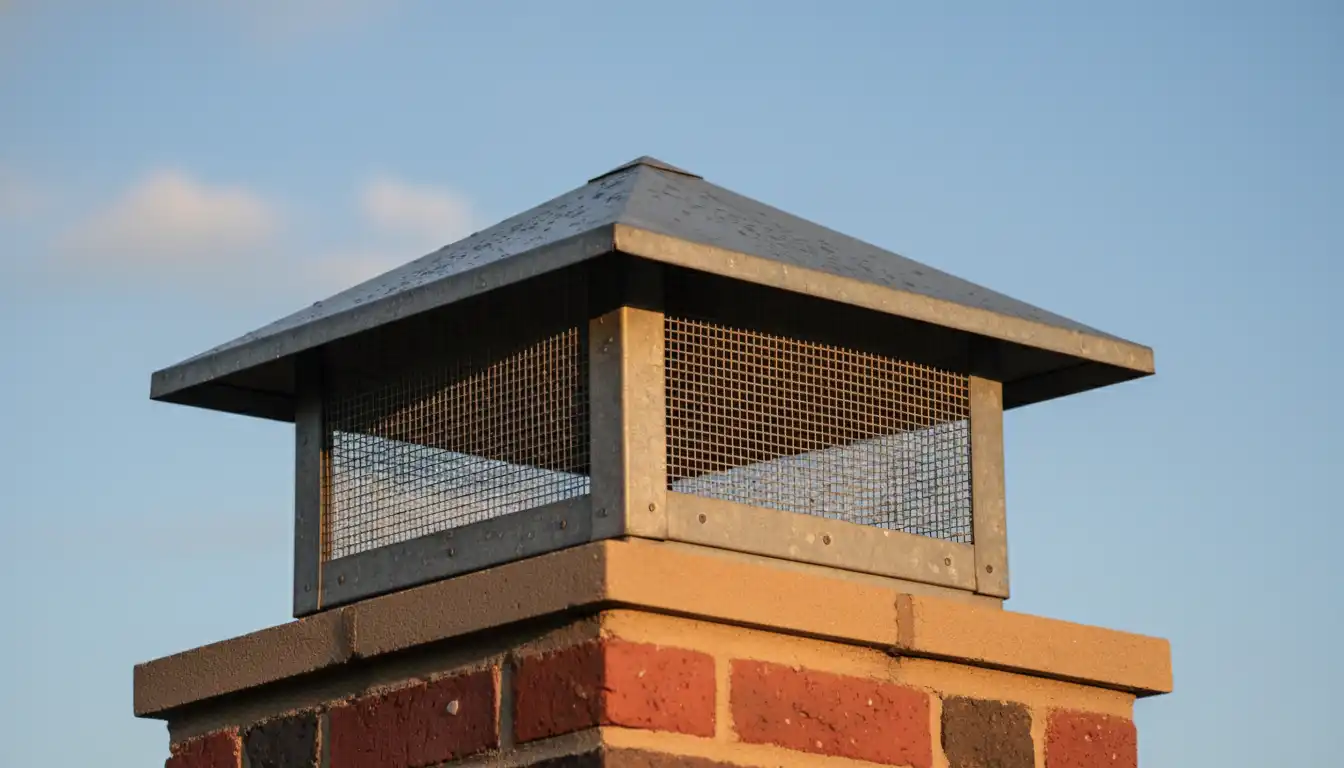
The most obvious sign of a woodpecker’s attention is physical damage to the chimney cap itself. Look for a pattern of small, round dents and dings on the metal surface.
While minor cosmetic damage is not a structural threat, it’s a clear indicator that your chimney has become a target. Persistent drumming can eventually warp or weaken the metal over time.
Compromised Flashing and Siding
Damage to the flashing—the metal strips that seal the connection between the chimney and the roof—is a more serious concern. Holes or deep dents in the flashing can break the watertight seal.
This can lead to roof leaks, water damage in your attic, and costly repairs. Similarly, holes drilled into nearby wood siding create openings for moisture and insects to penetrate your home’s structure.
The Hidden Danger of Insect Infestations
If the pecking is focused on wooden areas, consider it a free pest inspection. The woodpecker’s activity is a strong sign that you may have an underlying insect infestation that needs to be addressed by a professional.
Ignoring this can lead to widespread structural damage far beyond what the bird itself can cause. Proactive home maintenance is always the best approach. Just as you would address a snow blower pull cord being stuck before winter hits, you must address pest issues before they escalate.
Proven Methods to Stop Woodpeckers from Damaging Your Chimney
Once you understand why the woodpecker is there, you can implement a strategy to encourage it to move elsewhere. A multi-faceted approach combining different deterrents is often the most effective.
Visual Deterrents: Frighten Them Away
Woodpeckers are wary birds and can be scared off by objects that are reflective, mimic predators, or move unexpectedly. These are often the easiest and most affordable first steps.
Highly reflective Mylar “Scare Tape” is a popular option. Cut strips of this iridescent ribbon and hang them near the affected area. The flashing colors and movement in the wind create a visual disturbance that makes woodpeckers uncomfortable.
You can also use fake predators, such as plastic owls or hawks. However, woodpeckers are intelligent and will quickly learn that a stationary object is not a threat. For these to be effective, you must move the fake predator to a new spot every few days.
Auditory Deterrents: Create an Unpleasant Environment
Since woodpeckers are attracted to the sound they make on your chimney, you can fight fire with fire by introducing other noises they find unpleasant. This method works by disrupting the peace and quiet they seek.
Hanging wind chimes near the chimney can be surprisingly effective. The irregular, metallic sounds can interfere with the woodpecker’s drumming and make the area less appealing for communication.
Ultrasonic devices that emit high-frequency sounds are another option, though their effectiveness can be mixed. These devices are inaudible to humans but can be irritating to various birds and pests, encouraging them to leave the area.
Physical Barriers: The Most Effective Long-Term Solution
For a persistent woodpecker, a physical barrier is the most surefire way to prevent damage. This approach makes it physically impossible for the bird to access the surface it wants to peck.
Draping lightweight bird netting over the chimney area is an excellent solution. Ensure the netting is installed at least three to four inches away from the surface to prevent the bird from pecking through it. This creates a harmless but impenetrable shield.
For smaller, specific areas like vents or siding, you can also mount hardware cloth (a type of metal mesh). This provides a rigid, long-lasting barrier against even the most determined pecking.
A Deeper Fix: Muting the Sound
A less-common but highly effective technique involves altering the acoustic properties of the chimney cap itself. If the woodpecker is only interested in drumming, you can take away its instrument.
This can be achieved by placing a sound-dampening material, such as a thin layer of foam or rubber, on the underside of the chimney cap. This modification muffles the resonant sound, making it unsatisfying for the woodpecker, which will then seek out a “louder” location for its territorial display.
Comparing Woodpecker Deterrent Strategies
Choosing the right method depends on your budget, the severity of the problem, and how much maintenance you are willing to perform. The table below offers a comparison of common strategies.
| Deterrent Method | Effectiveness | Estimated Cost | Maintenance Level |
|---|---|---|---|
| Mylar Scare Tape | Moderate | Low | Low (may need replacement) |
| Fake Owl/Predator | Low to Moderate | Low | Medium (must be moved often) |
| Wind Chimes | Moderate | Low to Medium | Low |
| Ultrasonic Device | Variable | Medium | Low (check batteries/power) |
| Bird Netting | High | Medium to High | Low (check for tears) |
| Hardware Cloth | High | Medium | Very Low |
What NOT to Do: Common Mistakes to Avoid
In the quest to solve the pecking problem, some homeowners turn to solutions that are either ineffective or, worse, harmful and illegal. Knowing what to avoid is as important as knowing what to do.
Why Harming Woodpeckers is a Bad Idea (and Illegal)
It is critical to remember that woodpeckers are a protected species under the federal Migratory Bird Treaty Act. It is illegal to capture, harm, or kill them without a special permit, which is rarely granted for nuisance issues.
Using harmful methods can result in significant fines. Always focus on humane deterrents that encourage the birds to relocate on their own terms.
The Ineffectiveness of Sticky Repellents
Some commercially available products are sticky gels or sprays designed to make a surface uncomfortable for birds to land on. These should be avoided for several reasons.
They can be messy, stain your home’s exterior, and lose their effectiveness as they become coated with dust and dirt. More importantly, these substances can harm the woodpecker by fouling its feathers, which can impair its ability to fly and stay warm.
When to Call in the Professionals
While DIY methods are often successful, there are times when the problem requires professional intervention. If you have tried multiple deterrents without success, it may be time to call for help.
A wildlife control expert can assess the situation and may be able to install more robust deterrents. Furthermore, if you suspect significant damage to your siding or roof, a qualified roofer or chimney sweep should be contacted to perform a thorough inspection and make necessary repairs. Understanding the complex systems of a home, from rooftop flashing down to a Tecumseh coil under a flywheel in your mower, is key to proper maintenance.
Preventive Maintenance: Keeping Woodpeckers Away for Good
The best way to deal with a woodpecker problem is to make your home an unattractive target in the first place. Regular inspections and maintenance can prevent the birds from ever taking an interest.
At least twice a year, inspect the exterior of your home, paying close attention to the chimney area. Look for any signs of insect activity, such as sawdust-like frass, boreholes, or rotting wood. Addressing a small pest issue early is far easier than dealing with a full-blown infestation and the birds it attracts. Similarly, checking all your home’s components, including outdoor lighting that uses a specific wattage bulb for an outdoor fixture, is part of a sound maintenance routine.
Reclaim Your Peace and Quiet
A woodpecker attacking your chimney is a solvable problem. By identifying the cause—whether it’s drumming, foraging, or nesting—you can implement the right combination of visual, auditory, and physical deterrents.
Start with simple, low-cost solutions and escalate to more robust methods if needed. By taking these humane and effective steps, you can protect your property from damage and finally put an end to that disruptive hammering.
