Window Propped Open? The Hidden Dangers & Genius Fixes
There’s nothing quite like a gentle breeze wafting through your home on a pleasant day. Many homeowners find themselves with a window propped open to invite in that fresh air. But when a window refuses to stay open on its own, that simple desire for ventilation can introduce a surprising number of risks.
What seems like a minor annoyance—a sash that constantly slides shut—often leads to makeshift solutions that can compromise your home’s security, cause permanent damage, and even pose a safety hazard. Before you wedge another book or box under that sash, it’s crucial to understand the underlying problem and the correct, safe ways to manage it.
You'll Learn About
Why Your Window Won’t Stay Up: Unmasking the Culprit
Windows that won’t stay open are rarely a sign of a major structural problem. The issue almost always lies with a failed or worn-out window balance system. This ingenious mechanism is designed to counteract the weight of the sash, allowing it to open smoothly and stay in place.
Older homes often feature sash windows with a rope-and-pulley system connected to counterweights hidden within the window frame. Modern windows typically use spring-based mechanisms, such as spiral or coil balances. When these components break or lose tension, the sash becomes dead weight, causing it to slam shut the moment you let go.
The Unseen Risks of an Improperly Propped Window
That hastily chosen object holding your window open is more than just a temporary fix; it’s a potential liability. The risks associated with an improperly propped window are significant and varied. Understanding these dangers is the first step toward a safer home environment.
A primary concern is home security. A window held open by a removable object can often be easily manipulated from the outside, creating an unlocked entry point for intruders. This simple oversight can nullify the effectiveness of your other home security measures.
Beyond security, there are serious safety hazards. A heavy window sash that suddenly falls can cause severe injury, especially to children and pets who may be near the opening. The very object used as a prop can also fall, creating another potential hazard inside or outside the home.
Damage, Drafts, and Unwanted Guests
The window itself is also at risk. Using objects not designed for the task can put undue pressure on the sill, frame, or glass. This can lead to warped wood, cracked vinyl, or even broken panes, resulting in costly repairs that far exceed the cost of a proper fix.
Furthermore, a poorly sealed opening allows for constant energy loss, driving up your heating and cooling bills. It also provides an open invitation for insects, rain, and outdoor allergens to enter your home. The quest for fresh air shouldn’t come at the cost of your comfort or budget.
Smart & Safe Methods for Keeping a Window Open
When you need a reliable, temporary solution for keeping a window open, it’s essential to choose a method that prioritizes safety and security. Ditching the stack of books for a purpose-built solution is always the best approach. Here are several effective methods.
For double-hung or sliding windows, a custom-cut wooden dowel or a sturdy stick remains a classic for a reason. The key is to place it correctly within the window track, not just propping the sash on top of it. This prevents the window from being forced open further from the outside.
A more secure and versatile option is to invest in commercial window stops. These range from simple rubber wedges to adjustable security bars that lock in place. They are designed specifically for this purpose, ensuring they won’t slip or damage your window frame while providing a much higher level of security.
Innovative and DIY Solutions
Thinking outside the box can also yield great results. A small, inexpensive tension rod, like one used for a cafe curtain, can be fitted snugly inside the window frame to hold the sash securely in place. This method is surprisingly effective and leaves no marks.
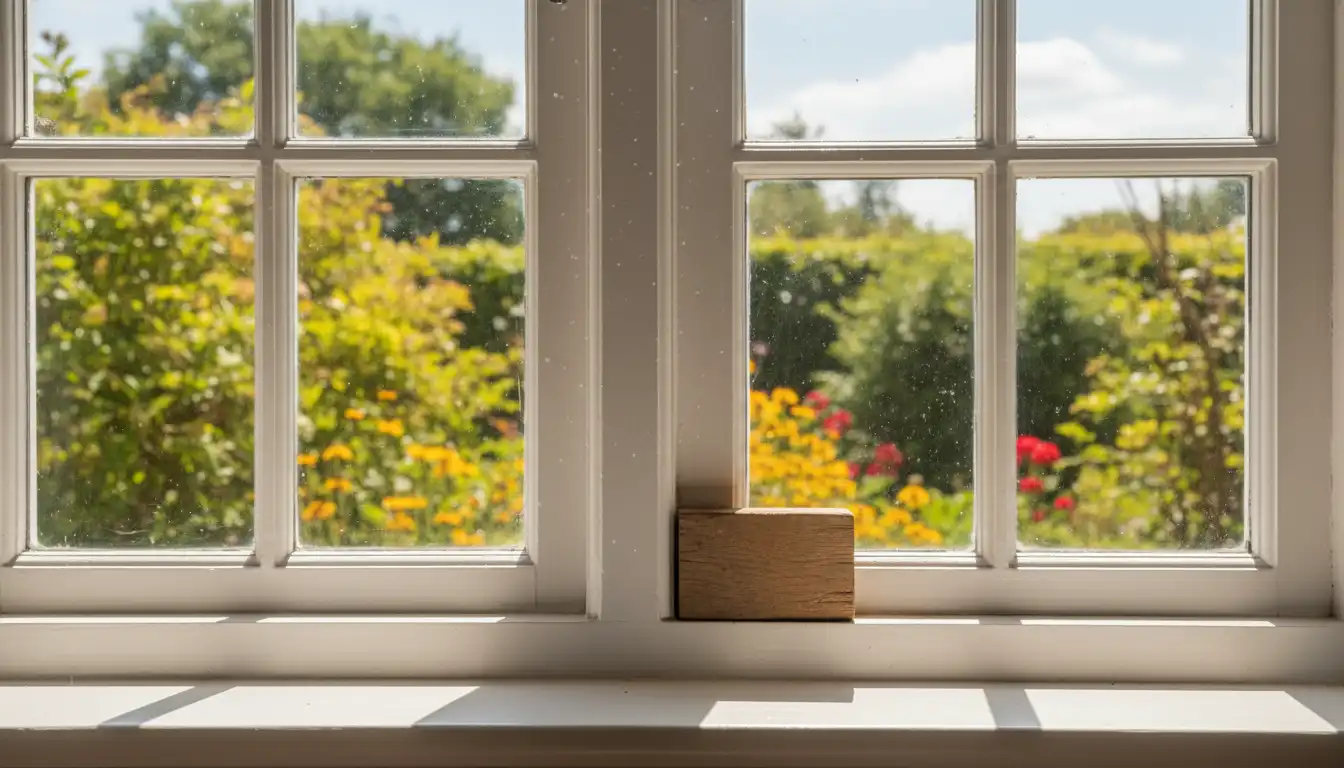
For a simple DIY project, you can create a custom window block from a small piece of wood. By cutting a notch into the block for the sash to rest in, you create a more stable and secure prop than a simple, flat-ended object. This ensures the window is held firmly and cannot be easily dislodged.
Addressing the Root Cause: When to Repair Your Window Balance
While propping a window open can be a good short-term fix, it’s not a permanent solution. The most effective way to solve the problem is to repair the window’s balance system. Addressing the root cause restores the window’s functionality, enhances safety, and improves your home’s value.
Determining whether to tackle this as a DIY project or hire a professional depends on your skill level, the type of window, and your comfort with the task. While repairing a broken sash cord or replacing a spring balance can be a rewarding project, it can also be complex. Consider the tradeoffs carefully before you begin.
| Consideration | DIY Window Balance Repair | Hiring a Professional |
|---|---|---|
| Average Cost | $15 – $50 (for parts) | $150 – $400+ (parts and labor) |
| Required Skill Level | Moderate to High | None |
| Time Commitment | 2-4 hours per window | 1-2 hours per window |
| Tools Needed | Pry bar, putty knife, screwdrivers, pliers | Technician provides all necessary tools |
| Potential Risks | Improper installation, damage to frame, personal injury | Minimal; work is typically guaranteed |
Beyond the Prop: Holistic Home Ventilation Strategies
Propping a single window open is just one piece of a much larger puzzle: effective home ventilation. Creating natural airflow involves a more strategic approach to how you manage your home’s openings. A well-ventilated home is a healthier and more comfortable home.
One of the most effective techniques is creating cross-ventilation. This involves opening windows on opposite sides of your home to allow air to flow through the entire space, quickly replacing stale indoor air with fresh outdoor air. Experiment with different combinations to find the most effective airflow path for your home’s layout.
In some homes, the layout can present unique challenges, much like finding a sliding door over a light switch requires a creative workaround. In these cases, consider using window fans. A fan placed facing in will draw cool air inside, while one facing out will exhaust warm, stale air. Using two in this push-pull configuration can dramatically improve air circulation without needing a strong natural breeze.
The Deeper Impact of an Open Window
The decision to open a window goes far beyond simple mechanics; it touches upon the very ambiance and energy of your living space. The free flow of air connects your indoor environment to the natural world, a concept known as biophilia. This connection has been shown to reduce stress and improve overall well-being.
Consider the soundscape of your home. An open window can replace the hum of appliances with the sound of birdsong or the rustle of leaves. While this can also introduce unwanted noise in urban areas, strategically choosing which windows to open and at what times allows you to curate your home’s auditory environment. This thoughtful approach to design ensures every element, including airflow, contributes to a harmonious living space.
There’s also a powerful, energy-saving strategy called “night-flushing.” On hot summer days, keep windows closed to retain the cool air from your AC. As temperatures drop overnight, open them wide to let the cool night air permeate your home, then close them in the morning to trap that coolness, reducing the load on your cooling system the next day.
Frequently Asked Questions
Is it safe to leave a window propped open at night?
Leaving a ground-floor window propped open overnight is generally not recommended due to security risks. If you must, use a security bar or a window stop that prevents it from being opened further from the outside. For upper-story windows, it is generally safer, but a secure method is still advised to prevent accidents.
Can I prop open a casement or awning window?
Casement and awning windows operate with a crank mechanism that typically holds them open securely at any position. If yours is failing to stay open, the crank operator hardware is likely stripped or broken. Propping these types of windows is difficult and not recommended; it’s best to repair the crank mechanism.
What is the absolute cheapest way to keep a window open?
The cheapest method is to cut a piece of wood or a dowel to the desired length. Ensure you measure it to fit snugly in the window track for safety. While cheap, this method offers less security than commercially available window locks or bars.
A Safer, Fresher Home Awaits
That stubborn window that refuses to stay open is more than a simple nuisance—it’s an opportunity to improve your home’s safety, efficiency, and comfort. By moving past makeshift props and embracing secure, reliable solutions, you take control of your environment. Whether you choose a smart temporary fix or decide to tackle the root cause by repairing the balance system, you are making a positive investment in your home.
The simple act of letting in the fresh air should be a joy, not a risk. With the right knowledge and tools, you can ensure that every time you open a window, it is a safe, secure, and refreshing experience. A well-functioning home is built one smart solution at a time.