Window Casing vs Drywall Return: The #1 Mistake to Avoid
Choosing the right finish for your windows is a decision that significantly impacts your home’s aesthetic, budget, and long-term maintenance. Many homeowners focus on the glass or the frame, but the detail that truly defines the look is how the window meets the wall.
This decision boils down to two primary choices: traditional window casing or a modern drywall return. While both have their place, selecting the wrong one can lead to visual clutter, unexpected costs, and maintenance headaches down the road.
You'll Learn About
What Exactly is the Difference? Casing vs. Return
Understanding the fundamental distinction between these two window finishing styles is the first step. They offer vastly different architectural statements and come with their own set of practical considerations.
One is a classic, decorative element, while the other is a minimalist, integrated feature. Let’s break down what each term means for your home.
The Classic Choice: Window Casing
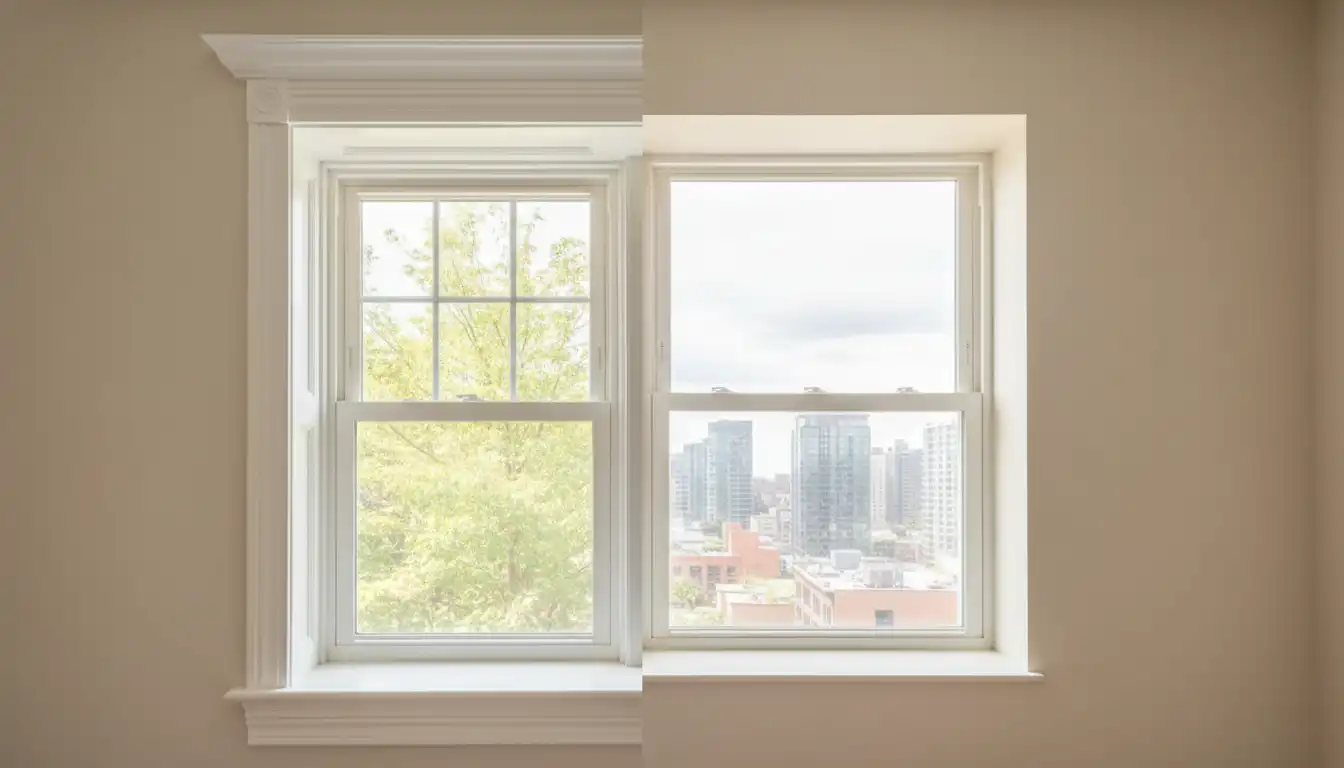
Window casing is the traditional decorative molding or trim that frames a window. It covers the gap between the window frame and the drywall, providing a distinct, finished border. This style is often associated with classic, farmhouse, or craftsman architecture.
Casing comes in a vast array of materials, including wood, MDF, and vinyl, and can be simple and flat or ornate and detailed. It adds a layer of depth and character to a room, turning a simple window into a focal point.
The Minimalist Approach: Drywall Return
A drywall return, also known as a “picture frame” or “reveal,” is a modern and minimalist alternative. Instead of using wood or vinyl trim, the drywall from the surrounding wall is wrapped right up to the window frame, creating a clean, seamless edge.
This technique results in a crisp, trimless look that is highly sought after in contemporary, modern, and minimalist home designs. It makes the window opening itself the feature, rather than the trim around it.
The Hidden Factors: Beyond Just Looks
The decision between casing and a drywall return extends far beyond simple aesthetics. Key factors like cost, durability, and installation complexity play a crucial role and can have a significant impact on your project’s budget and timeline.
Failing to consider these elements can lead to a choice that doesn’t align with your home’s practical needs or your financial realities. We’ll explore the critical differences you need to know.
Installation and Labor Costs
One of the most significant differentiators is the cost of installation. A common misconception is that a drywall return is always cheaper because it uses less material. This is often not the case. Creating a perfect drywall return requires a high level of skill from the drywall installer and finisher.
Achieving perfectly straight, crisp 90-degree angles requires meticulous work with corner beads and joint compound. This labor-intensive process can often make drywall returns more expensive than installing standard pre-milled casing, which is a more straightforward carpentry task.
Durability and Maintenance Over Time
Consider the daily wear and tear your window sills and edges will face. Window casings, especially those made from solid wood or durable composite materials, offer superior protection against bumps, scratches, and moisture.
Drywall returns, on the other hand, are more susceptible to damage. The exposed drywall corners can easily be chipped or dented by moving furniture, kids playing, or even just everyday use. While repairs are possible, they can be frequent and require painting to blend in seamlessly.
This is especially true on the window sill. A drywall sill is highly vulnerable to water damage from condensation or an open window during a rain shower. A solid wood or waterproof composite sill installed with a casing is far more resilient.
Energy Efficiency and Insulation
An often-overlooked aspect of this decision is its impact on energy efficiency. The gap between the window frame and the wall’s rough opening is a potential source of air leaks. Properly installed window casing provides an excellent opportunity to seal and insulate this gap thoroughly.
While a drywall return can also be insulated, the process is different. With casing, spray foam insulation can be applied liberally in the gap, and the trim will cover it. With a return, the insulation must be more carefully placed to not interfere with the drywall finish, which can sometimes result in less effective sealing if not done by a meticulous professional.
Aesthetic Harmony: Matching the Finish to Your Home’s Style
The visual impact of your choice cannot be overstated. The window finish should complement your home’s overall architectural style and interior design vision, not clash with it. Making the right choice enhances architectural integrity.
A mismatched window style can disrupt the flow of a room and look like a design afterthought. Let’s examine which style is best suited for different types of homes.
When to Choose Window Casing
Window casing is the go-to choice for traditional home styles. Think Craftsman, Colonial, Farmhouse, and Victorian designs. In these homes, the trim is an essential architectural element that adds to the home’s character and historical accuracy.
Casing also offers a chance to add a pop of color or a contrasting design element. You can paint the casing a different color from the walls to make the windows stand out. Furthermore, if you have grand, high ceilings, like in homes with 9-foot ceilings, substantial casing can help balance the vertical space and prevent the windows from looking lost on a large wall.
When a Drywall Return is the Right Fit
A drywall return is the epitome of modern and minimalist design. If your home features clean lines, open spaces, and an uncluttered aesthetic, a drywall return will seamlessly integrate with that vision. It allows the focus to remain on the view outside and the architectural form of the window itself.
This style is perfect for contemporary homes, art galleries, and spaces where you want the windows to feel like openings carved directly out of the wall. It creates a sleek, unobtrusive look that enhances a sense of spaciousness.
Decision Matrix: Casing vs. Return at a Glance
To simplify your choice, we’ve broken down the key attributes of each style into a clear, comparative table. Use this as a quick reference guide to weigh the pros and cons based on what matters most to you.
| Feature | Window Casing | Drywall Return |
|---|---|---|
| Primary Aesthetic | Traditional, Decorative, Classic | Modern, Minimalist, Seamless |
| Durability | High (especially wood/composite) | Lower (prone to corner chips/dents) |
| Moisture Resistance | Good to Excellent (with proper material) | Poor (drywall is vulnerable to water) |
| Installation Cost | Moderate (can be DIY-friendly) | Moderate to High (requires skilled labor) |
| Maintenance | Requires periodic painting/caulking | May require frequent corner repairs/touch-ups |
| Best For | Craftsman, Farmhouse, Traditional homes | Contemporary, Modern, Minimalist homes |
The Hybrid Approach: Getting the Best of Both Worlds
You don’t always have to choose one or the other. A popular and highly practical solution is a hybrid approach. This involves using a drywall return on the top and sides of the window while incorporating a durable sill at the bottom.
This method gives you the clean, modern look of a drywall return but adds a functional, durable ledge. The sill, often made of wood, stone, or a solid surface material, provides crucial protection against water damage and daily wear. It’s a smart compromise that blends aesthetics with long-term practicality.
Material Matters: The Unsung Hero of the Window Sill
If you opt for a traditional casing or a hybrid approach, the material you choose for the sill is critical. While painted drywall on a sill is a recipe for future problems, a solid wood sill provides warmth and classic beauty. For areas with high moisture, like a kitchen or bathroom, consider stone or a waterproof composite material.
For instance, a sleek quartz sill can perfectly complement a black and chrome bathroom design while offering unbeatable water resistance. Never underestimate the importance of the sill material.
Common Problems and How to Avoid Them
Both window finishing methods come with their own potential pitfalls. Being aware of these common issues can help you ensure a high-quality, lasting installation, regardless of the style you choose.
From cracks and drafts to pest infestations, a little foresight goes a long way. Let’s cover the key problems and their solutions.
Avoiding Cracks and Drafts
With drywall returns, hairline cracks can often appear where the drywall meets the window frame due to the natural expansion and contraction of building materials. Using a tear-away L-bead during installation is a professional technique to prevent this. This bead creates a clean edge and a flexible caulk joint that can accommodate movement without cracking.
For window casings, drafts are often the result of an inadequately sealed gap behind the trim. Ensure your contractor uses low-expansion spray foam or packs the gap with fiberglass insulation before installing the casing. A continuous bead of high-quality caulk where the casing meets the wall and window is the final, crucial step.
Pest Prevention is Key
The very same gaps that cause drafts can also become entry points for pests. Poorly sealed window casings can provide an ideal, sheltered space for insects to build nests. This is a common issue, and it’s not unusual to find wasps in your window casings if they are not properly sealed.
Regardless of your chosen style, ensure that all gaps and joints are meticulously sealed with a quality, paintable caulk. This not only improves energy efficiency but also creates a barrier against unwanted pests, protecting the integrity of your home.
The Final Verdict: Making the Right Choice for Your Home
Ultimately, the decision between a window casing and a drywall return is a personal one that depends on your home’s style, your budget, and your tolerance for maintenance. There is no single “right” answer, only the answer that is right for you.
Carefully evaluate your priorities. If you value a timeless, classic look and superior durability, window casing is likely the better choice. If you are committed to a sleek, modern aesthetic and are prepared for the potential of minor repairs, a drywall return will deliver the clean lines you desire. By considering all the factors, you can make an informed decision that you’ll be happy with for years to come.