
Will Triazicide Kill Grass Seed? Don’t Plant Until You Read This!
The quest for a perfect lawn often feels like a balancing act. You want thick, green, and vibrant grass, but you’re also fighting a constant battle against the unseen pests that want to destroy it from below. This leads to a common and critical question for any homeowner investing time and money into their yard.
You have the grass seed in one hand and a powerful insecticide like Triazicide in the other. The pressing concern is simple: will applying Triazicide kill your new grass seed and waste all your hard work? This guide provides the definitive answer and a complete strategy for a pest-free, lush new lawn.
You'll Learn About
Understanding Triazicide: What It Is and How It Works
Before addressing its effect on grass seed, it’s essential to understand what Triazicide is. Triazicide is a brand name for a line of broad-spectrum insecticides, meaning they are formulated to kill a wide variety of common lawn and garden insects. Its primary function is to eliminate pests, not plants.
The active ingredients are typically pyrethroids, such as Gamma-Cyhalothrin or Lambda-Cyhalothrin. These are synthetic chemicals that mimic the natural insect-killing properties of chrysanthemum flowers. They work by attacking the nervous systems of insects, leading to paralysis and death. Triazicide is highly effective against surface and sub-surface pests like ants, ticks, grubs, chinch bugs, and sod webworms.
The most crucial takeaway is this: Triazicide is an insecticide, not a herbicide. Herbicides are designed to kill plants and weeds. Insecticides are designed to kill insects. This fundamental difference is the key to understanding its interaction with your grass seed.
The Core Question: Does Triazicide Harm Grass Seed?
The direct answer is no, the chemical formulation of Triazicide will not kill grass seed. Its active ingredients are not known to inhibit seed germination or harm the growth of turfgrass. When used according to the manufacturer’s directions, the product is designed to be safe for established lawns and, by extension, the seeds themselves.
However, this direct answer comes with a significant and often overlooked caveat. While the chemical itself is not the enemy of your seed, the timing and method of application can absolutely ruin your seeding project. The real danger isn’t chemical death, but creating an environment where your new seeds cannot survive and thrive. This “indirect harm” is what trips up most well-intentioned homeowners.
The Real Dangers: How Improper Application Can Harm Your New Lawn
Simply knowing that Triazicide won’t chemically kill your seed isn’t enough. You must understand the potential for physical and environmental damage that comes with poor timing. Success hinges on avoiding these common pitfalls.
The Critical Factor of Timing: Before vs. After Seeding
When you apply the insecticide is the single most important decision you will make. Applying it before seeding is a world apart from applying it after. Applying Triazicide before you sow the seed is the safest and most effective strategy. By treating the soil about one to two weeks in advance, you eliminate grubs and other pests that feast on tender new roots. This gives the chemical time to work and settle, creating a protected environment for the seeds to germinate.
Applying Triazicide after you’ve already spread your grass seed introduces significant risks. Freshly sown seed needs undisturbed contact with the soil to germinate properly. Walking across your lawn with a spreader or sprayer can disrupt this delicate placement. Furthermore, most Triazicide formulations require being “watered in” to activate. The force from a sprinkler or hose can easily wash away your expensive seeds, causing them to clump together in some areas and leaving other spots completely bare, resulting in a patchy, uneven lawn.
Even if the seeds stay in place, young grass seedlings are incredibly fragile. During their first few weeks, they are highly susceptible to any form of stress. Applying a chemical, even a non-herbicidal one, can add unnecessary stress to these delicate plants during their most vulnerable stage of life.
Granular vs. Liquid: Does the Formulation Matter?
Both granular and liquid forms of Triazicide have their own application-related risks for new seeds. Granular products, applied with a broadcast spreader, require you to walk over the seeded area. The subsequent watering-in process can easily dislodge the tiny seeds. It’s also difficult to ensure perfectly even coverage, which can be problematic.
Liquid, hose-end sprayer versions present a different challenge. The spray’s force can be strong enough to blast seeds out of place. Over-application is also a common mistake, leading to puddling that can drown seeds or create a chemical concentration in low spots of the lawn, which can be stressful for new seedlings.
Environmental Stressors and Chemical Interactions
Never apply insecticides to a lawn that is already under stress, especially a newly seeded one. Applying Triazicide during periods of high heat or drought can compound the environmental stress on your new seedlings, potentially stunting their growth or killing them. The goal is to make life as easy as possible for your new grass, not to add more challenges for it to overcome.
While most homeowners focus on one product at a time, it’s also wise to consider the bigger picture of your lawn care. Performing seasonal maintenance checks on your home and garden can prevent larger issues down the line. For instance, ensuring your outdoor faucets and hoses are in good working order is just as important as checking for things indoors, like potential gas valve problems on your water heater, as part of a holistic approach to home upkeep.
The Ultimate Guide: A Safe and Effective Application Timeline
To avoid all the potential pitfalls, follow a strategic timeline. This step-by-step approach ensures you get rid of the pests without jeopardizing your new lawn. Proper preparation and patience are your best tools.
Step 1: Pre-Seeding Pest Annihilation
The gold standard for using Triazicide with a new lawn project is to handle the pest problem first. Apply Triazicide one to two weeks before you plan to lay down any seed. This allows you to walk freely on the lawn and water the product in thoroughly without disturbing any seeds. The insecticide will have time to eliminate sub-surface pests like grubs, creating a safe underground environment for the new roots to develop.
Step 2: Preparing the Perfect Seedbed
After you’ve handled the pests, focus on creating the ideal home for your seeds. This involves raking the area to loosen the top layer of soil and ensuring good seed-to-soil contact. For larger projects or areas with poor soil quality, you might consider bringing in fresh topsoil. Finding a good supplier is key, and it’s always worth looking for the cheapest place to buy soil that still offers high-quality material to give your seeds the best start.
Step 3: Seeding and Early Germination
Once your seed is down, your only job is to provide consistent moisture. This is a chemical-free zone. Do not apply any insecticides, herbicides, or even most fertilizers during the first few weeks. Let the seeds germinate and the seedlings begin to grow without any interference. Your focus should be entirely on gentle, consistent watering.
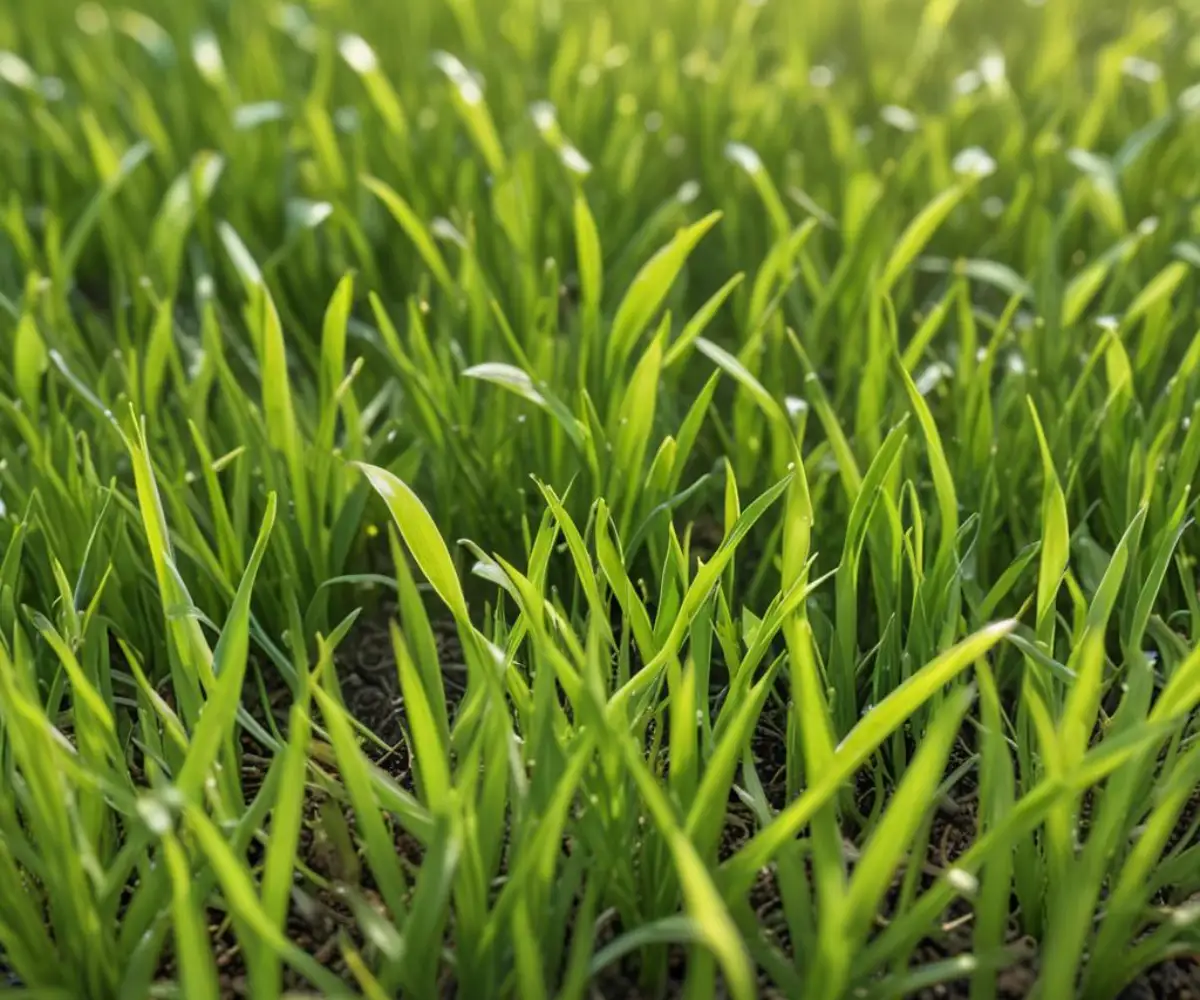
Step 4: Post-Germination Pest Control
What if a new pest problem arises after your grass has already sprouted? The safest waiting period is until you have mowed the new grass at least two to three times. Mowing is a sign that the grass blades are actively growing and, more importantly, that the root system is becoming established. Once the lawn is strong enough to withstand mowing, it is generally resilient enough to handle a properly applied insecticide treatment. When you do apply it, do so after mowing and water it in gently to avoid stressing the young turf.
| Timeline Phase | Action with Triazicide | Reasoning |
|---|---|---|
| 2 Weeks Before Seeding | Apply Triazicide as directed. | Kills grubs and soil pests without risk to seeds. Allows product to settle. |
| Day of Seeding | DO NOT APPLY | High risk of washing away or disturbing seeds. |
| Germination to 3rd Mowing | DO NOT APPLY | New grass seedlings are too fragile and susceptible to stress. |
| After the 3rd Mowing | Safe to apply if needed. | The lawn is established enough to tolerate the application process. |
Alternatives and Integrated Pest Management (IPM)
For those who remain cautious about using chemicals on a new lawn, there are excellent alternatives. Integrated Pest Management (IPM) is a strategy that focuses on long-term prevention. A healthy, dense lawn is its own best defense. Proper mowing height, deep and infrequent watering, and correct fertilization create turf that can naturally choke out weeds and resist pests.
Beneficial nematodes are microscopic organisms that can be introduced to the soil to hunt and kill grub larvae without harming your lawn. Similarly, milky spore is a naturally occurring disease that specifically targets Japanese beetle grubs. These biological controls are excellent, non-chemical options for managing pests before you seed.
Frequently Asked Questions About Triazicide and Grass Seed
Many homeowners have the same follow-up questions. Here are clear answers to the most common concerns, helping you proceed with confidence and avoid simple mistakes.
How long after applying Triazicide can I plant grass seed?
The ideal waiting period is 7 to 14 days. This gives the insecticide enough time to work its way into the soil and eliminate the target pests, ensuring the ground is safe and ready for your new seed.
Can I mix Triazicide with grass seed in my spreader?
You should absolutely not do this. It’s a recipe for failure. Grass seed and granular insecticide have different weights, sizes, and application rates. Mixing them will result in incredibly uneven distribution of both, leading to patchy grass growth and poor pest control.
What if I already applied Triazicide on my new grass seed?
Don’t panic. The chemical itself is unlikely to have killed the seed. The main damage would have come from the physical application process. Your best course of action is to avoid any further foot traffic on the area and ensure your watering is very gentle to prevent further seed displacement. Monitor the area for germination and be prepared to overseed any bare patches that appear.
Overall home safety is a mindset that applies to the garden as well as indoors. Just as you wouldn’t ignore a chirping smoke detector, you shouldn’t ignore lawn care best practices. If you’re ever dealing with a fussy device, knowing how to close a smoke detector battery door correctly is a small but important part of keeping things running smoothly.
Will Triazicide kill weeds?
No. It is important to remember that Triazicide is an insecticide, not a herbicide. It has no properties that will harm common lawn weeds like dandelion or crabgrass. You will need a separate, dedicated herbicide product to control weeds, and you must follow similar timing rules, avoiding application on newly germinated grass.
Conclusion: A Pest-Free Lawn Without Sacrificing Your Seed
Ultimately, Triazicide and new grass seed can coexist successfully, but not at the same time. The chemical itself is not the threat; poor timing is the true enemy of a new lawn. By embracing a strategy of proactive pest control, you can create a welcoming environment for your seeds to flourish.
Remember the golden rule: deal with insects before you seed, or wait until your new grass is well-established (mowed at least three times). By following this simple principle, you can effectively use Triazicide to protect your investment without fear of harming it, paving the way for the lush, beautiful lawn you envision.
