
Will Bubble Gum Kill Chipmunks? The Garden Myth Debunked
You meticulously planted your bulbs, nurtured your seedlings, and dreamed of a vibrant garden. Then, the chipmunks arrived. These small, striped rodents, while charming from a distance, can become a homeowner’s recurring nuisance, digging up plants and burrowing near your foundation.
In the quest for a quick fix, you may have stumbled upon a persistent garden myth: using bubble gum to kill chipmunks. The theory suggests that chipmunks will eat the gum, be unable to digest it, and perish. But is this popular “remedy” based in fact, or is it just a story passed between frustrated gardeners?
This article will explore the truth behind the bubble gum myth. We’ll examine why this method is ineffective and provide you with proven, humane, and professional strategies to manage chipmunks, protecting both your garden and your peace of mind.
You'll Learn About
The Bubble Gum Myth: Fact or Fiction?
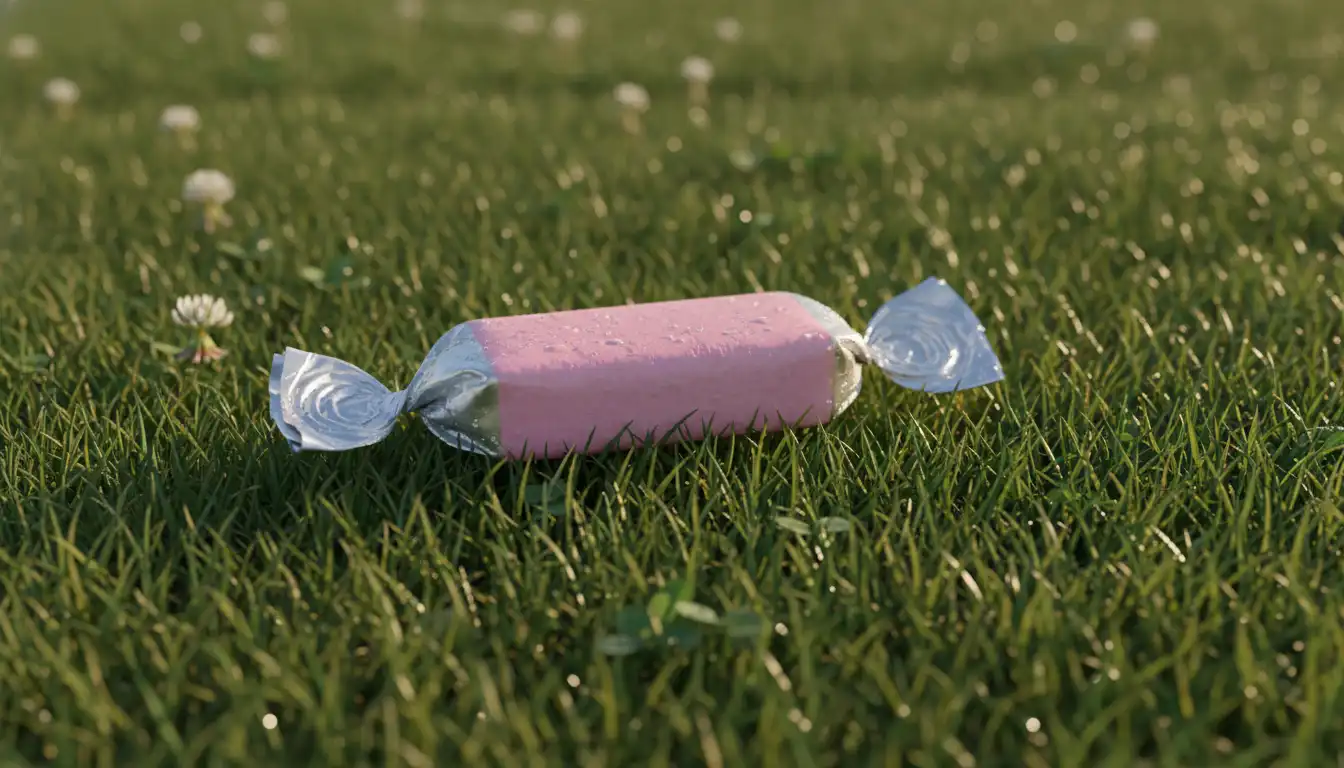
Let’s address the central question directly: will bubble gum kill chipmunks? The overwhelming consensus among wildlife experts and pest control professionals is a firm no. There is no scientific evidence to support the claim that bubble gum is a lethal or effective method for controlling chipmunk populations.
The core of the myth relies on the idea that a chipmunk’s digestive system cannot process the gum, leading to a fatal blockage. However, this underestimates the resilience of these small mammals. Even if a chipmunk were to ingest gum, it is more likely to pass through its system without causing significant harm.
Furthermore, chipmunks are not naturally attracted to the synthetic sugars and smells of bubble gum. Their diet consists of seeds, nuts, berries, insects, and bulbs. Placing sticks of gum near their burrows is unlikely to entice them, making the method unreliable from the start.
Why Ineffective “Remedies” Persist
Garden folklore is often born out of desperation. When faced with a persistent pest, homeowners seek simple, inexpensive solutions. The bubble gum myth fits this description perfectly, offering a seemingly easy way to handle a complex problem.
However, relying on such methods is counterproductive. It wastes time and effort that could be spent on effective strategies. More importantly, it distracts from the root causes of the chipmunk problem in your yard and can lead to a cycle of frustration.
Why Chipmunks Are a Nuisance in Your Garden
To effectively control chipmunks, you must first understand the specific damage they cause. While they are small, a thriving population can create significant issues for your home and garden. Recognizing the extent of the problem will underscore the need for a real, sustainable solution.
Chipmunks are driven by a powerful instinct to forage and store food. Their entire existence revolves around gathering nuts, seeds, and other edible materials, which often puts them in direct conflict with a gardener’s goals. Their burrowing activities are equally instinctual and can be just as destructive.
Damage to Plants and Bulbs
One of the most common complaints from gardeners is the loss of plants to chipmunks. They are notorious for digging up and consuming newly planted flower bulbs, particularly tulips and crocuses. They also feast on seeds, seedlings, berries, and ripening vegetables like tomatoes.
This can be incredibly disheartening for a gardener who has invested time and money into their landscape. The damage is often discovered after the fact, with uprooted plants and missing bulbs being the primary evidence of their nighttime raids.
Structural Damage from Burrowing
Perhaps a more serious concern is the structural damage caused by chipmunk burrows. Their tunnel systems can be extensive, often reaching lengths of 20 to 30 feet. When these burrows are excavated near or under man-made structures, they can compromise their stability.
Chipmunks prefer to dig their burrow entrances near protective cover, such as rock piles, woodpiles, or, concerningly, your home’s foundation. Over time, these tunnels can weaken the soil supporting patios, walkways, retaining walls, and stairs, potentially leading to cracks and shifting.
Effective & Humane Chipmunk Control Strategies
Since the bubble gum method is ineffective, it’s time to focus on what actually works. A successful chipmunk management plan is not about a single quick fix but involves a multi-layered approach. The goal is to make your property less attractive to them, creating an environment where they choose to live elsewhere.
This integrated pest management strategy combines habitat modification, the use of repellents, and exclusion techniques. These methods are not only more effective but also more humane, addressing the problem without causing unnecessary harm to wildlife.
Method 1: Habitat Modification & Exclusion
The most powerful and long-lasting way to control chipmunks is to alter your landscape to be less inviting. This involves removing the food, water, and shelter that they depend on to thrive. It requires some effort upfront but pays dividends in preventing future infestations.
Start by tidying up potential shelters. Remove rock piles, woodpiles, and dense ground cover from areas immediately surrounding your home’s foundation. These features provide the perfect cover for chipmunks to dig their burrows undetected. A clean perimeter is your first line of defense.
Bird feeders are another major attractant. Chipmunks are drawn to the fallen seeds. To mitigate this, place feeders at least 15-20 feet away from your house and use trays to catch spilled seeds. For dedicated protection, consider investing in squirrel- and chipmunk-proof feeders.
Exclusion is the final step in habitat modification. Protect your prized flower bulbs by planting them in wire bulb cages or by laying hardware cloth over the planting area. For structural protection, use 1/4-inch hardware cloth to seal any gaps under patios, decks, or along the foundation where they might try to burrow.
Method 2: Natural Repellents
Repellents work by targeting a chipmunk’s sensitive sense of smell and taste, creating an unpleasant environment that encourages them to leave. While not a standalone solution, they are an excellent addition to habitat modification. Consistency is key, as repellents need to be reapplied, especially after rain.
Many effective repellents can be found in your own kitchen. Sprinkling cayenne pepper, coffee grounds, or garlic powder around vulnerable plants can deter chipmunks. Coffee grounds offer the added benefit of enriching the soil for acid-loving plants like azaleas and hydrangeas.
Essential oils can also be effective. A spray solution made with water and a few drops of peppermint oil, eucalyptus oil, or citrus oil can be applied around garden beds. The strong scents are offensive to chipmunks and can help protect your plants from being nibbled on.
For a broader application, commercial granular repellents containing ingredients like predator urine are available. These products send a powerful signal to chipmunks that a predator is nearby, triggering their instinct to flee the area.
Method 3: Trapping and Relocation (The Last Resort)
In cases of a severe and persistent infestation, trapping may be considered. However, this should always be a last resort. Before you proceed, it is crucial to check your local wildlife regulations, as trapping and relocating animals may be restricted or illegal in your area.
If it is permissible, use only live-catch traps. These traps are designed to capture the animal without harming it. The most effective baits are those that are part of a chipmunk’s natural diet, such as peanut butter, sunflower seeds, or nuts.
Place the trap on a level surface along a known chipmunk pathway. Once an animal is caught, it’s vital to handle the situation humanely. Release the chipmunk at least 5-10 miles away in a suitable, wooded habitat to prevent it from returning to your property.
What NOT to Do: Ineffective and Inhumane Methods
In the world of pest control, there is a great deal of misinformation. Beyond the bubble gum myth, there are other methods that are either ineffective, inhumane, or outright dangerous. Avoiding these will save you time and prevent unintended harm to pets, children, and other wildlife.
Poisons are a particularly bad idea. Not only do they cause a slow and painful death for the target animal, but they also pose a significant risk of secondary poisoning. A predator, such as a hawk, owl, or even a neighborhood cat, could consume the poisoned chipmunk and become sick or die as a result.
Flooding burrows with a garden hose is another commonly suggested but ineffective tactic. Chipmunk burrows are complex, with multiple chambers and escape tunnels. Flooding is unlikely to remove the animal and can cause water to pool against your home’s foundation, leading to moisture problems.
| Method | Effectiveness | Effort Level | Humane? | Cost |
|---|---|---|---|---|
| Habitat Modification | High | Medium | Yes | Low to Medium |
| Natural Repellents | Medium | Medium (requires reapplication) | Yes | Low |
| Live Trapping | High (for individuals) | High | Yes (if done correctly) | Medium |
| Poisons | Not Recommended | Low | No | Low |
| Bubble Gum | None | Low | N/A | Low |
Creating a Chipmunk-Resistant Garden for the Long Term
Moving beyond reactive solutions, a proactive approach to garden design can make your property inherently less appealing to chipmunks. Thoughtful planning can save you significant frustration in the future. This involves smart plant selection and strategic landscape design.
When renovating your outdoor space or choosing new flooring, durability is always a consideration. The same principle applies to your garden’s defense against pests. Just as you might compare Pergo vs. Lifeproof vinyl for interior flooring, selecting the right plants and structural barriers outside can prevent future problems.
Choosing Chipmunk-Resistant Plants
While no plant is completely immune, some are far less palatable to chipmunks than others. Incorporating these species into your garden can significantly reduce damage. Chipmunks tend to avoid plants with strong smells, fuzzy leaves, or prickly textures.
Good choices for bulbs include daffodils, alliums (ornamental onions), and grape hyacinth. For perennials and annuals, consider planting lavender, sage, marigolds, and geraniums. These plants not only add beauty to your garden but also serve as a natural deterrent.
If you’re planning a new kitchen or outdoor area, remember that preventative design choices can save you headaches later. The right materials, like choosing durable Montauk quartz with white cabinets, ensure longevity. Similarly, a well-planned garden with chipmunk-resistant plants is a long-term investment in a peaceful landscape.
The Role of Natural Predators
A healthy ecosystem includes a natural system of checks and balances. Encouraging natural predators can be a highly effective, hands-off way to manage rodent populations. Hawks, owls, and snakes are all natural predators of chipmunks.
You can make your yard more inviting to birds of prey by installing a high roosting pole or leaving a dead tree standing (if it’s safe to do so). Avoiding the use of poisons and pesticides also helps protect these beneficial predators, allowing them to perform their natural pest control duties.
Maintaining your property involves being attuned to potential issues. You wouldn’t ignore a problem with your home appliances. If you’re wondering, “why does my snowblower smell like gas,” you’d investigate the cause. Apply the same proactive mindset to your garden’s ecosystem.
Frequently Asked Questions (FAQ)
What do chipmunks hate the smell of?
Chipmunks have a strong aversion to potent scents. They dislike the smell of garlic, cayenne pepper, peppermint, eucalyptus, and citrus. Using these scents as natural repellents can be an effective way to keep them out of specific areas.
Do coffee grounds keep chipmunks away?
Yes, coffee grounds can be an effective repellent. The strong odor is unpleasant to chipmunks. Sprinkling used coffee grounds around the base of plants can deter them from digging and also provides a nitrogen boost to the soil.
How deep are chipmunk burrows?
Chipmunk burrows can be surprisingly extensive. The main tunnels are typically two to three feet deep to stay below the frost line. The entire system, however, can stretch horizontally for up to 30 feet, with multiple chambers for nesting and food storage.
Will chipmunks leave on their own?
It is unlikely that chipmunks will leave on their own if your property provides adequate food, water, and shelter. To encourage them to move on, you must actively make the area less hospitable by removing these resources and using deterrents.
