
Why Is My Artificial Tree Shedding? Your Ultimate Fix-It Guide
There’s a certain magic to pulling out the artificial Christmas tree each year. It signals the start of the festive season, free from the daily chore of sweeping up pine needles. But what happens when your “no-mess” solution starts making a very real mess of its own?
If you’re finding tiny plastic needles or bits of artificial snow scattered across your floor, you’re not alone. It’s a common frustration that can dull the holiday sparkle. This guide will walk you through exactly why your artificial tree is shedding and provide actionable steps to stop it.
You'll Learn About
The Core Reasons Your Fake Tree is Making a Real Mess
Understanding the root cause of the shedding is the first step toward fixing it. Most issues boil down to age, material quality, the type of tree, or how it’s been handled over the years. By identifying the specific reason, you can apply the right solution.
Age and Material Degradation: The Inevitable Breakdown
Like most things, artificial trees have a lifespan. The most common material, polyvinyl chloride (PVC), becomes brittle over time. Years of exposure to air and fluctuations in temperature cause the plastic to break down, making the needles stiff and prone to snapping off.
This process is accelerated by environmental factors within your own home. Storing the tree in a hot attic or a spot that gets direct sunlight can drastically shorten its life, causing the materials to degrade faster than they otherwise would.
The Messy Truth About Flocked and Glittered Trees
Flocked trees, with their beautiful snow-covered appearance, are notorious for shedding. The “snow” is an added layer of material, often cellulose fibers, attached with an adhesive. This adhesive bond is inherently fragile and weakens over time.
Every time you set up, decorate, or take down a flocked tree, you create friction that dislodges these particles. Changes in humidity between storage and display can further weaken the adhesive, leading to a constant shower of white flakes.
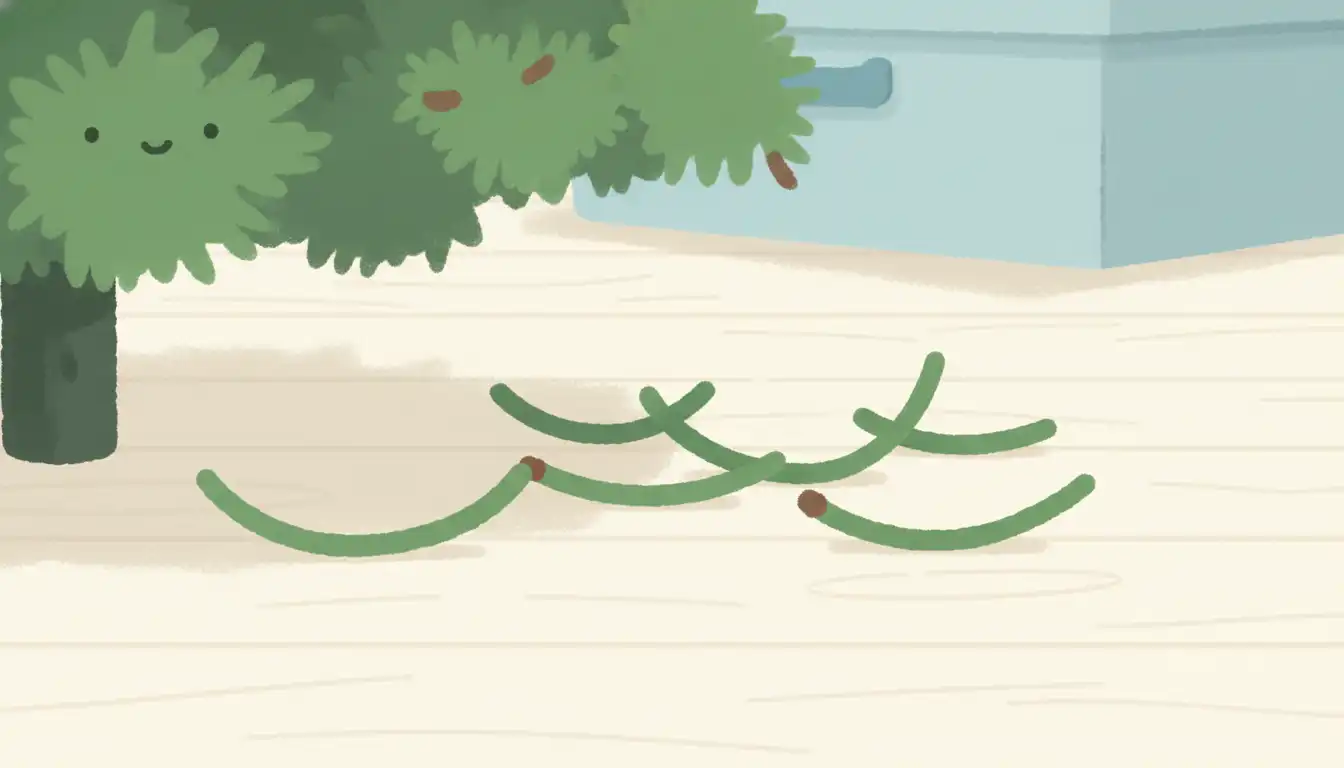
Manufacturing Quality: Not All Trees Are Created Equal
The initial quality of your tree plays a significant role in how much it sheds. Cheaper trees often use thinner PVC sheets and less secure methods for attaching needles to the wire branches. This makes them far more likely to lose needles from the very first year.
Higher-quality trees, particularly those with polyethylene (PE) molded tips, tend to be more durable. The construction of the branches, whether hinged or requiring individual hook-in, also affects longevity and the potential for friction-induced shedding.
Rough Handling and Improper Storage: The Silent Tree Killers
How you treat your tree for the 11 months it’s not on display is critical. Forcing it back into its original, too-small cardboard box is one of the worst things you can do. This act of compression bends branches unnaturally and scrapes needles, guaranteeing shedding next season.
Storing the tree in a location with extreme temperature swings, like a garage or uninsulated attic, is another major cause of damage. Heat and cold cycles make the plastic brittle. Managing attic temperatures, perhaps with an upstairs exhaust fan, can protect stored items from this kind of accelerated aging.
Your Step-by-Step Guide to Stopping the Shed
Now that you’ve identified the likely cause, it’s time for solutions. From proactive setup routines to long-term storage strategies, these steps can help you manage and minimize the mess, extending the life of your festive centerpiece.
The Pre-Setup “Shake Out”: A Critical First Step
Before bringing your tree inside, take it to the garage, patio, or lay down a large tarp in your living room. Assemble each section and give it a gentle but firm shake. This will dislodge any needles that came loose during storage.
Doing this proactive “shake out” is the single most effective way to reduce the mess inside your home. It ensures that the majority of loose needles fall off in a controlled, easy-to-clean area, rather than scattering across your carpet throughout the season.
Reinforcing and Sealing: Can You Salvage an Old Tree?
For older trees that have become brittle, you can try using a clear sealant spray. A light coat of a flexible product like Mod Podge clear acrylic sealer can help reinforce the needles and reduce breakage. Always do this in a well-ventilated area before decorating.
For flocked trees shedding their snow, a specialized flock sealant is your best bet. In a pinch, a light misting of unscented hairspray can provide a temporary fix, helping the flocking adhere to the branches through the holiday season.
The Gentle Touch: Decorating to Minimize Needle Drop
The way you decorate can impact shedding. Avoid aggressive bending or twisting of older, more delicate branches. When hanging ornaments, use simple hooks that don’t require you to force them onto the branches, which can scrape off needles or flocking.
Consider placing heavier ornaments on the stronger, thicker branches closer to the tree’s trunk. Use lighter, less cumbersome decorations on the more fragile tips to minimize stress and potential breakage.
The Secret to Longevity: Proper Storage Techniques
Excellent storage is not just about convenience; it’s the key to preventing future shedding. Protecting your tree from damage during the off-season will pay dividends in cleanliness and longevity for years to come.
Ditch the Box: Why an Artificial Tree Bag is a Must-Have
The original cardboard box is your tree’s worst enemy. Invest in a proper artificial tree storage bag. These bags are designed to hold the tree without excessive compression, protecting the delicate branches and needles from being crushed and damaged.
Whether you choose an upright bag that allows you to store the tree fully assembled or a duffel-style bag for disassembled sections, either is a massive upgrade. They also protect the tree from dust, moisture, and pests.
The Ideal Storage Environment: Cool, Dark, and Dry
Where you store your tree matters immensely. The best location is a climate-controlled space like a closet or a dry basement. These areas protect the tree from the extreme temperature fluctuations found in attics and garages that cause plastic to become brittle.
Heat and UV light are primary causes of PVC degradation. By keeping your tree in a cool, dark place, you are actively preserving the material and extending its usable lifespan, ensuring it remains full and vibrant for more holiday seasons.
A Pre-Storage Clean-Up Routine
Before packing your tree away, give it a quick cleaning. Use a soft brush attachment on your vacuum or a microfiber duster to remove any dust that has accumulated. This prevents dirt and grime from setting into the material over the next year.
Taking a few moments to dust the tree ensures it will be fresh and ready for display next season. It also prevents you from trapping abrasive dust particles against the needles in the storage bag, which could contribute to minor shedding.
When to Repair vs. When to Replace Your Tree
Even with the best care, an artificial tree won’t last forever. Knowing when to perform a quick fix and when it’s time to invest in a new tree can save you a lot of frustration. This table provides a quick guide to help you make the right decision.
| Symptom | Possible Cause | Repair or Replace? | Recommended Action |
|---|---|---|---|
| Minor shedding during setup | Normal for new or flocked trees | Repair (Manage) | Perform a thorough pre-setup “shake out” outdoors or on a tarp. |
| Brittle needles snapping easily | Age / UV Degradation | Replace | The plastic is compromised and shedding will only worsen. |
| Excessive flocking/glitter mess | Flocking adhesive failure | Repair or Replace | Attempt to seal with a flock sealant; if severe, replacement is the cleaner option. |
| Bare patches / broken branches | Physical Damage / Poor Quality | Repair (Conceal) | Strategically fluff surrounding branches to hide spots. Replace if structural. |
| Wiring issues on pre-lit trees | Age / Electrical Fault | Replace | Damaged wiring is a significant safety hazard. |
The Hidden Dangers of an Old, Crumbling Tree
An aging artificial tree isn’t just a cleaning nuisance; it can present hidden concerns. As the PVC breaks down, it can create fine microplastic dust. This dust can settle on floors and furniture, becoming part of the household dust that is easily inhaled, especially by children and pets.
Furthermore, the wiring on older pre-lit trees can become brittle and hazardous over time. Just as you would be concerned about a ceiling fan hot to the touch indicating an electrical issue, you should be mindful of the aging components in your tree. Inspect the cords for cracks or fraying each year before plugging it in.
Proactive Care for a Long-Lasting, Mess-Free Tree
Ultimately, the best way to deal with shedding is to prevent it from the start. Choosing a high-quality tree with durable PE tips, handling it gently during setup and decoration, and committing to proper storage are the pillars of a long and mess-free relationship with your artificial tree.
A little bit of care goes a long way. By treating your artificial tree as a long-term investment rather than a disposable decoration, you can enjoy its beauty for a decade or more without the headache of constant cleanup. Your future self will thank you for it.
