
Why Is Arhaus So Expensive? Uncovering the True Value of Artisan Furniture
You step into an Arhaus showroom and feel it instantly: a sense of quality, timelessness, and unique style. But as you glance at the price tags, a common question arises: “why is Arhaus so expensive?” It’s a valid query for any discerning homeowner looking to furnish their space with pieces that are both beautiful and built to last. The sticker shock is real, but it often masks a deeper story about craftsmanship, sustainable materials, and enduring design.
The high cost of Arhaus furniture isn’t arbitrary. It’s a direct reflection of a philosophy that prioritizes heirloom quality over mass production. Understanding the factors that contribute to the price reveals that you’re not just buying a sofa or a table; you are investing in a piece of functional art for your home. This article will deconstruct the price tag to show you exactly what that investment entails.
You'll Learn About
The Core Philosophy: A Commitment to Quality Over Quantity
Since its founding in 1986, Arhaus has operated on a simple but powerful idea: furniture should be sustainably sourced, lovingly made, and built to last for generations. This principle stands in stark contrast to the “fast furniture” model that dominates much of the market. Instead of chasing fleeting trends, Arhaus focuses on creating timeless pieces that blend classic and contemporary aesthetics.
Their vision involves partnering with artisans across the globe, from woodworkers in Mexico and Italy to upholstery workshops in North Carolina. This global network allows them to source unique, handcrafted works of art that tell a story. This commitment to both people and the planet is the foundational pillar upon which their pricing structure is built.
Deconstructing the Price Tag: What Are You Actually Paying For?
The price of an Arhaus piece is a composite of superior materials, skilled labor, ethical practices, and original design. Each element adds not just cost, but also significant long-term value. Let’s break down these components to understand their impact.
1. Artisan and Bench-Made Craftsmanship
A significant portion of Arhaus furniture is described as “bench-made.” This term signifies that a single skilled artisan or a small, dedicated team builds a piece of furniture from start to finish. This method is a world away from a conventional assembly line where multiple workers perform repetitive tasks.
Bench-made construction allows for meticulous attention to detail and the use of traditional woodworking techniques like hand-carved details, dovetail joinery, and multi-step, hand-applied finishes. These methods create stronger, more durable furniture that can withstand the test of time, unlike pieces held together by staples and glue. This level of craftsmanship requires more time, higher skill, and consequently, higher cost.
2. The Superiority of High-Quality Materials
The materials used in a piece of furniture are the single greatest determinant of its longevity and feel. Arhaus prioritizes sustainably sourced solid wood, such as oak and mahogany, over cheaper alternatives like medium-density fiberboard (MDF) or particleboard, which are often covered with a thin wood veneer. Solid wood can be refinished and repaired over decades, whereas engineered woods are prone to damage and have a much shorter lifespan.
Beyond wood, the brand utilizes other premium materials. Their upholstered pieces often feature top-grain leather and natural fibers like linen and cotton. They also incorporate natural stone and recycled metals, which are hammered and forged by hand to create one-of-a-kind pieces. This dedication to quality materials ensures the furniture not only looks beautiful but feels substantial and endures daily use.
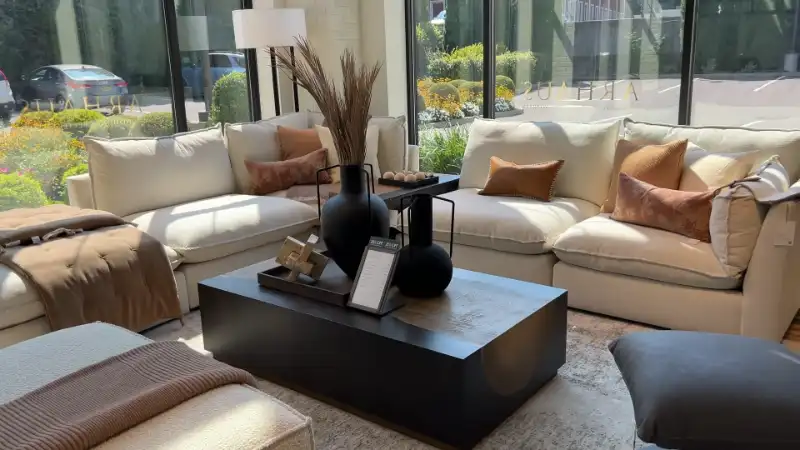
3. Sustainable and Ethical Sourcing
A core tenet of the Arhaus brand is its commitment to sustainability. This is not just a marketing buzzword; it’s a foundational practice. The company has a long-standing pledge to never use wood harvested from rainforests. Instead, they focus on using reclaimed wood from sources like old barns and mango trees that no longer bear fruit, giving new life to materials that would otherwise be discarded.
Furthermore, their partnerships with global artisans are built on a foundation of ethical practices. By working directly with craftspeople, Arhaus helps support their communities and preserve time-honored techniques. These ethical considerations, including fair wages and safe working conditions, are factored into the final price, allowing consumers to make a purchase that aligns with their values.
4. Unique, In-House Design and Global Inspiration
Arhaus is not merely a retailer; it is a design-driven company. They maintain an in-house design team that travels the world for inspiration, resulting in exclusive collections you won’t find anywhere else. This approach avoids the generic, mass-market look and offers customers pieces with a unique story and a global aesthetic.
The cost of developing these original designs, from initial concept to final prototype, is significant. It is, however, what gives the brand its distinct, curated feel. This investment in design ensures that each piece is not only well-made but also thoughtfully conceived to be a timeless addition to a home.
Arhaus vs. The Competition: A Value Comparison
When evaluating the cost of Arhaus, it’s helpful to place it in the context of the broader furniture market. It occupies a space between mid-range retailers and the highest echelons of luxury brands. A side-by-side comparison reveals the stark differences in what your money buys.
Well-crafted furniture can transform a room, and pairing it with high-quality architectural details, like perfectly finished plaster cabinets, creates a truly cohesive and elevated living space. The right foundation, both in furniture and fixtures, is key to timeless design.
| Feature | Arhaus | Typical Mid-Range Brand | Low-End / Fast Furniture |
|---|---|---|---|
| Primary Materials | Solid, sustainably sourced or reclaimed wood; top-grain leather; natural fibers. | Mix of solid wood, veneers, and engineered wood (MDF). | Primarily particleboard, MDF, and veneers with plastic components. |
| Construction | Bench-made, hand-finished, traditional joinery (e.g., dovetail). | Machine-made with some hand-finishing; basic joinery. | Mass-produced on assembly lines; staples, glue, and cam locks. |
| Projected Lifespan | 20+ years; designed as heirloom-quality. | 5-10 years. | 1-3 years. |
| Design | Unique, in-house, and globally inspired designs. | Designs often follow popular trends. | Trend-driven, basic designs intended for short-term use. |
| Sourcing | Ethical partnerships with global artisans; strong focus on sustainability. | Varies; some sustainable options but not a core focus. | Focus on low-cost mass production with little environmental consideration. |
Is Arhaus Furniture a Worthwhile Investment for Your Home?
Ultimately, the question of whether Arhaus is “worth it” depends on your priorities as a homeowner. If your goal is to find the cheapest possible furniture to fill a room, then Arhaus is not the right choice. However, if you view furniture as a long-term investment in your home’s comfort, functionality, and aesthetic, the value proposition becomes clear.
The Long-Term Value Proposition
Buying high-quality furniture aligns with the “buy it once, buy it for life” philosophy. A solid wood dining table from Arhaus may cost significantly more than an MDF version from a big-box store, but it will likely last for decades, potentially becoming an heirloom. The cheaper table may need to be replaced multiple times over the same period, ultimately costing more in the long run and contributing to landfill waste.
The timeless nature of Arhaus designs also adds to their long-term value. Their pieces are crafted to transcend fleeting trends, ensuring that your home will look stylish and sophisticated for years to come. This saves you from the costly cycle of constantly updating your decor.
Who Is Arhaus For?
Arhaus is ideal for the homeowner who values craftsmanship, sustainability, and unique design. It is for the individual who sees their home as a sanctuary and wants to fill it with meaningful, high-quality pieces. It is for those who are willing to invest more upfront for a product that offers superior durability, timeless style, and a clear conscience regarding its environmental and ethical impact.
When Might Arhaus NOT Be the Right Choice?
Despite its many benefits, Arhaus is not for everyone. If you are on a tight budget, renting for a short period, or enjoy frequently changing your interior design style, investing in expensive, heirloom-quality furniture may not be practical. In these cases, more affordable options may be a better fit for your current lifestyle and financial situation.
Smart Ways to Shop at Arhaus and Maximize Value
Loving the Arhaus style doesn’t always have to mean paying full price. For savvy shoppers, there are several ways to acquire these beautiful pieces for less.
One of the best strategies is to visit an Arhaus The Loft outlet location. These stores sell overstock merchandise, special order returns, and floor models at a significant discount. The inventory is constantly changing, so frequent visits can yield incredible finds.
Additionally, keep an eye out for their seasonal sales events, such as those around major holidays like Memorial Day and Labor Day. Signing up for their email newsletter or loyalty program can also provide access to exclusive promotions and early sale notifications.
Beyond the Price: The Intangible Benefits of Quality
There are benefits to owning well-made furniture that go beyond simple durability. There’s a tangible difference in the feel of a solid wood piece—its weight, its texture, the story told by its natural grain. This creates a richer, more grounded atmosphere in a home.
Investing in quality pieces extends to every part of a home renovation. For instance, ensuring the proper electrical foundation is in place, like a correctly installed fan rough-in for a future ceiling fixture, is just as important as the fixture itself. It’s about building a home with integrity from the inside out.
The Hidden Costs of “Cheap” Furniture
The allure of low-priced furniture often obscures its true costs. “Fast furniture” contributes significantly to landfill waste, as it is designed to be disposable. The production processes often involve harmful chemicals and exploitative labor practices, carrying a hidden environmental and social toll.
From a homeowner’s perspective, the frustration of dealing with furniture that quickly breaks, sags, or shows wear can be a significant hidden cost. The time, effort, and money spent replacing these items add up, making the initial “bargain” far less attractive in retrospect. This philosophy applies to outdoor items as well; using the right paint for snowblower maintenance, for example, is an investment in longevity that prevents the higher cost of replacement.
Final Verdict: Why Arhaus Commands a Premium
So, why is Arhaus so expensive? The answer is clear: you are paying for a confluence of factors that are rare in today’s furniture market. You are paying for the skill of an artisan, the beauty of solid, reclaimed wood, the integrity of sustainable sourcing, and the creativity of original design.
The price reflects a commitment to creating furniture that is meant to be lived with, loved, and passed down. It is an investment in a piece that brings not only function and style into your home but also a story of quality and responsibility.
For those who align with these values, the cost of Arhaus is not an expense but a testament to the enduring worth of true craftsmanship. It is a choice to fill your home with pieces that are not just beautiful, but are also built on a foundation of integrity.
