
House Smells Like Dirty Diapers? Find the Shocking Cause & Fix It Fast
There are few household odors more unsettling than the unmistakable smell of a dirty diaper, especially when there are no babies in sight. This strange, sour, and pungent aroma can permeate your entire home, leaving you confused and concerned. You’re not imagining it, and it’s a sign that something is definitely wrong.
This foul odor is more than just an annoyance; it’s often a warning sign from your home’s core systems. Ignoring it can lead to bigger, more expensive problems down the road. This guide will help you play detective, uncover the shocking culprits behind the smell, and give you a clear action plan to restore fresh, clean air to your home.
You'll Learn About
Pinpointing the Source: The Main Culprits Behind the Diaper Smell
That dirty diaper smell is typically caused by bacteria, sewer gas, or mold releasing specific chemical compounds into your air. Identifying the exact source is the first critical step. The most common offenders are often hiding in plain sight within your home’s HVAC, plumbing, or hidden crevices.
The #1 Suspect: Your HVAC System’s “Dirty Sock Syndrome”
One of the most frequent causes of a sour, diaper-like smell is a phenomenon known as “Dirty Sock Syndrome.” This occurs when your HVAC system’s evaporator coil becomes a breeding ground for bacteria and mold. During certain cycles, the system creates a dark, damp, and warm environment perfect for microbial growth.
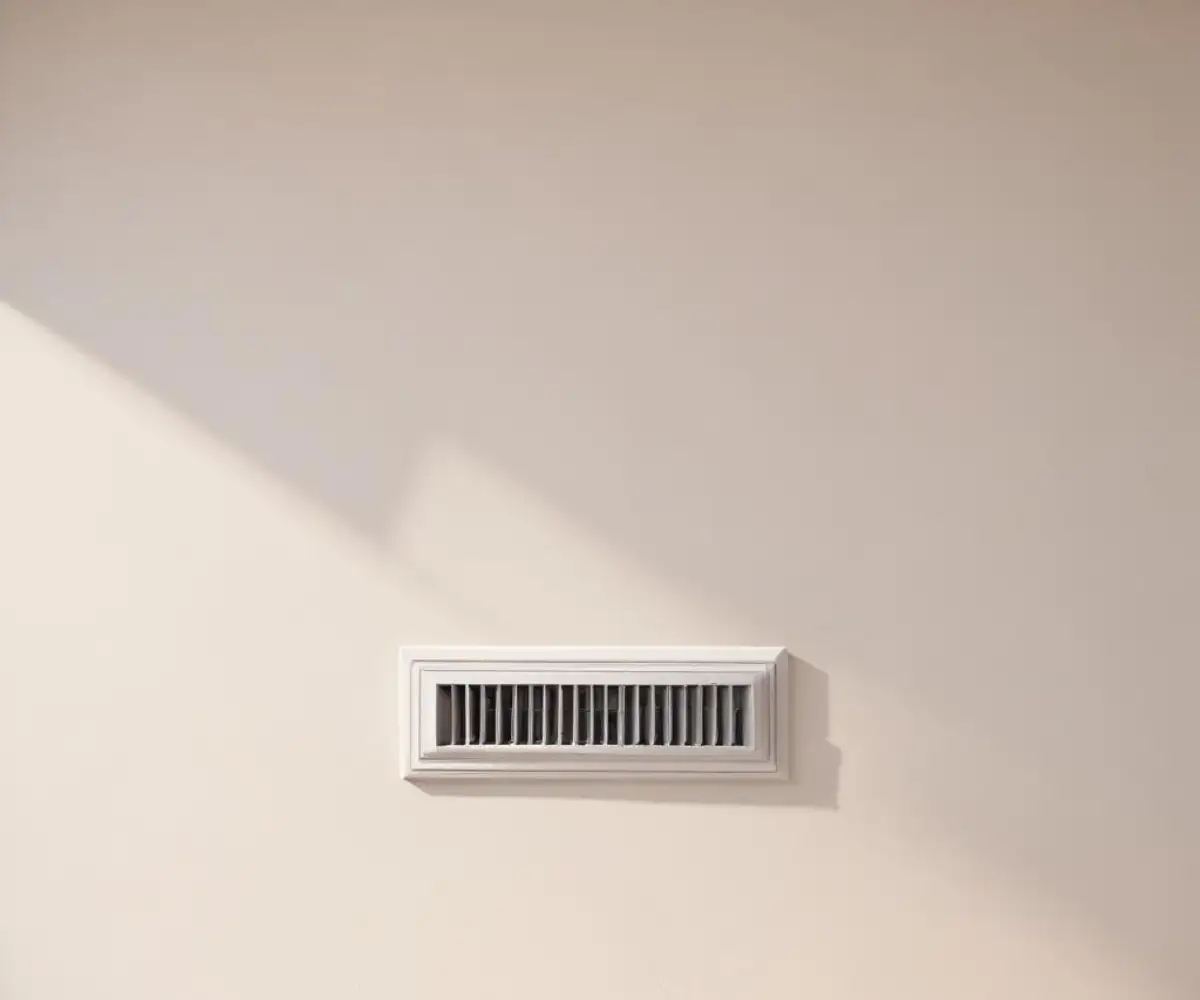
When the system kicks on, it circulates air over these bacteria-laden coils, spreading the foul odor throughout your house via the air vents. The smell is often strongest when the system first starts up after being off for a while. A professional cleaning is often required to fully eradicate the source of the problem.
Hidden Plumbing Problems: Sewer Gas Leaks
Your home’s plumbing system is designed as a closed loop, preventing sewer gas from entering your living space. When a component fails, these gases can escape, sometimes producing a smell very similar to dirty diapers or rotten eggs. This isn’t just unpleasant; sewer gas can contain harmful components like hydrogen sulfide and methane.
Common plumbing failures include a dried-out P-trap in a seldom-used drain (like a guest bathroom or floor drain), a cracked or failing wax ring at the base of your toilet, or a blocked plumbing vent stack on your roof. These issues break the air-tight seal, allowing gas to seep into your home.
Mold and Mildew: The Musty, Sour Invaders
While most people associate mold with a musty, earthy smell, certain types of mold and bacteria can produce sour, pungent odors that mimic a dirty diaper. This is especially true if the mold is feeding on a specific material or is combined with bacteria in a damp area. Look for signs of water damage or persistent dampness.
Check behind appliances, under sinks, in basements, or any area that has experienced a leak. Porous materials that trap moisture can also be a source. Even spills that soak into certain flooring, like the padding underneath a carpet, can create a lingering odor, highlighting the importance of choosing materials wisely for moisture-prone areas; some find that specific choices, such as the best carpet for a beach house, offer more resilience against trapped moisture and smells.
Rotten Organic Matter You Can’t See
Sometimes the simplest explanation is the right one. A forgotten piece of food rotting in a hidden corner can easily create a powerful, foul odor. This could be a potato that rolled to the back of a pantry, a spilled carton of milk under the refrigerator, or even food waste trapped in a garbage disposal.
This issue can sometimes be linked to pest activity. The appearance of random ants in the house with no trail could indicate they’ve found a hidden food source that is now beginning to rot and produce an odor. A thorough cleaning of these overlooked areas is essential to rule out this cause.
A Less Common Cause: Overheating Electrical Components
In some rare cases, a sour, acrid smell can be linked to an electrical issue. Overheating plastic components, circuit boards, or wiring can release fumes that are sometimes described as sour or fishy. While not a classic “diaper” smell, it can be in the same family of unpleasant odors.
If the smell is sharp and chemical-like, similar to the scent from an overheating appliance, it demands immediate attention. Much like a strange hot glue gun smell in the house can signal a problem, any unusual electrical odor should be investigated by a professional electrician to prevent a fire hazard.
Odor Detective: A Comparison of Potential Smell Sources
Use this table to help narrow down the possibilities based on the specific characteristics of the odor you are experiencing. This systematic approach can save you time and help you focus your investigation on the most likely source.
| Potential Source | Smell Characteristics | Common Location / Timing | Recommended First Action |
|---|---|---|---|
| HVAC System | Sour, cheesy, like dirty socks or a diaper pail. Strongest when system cycles on. | Coming from all air vents throughout the house. | Change your HVAC air filter. Visually inspect the inside of the unit for microbial growth. |
| Plumbing/Sewer Gas | Can range from rotten eggs to a fecal or diaper-like smell. Often localized to one area. | Near drains, toilets, or in a specific bathroom or basement. | Run water in all drains. Check the toilet for any rocking or instability at the base. |
| Mold/Mildew | Musty, sour, and pungent. Persistent smell in a damp or humid area. | Basements, crawl spaces, under sinks, or near areas with past water damage. | Look for visual signs of mold or water stains. Use a dehumidifier to reduce moisture. |
| Rotting Organic Matter | Decaying, sweet, and sour. Gets stronger closer to the source. | Kitchen, pantry, garbage disposal, or anywhere food might be hidden or spilled. | Deep clean the kitchen, checking behind and under all appliances and in cabinets. |
Your Step-by-Step Action Plan to Eliminate the Diaper Smell
Now that you have an idea of the potential causes, it’s time to take action. Follow these steps methodically to identify and eliminate the source of the odor for good. Do not simply mask the smell with air fresheners; you must address the root cause.
Step 1: Follow Your Nose to the Epicenter
Your primary tool in this investigation is your own nose. Walk through your home and try to determine where the smell is strongest. Is it localized to a single room, like a bathroom or laundry room? Does it seem to be coming from the air vents? Is it more noticeable in the basement?
Pinpointing the area of highest concentration is the most critical clue. If the smell is evenly distributed throughout the house, the HVAC system becomes the primary suspect. If it’s strong in one bathroom, plumbing is the more likely culprit.
Step 2: A Thorough HVAC System Inspection
Start with the most common offender. First, replace your HVAC air filter if you haven’t done so in the last 1-3 months. A clogged, dirty filter can contribute to poor air quality and odors.
Next, with the system turned off, carefully open the access panel to your indoor unit’s evaporator coil. Use a flashlight to look for any visible signs of black or grimy buildup on the coil and in the drain pan. If you see significant growth, you will likely need a professional HVAC technician to perform a deep cleaning.
Step 3: Investigate All Plumbing Drains and Toilets
Go to every sink, shower, and floor drain in your home. If a drain is rarely used, its P-trap (the U-shaped pipe under the drain) can dry out, allowing sewer gas to escape. Pour a few cups of water down each drain, followed by a tablespoon of cooking oil to slow evaporation.
Gently try to rock each toilet by pushing on the side of the bowl. If it moves or feels unstable, the wax ring that seals it to the floor may have failed. This is a common source of leaks and odors and will require replacing the ring.
Step 4: The Deep Clean and De-Clutter Mission
If the HVAC and plumbing checks don’t reveal a culprit, it’s time for a deep clean. Pull appliances like your refrigerator and stove away from the wall and clean underneath and behind them thoroughly. Empty pantries and cabinets completely, wiping down shelves and checking for any forgotten food items.
Run your garbage disposal with plenty of cold water, followed by some citrus peels or a specialized disposal cleaner to remove any built-up grime that could be causing the odor. Check trash cans for any residue and wash them out completely.
Step 5: When to Call the Professionals
There are times when a problem is beyond a simple DIY fix. Do not hesitate to call a professional if you suspect the issue is serious or if your own investigation comes up empty. Your health and safety are paramount.
Call an HVAC technician if you see heavy mold on your evaporator coils. Call a licensed plumber if you suspect a sewer gas leak or a failed toilet seal. If you find a large area of mold, a professional mold remediation service is necessary to ensure it’s removed safely and completely.
Maintaining a Fresh-Smelling Home for the Future
Once you’ve eliminated the foul odor, you’ll want to ensure it never comes back. Adopting a few simple, preventative habits can keep your home’s air quality high and prevent future odor emergencies.
Schedule regular professional HVAC maintenance at least once a year. This service includes cleaning the coils and drain pans, which prevents “Dirty Sock Syndrome.” Also, remember to change your air filters on schedule. Regularly run water in guest bathrooms and floor drains to keep the P-traps from drying out. Finally, maintain a regular deep-cleaning schedule for your kitchen to prevent hidden spills from turning into future odor bombs.
