
Why Are Closet Systems So Expensive? The Hidden Costs Behind Organization
You’ve decided it’s time to conquer the clutter. A new closet system seems like the perfect solution for a serene, organized space, but then you see the price tag. The sudden feeling of “sticker shock” is a common problem for homeowners looking to upgrade their storage.
It’s easy to wonder why something as seemingly simple as shelves and drawers can command such a high price. The truth is, the cost of a closet system goes far beyond the raw materials. Understanding the hidden factors at play can help you make an informed investment in your home.
You'll Learn About
The Real Cost of Quality Materials and Hardware
The foundation of any durable closet system is the material it’s made from. While you might see basic wire shelving at a low price, the robust systems that truly transform a space rely on higher-grade components. This is often the biggest initial driver of cost.
From Basic Particleboard to Solid Wood
The most significant price variable is the core material of the shelves and cabinets. Budget-friendly options often start with particleboard, which consists of compressed wood chips and resin. While affordable, it’s the least durable and highly susceptible to moisture damage.
A major step up is Medium-Density Fiberboard (MDF) or thermally fused laminate (TFL) over a particleboard core, which offers a smooth, paintable surface and greater stability. For high-end systems, plywood and solid wood are the premium choices, offering superior strength, longevity, and a luxurious appearance that significantly impacts the final price. The choice of material alone can multiply the cost of a project.
Hardware That Goes Beyond Hinges
The hardware is another critical component where quality dictates the price. Inexpensive systems may use basic drawer slides and simple hanging rods. In contrast, premium systems feature soft-close drawer glides, heavy-duty metal rods, and elegant handles or knobs.
These upgraded components not only provide a smoother, more luxurious user experience but are also built to withstand daily use for years. Specialty hardware like pull-out valet rods, tie racks, and jewelry drawer inserts further adds to the functionality and the overall cost.
Customization: The Price of a Perfect Fit
Unlike off-the-shelf furniture, a true closet system is designed to maximize every inch of your specific space. This level of personalization requires a significant investment in skilled labor and a detailed design process, which are often invisible to the end consumer.
Off-the-Shelf vs. Fully Custom Solutions
Prefabricated or modular systems offer a middle ground on cost but may not perfectly fit your closet’s dimensions, leading to wasted space. A semi-custom or fully custom system, on the other hand, is tailored to your exact measurements and needs. This bespoke approach eliminates awkward gaps and maximizes storage potential.
Achieving this perfect fit requires a detailed process, from the initial consultation and precise measurements to the creation of 3D design renderings. This expert design service is a significant part of what you’re paying for in a high-quality system.
The Labor You Don’t See
A large portion of the cost is tied to skilled labor long before the installation day. Professional designers and engineers spend hours planning the layout for optimal functionality and aesthetics. Once the design is approved, skilled craftspeople manufacture each component to exact specifications.
Finally, professional installers ensure that every piece is assembled correctly, securely mounted, and perfectly level. This expertise prevents common DIY mistakes and guarantees a durable, long-lasting result. Labor costs, including design, manufacturing, and installation, can easily account for a substantial part of the final bill.
Beyond the Basics: Features That Add Up Quickly
Modern closet systems offer a wide array of accessories and features that enhance organization but also increase the price. These add-ons are what elevate a simple storage space into a luxurious and highly functional part of your home.
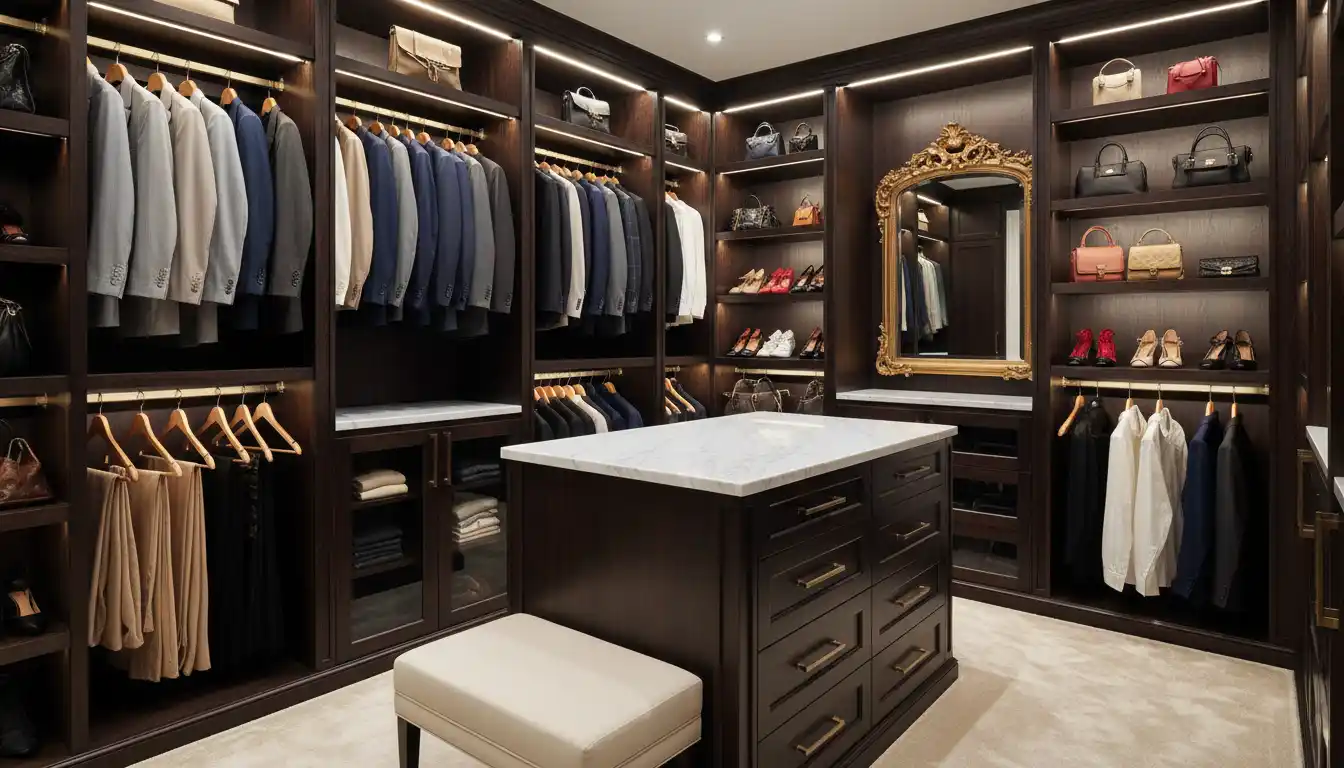
Integrated LED lighting, for example, can transform a dark closet into a bright, boutique-like space. Closet islands or peninsulas provide valuable drawer and surface space in larger walk-ins, while specialized organizers for shoes, belts, and scarves keep everything in its place. While these features are optional, they contribute significantly to the convenience and final cost of the project.
Closet System Cost Comparison: DIY vs. Custom
Understanding the potential investment is crucial. Below is a table that breaks down the estimated costs and features of different types of closet systems to help you see where the money goes.
| Feature | DIY Kit (e.g., Wire/Basic Laminate) | Modular System (e.g., IKEA PAX) | Professionally Installed Custom System |
|---|---|---|---|
| Estimated Cost Range | $100 – $500 | $500 – $2,000 | $2,500 – $10,000+ |
| Primary Materials | Wire, basic particleboard | MDF, particleboard with laminate finish | High-grade TFL, plywood, solid wood options |
| Design Process | User-led, fixed components | User-led with online planning tools | Professional design consultation with 3D renderings |
| Installation | DIY installation required | DIY or optional paid assembly | Professional installation included |
| Customization | Very limited, standard sizes only | Moderately flexible with standard modules | Fully customized to fit any space and need |
| Warranty | Limited or none | Limited manufacturer’s warranty | Lifetime warranty often included |
How to Get a High-End Look Without the High-End Price
While custom closet systems are a significant investment, there are smart strategies to manage the cost without sacrificing too much on quality or function. A little planning can help you achieve an organized space that fits your budget.
Make Smart Material and Finish Choices
You can often achieve a premium look for less by being selective with your materials. Opt for standard colors and finishes, as premium textures and custom colors can increase the price. Consider a floor-based system, which often looks more built-in and substantial than a wall-hung system, without a massive price difference.
The Power of Phased Installation
You don’t have to build your dream closet all at once. Start with a foundational system of shelves and hanging rods to address your immediate storage needs. Later, you can add components like drawers, doors, and custom accessories as your budget allows. This phased approach makes the total cost more manageable over time.
Maximize Every Inch of Your Space
An efficient design is key, especially in smaller closets. A well-thought-out layout can dramatically increase storage without needing a larger footprint. For those with limited space, a well-designed 5 foot wide walk in closet can offer surprising capacity. Don’t be afraid to think creatively about location either; sometimes the best solution is to convert an underutilized bathroom to a walk-in closet to gain valuable storage.
DIY vs. Professional: A Cost-Benefit Analysis
For those comfortable with home projects, comparing different systems is a great way to save money. An in-depth look at options like Easy Track vs Closet Evolution can reveal budget-friendly yet sturdy choices for a DIY installation. However, for complex spaces or to ensure a flawless finish, the cost of professional installation is often justified by the time saved and the quality of the final result.
Is an Expensive Closet System a Worthwhile Investment?
Ultimately, a high-quality closet system is more than just storage; it’s an investment in your home and your daily life. A well-organized closet saves time, reduces stress, and protects your clothing and accessories. It also adds significant appeal and value to your home, which can provide a return on investment when it comes time to sell.
While the upfront cost can seem high, the combination of premium materials, custom design, skilled labor, and enhanced functionality explains the price. By understanding these factors, you can better evaluate your options and decide on a solution that brings lasting order and value to your home.
Frequently Asked Questions
Why are custom closet systems so expensive?
The high cost of custom closet systems is due to several factors. These include the use of high-quality materials like solid wood and premium hardware, the detailed labor involved in creating a personalized design, and the expenses associated with professional installation. The level of customization and the complexity of the design also play a significant role in the final price.
What are the main cost drivers for a closet system?
The primary factors influencing the cost of a closet system are its size, the materials used, and the complexity of the design. Larger closets with more intricate layouts naturally require more materials and labor, increasing the price. The choice of materials, such as laminate versus solid wood, and the inclusion of accessories like custom lighting or drawers also significantly impact the overall expense.
Is professional installation for a closet system worth the extra cost?
While DIY installation can save money on labor, professional installation ensures that the closet system is installed correctly and securely. For complex or highly customized systems, professional installers have the expertise to handle precise measurements and challenging configurations, which can ultimately add to the longevity and value of your investment.
How much more do custom closets cost compared to prefabricated options?
Custom closet systems are generally more expensive than prefabricated ones, with prices for custom installations often starting at $1,000 and potentially exceeding $10,000, depending on the level of customization. Prefabricated systems, like those from IKEA, can begin at a few hundred dollars. The higher price of custom systems reflects the personalized design, higher-quality materials, and professional installation that are typically included.
Can a closet system increase my home’s value?
Yes, a well-designed and organized closet system can increase the value of your home. Potential buyers often view custom closets as a premium feature that adds to the home’s appeal and functionality. This upgrade can make your home more attractive on the market and may result in a positive return on your investment.
