
The Whitest Grout: Your Ultimate Guide to a Flawless Finish
Achieving impeccably white grout lines is the ambition of many homeowners, yet it often feels like an impossible goal. You select a grout labeled “bright white,” only to watch it dry to a disappointing off-white or, worse, become a magnet for dirt and stains within weeks. This common frustration leaves tile installations looking tired and dingy, completely undermining the clean, crisp aesthetic you envisioned.
The problem isn’t just about cleaning; it starts with the product choice, the mixing process, and even the lighting in your room. True, brilliant white is a result of science, strategy, and proper technique—not just vigorous scrubbing. This guide will illuminate the path to achieving and maintaining the whitest grout possible, transforming your tiled surfaces from mundane to magnificent.
You'll Learn About
What Truly Makes Grout White? The Science of Brilliance
The secret to achieving the whitest grout lies in its composition and how it interacts with light. Not all white grouts are created equal. Their ability to appear brilliantly white depends on the quality of their ingredients and their formulation.
At its core, standard cement-based grout is a mixture of cement, water, and sand. However, for a product to be exceptionally white, manufacturers use high-purity white cement and fine aggregates, minimizing the gray tones that can dull the final color. More importantly, premium white grouts are enriched with pigments like titanium dioxide, a compound renowned for its incredible opacity and brightness.
Understanding Light Reflectance Value (LRV) in Grout
A factor few people consider is the grout’s Light Reflectance Value (LRV). LRV is a measurement on a scale from 0 (absolute black) to 100 (pure white), indicating how much light a surface reflects. Grouts with a higher LRV will appear brighter and whiter because they bounce more light back into the room.
This is why some “white” grouts can look dull in certain lighting—they have a lower LRV. When shopping, look for grouts that are specifically formulated for high reflectance. This ensures the grout lines contribute to the overall brightness of the space rather than subtly absorbing light and appearing dimmer.
Choosing Your Champion: The Top Contenders for Whitest Grout
To achieve a lasting, brilliant white, you must select the right type of grout for your project. The three primary options each have distinct advantages and disadvantages when it comes to achieving and maintaining that pristine look.
Epoxy grout is widely considered the best option for a durable, stain-proof, and brilliantly white finish. Unlike cement-based products, epoxy grout is non-porous. This means it doesn’t absorb water, dirt, or grime, which are the primary culprits behind staining and discoloration. While more expensive and requiring a more meticulous installation process, its longevity and low maintenance make it a superior investment for high-traffic and wet areas like kitchens and bathrooms.
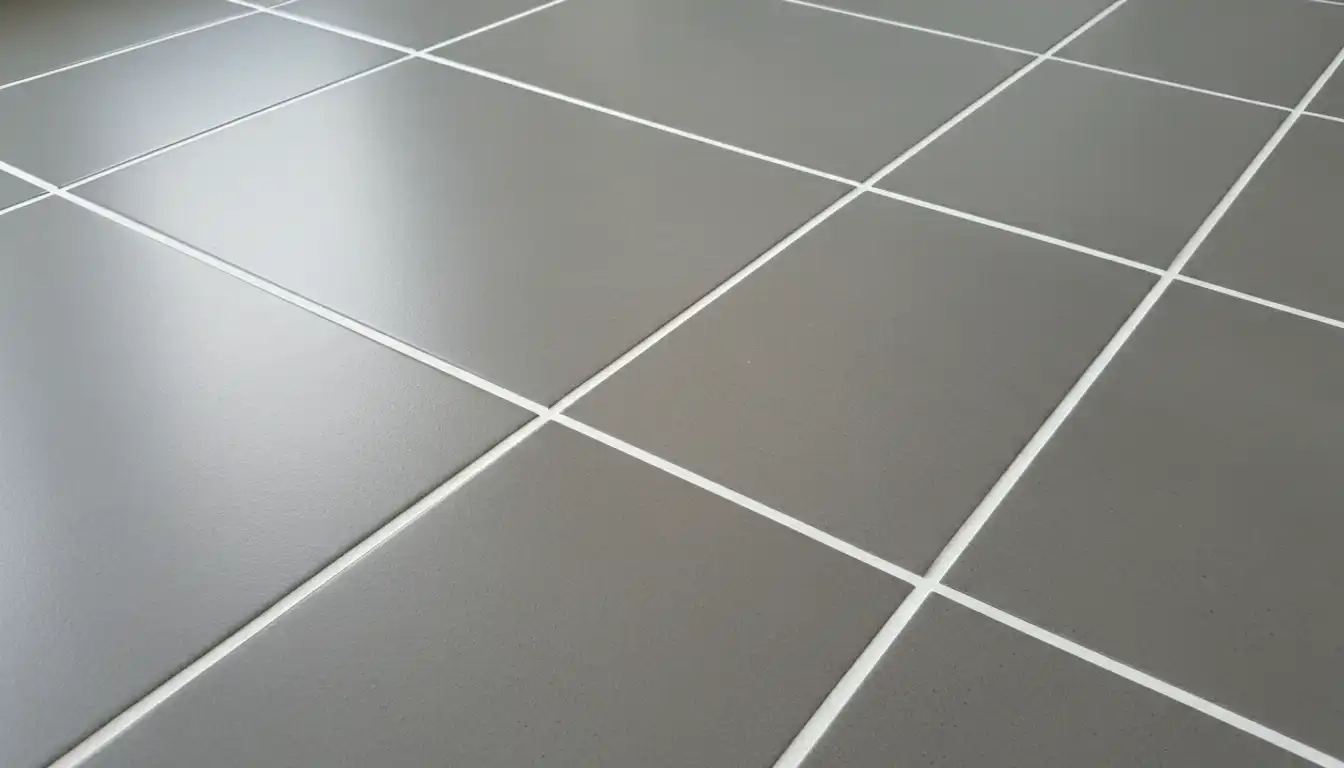
Comparing Grout Types for Whiteness and Durability
Making the right choice from the start is critical. This table breaks down the key differences between the most common types of grout to help you decide which is best suited for your quest for the whitest grout lines.
| Grout Type | Initial Whiteness | Stain Resistance | Durability & Longevity | Best For |
|---|---|---|---|---|
| Cement-Based (Unsanded/Sanded) | Good to Very Good | Low (Requires Sealing) | Moderate | General use, budget-friendly projects. |
| Premium Cement-Based (Polymer-Modified) | Excellent | Moderate (Requires Sealing) | Good | Areas with some moisture, improved color consistency. |
| Epoxy | Excellent and Lasting | Highest (Non-porous) | Excellent | Kitchens, bathrooms, high-traffic floors, stain-proof needs. |
| Urethane | Very Good | High (Stain-resistant) | Very Good | Areas needing flexibility, good stain resistance. |
Beyond the Brand: Factors That Secretly Influence Grout Whiteness
Achieving the whitest grout isn’t solely dependent on the product you buy. Several environmental and contextual factors can dramatically alter the perception of its color. Overlooking these can lead to a final result that doesn’t meet your expectations.
The surrounding elements in a room play a significant role. The color and finish of your tiles, for instance, can make white grout appear brighter or duller. A high-contrast tile, like a dark gray or black, will make white grout lines appear sharper and more brilliant. Conversely, pairing white grout with an off-white or cream-colored tile might diminish its brightness.
The Overlooked Impact of Lighting
Lighting is one of the most powerful, yet frequently ignored, factors. The color temperature of your light bulbs can change how you perceive white. Warm, yellow-toned lights (around 2700K) can cast a yellowish hue on your pristine grout, making it appear aged or discolored.
For the truest and brightest white, opt for neutral or cool-toned lighting (3500K-5000K). Natural daylight is the ultimate benchmark, so always try to view your grout samples in the actual room under both natural and artificial light before making a final decision. This simple step can prevent significant disappointment.
The Flawless Application: How to Install Grout for Maximum Whiteness
Even the highest quality grout can look subpar if not applied correctly. A meticulous installation process is non-negotiable for achieving brilliantly white, durable grout lines. Preparation and precision are your two greatest allies in this stage.
The journey to perfect grout begins before you even open the bag. Ensure the joints between your tiles are completely free of debris, dust, and any residual tile adhesive. Use a vacuum or a brush to clean them out thoroughly. Any contaminants left in the joints can mix with the grout and cause discoloration from within.
Mixing to Perfection: A Critical Step
Using distilled water for mixing is a professional tip that makes a real difference. Tap water often contains minerals and impurities that can react with the grout’s polymers and pigments, leading to a dull or inconsistent color. Always follow the manufacturer’s instructions for the water-to-powder ratio precisely. Too much water can weaken the grout and cause it to crack, while too little will make it difficult to apply and prone to pinholes.
Mix the grout using a drill with a paddle mixer at a low speed. This ensures a smooth, lump-free consistency without introducing excess air bubbles. Let the grout “slake” or rest for 5-10 minutes after the initial mix, then give it a final stir. This allows the chemicals to fully activate, resulting in a stronger and more color-consistent bond.
The Ultimate Sins: Common Mistakes That Ruin White Grout
The dream of pristine white grout can quickly turn into a nightmare if you fall prey to common installation and maintenance errors. These mistakes can permanently mar the appearance of your grout, making it look dingy and old before its time. Avoiding them is just as important as the application itself.
One of the most frequent blunders is cleaning the grout haze off the tiles too early or too aggressively. Wiping the surface with too much water or pressure before the grout has had a chance to set can pull the white pigment directly out of the joints. This results in splotchy, uneven color and weakened lines. Wait for the grout to be firm to the touch before starting the initial cleanup with a damp, well-wrung-out sponge.
Another critical error is neglecting to choose the right shade of white for your tiles in the first place. Not all whites are the same; some are cool and stark, while others are warmer. Understanding the subtle differences between shades like those discussed in a comparison of snow white versus bright white grout can prevent a color clash that makes your project look “off.”
Preserving the Purity: Your Long-Term White Grout Maintenance Plan
Once you’ve achieved perfectly white grout, the focus shifts to preservation. A consistent and gentle maintenance routine is the key to keeping your grout lines looking as brilliant as the day they were installed. Neglect is the fastest way to undo all your hard work.
For cement-based grouts, sealing is the most critical step in long-term protection. A high-quality, penetrating sealer creates an invisible barrier that repels water, dirt, and stains. Apply the sealer with a small brush or applicator after the grout has fully cured (typically 48-72 hours), and reapply it annually or as recommended by the manufacturer. Remember, epoxy and urethane grouts do not require sealing.
Your Weekly and Deep Cleaning Toolkit
Regular cleaning prevents dirt from becoming deeply embedded. For weekly maintenance, a simple spray of a pH-neutral cleaner or a mixture of equal parts white vinegar and water is sufficient. Scrub gently with a soft-bristled brush—an old toothbrush works perfectly—and rinse with clean water. Avoid harsh, abrasive, or colored cleaners, as these can erode the grout and cause discoloration.
For occasional deep cleaning, an oxygenated bleach solution is a safe and effective choice. Mix the powdered bleach with water to form a paste, apply it to the grout lines, let it sit for 10-15 minutes, and then scrub and rinse. This method brightens the grout without the damaging effects of chlorine bleach. Proper home maintenance is a system of care; just as you might need to troubleshoot why a Toro Snowmaster 724 QXE wont start, you need a plan for your grout.
When White Grout Turns Yellow: Causes and Cures
Despite your best efforts, you may notice your white grout starting to yellow over time. This frustrating issue is often caused by external factors that can be identified and corrected. Understanding the root cause is the first step toward restoring your grout’s brilliant white appearance.
Common culprits include soap scum buildup, the use of harsh chemical cleaners, or even excessive UV light exposure, which can degrade the grout’s polymers. In bathrooms, moisture and poor ventilation can lead to mildew, which often presents as a pinkish or yellowish tint. It is also important to consider safety in all home improvement tasks; for instance, understanding how to prevent electrical issues like when you can you short out a doorbell transformer is as vital as using the right cleaning chemicals.
Restoration Techniques for Discolored Grout
If cleaning with oxygenated bleach doesn’t restore the whiteness, you have other options. A grout colorant or “grout pen” can be an effective solution. These products are essentially an epoxy-based paint that you apply directly over the existing grout line, creating a fresh, uniform, and sealed surface. This not only restores the white color but also adds a new layer of stain protection.
In severe cases where the grout is crumbling or deeply stained, the only solution may be to remove and replace it. While this is a labor-intensive process, it guarantees a return to that perfectly clean, bright-white look. For those who choose this route, upgrading to an epoxy grout can prevent the same issues from recurring in the future.
