
Sell Unused Tile & Reclaim Your Space: The Ultimate Guide
That home renovation project is finally complete. The grout is dry, the room looks stunning, but you’re left with a common problem staring back at you from the corner of your garage: stacks of leftover tiles.
This surplus represents not just wasted space but also a tangible amount of your project’s budget. Letting them gather dust is a missed opportunity to recoup costs and declutter your home.
You'll Learn About
Why Selling Your Unused Tile is a Smart Move
Beyond the obvious benefit of getting some money back, selling your unused tiles is a sustainable choice. It prevents perfectly good materials from ending up in a landfill and provides another person with discounted supplies for their own project.
This process contributes to a circular economy, reducing waste and the demand for new manufacturing. It’s a win for your wallet, your storage space, and the environment.
Preparing Your Tile for a Successful Sale
To attract buyers and get the best possible price, a little preparation goes a long way. Think of it as staging your tiles just like you would stage a home for sale. The goal is to present a clean, organized, and desirable product.
Step 1: Assess and Organize Your Inventory
First, get a precise count of what you have. Separate full, unopened boxes from loose tiles and calculate the total square footage available. Buyers will always want to know the exact quantity to see if it meets their project’s needs.
Note any corner pieces, edge tiles, or decorative liners, as these are valuable additions. A complete package is always more attractive than a scattered collection of loose ends.
Step 2: Clean and Photograph Your Tiles
Presentation is everything. Wipe down every tile to remove any dust, grout haze, or smudges. Once they are clean, take high-quality photographs in good, natural light.
Capture the tiles from multiple angles, including a close-up to show the texture and finish, and a shot of the entire lot. If you have a full box, photograph the information printed on the side, as it contains crucial details for potential buyers.
Step 3: Gather All the Essential Information
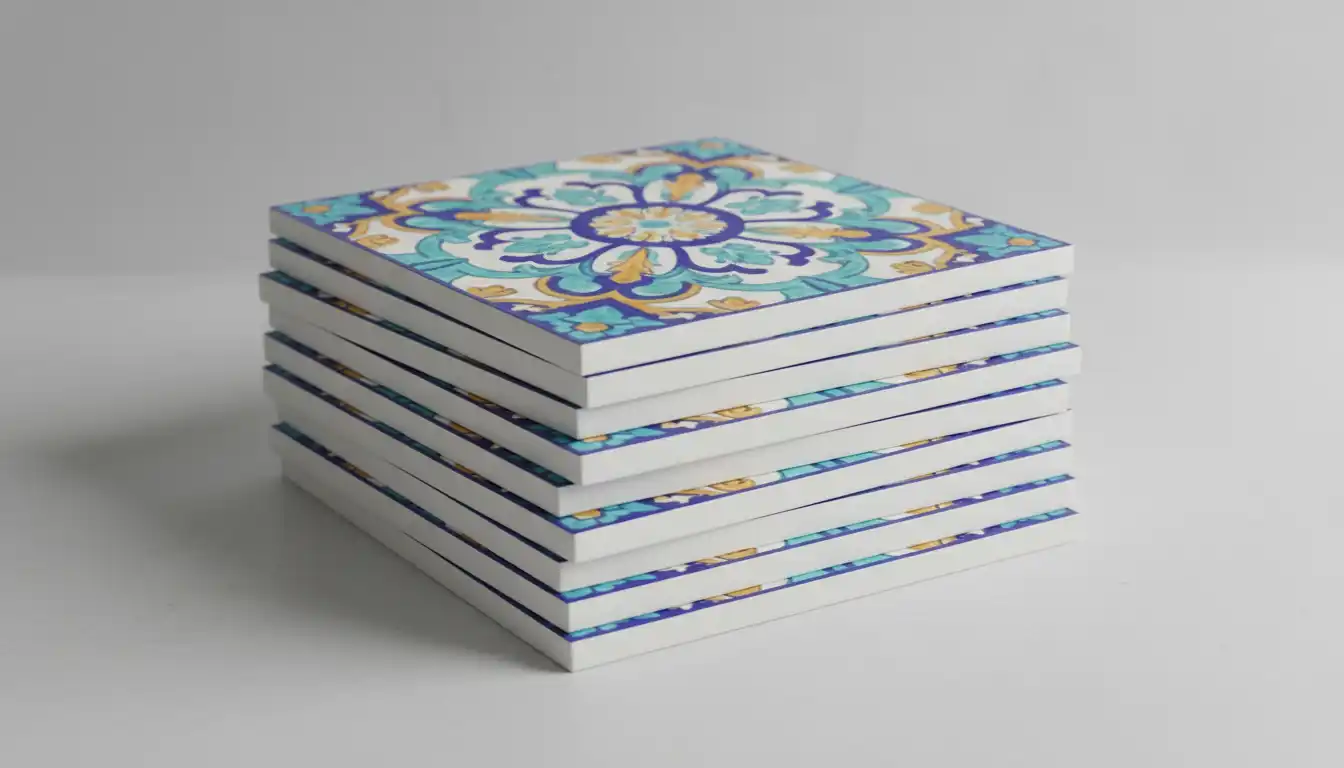
The more details you can provide, the more confident a buyer will feel. Create a comprehensive description that includes the tile’s material (e.g., ceramic, porcelain, marble, slate), dimensions, brand or manufacturer, and the original purchase price per square foot.
If you know the specific product name or color, include that as well. This information helps buyers verify if the tile is a match for an existing project or if they can purchase more from a retailer if needed.
Top Platforms for Selling Unused Tile: Online Options
The digital marketplace offers the widest audience for your leftover materials. From broad-audience platforms to niche communities, there’s a place for every type of tile.
Facebook Marketplace and Craigslist
These platforms are ideal for local sales, which eliminates the significant challenge of shipping heavy, fragile tiles. You can list your items for free and connect directly with buyers in your area for a cash-and-carry transaction.
For safety, always arrange to meet in a public place or ensure you’re not alone during the pickup. Be prepared for some negotiation, as these platforms are known for buyers seeking the best possible deal.
eBay for a National Audience
If you have a particularly unique, vintage, or high-demand tile, eBay can connect you with a national audience of buyers. However, you must be prepared to tackle the logistics of shipping.
Research shipping costs thoroughly using carrier websites and be transparent about these fees in your listing. Proper packing is critical to ensure the tiles arrive intact, which can add to your overall costs.
Finding Local Buyers for Your Unused Tile
Sometimes the best buyer is right around the corner. Local options can offer a quicker, simpler sale without the complexities of packing and shipping.
Architectural Salvage and Reclaimed Material Stores
These businesses specialize in buying and selling used and surplus building materials. They are an excellent option, especially if you have vintage, antique, or high-end designer tiles.
Contact local salvage yards to see if they are interested in your inventory. They may offer you a price outright or take the tiles on a consignment basis.
Connect with Local Contractors and Tilers
Think smaller. A local contractor or tile setter might need a small quantity of a specific tile to complete a repair job. They often keep an eye out for materials that could save their clients money or help them match an older installation.
Posting on local community boards or contacting professionals directly could lead to a quick and easy sale. These small transactions can be surprisingly effective for moving smaller lots of tile.
The Donation Alternative: Give Your Tile a Second Life
If selling seems like too much hassle, or if you simply wish to contribute to a good cause, donating your unused tiles is a fantastic option. It keeps materials out of the landfill and supports community-building efforts.
Habitat for Humanity ReStore
Habitat for Humanity ReStores are one of the most popular places to donate surplus building materials. These nonprofit home improvement stores sell donated items to the public at a discount, and the proceeds help fund local Habitat for Humanity homebuilding projects.
Most ReStores will require the tiles to be in full-box quantities, so check with your local store for their specific donation guidelines. You will receive a tax-deductible receipt for your donation.
How to Price Your Unused Tile for a Quick Sale
Setting the right price is key. You want to recoup a fair portion of your cost without deterring potential buyers looking for a deal. A good starting point is typically 50-70% of the original retail price, but this can vary based on several factors.
Consider the quantity you have, the condition of the boxes, and whether the tile’s style is still current. For a clear pricing strategy, consult the table below.
| Tile Condition | Recommended Percentage of Retail Price | Example (Based on $5/sq ft Retail) |
|---|---|---|
| Full, Unopened Box | 60-75% | $3.00 – $3.75 per sq ft |
| Full, Opened Box (All Tiles Intact) | 50-65% | $2.50 – $3.25 per sq ft |
| Loose Tiles (Perfect Condition) | 40-50% | $2.00 – $2.50 per sq ft |
| Loose Tiles (Minor Chips/Scratches) | 20-30% | $1.00 – $1.50 per sq ft |
Mastering the Logistics of Shipping and Pickup
If you sell your tile online to a non-local buyer, proper packing and shipping are non-negotiable. Tiles are heavy and fragile, making them a high-risk item to ship.
Packing for Maximum Protection
Wrap individual tiles or small stacks in bubble wrap before placing them snugly into a sturdy box. Fill any empty space with packing peanuts or crumpled paper to prevent shifting, then seal the box securely and label it as “Fragile.”
For larger quantities, securing the boxes to a small pallet may be the safest option. Careful packing is your best defense against damage and disputes.
The Simplicity of Local Pickup
Whenever possible, prioritize local pickup. It eliminates all risks and costs associated with shipping and ensures the buyer can inspect the tiles before completing the transaction.
This method is safer, simpler, and more profitable for you as the seller. Clearly state “Local Pickup Only” in your listings on platforms like Facebook Marketplace to manage buyer expectations from the start.
Creative Alternatives for Your Leftover Tile
If you have a small, unsellable quantity left, don’t just toss it. There are numerous creative ways to put those last few pieces to good use around your home.
DIY Home Decor and Art Projects
A single beautiful tile can become a decorative trivet, a set of coasters, or the centerpiece of a mosaic serving tray. Larger pieces can be used to top a small end table or create a durable surface for a potting bench.
These small projects add a personal touch to your home and make productive use of every last piece. Planning a large-scale project requires careful consideration of materials, much like when you wonder, can you buy full grown trees, to ensure you get the right fit for your space.
Keep a Few for Future Repairs
It’s always wise to keep a small stash of your original tile for future repairs. A cracked tile is much easier to replace when you have a perfect match on hand, saving you a major headache down the road.
Proper home maintenance can prevent larger issues, whether it’s having a spare tile or figuring out why your attic hatch opens by itself. Making smart choices with your supplies and appliances, like comparing a KitchenAid 204 vs 404, is all part of being a savvy homeowner.
Take Action and Reclaim Your Space
Those boxes of unused tiles don’t have to be a permanent fixture in your storage space. By taking a few simple steps to prepare, price, and list them, you can turn that surplus material into cash.
Whether you choose to sell online, find a local buyer, or donate to a worthy cause, you’ll be making a smart, sustainable decision. It’s time to clear the clutter and give your leftover tiles a new purpose.
