
Your Bath Mat Stinks? Here’s Where to Hang It to Dry Fast
That plush bath mat feels like a small luxury when you step out of the shower. But that same mat, left damp on the floor, quickly becomes a soggy, smelly breeding ground for mold and mildew. It’s a common problem that turns a bathroom essential into a persistent nuisance.
Leaving a wet bath mat on the floor is more than just unpleasant; it’s a recipe for bigger issues. The constant moisture creates the perfect environment for bacteria and fungi, leading to musty odors and potentially damaging your floors. The solution starts with one simple habit: properly drying your bath mat after every use.
You'll Learn About
The Hidden Dangers Lurking in Your Wet Bath Mat
A perpetually damp bath mat is not just an eyesore; it’s a silent threat to your home’s health and integrity. Understanding the risks involved can motivate a change in your daily routine, turning the simple act of drying a mat into a crucial maintenance task.
From microbial growth to structural damage, the consequences of neglect are significant. Ignoring this simple step can lead to a cascade of problems that are both unhealthy and expensive to fix.
The Unseen Invasion of Mold and Mildew
Your warm, humid bathroom is a paradise for mold and mildew. When a bath mat remains saturated with water and pressed against the floor, it creates a dark, moist, and stagnant environment where these fungi can flourish. This can lead to discoloration on the mat, musty smells, and the release of spores into the air.
These spores can impact indoor air quality and contribute to respiratory issues. Properly drying your bath mat daily is the single most effective way to prevent mold growth and maintain a healthier bathroom environment.
Protecting Your Floors from Costly Water Damage
Constant moisture trapped under a bath mat is a formidable enemy to your flooring. Water can slowly seep into grout lines on tile floors, causing discoloration and degradation. For wood or laminate floors, the danger is even greater, as prolonged dampness can lead to warping, swelling, and permanent staining.
This kind of damage often happens out of sight, and by the time you notice it, the repair can be extensive. Thinking about your flooring is critical; a constantly damp mat can lead to costly repairs, forcing a decision on whether to refinish hardwood or install vinyl sooner than you planned. Lifting and drying the mat protects your investment and ensures the longevity of your bathroom floor.
Eliminating Odors and Bacterial Growth
That persistent musty smell in your bathroom is often a direct result of a damp bath mat. Bacteria thrive in the same conditions as mold, feeding on organic matter and moisture within the mat’s fibers. This bacterial growth is what produces those unpleasant, hard-to-eliminate odors.
Airing out your mat allows the fibers to dry completely, halting bacterial proliferation and keeping your bathroom smelling fresh. It’s a simple preventative measure that has a significant impact on the overall cleanliness and comfort of your space.
The Classics: Simple and Effective Places to Hang Your Mat
You don’t need a complex system to start drying your bath mat effectively. The most common and accessible solutions are often right in front of you, utilizing the existing features of your bathroom to promote airflow and speed up drying.
These tried-and-true methods are popular for a reason: they are simple, require no extra equipment, and are a massive improvement over leaving the mat on the floor. Mastering these basic techniques is the first step toward a drier, cleaner bathroom.
The Go-To Solution: The Edge of the Bathtub
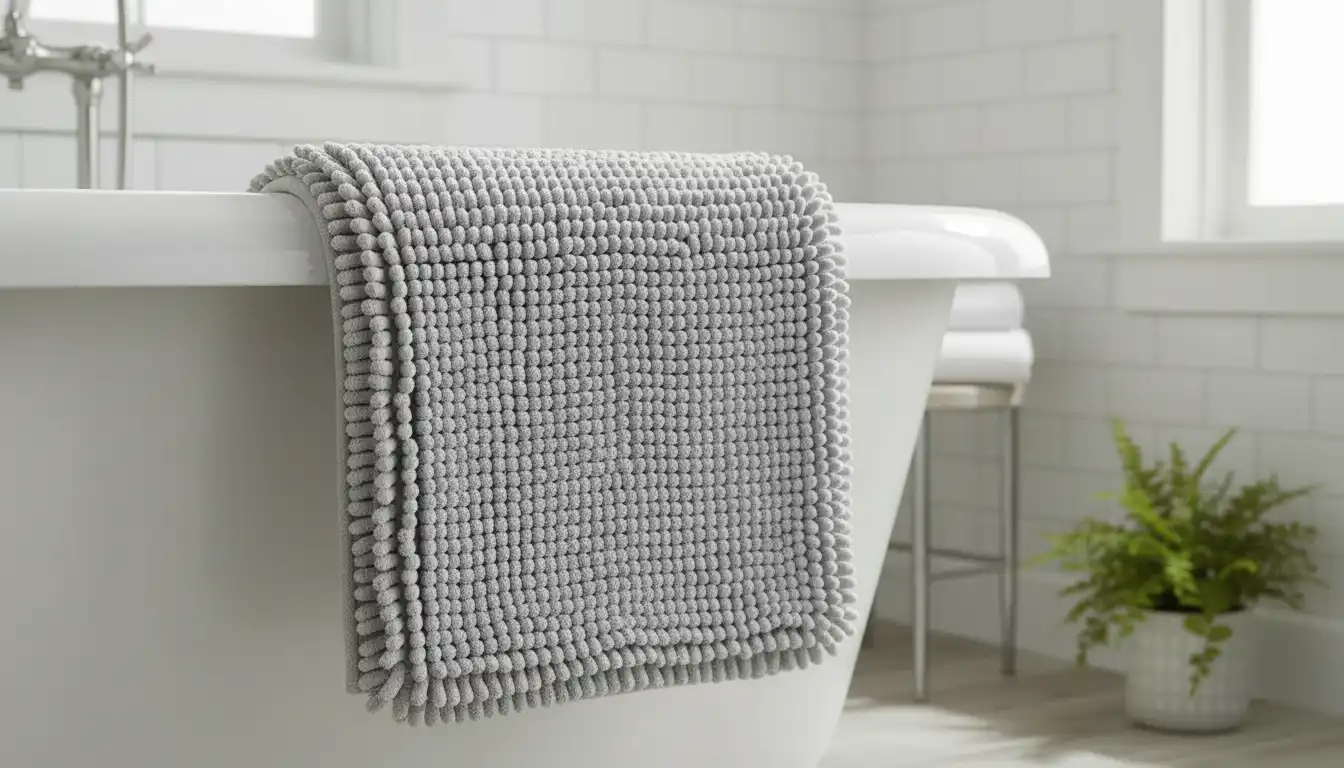
Draping your bath mat over the side of the tub is arguably the most popular drying method. It’s convenient, immediate, and effectively lifts the mat off the floor, allowing air to circulate around it. This position allows water to drip directly into the tub, containing the mess and facilitating faster evaporation.
Ensure you hang the mat with the rubber or non-slip side facing up whenever possible. This allows the more absorbent fabric side to be fully exposed to the air, which significantly reduces drying time. It’s a small adjustment that makes a big difference.
Utilizing Vertical Space: The Shower Door or Curtain Rod
Another excellent option is to hang the mat over your shower door or curtain rod. This method maximizes vertical space and often exposes the mat to better airflow, especially if the bathroom door is left open. The higher position can help the mat dry more evenly.
When using a shower curtain rod, be mindful of the mat’s weight, especially when it’s heavily saturated. A sturdy, properly installed rod is essential to avoid accidents. For shower doors, this is a stable and efficient way to let the mat air out completely between uses.
Upgrade Your System: Advanced and Creative Drying Solutions
While classic methods are effective, dedicated solutions can elevate your drying game, especially in small or poorly ventilated bathrooms. Investing in specialized tools or repurposing common household items can create a designated, highly efficient spot for your bath mat.
These advanced options not only improve drying times but also help keep your bathroom organized and clutter-free. They represent a more intentional approach to solving the damp mat problem for good.
The Power of Purpose-Built Racks
For those seeking a permanent and efficient solution, a dedicated bath mat drying rack is an excellent investment. These can be freestanding racks that sit inside or outside the tub, or wall-mounted units that save floor space. They are designed to hold the mat in a way that maximizes air exposure on all sides.
Freestanding racks are versatile and can be moved as needed, while wall-mounted options provide a fixed and tidy storage spot. There are even DIY plans available to build a simple rack from PVC pipes for a budget-friendly and customized solution.
Smart Space Savers: Over-the-Door Hooks and Hangers
In bathrooms where space is at a premium, the back of the door is valuable, unused real estate. An over-the-door towel rack or a set of sturdy hooks provides an instant and out-of-the-way drying location. This is especially useful if you find you have no room for a towel bar but still need a dedicated drying spot.
A clever and increasingly popular hack is to use a pants hanger with clips. Simply clip the edge of your bath mat and hang it from the shower rod or an over-the-door hook. This method keeps the mat completely unfolded, allowing for optimal air circulation and surprisingly fast drying.
The Ultimate Upgrade: Heated Towel Racks
For a touch of luxury and unmatched drying efficiency, a heated towel rack is the ultimate solution. These devices not only dry your towels but are also perfect for bath mats. The gentle heat actively evaporates moisture, ensuring your mat is bone-dry and pleasantly warm for its next use.
While it is a more significant investment, a heated towel rack can transform your bathroom experience. It drastically reduces the risk of mildew and odors and adds a spa-like element to your daily routine.
A Side-by-Side Comparison: Choosing Your Best Drying Method
With several options available, the best drying method depends on your bathroom’s size, your budget, and your daily routine. This table breaks down the pros and cons of the most popular solutions to help you decide which one fits your home perfectly.
Consider factors like convenience, cost, and drying speed when making your choice. The right system is one that you will use consistently.
| Drying Method | Pros | Cons | Best For |
|---|---|---|---|
| Side of Bathtub | No cost, convenient, contains drips. | Can be slow to dry, may leave part of the mat damp where it folds. | Simplicity and immediate use in any standard bathroom. |
| Shower Door/Rod | Good airflow, utilizes vertical space, dries evenly. | May strain flimsy shower curtain rods; requires a shower door. | Bathrooms with sturdy shower setups and good air circulation. |
| Over-the-Door Rack | Saves space, keeps mat out of sight, excellent for small bathrooms. | Can prevent the door from closing fully; may require purchase. | Compact bathrooms where floor and wall space are limited. |
| Pants Hanger with Clips | Extremely effective airflow, cheap, versatile placement. | Requires a spare hanger; may look unconventional. | Anyone looking for a fast, budget-friendly, and highly effective hack. |
| Dedicated Drying Rack | Optimal drying design, provides a designated spot, sturdy. | Requires purchase, may take up floor or wall space. | Users who want a permanent, purpose-built solution. |
| Heated Towel Rack | Fastest drying time, warms the mat, adds luxury. | Highest cost, requires installation and electricity. | Homeowners looking for the ultimate in comfort and efficiency. |
The Material Equation: Not All Bath Mats Dry the Same
The material your bath mat is made from plays a pivotal role in how quickly and effectively it dries. Different fibers absorb and release moisture at different rates, meaning your drying strategy may need to be adjusted based on your mat’s construction. Understanding these properties is key to winning the battle against dampness.
From synthetic microfibers to natural cotton and even wood, each material has its own unique care requirements. Choosing the right mat for your bathroom’s conditions—and knowing how to treat it—can make all the difference.
The Challenge of Memory Foam and Microfiber
Memory foam and thick microfiber mats are incredibly popular for their plush, luxurious feel. However, their dense structure, which makes them so absorbent, also makes them notoriously slow to dry. These materials can hold a surprising amount of water deep within their layers.
For these mats, maximizing airflow is non-negotiable. Hanging them in a way that allows air to reach every surface, such as on a multi-bar rack or with a pants hanger, is crucial. Avoid machine drying memory foam, as high heat can damage the foam core and cause the non-slip backing to degrade.
Classic Cotton and Chenille
Cotton and chenille mats are highly absorbent and feel soft underfoot. They are generally easier to dry than memory foam but can still hold onto moisture if left on the floor. These natural fibers benefit greatly from being hung up after each use.
Most cotton mats can be machine dried on a low to medium heat setting, which can help fluff up the fibers. However, always check the care label first, as high heat can cause some cotton weaves to shrink. Air drying is always the safest and most energy-efficient option.
The Low-Maintenance Alternatives: Bamboo and Teak
For a completely different approach, consider a solid bath mat made from bamboo or teak. These wooden mats, often designed with slats, do not absorb water. Instead, water passes through them and evaporates from the floor underneath, while the surface of the mat dries very quickly.
These mats are naturally resistant to mold and mildew and require minimal maintenance. While they don’t offer a soft feel, they provide a modern aesthetic and are an incredibly practical solution for preventing moisture problems. They simply need to be wiped down and occasionally cleaned.
The Invisible Factor: Your Bathroom’s Environment
Where you hang your mat is only half the story. The overall environment of your bathroom has a massive impact on drying times. A humid, stagnant room will slow down evaporation, no matter how well you hang your mat. Creating a drier atmosphere is a critical part of the solution.
By actively managing your bathroom’s climate, you can dramatically accelerate the drying process for everything, from your bath mat and towels to the walls themselves. It’s about creating an environment that is hostile to moisture.
The Critical Role of Ventilation
Proper ventilation is your most powerful ally against moisture. Running your bathroom’s exhaust fan during your shower and for at least 20-30 minutes afterward is essential. This action actively pulls humid air out of the room, replacing it with drier air and speeding up evaporation.
If you don’t have an exhaust fan, opening a window or leaving the bathroom door wide open after a shower can help. Creating any amount of air movement will prevent the humid air from lingering and settling on surfaces.
The Two-Mat Rotation: A Genius Strategy
One of the most effective yet overlooked strategies for ensuring a perfectly dry mat is the two-mat rotation system. This involves having two identical bath mats and swapping them out regularly. While one mat is in use, the other has ample time to dry completely in a separate, well-ventilated area, like a laundry room or over a clothesline.
This system guarantees you will always step onto a fresh, fully-dried mat. It also reduces wear and tear on each individual mat, extending their lifespan and keeping them cleaner for longer.
Final Thoughts: A Dry Mat for a Healthier Home
The simple act of hanging your bath mat to dry is a small habit that pays huge dividends. It protects your health by preventing mold, preserves your home by stopping water damage, and elevates your daily comfort by eliminating soggy, smelly mats for good.
From the free and easy method of using your tub’s edge to investing in a heated rack, there is a solution for every bathroom and budget. Even the quality of your fixtures, from hooks to bars, plays a role in the overall system. Investing in quality hardware, analogous to choosing between Kraus vs Kohler for your kitchen, ensures durability and reliable performance for years to come.
